Since 1978, White Industries has been proving that great bicycle components aren’t just manufactured. They’re thoughtfully engineered, carefully refined, and built to last.
Nearly five decades in the bicycle industry will teach you a few things. Standards change. Trends come and go. New materials emerge, new technologies reshape the market, and what riders demand from their equipment continues to evolve.
But some things never change.
At White Industries, engineering has always been about solving real problems, making things work better, and creating bicycle components that riders can depend on for years to come.
Founded by Doug White in 1978, White Industries began with a simple idea and grew into an American manufacturer known for precision-machined hubs, cranks, freewheels, bottom brackets, and other thoughtfully designed components. Today, that same commitment to engineering and manufacturing continues at our facility in Petaluma, California. Read our story.
It Started With a Machinist Who Saw Things Differently
Doug White’s background in machining shaped the way he approached product development from the beginning. Rather than simply following what the industry was doing, he looked for opportunities to make something better.
White Industries’ early years were humble. The company’s first product was the Pegger, a simple accessory designed to keep trouser legs away from a bicycle’s chain. It wasn’t a high-tech component, but it demonstrated an important principle: identify a problem, develop a practical solution, and make it well.
As the company grew, the sewing machines gave way to milling machines, and White Industries began developing more sophisticated bicycle components. The move into machining opened the door to an entirely different level of engineering—and to products that would help establish the company’s reputation in the mountain bike world.
By the late 1980s and early 1990s, White Industries was developing components that addressed some of the real mechanical challenges riders were facing.
The Tracker front hub, for example, incorporated an oversized axle to help address the flex associated with suspension forks of the era. The Ti Cassette rear hub was another standout, delivering remarkably low weight for its time.
These products reflected an approach that continues to influence our work today: engineering should solve a problem, improve the riding experience, and deliver meaningful performance—not simply add complexity for the sake of it.

Engineering That Stands the Test of Time
Bicycle technology has changed dramatically since White Industries began making components. Drivetrains have gained speeds, axle standards have evolved, disc brakes have become commonplace, and bicycles now serve an incredible range of riding styles.
Keeping pace with those changes requires more than new product ideas. It requires a deep understanding of how components interact, where existing designs can improve, and which innovations genuinely benefit the rider.
White Industries has continually adapted to meet those challenges while maintaining a consistent focus on durability, precision, and serviceability.
Our ENO freewheel and eccentric hub are examples of engineering developed around a specific rider need. As singlespeed riding grew in popularity, these products gave riders dependable options for building and converting bicycles to suit their preferences.
Rather than treating changing trends as a reason to abandon established designs, we have often used them as an opportunity to refine existing ideas and develop practical solutions.
That philosophy remains relevant across our product range today. Whether we’re engineering a hub for a modern gravel bike, developing a component for a particular frame or drivetrain standard, or refining a proven design, the objective remains the same: make it work exceptionally well.

Photo by Miles Arbour.
The Engineering Is in the Details
A bicycle hub might look straightforward from the outside. Inside, however, every design decision matters.
Bearing interfaces, axle dimensions, material selection, machining tolerances, engagement mechanisms, and serviceability all contribute to the finished component. Each element must work with the others to deliver consistent performance under real riding conditions.
The same is true of cranks, bottom brackets, freewheels, and the many smaller components that make up a bicycle.
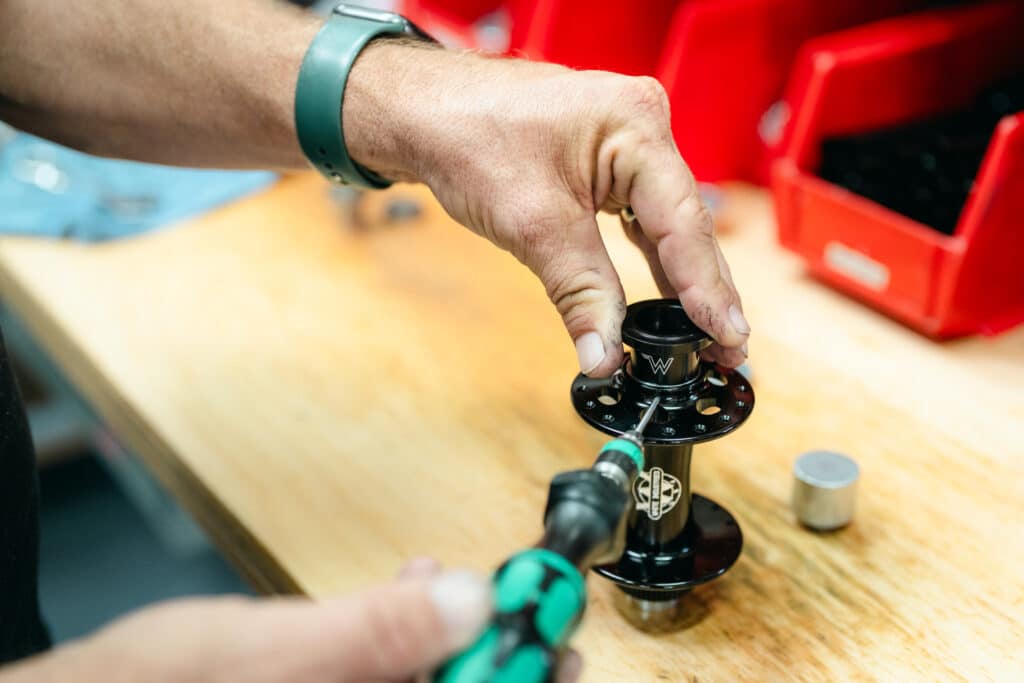
Good engineering means understanding how these pieces function individually and as part of a larger system. It means considering how a component will be installed, maintained, and used over thousands of miles. It also means knowing when a design needs to change—and when the best decision is to leave a proven solution alone.
Precision isn’t simply about producing a part that meets a specification. It’s about creating a component that performs as intended, fits correctly, operates reliably, and continues to do its job long after the excitement of a new build has worn off.
And yes, it means paying attention to details most people will never notice. We’re perfectly happy with that.
Design and Manufacturing Under One Roof
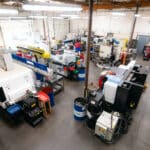
One of the defining characteristics of White Industries is our commitment to keeping nearly every step of production under one roof in Petaluma, California.
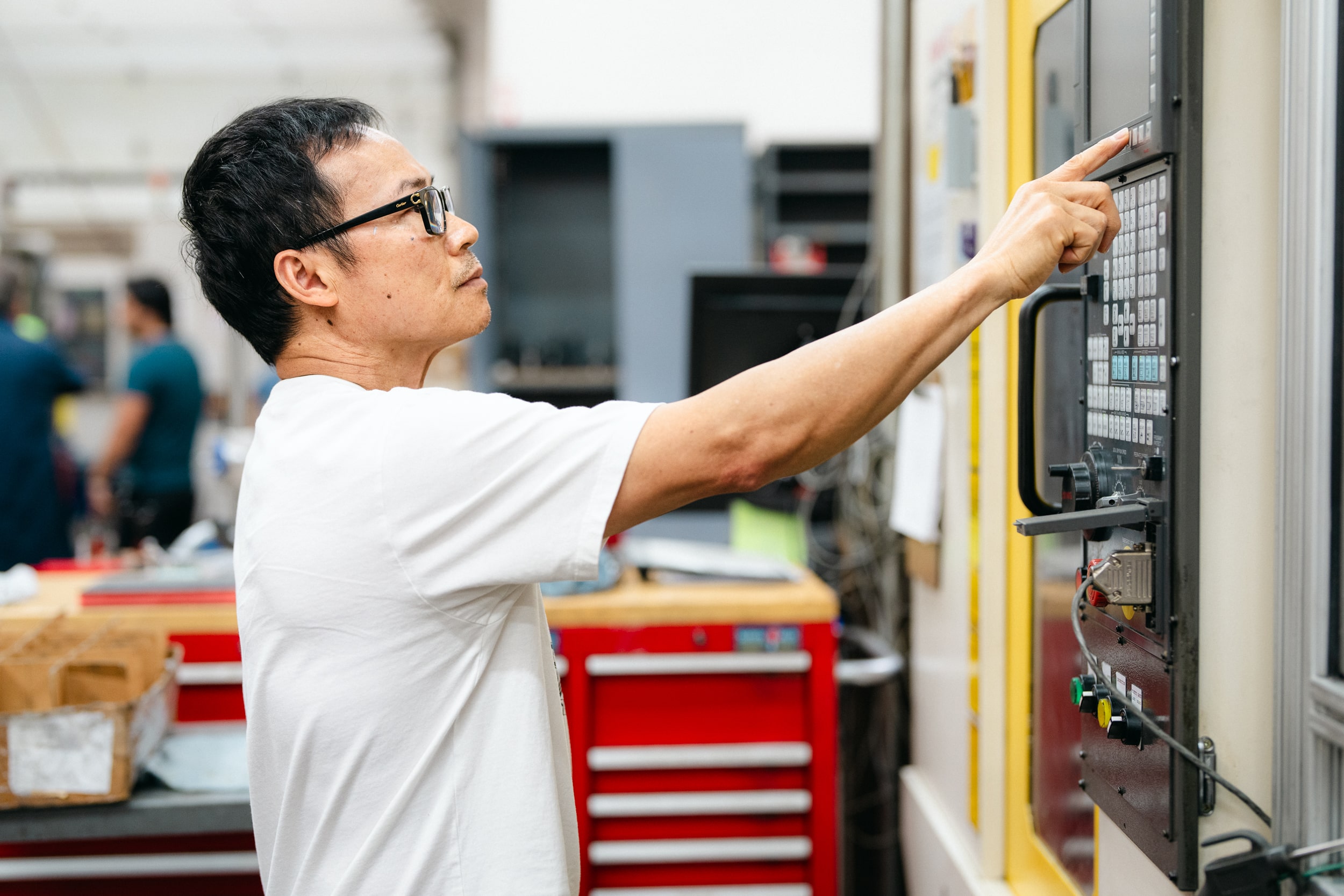
Our components are designed, machined, engraved, assembled, and inspected here. This close connection between engineering and manufacturing helps us maintain control over the process and gives our team a direct understanding of how design decisions translate into finished products.
When the people responsible for making a component work closely with the people responsible for producing it, valuable feedback happens naturally. Manufacturing experience informs design. Design improvements influence machining. And the knowledge gained from producing thousands of components helps guide future development.
This relationship is particularly important for a company of our size. We don’t need layers of separation between the idea and the finished part. We can draw on decades of hands-on experience, practical problem-solving, and the knowledge of the people who work with these components every day.
It’s a collaborative process built on experience, precision, and a willingness to keep learning.
Innovation Doesn’t Always Mean Starting Over
The bicycle industry is constantly introducing new standards, technologies, and materials. Some represent significant improvements. Others create new challenges for manufacturers and riders alike.
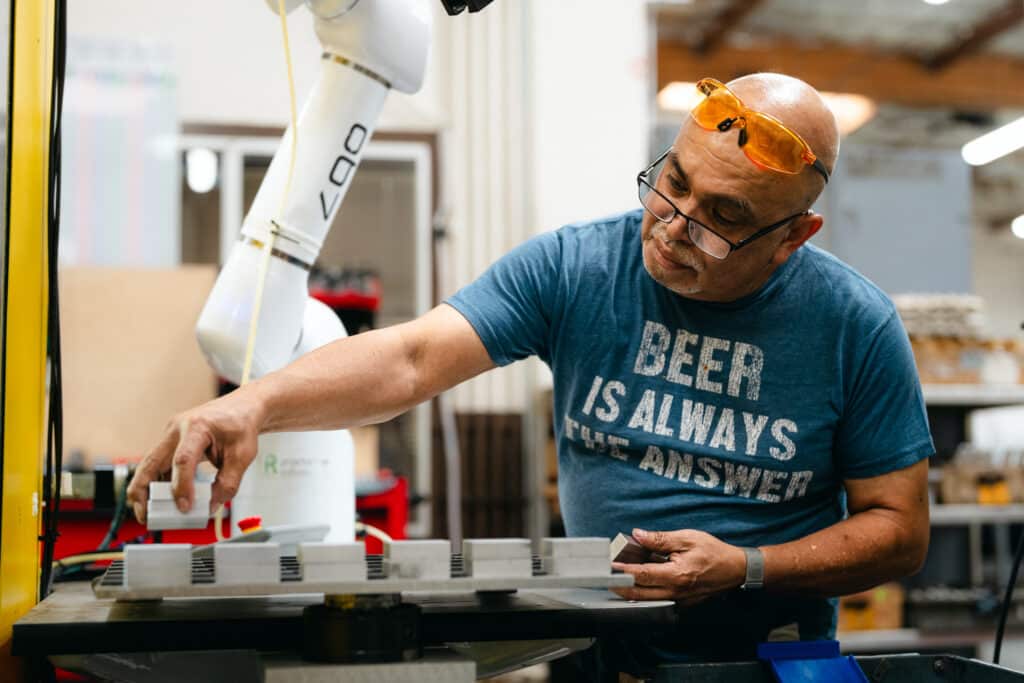
Our approach to innovation is deliberate. We look at what a design needs to accomplish, consider the demands placed on the component, and evaluate whether a proposed change delivers a real benefit.
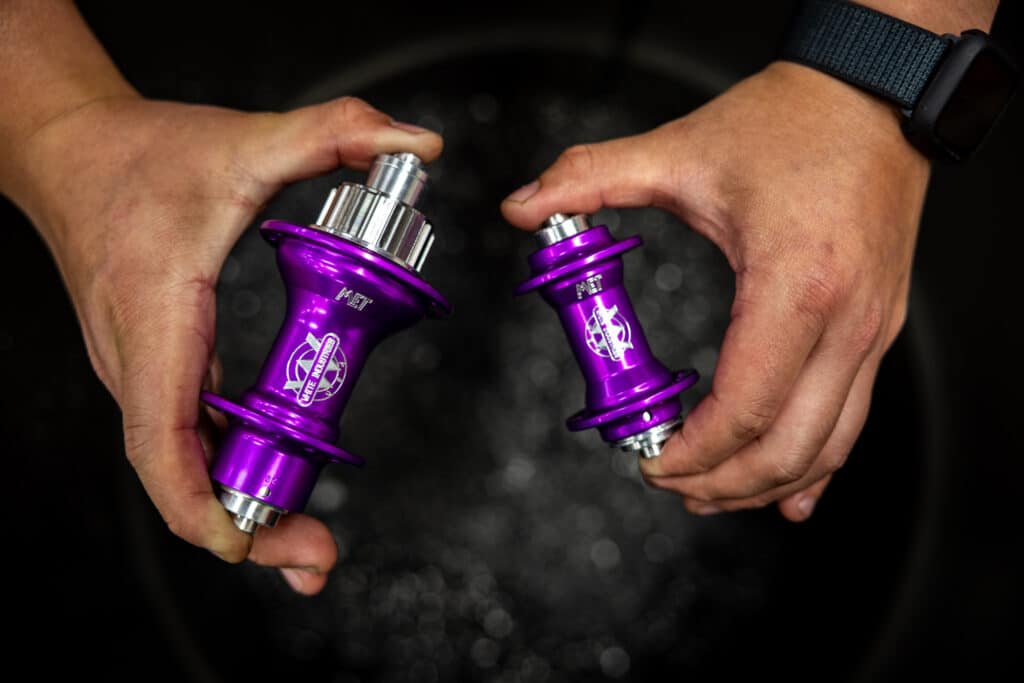
Sometimes that means developing something entirely new. Sometimes it means adapting an established platform to meet a new standard. And sometimes it means resisting the temptation to change something that already works exceptionally well.
The goal isn’t to produce the newest component simply because the market has moved on to another trend. It’s to create products that make sense mechanically, perform reliably, and provide lasting value.
That approach has allowed White Industries to evolve across multiple generations of bicycle technology without losing sight of the principles that built the company.
Built to Be Serviced, Not Tossed Aside
Engineering doesn’t end when a component leaves the machine shop.
How a product performs after years of riding is just as important as how it performs on its first day. That’s why durability and serviceability are central to our design philosophy.
A well-engineered component should be designed with its entire useful life in mind. Materials, tolerances, construction, and access to service parts all influence whether a product can continue performing over time.
We believe riders should be able to maintain their investment rather than automatically replace it when service is needed. Designing for longevity requires thought from the beginning, but it pays off over the life of the product.
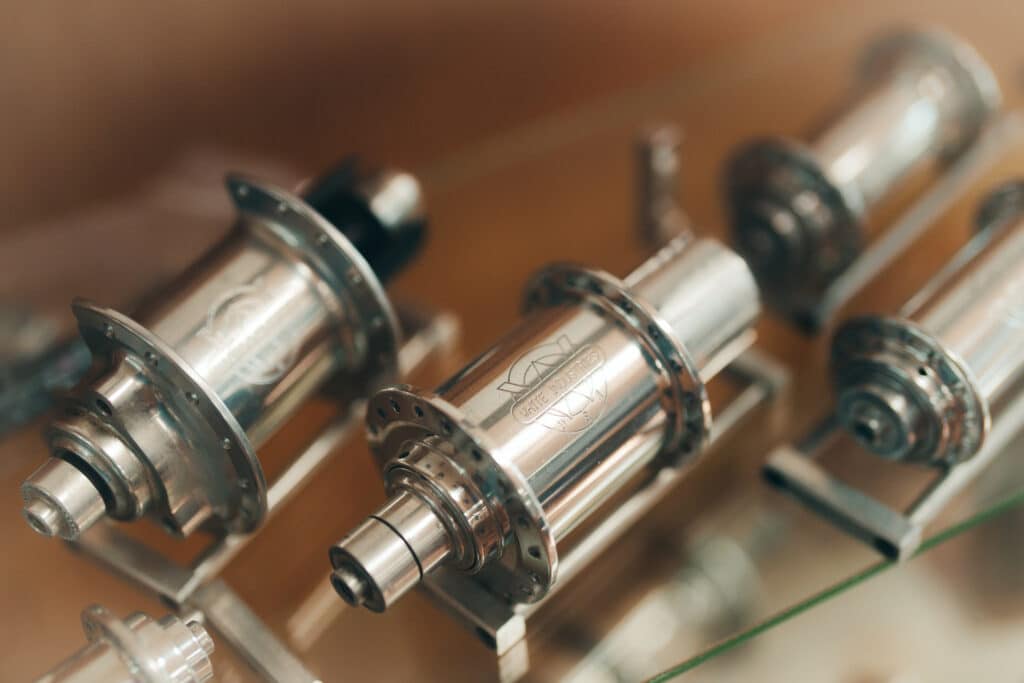
It’s a practical approach to engineering, and one that aligns with our commitment to manufacturing fewer disposable products and more components that earn their place on a bicycle for years to come.
Nearly Five Decades of Experience—and Still Looking Ahead
Today, White Industries continues to build on the foundation Doug White established in 1978. That legacy includes decades of machining experience, products that have earned the trust of riders and builders, and a team committed to maintaining the quality of everything that leaves our shop.
Experience doesn’t mean we stop asking questions. It means we have a better foundation for asking the right ones.
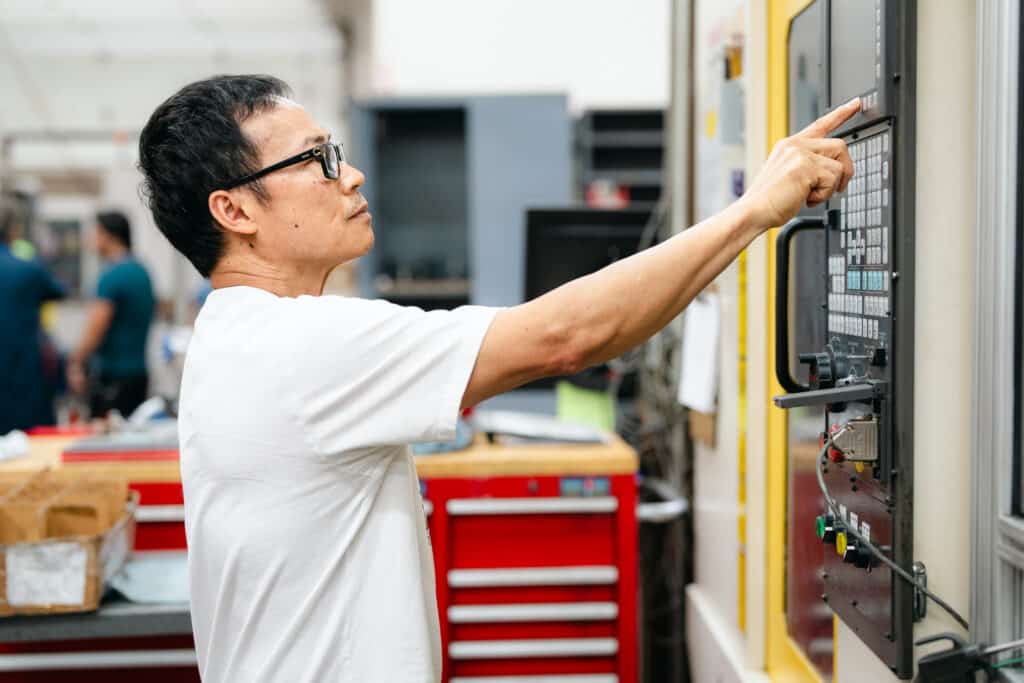
How can a design be improved? Can a component be made easier to service? Does a new standard create an opportunity for a better solution? Is a proposed change genuinely useful to the rider?
Those questions continue to drive our work.
As White Industries approaches its 50th anniversary in 2028, we’re proud of the engineering history behind our products. But we’re just as interested in what comes next.
Because nearly five decades of manufacturing have taught us that good engineering isn’t about chasing every new idea. It’s about knowing which ideas are worth pursuing, having the skill to execute them properly, and standing behind the result.
Designed with purpose. Machined in Petaluma. Built to last.
That’s the thinking behind White Industries—and it’s been that way since 1978.