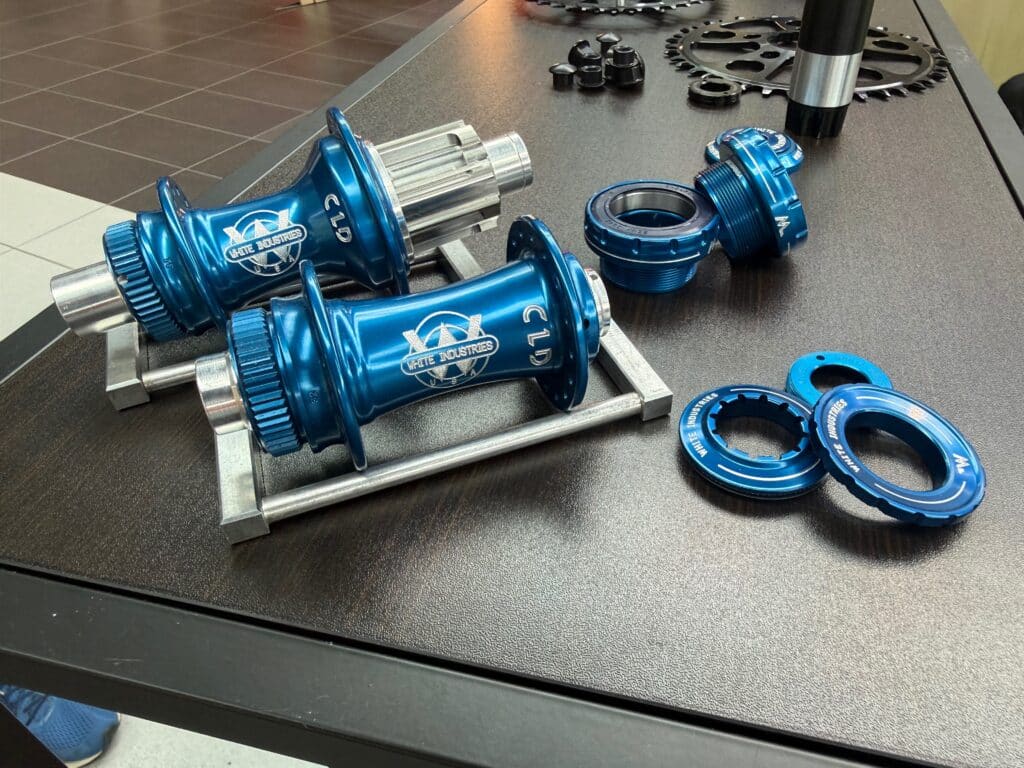
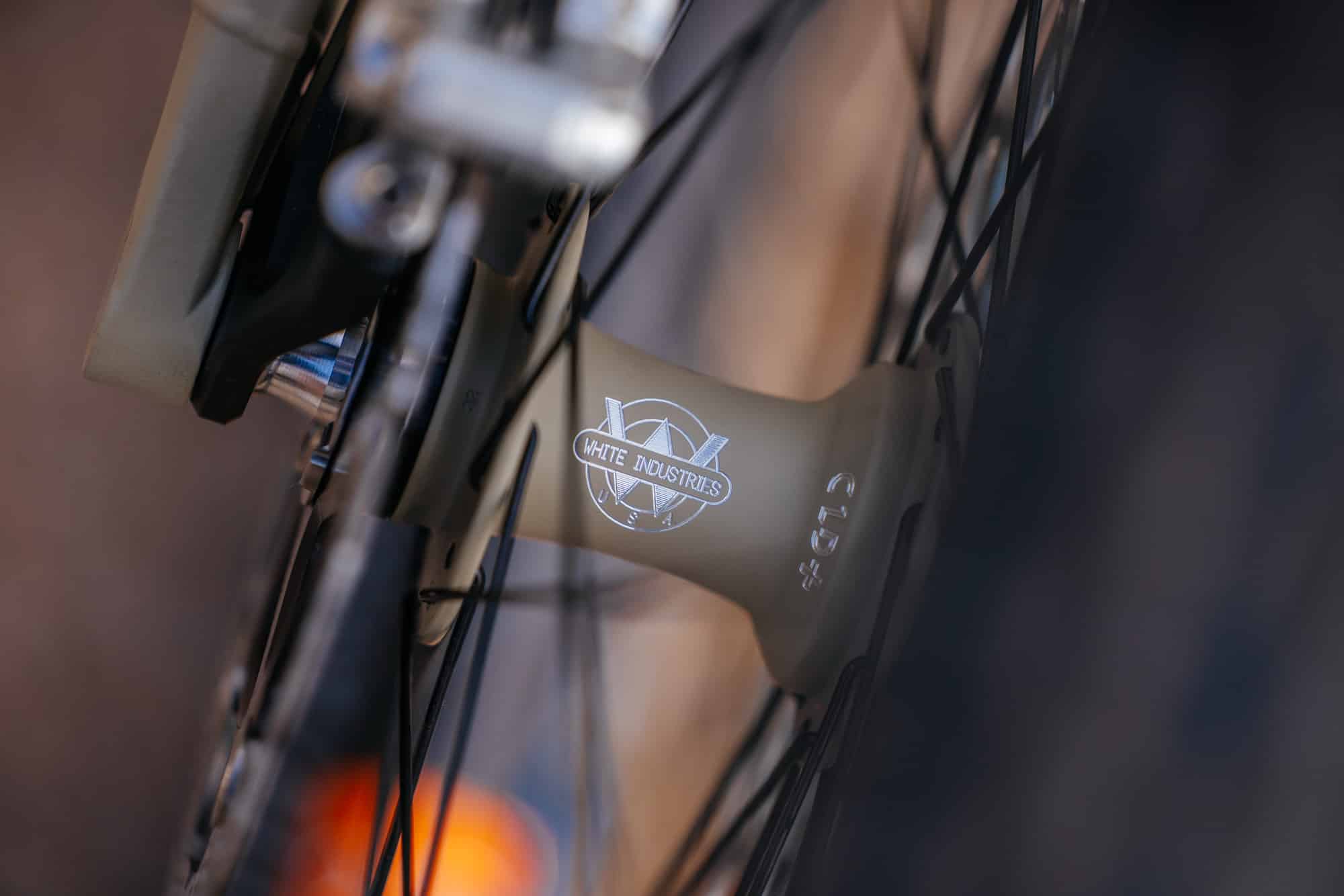
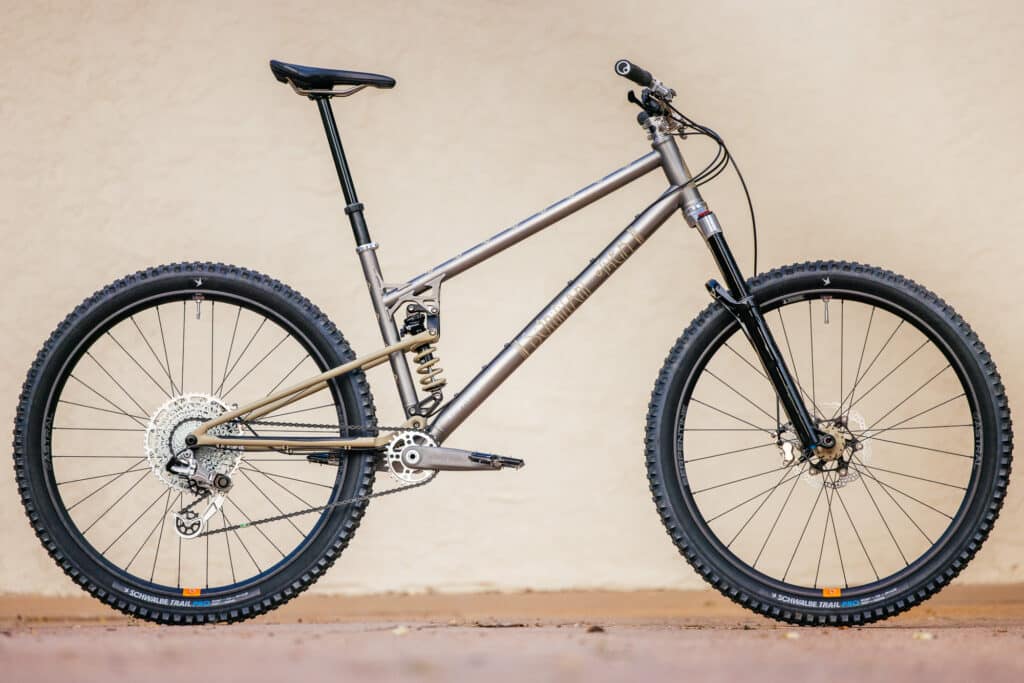
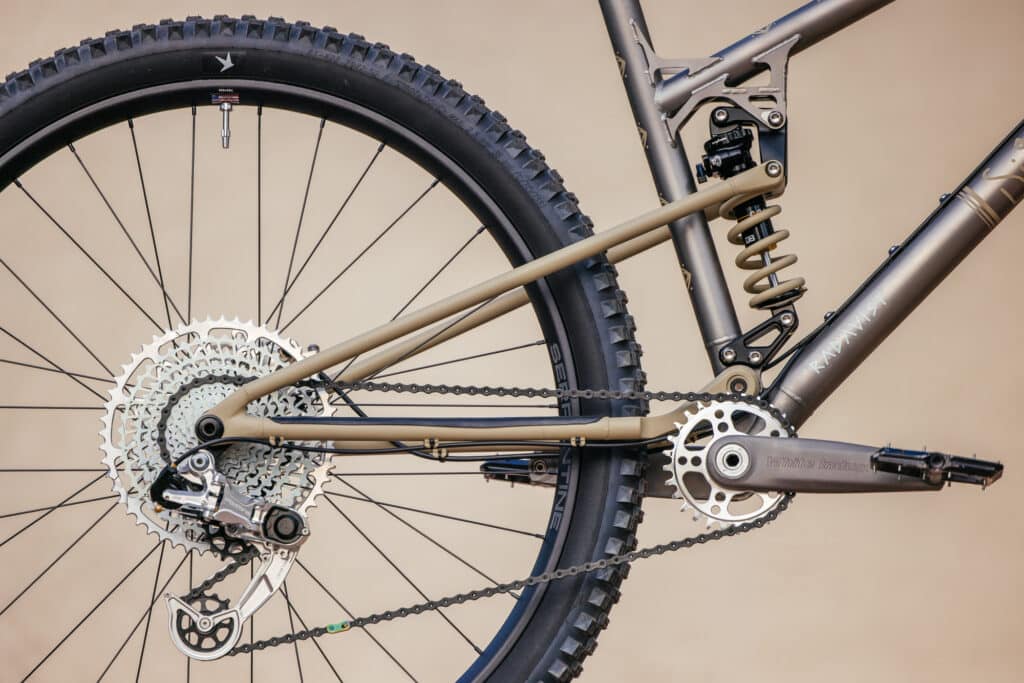
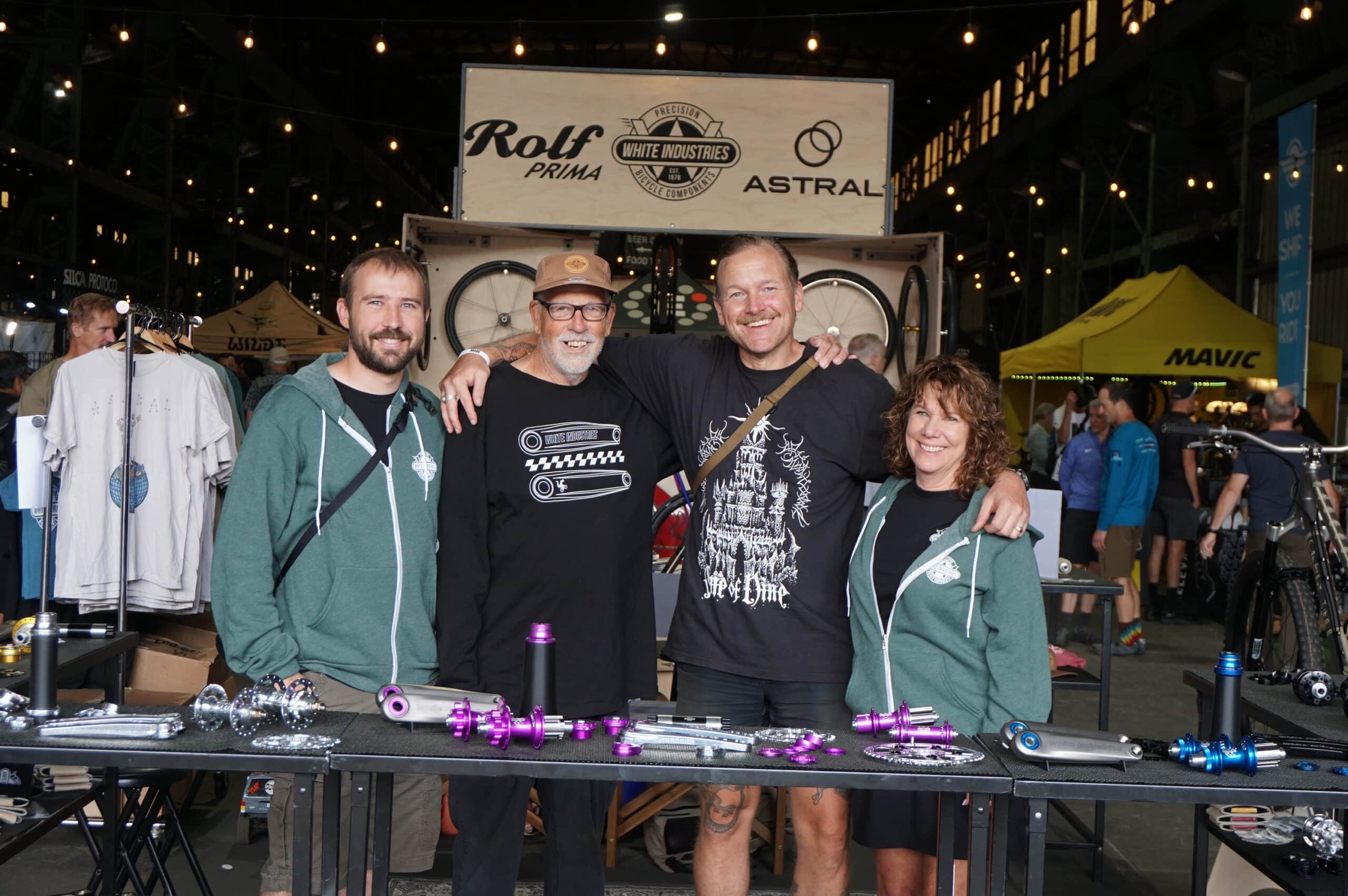
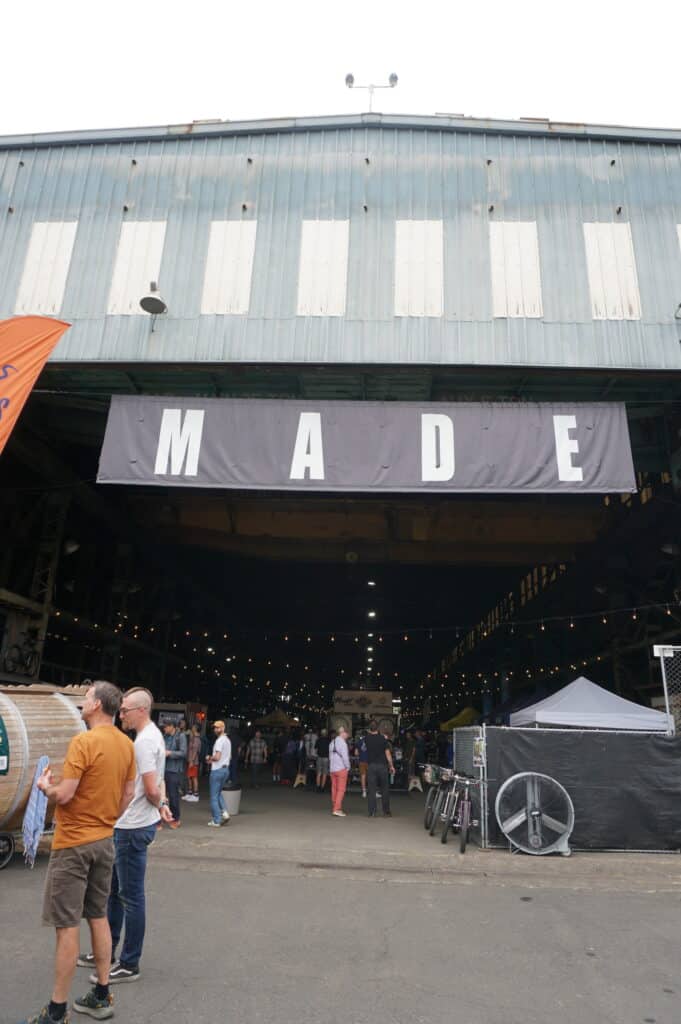
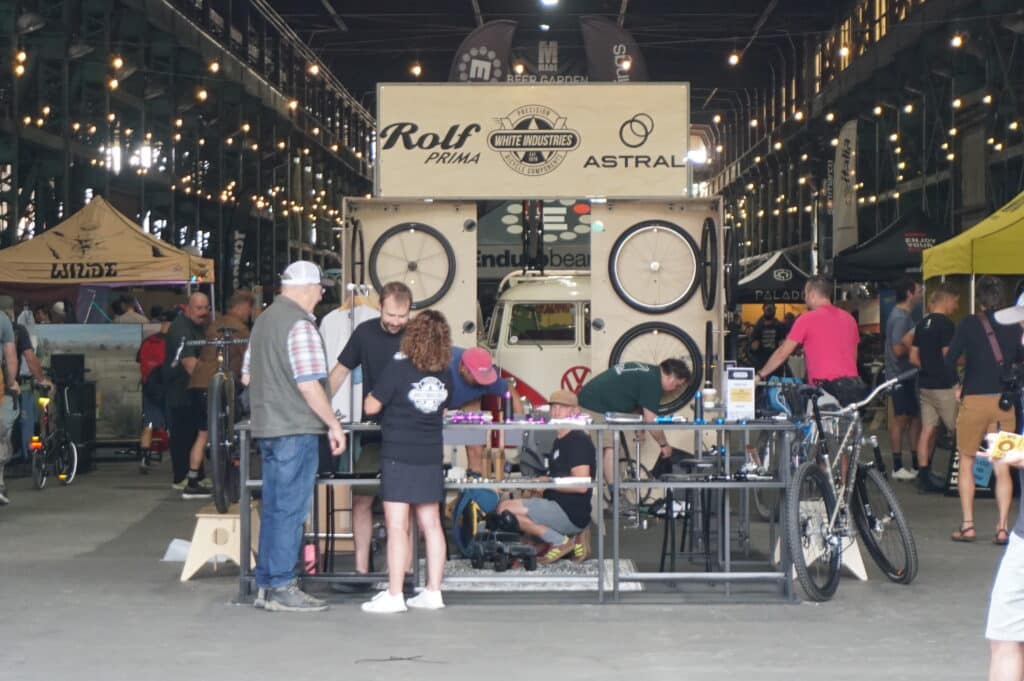
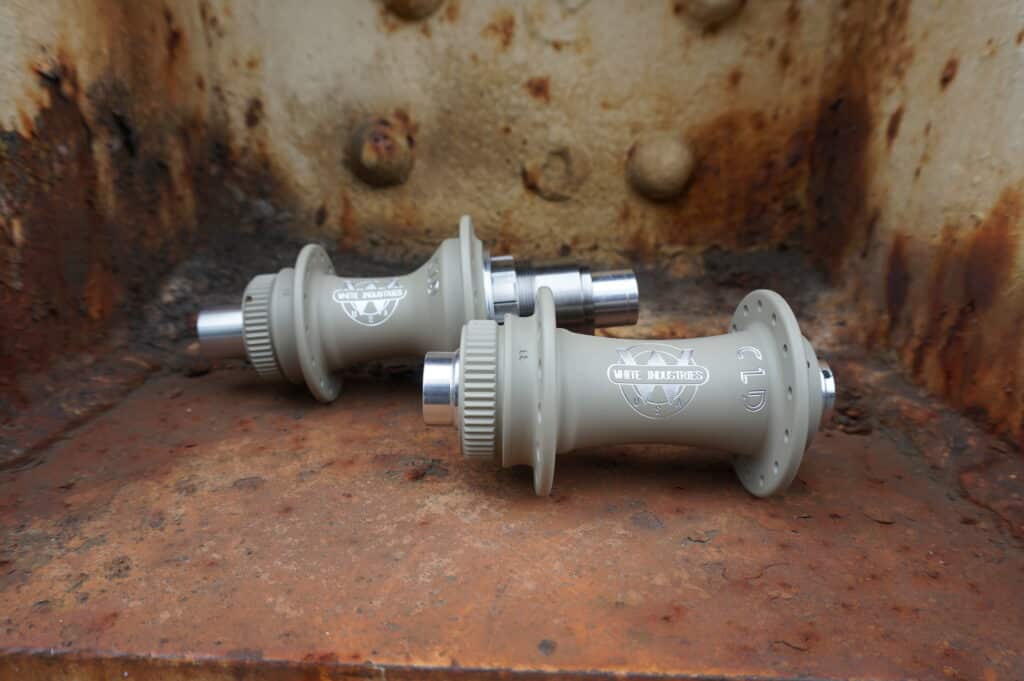
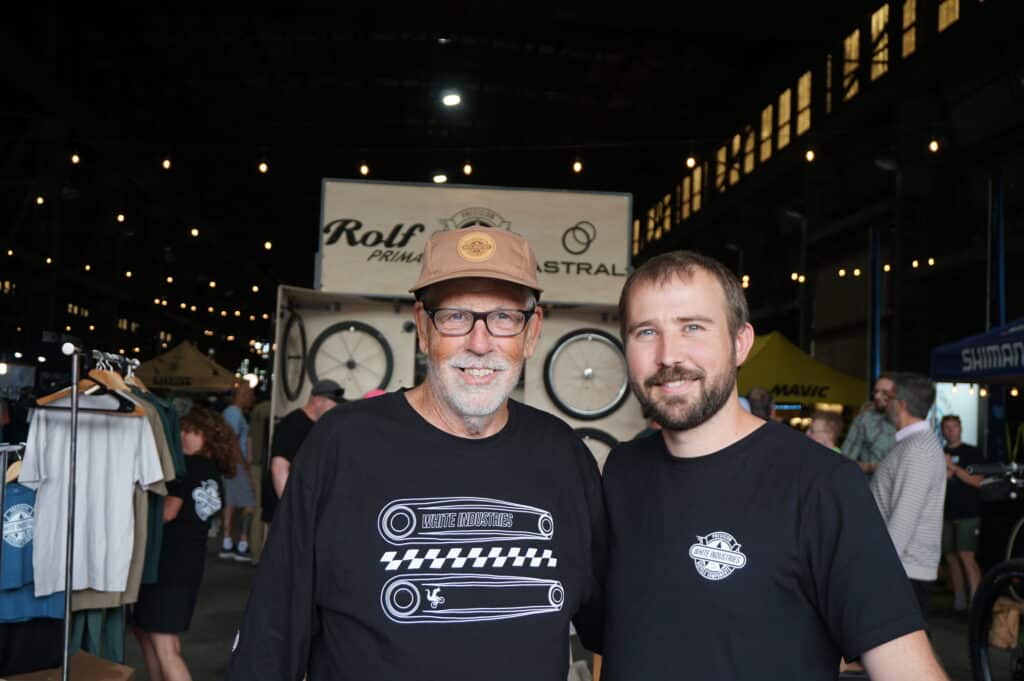
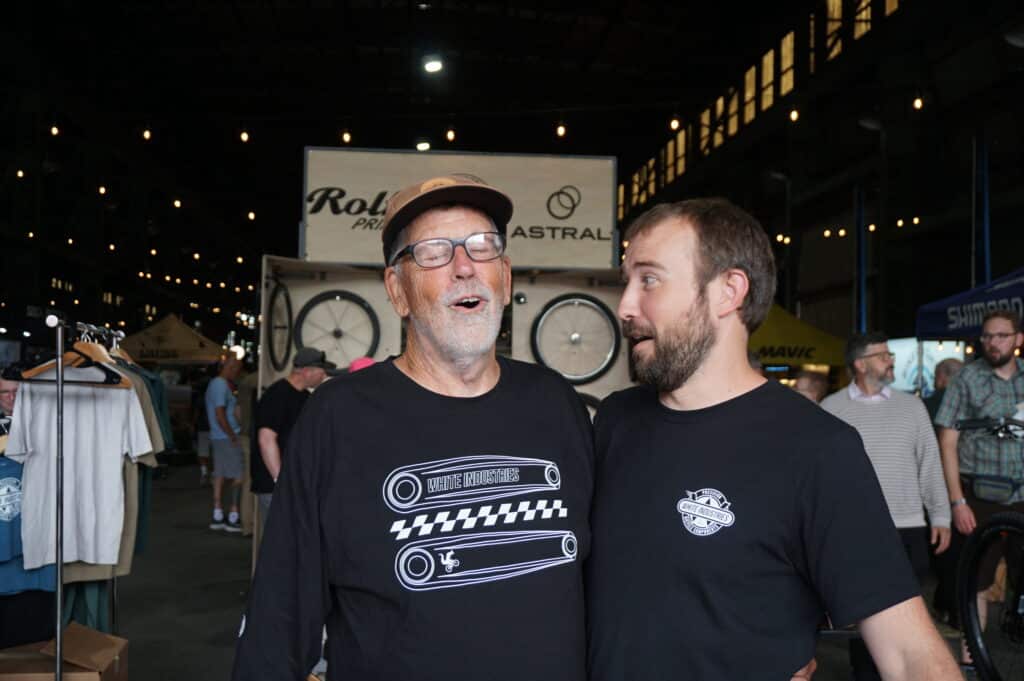
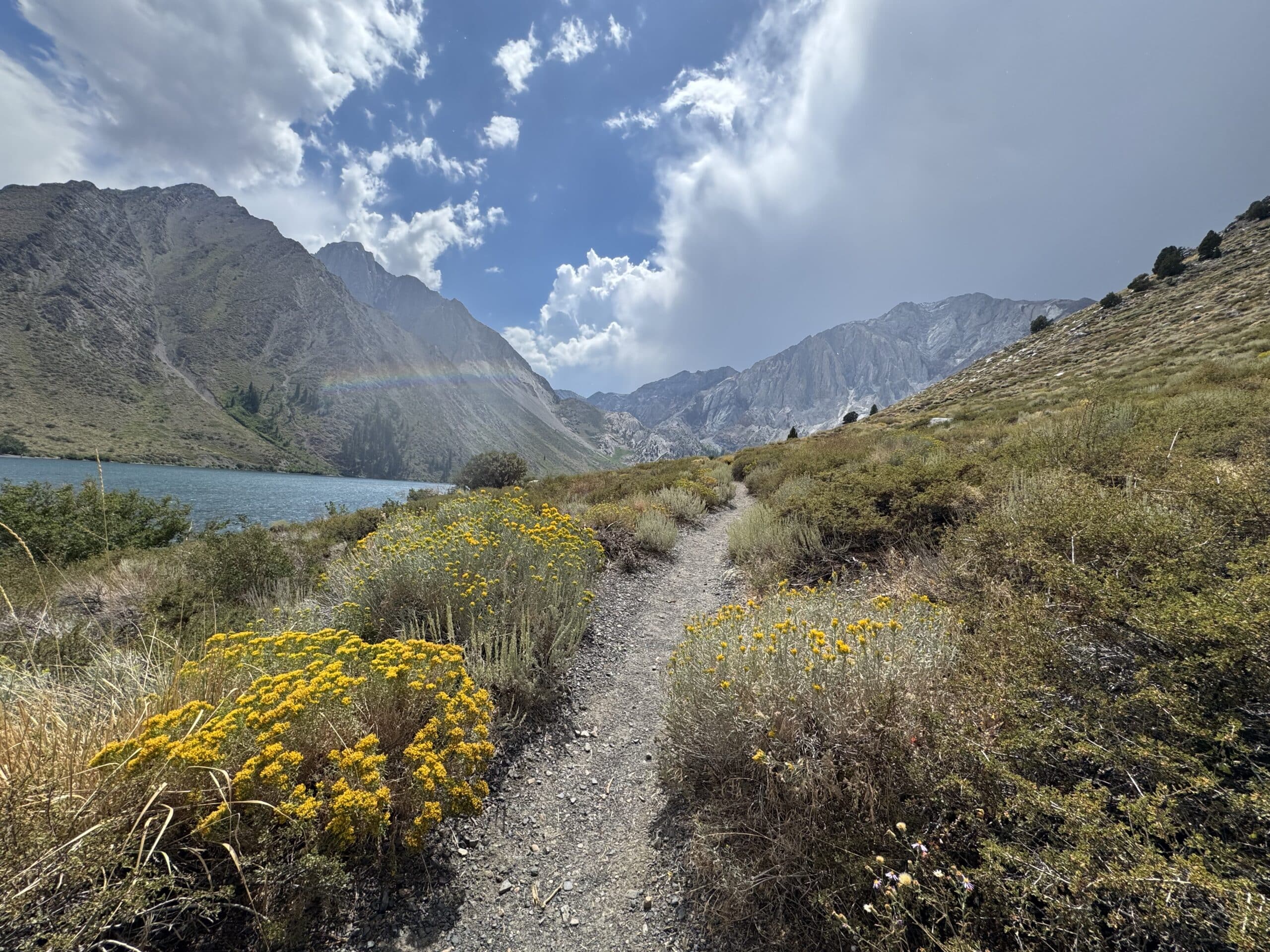
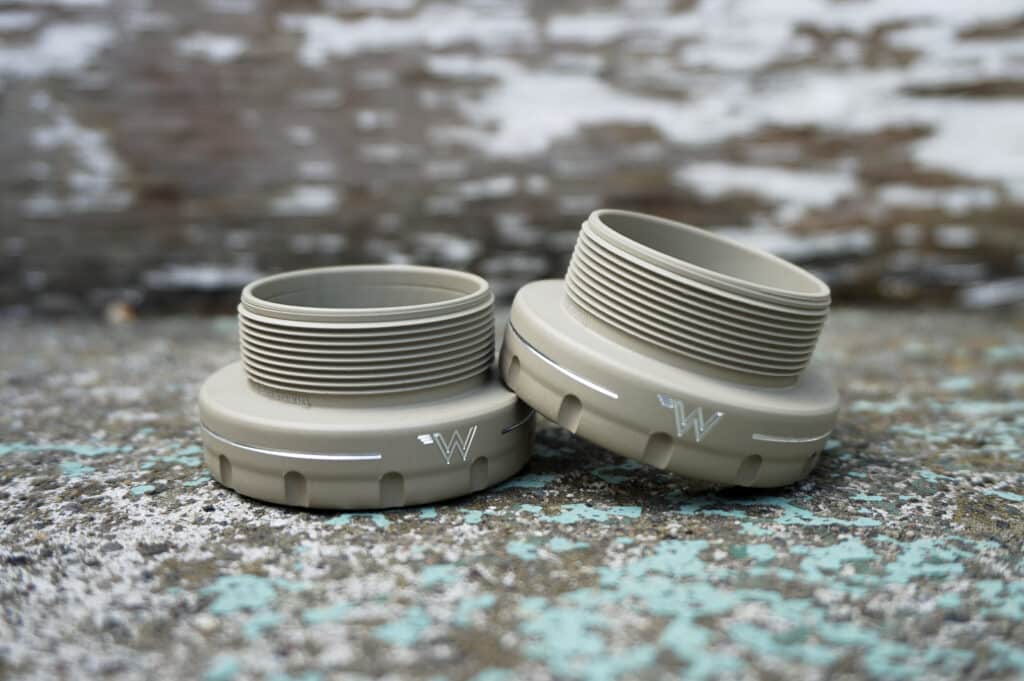
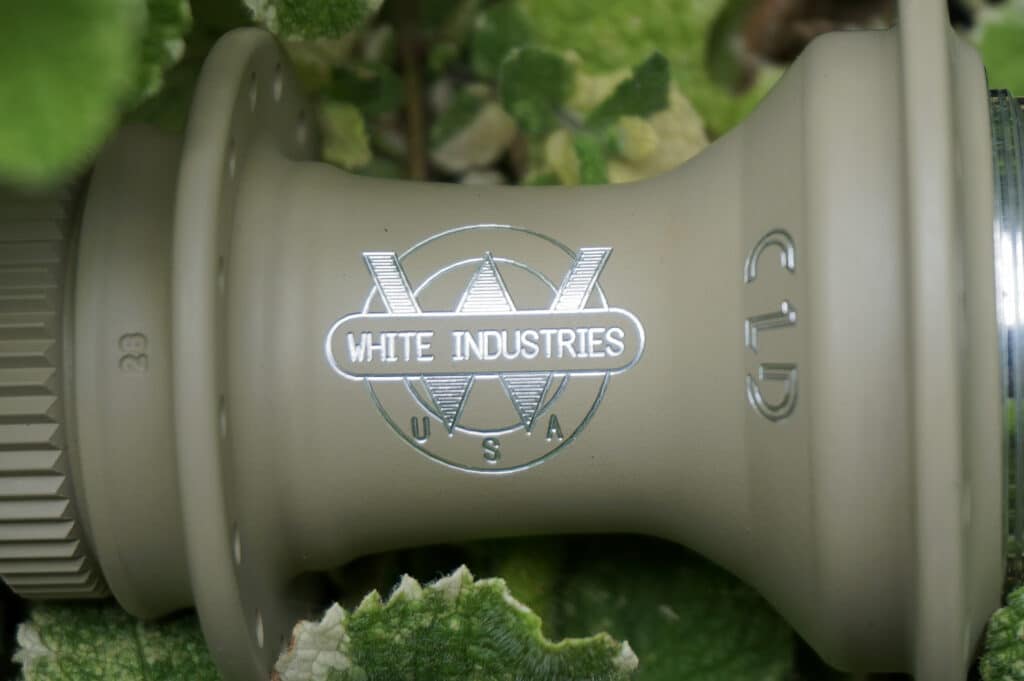
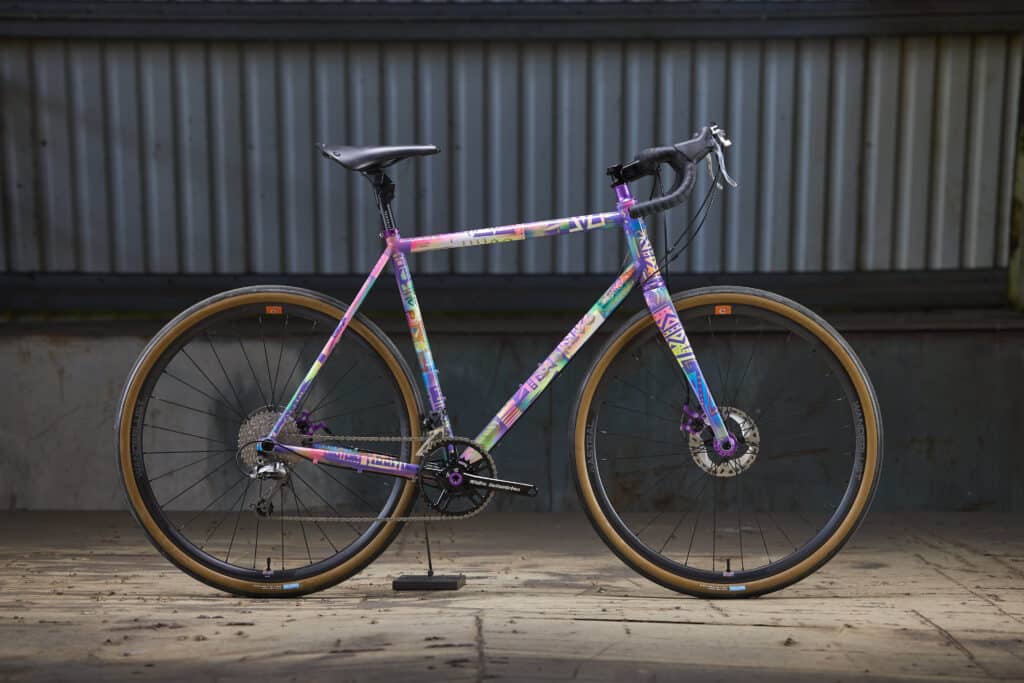
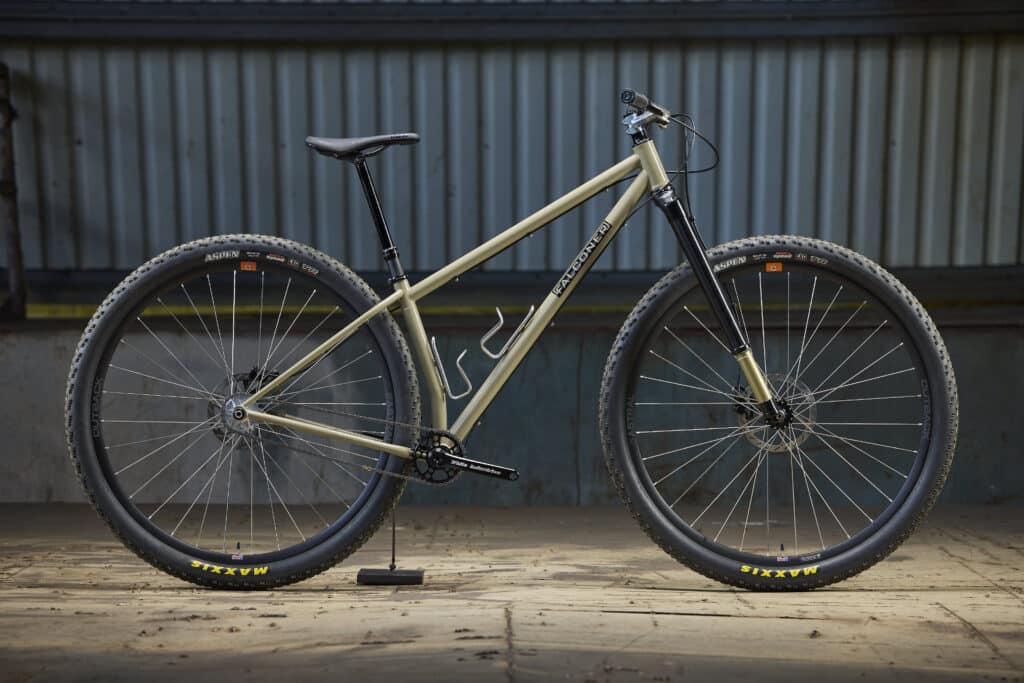
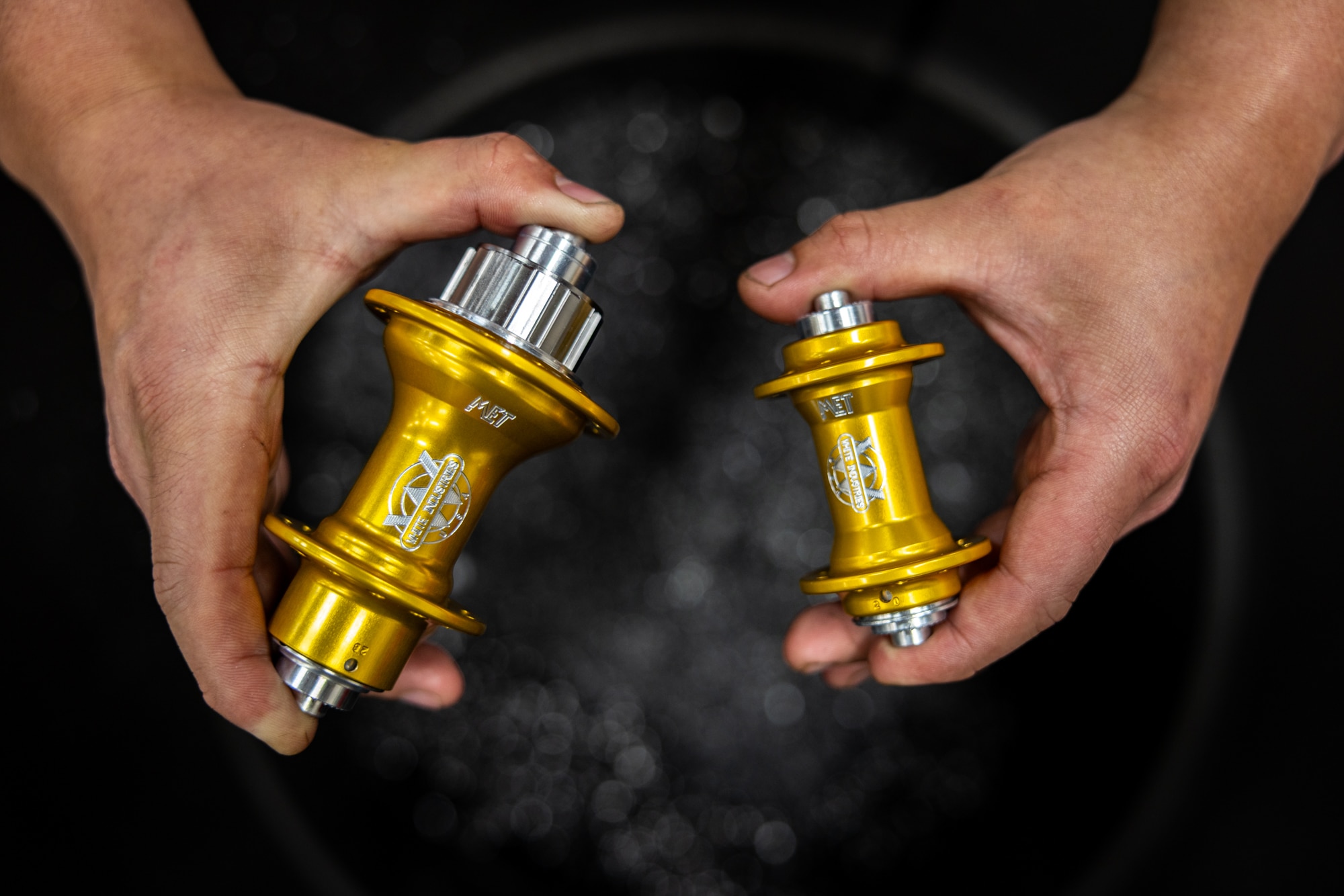
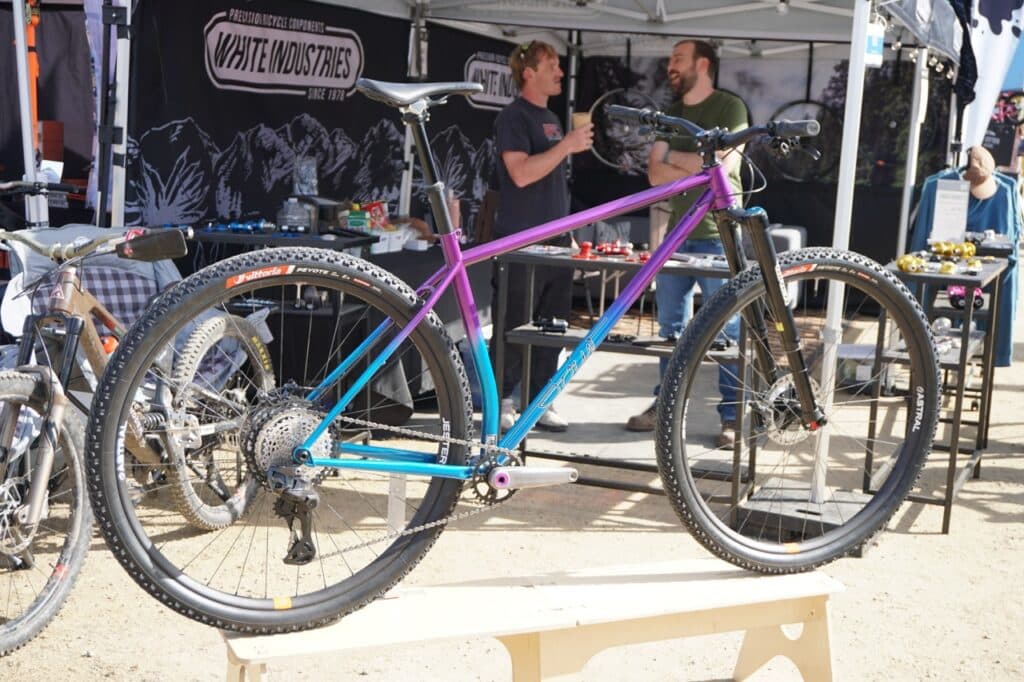
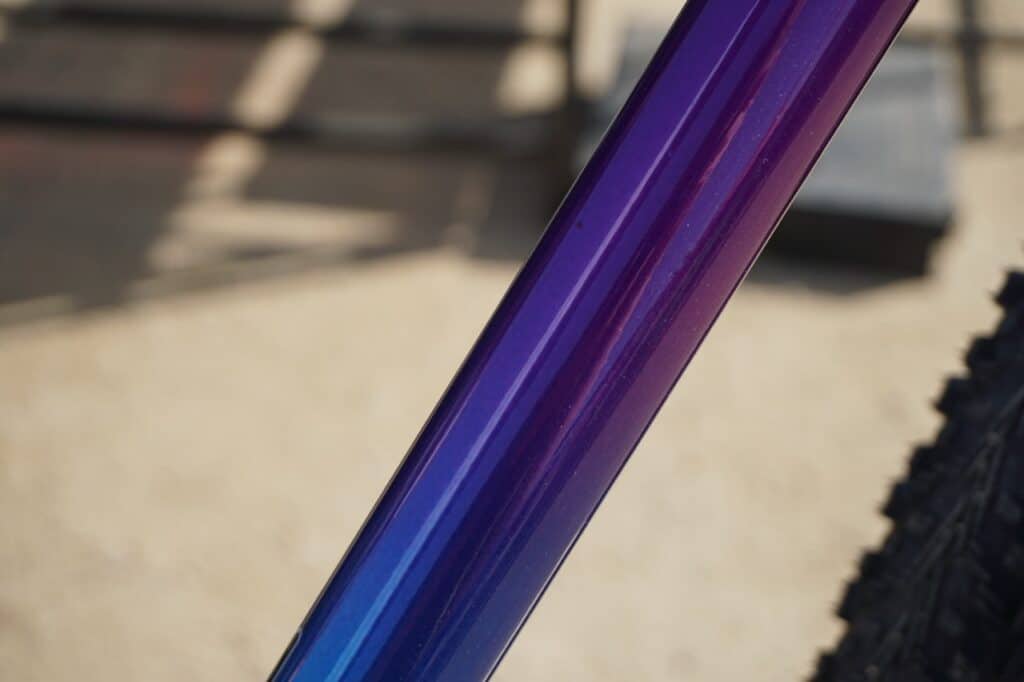
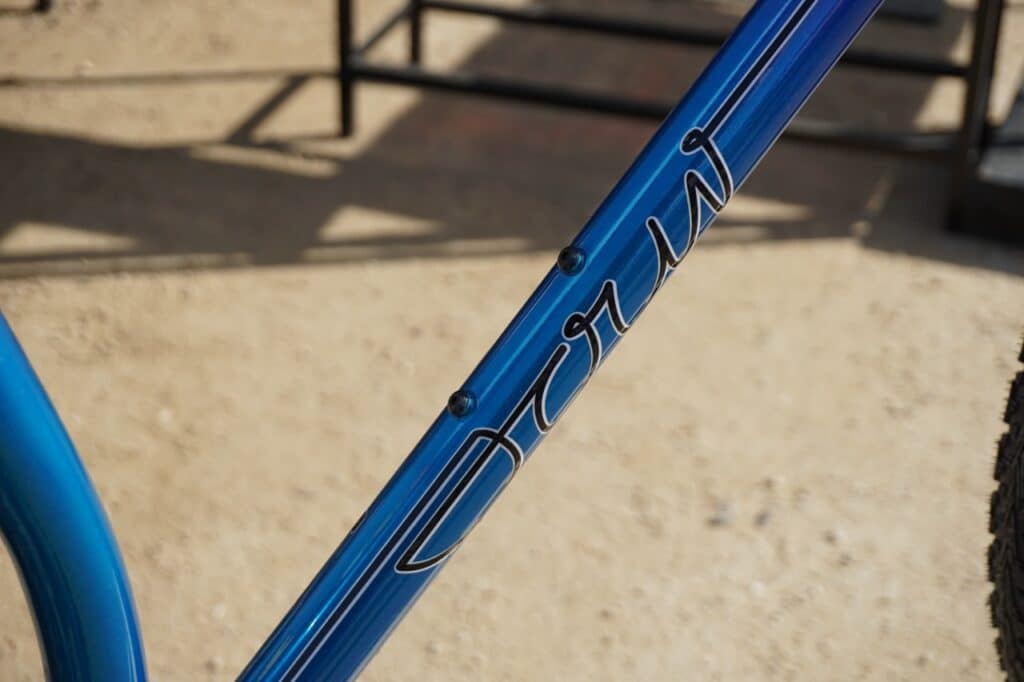
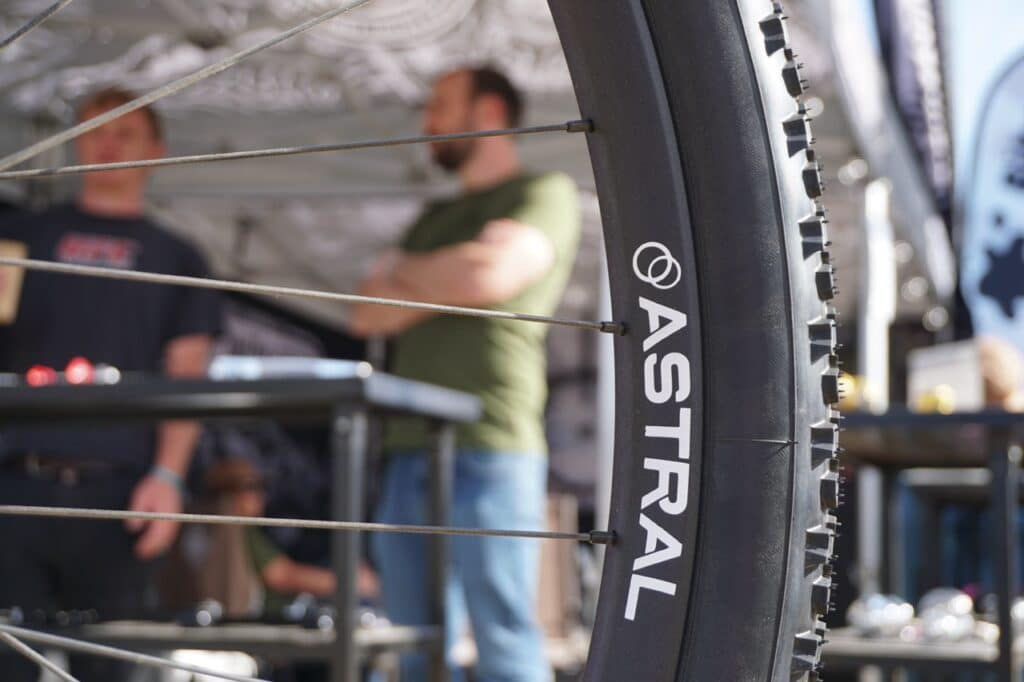
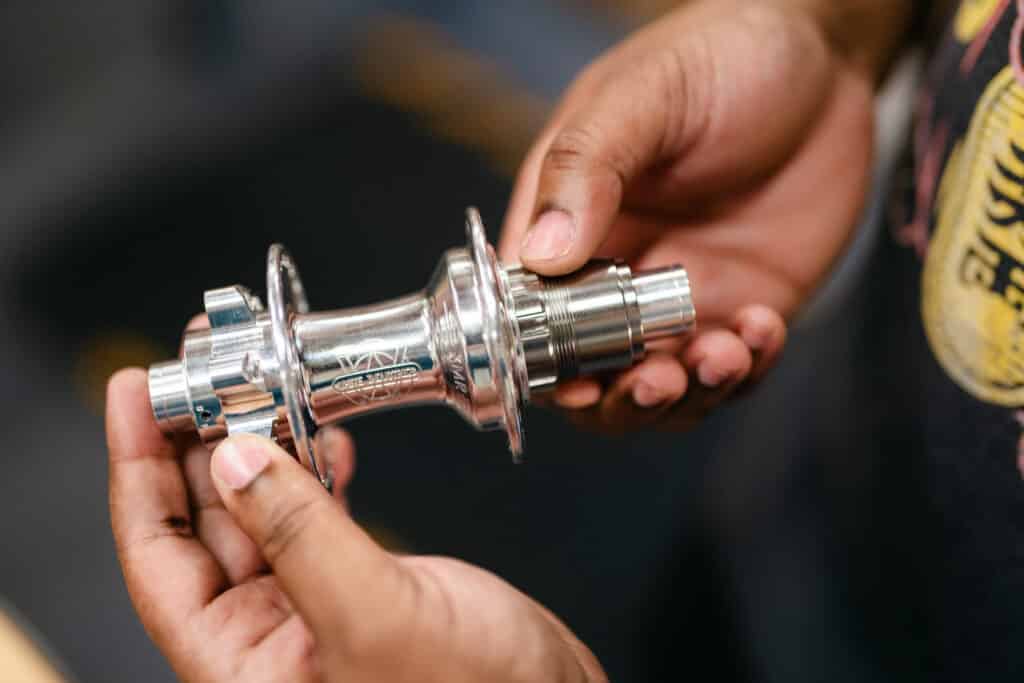
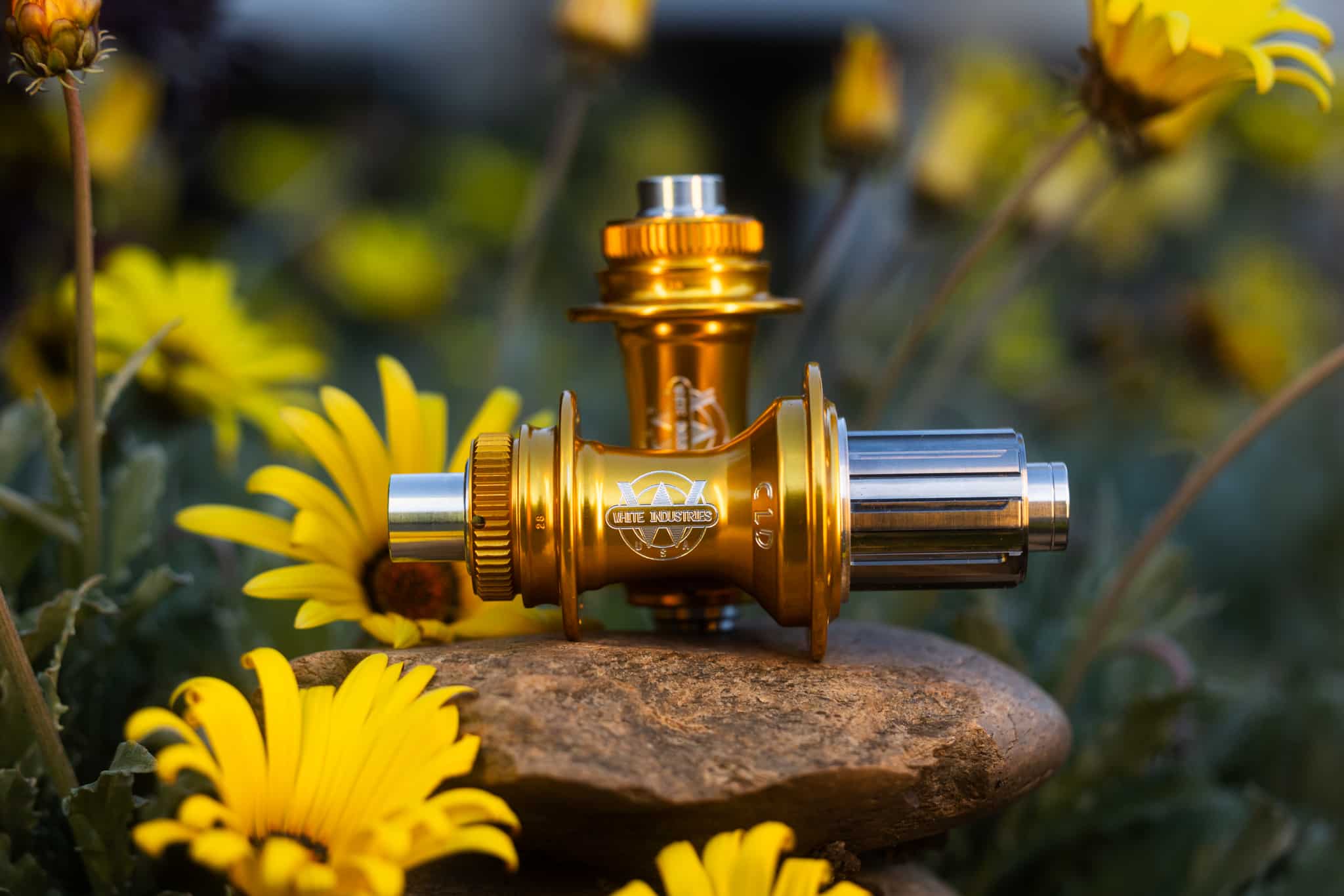
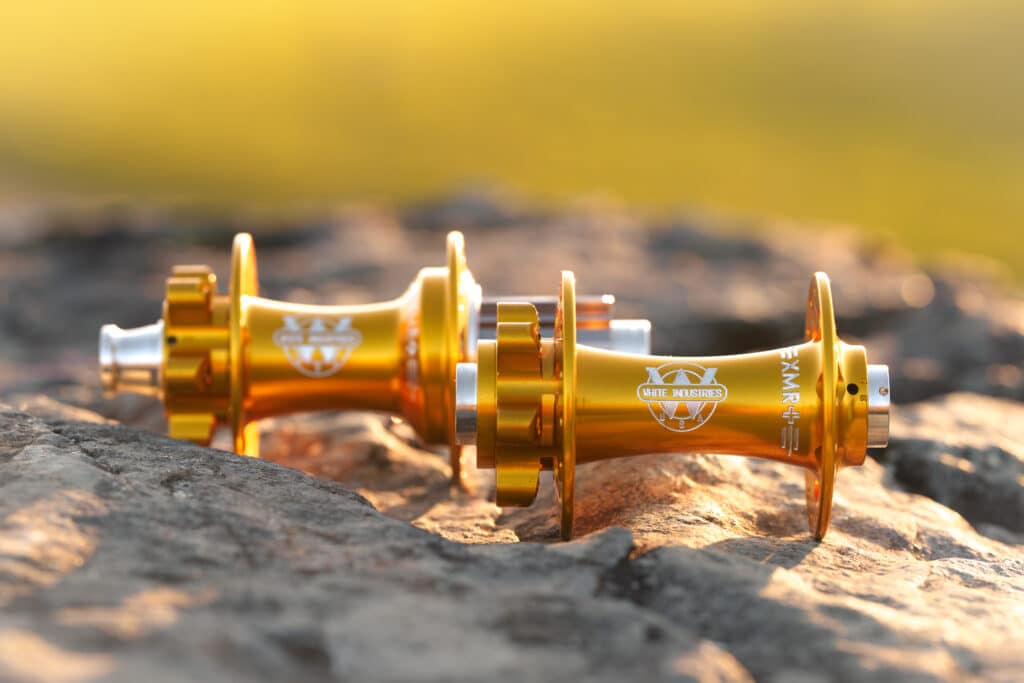
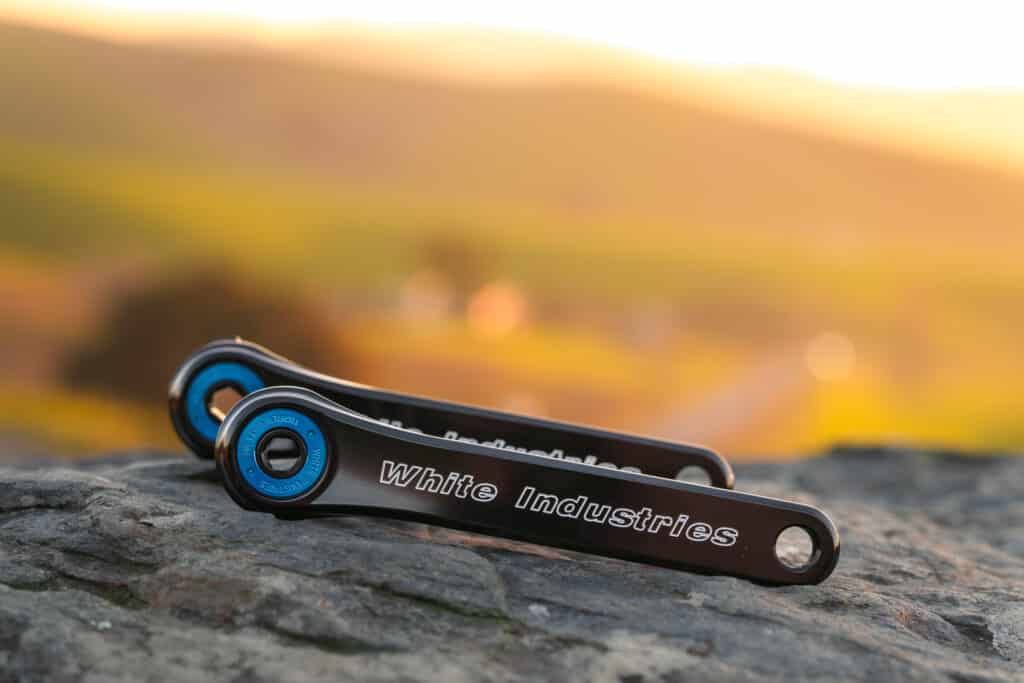
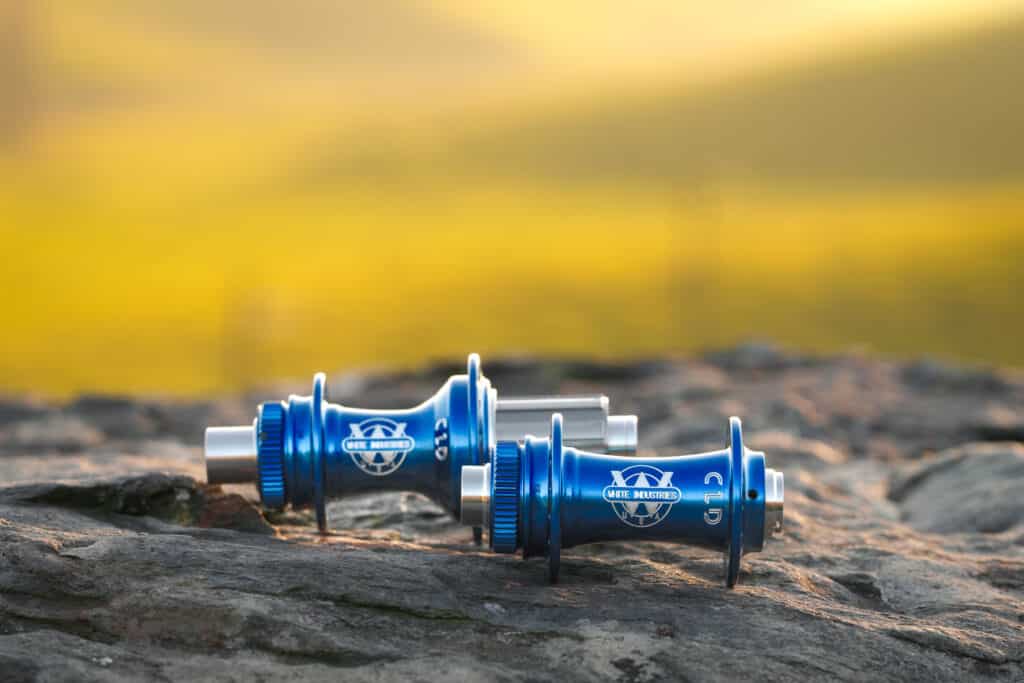
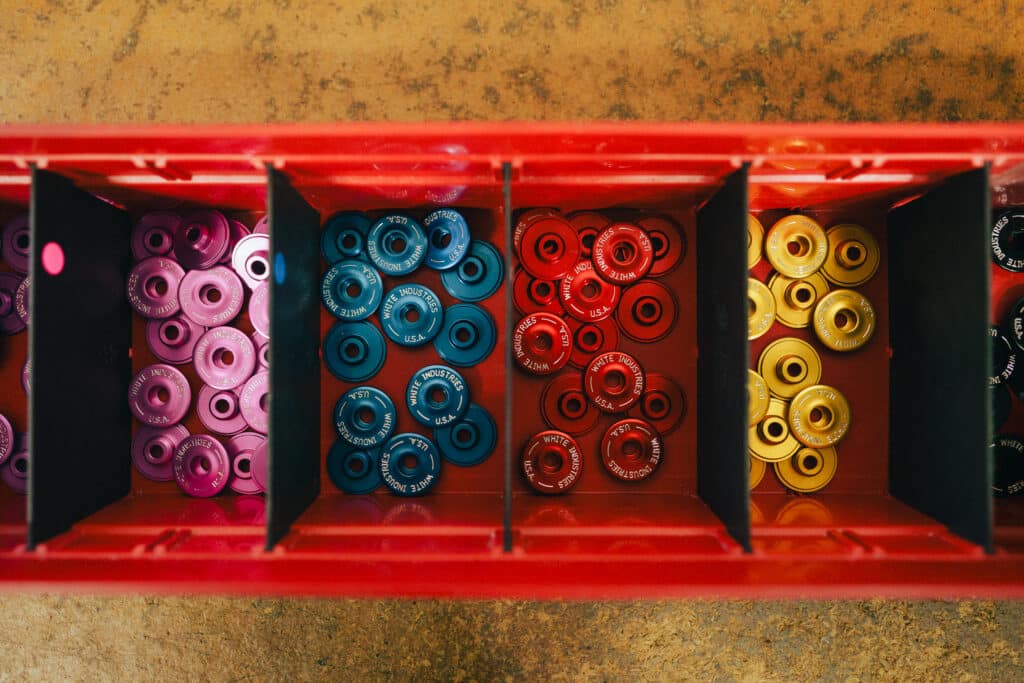
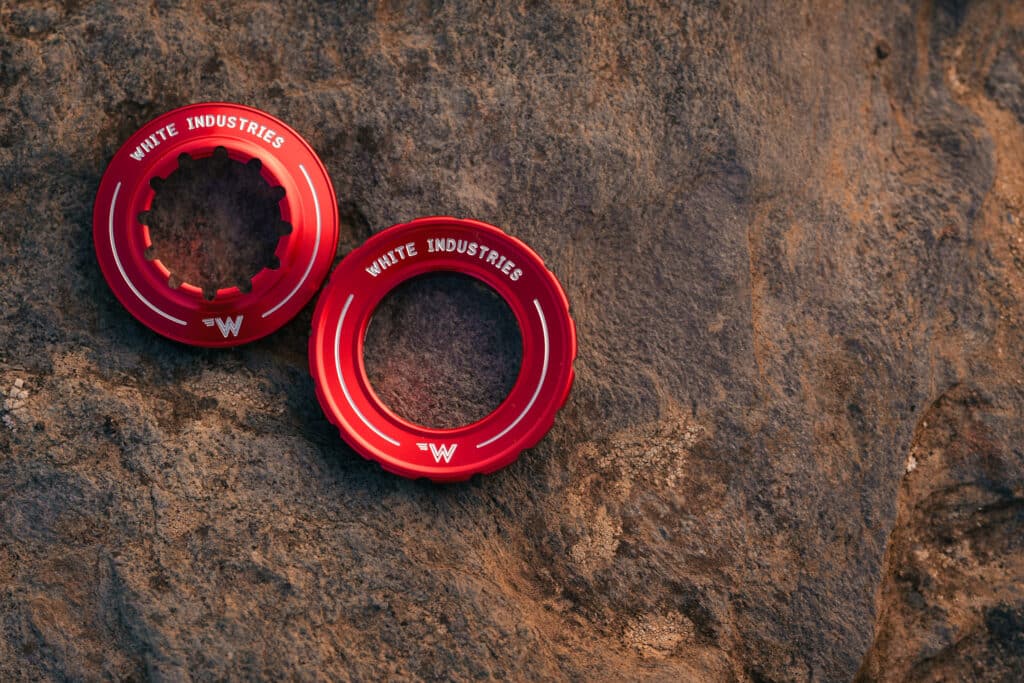
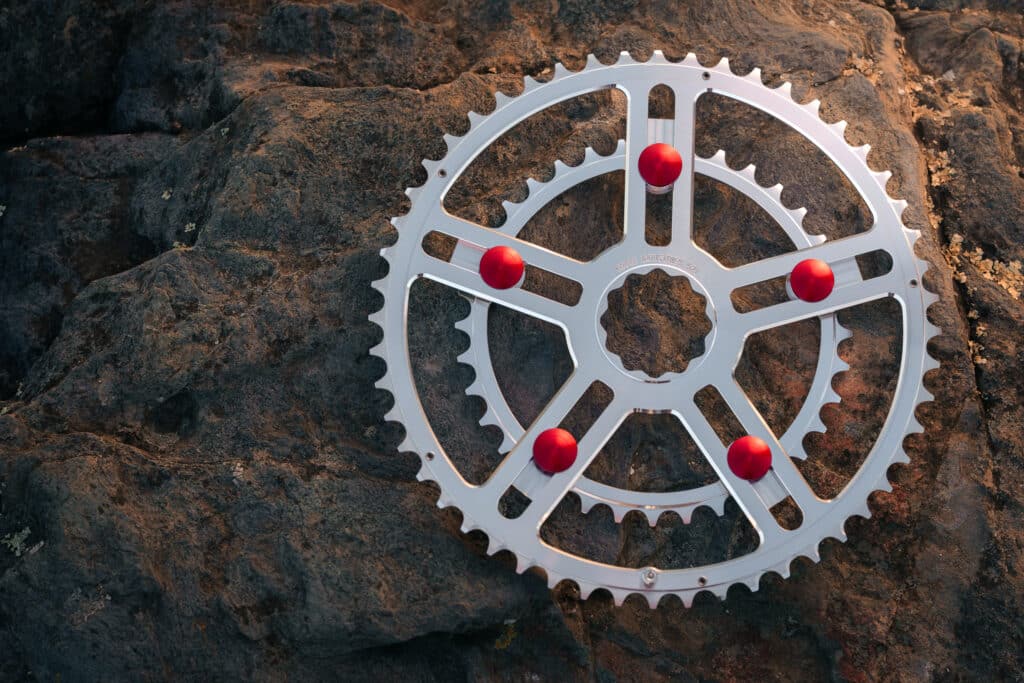
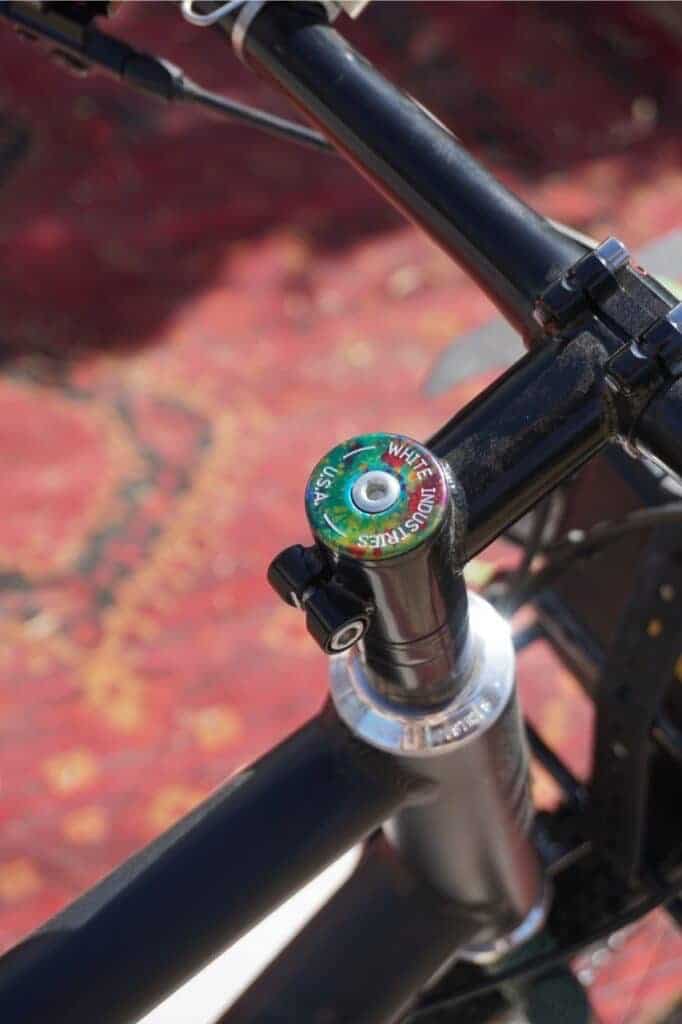
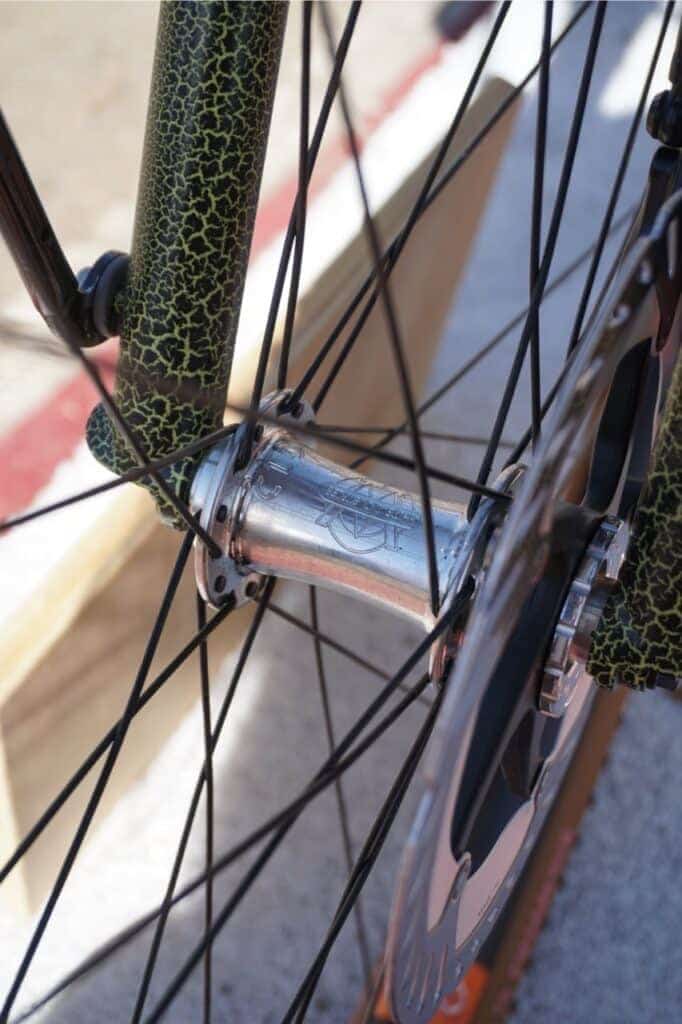
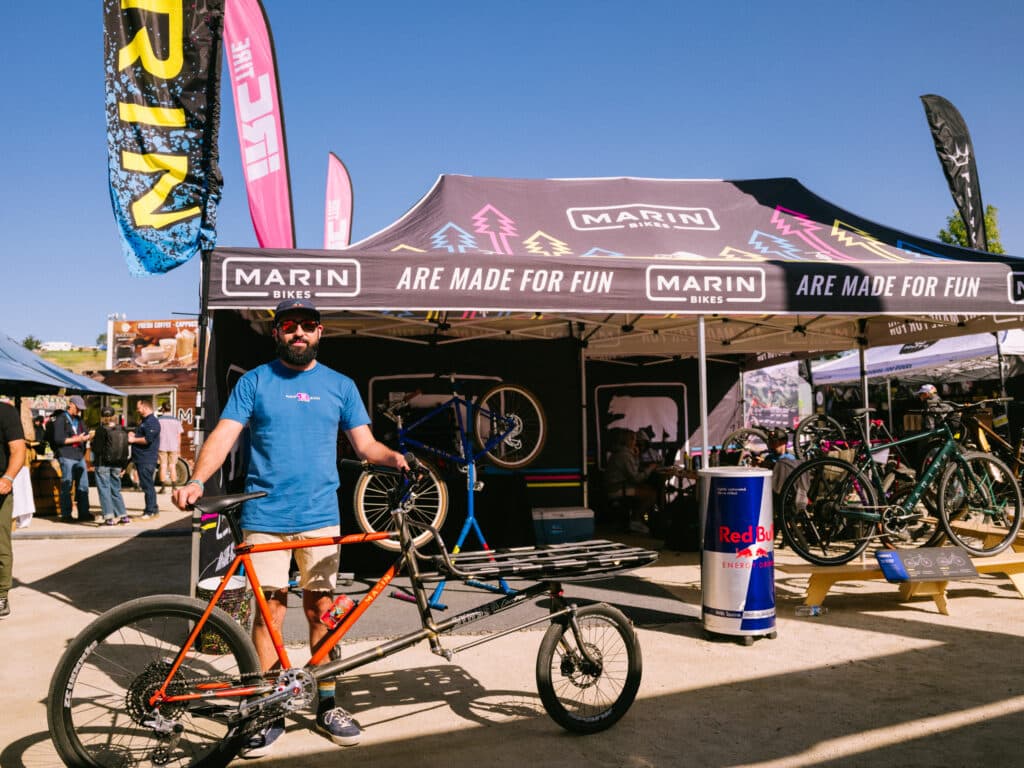
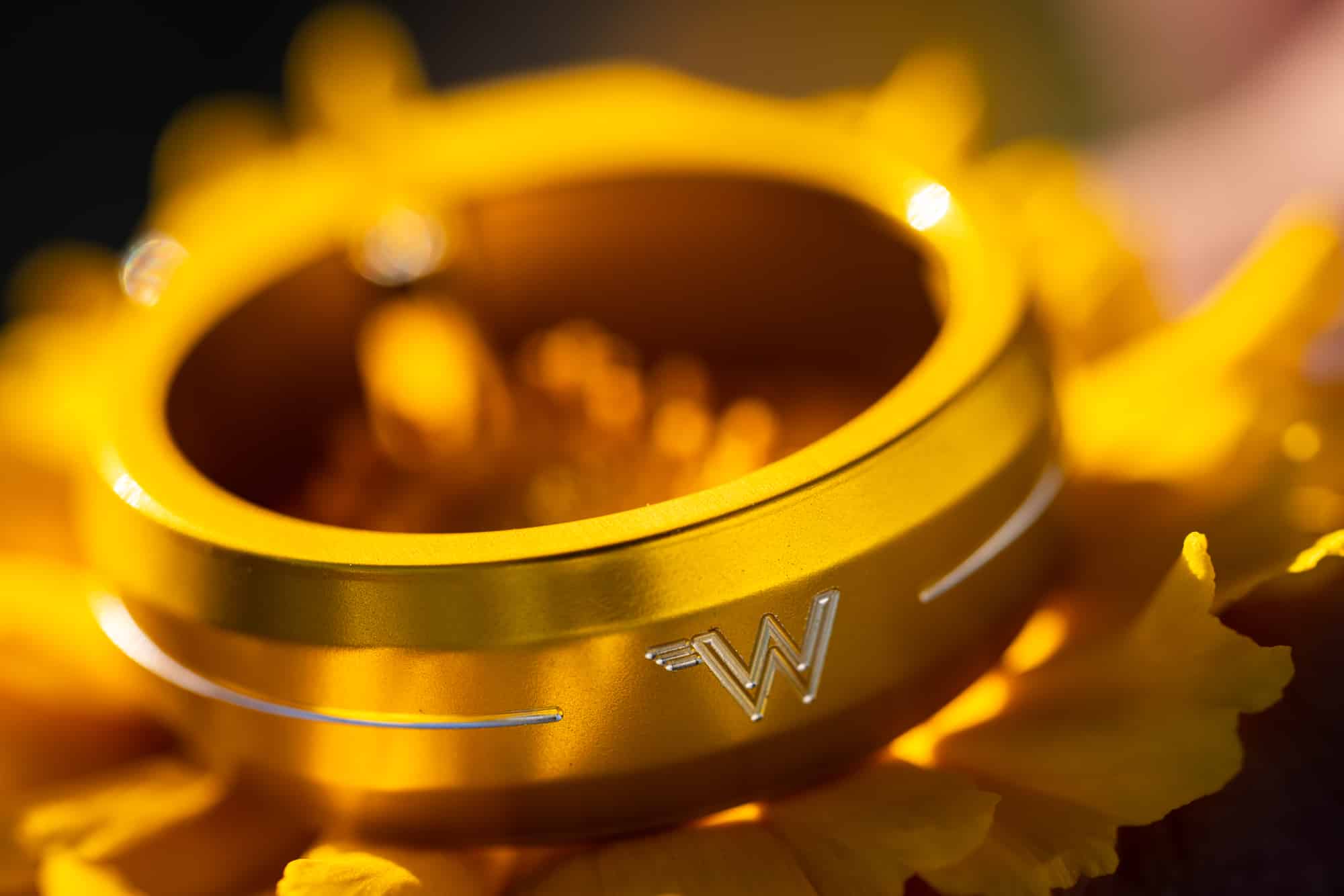
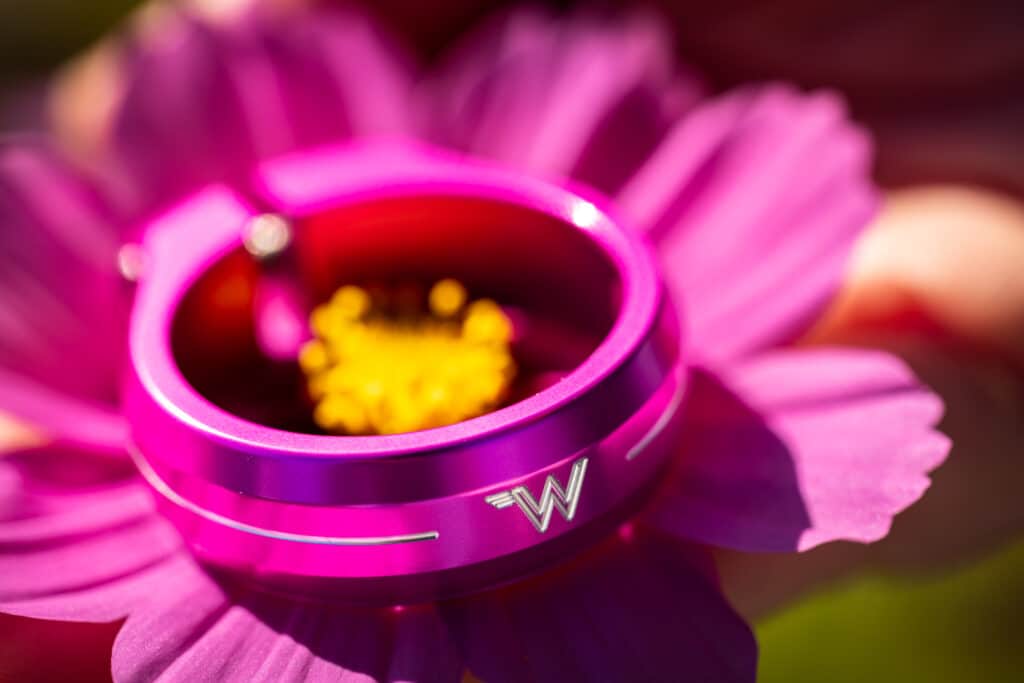
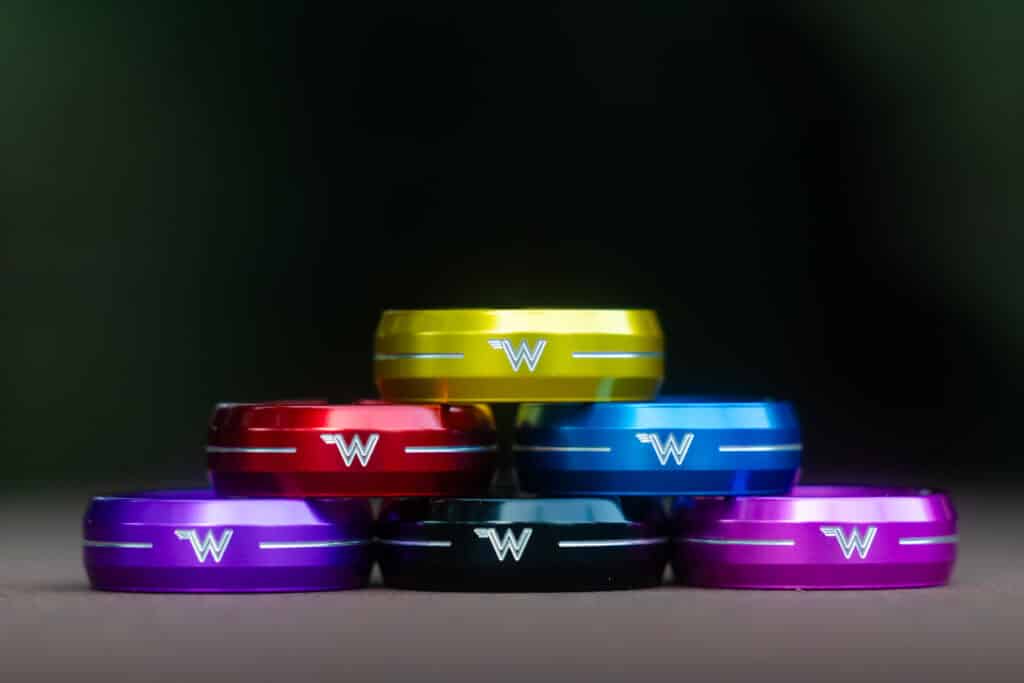
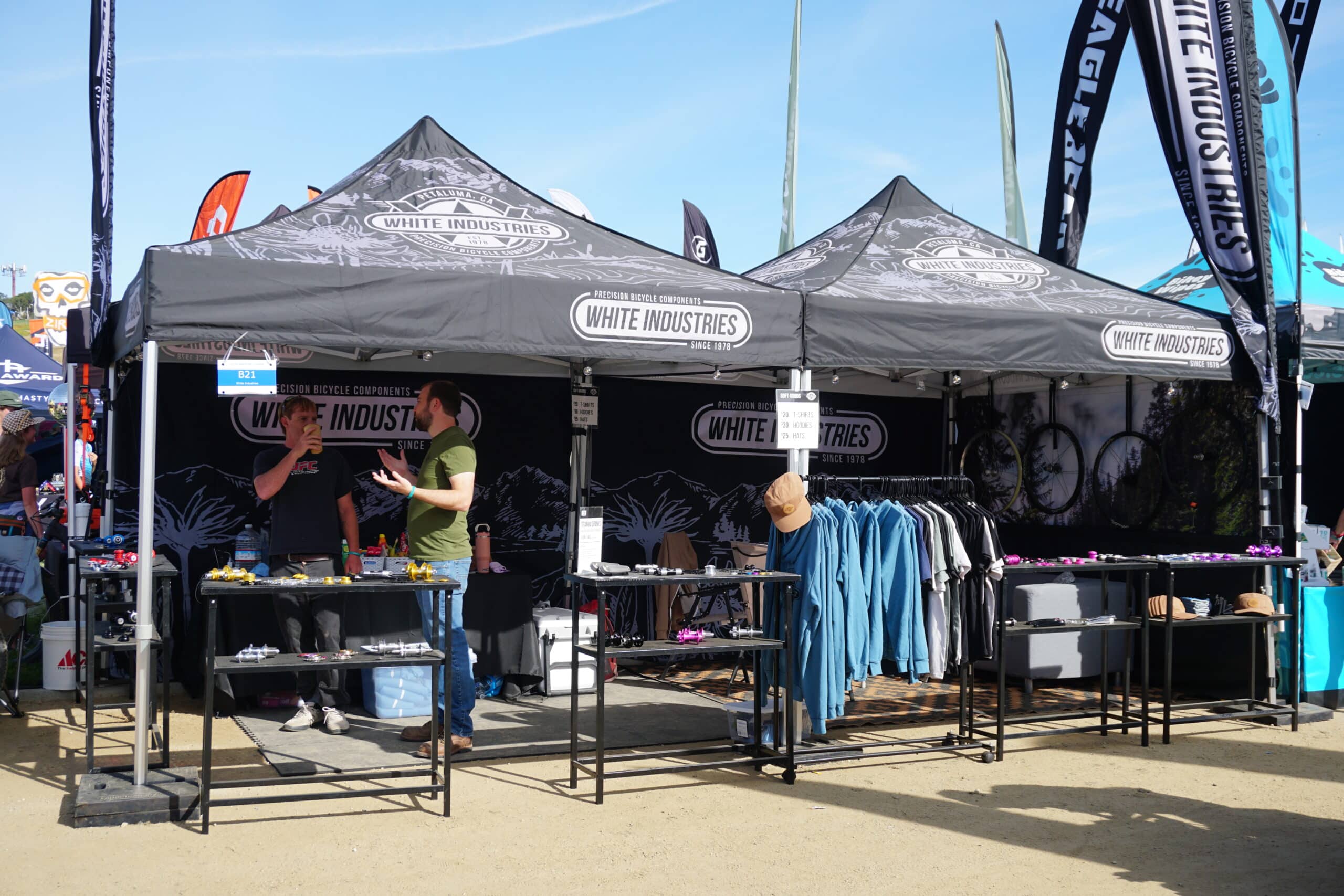
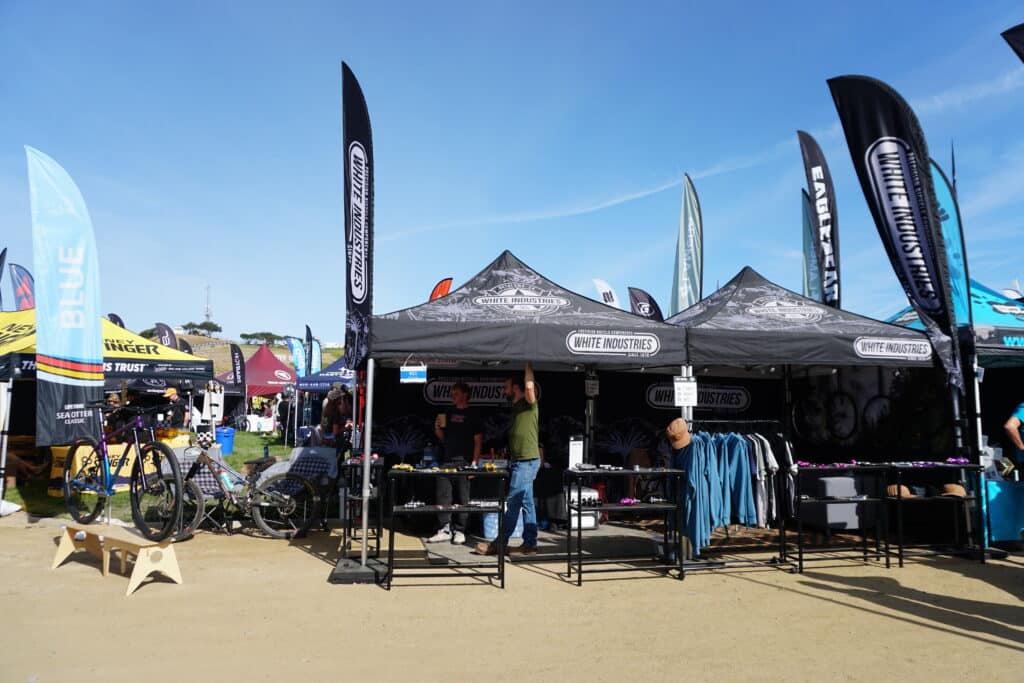
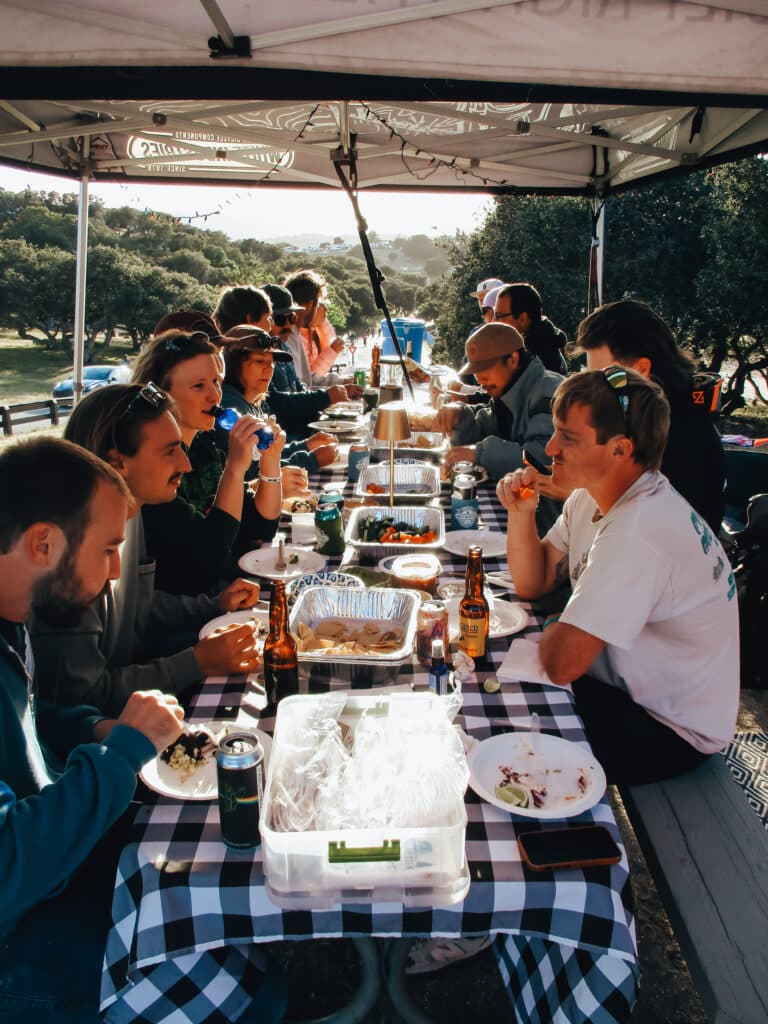
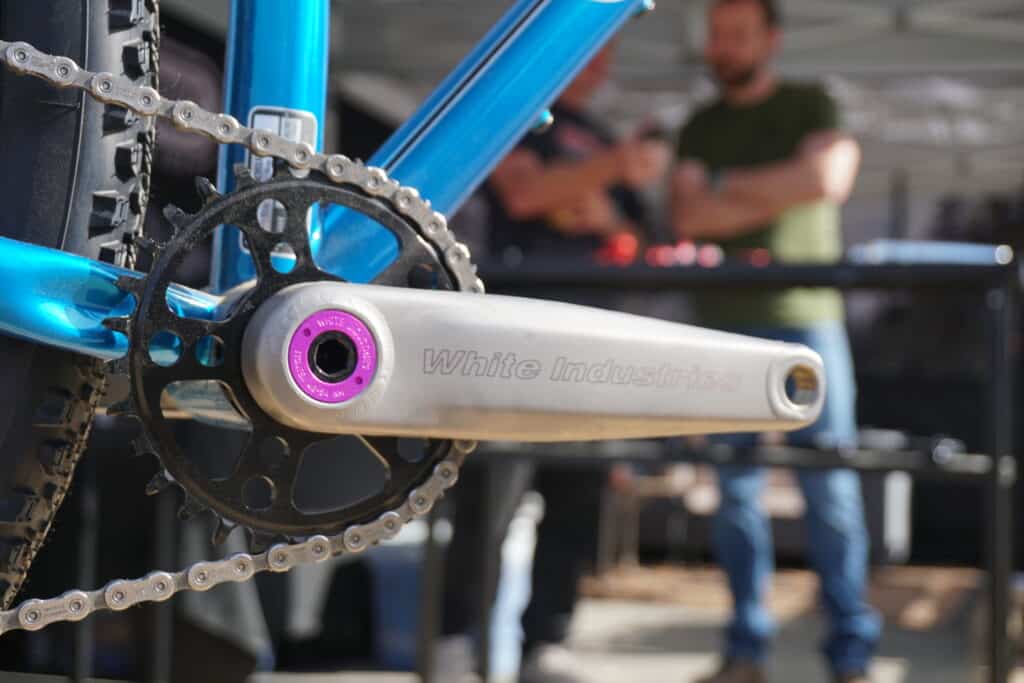
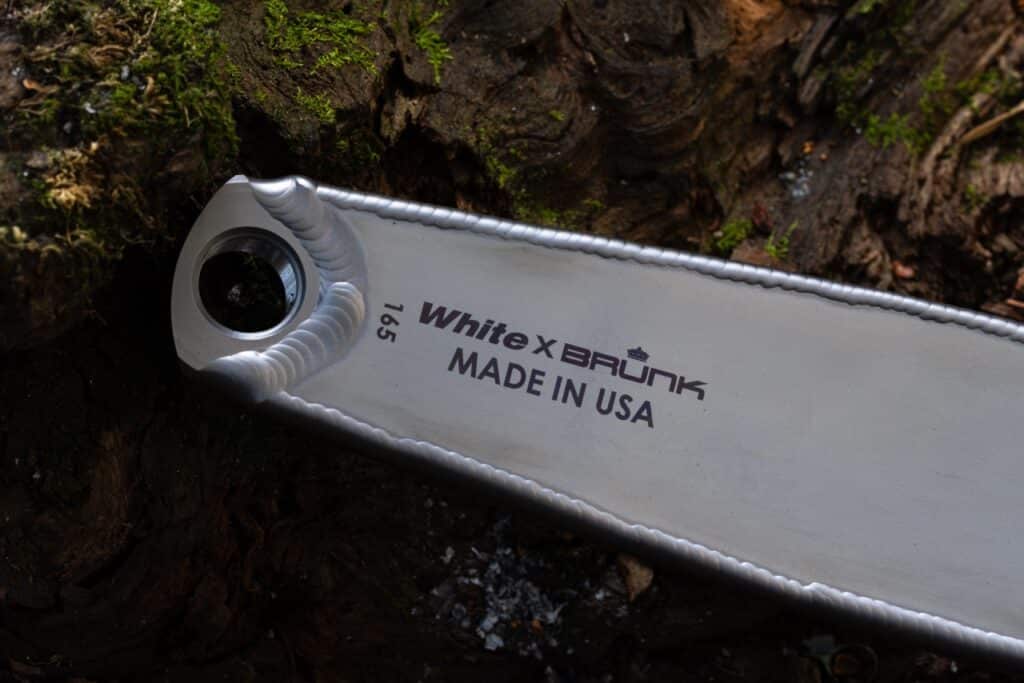
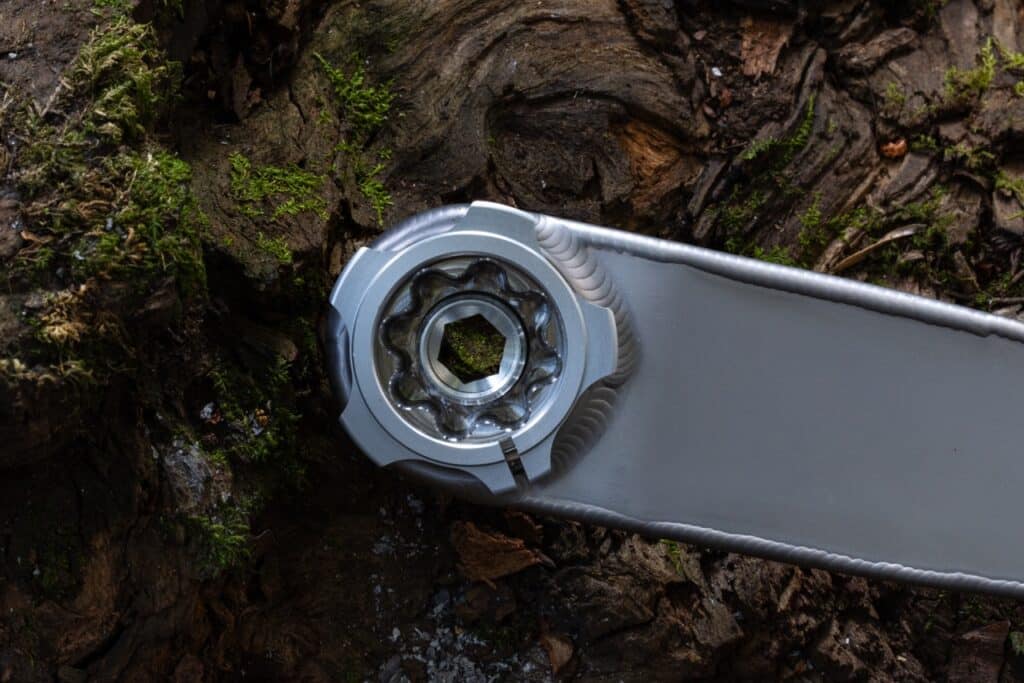
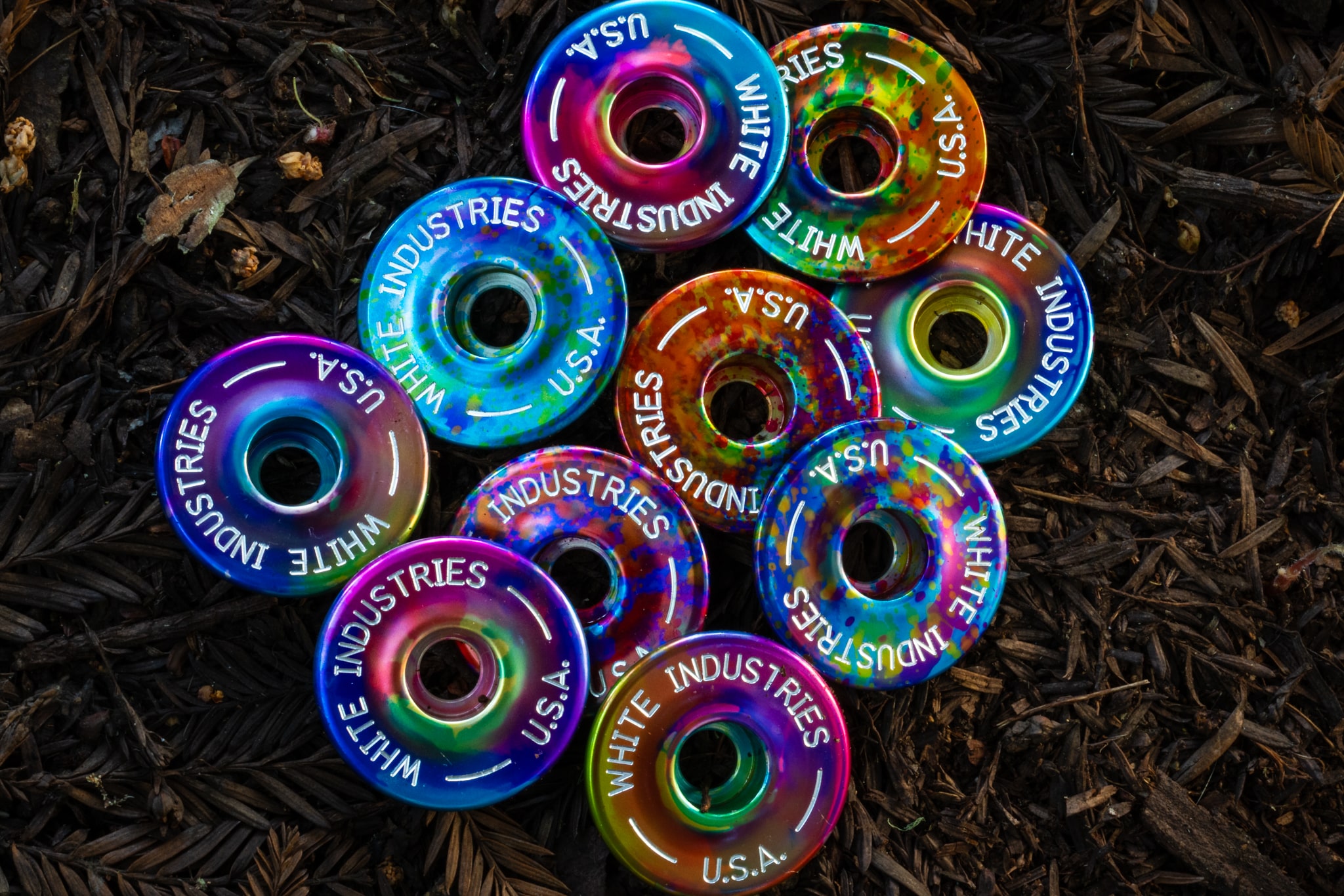
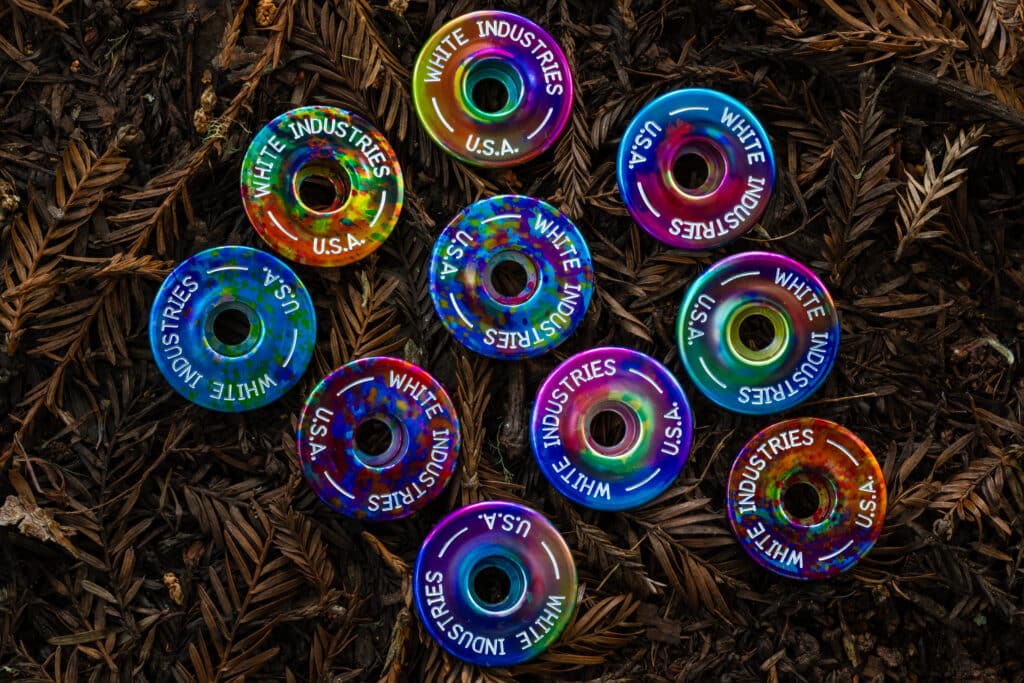
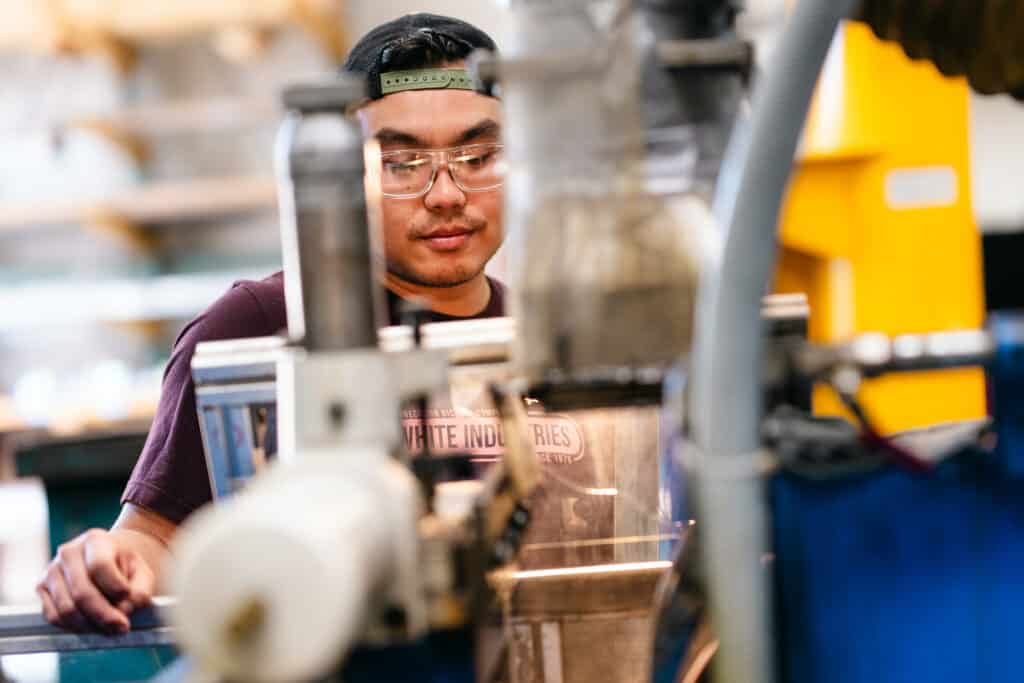
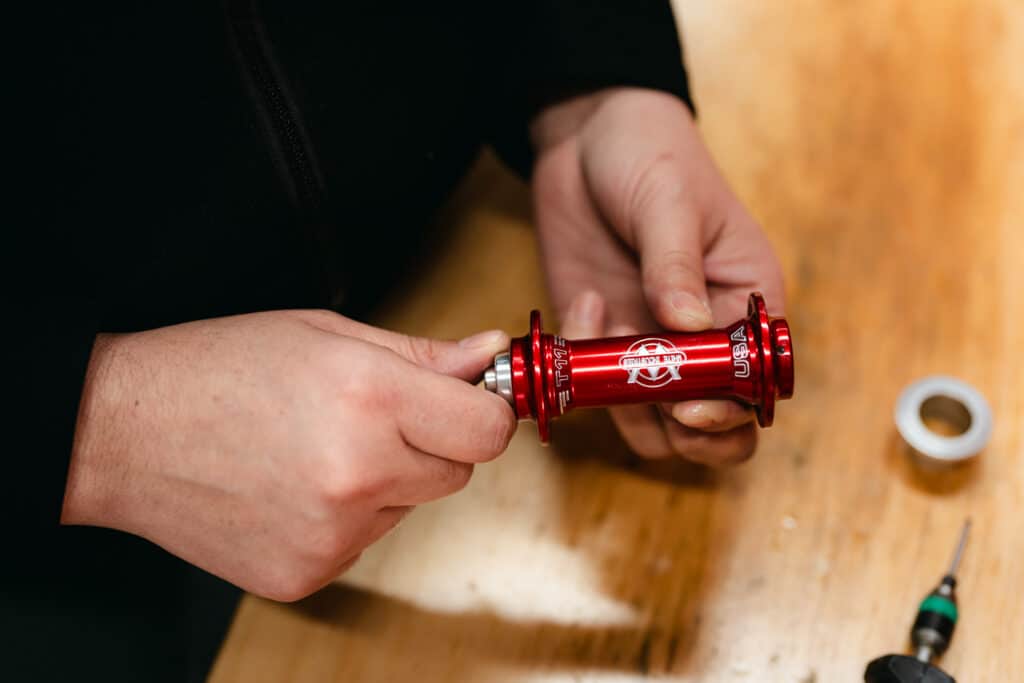
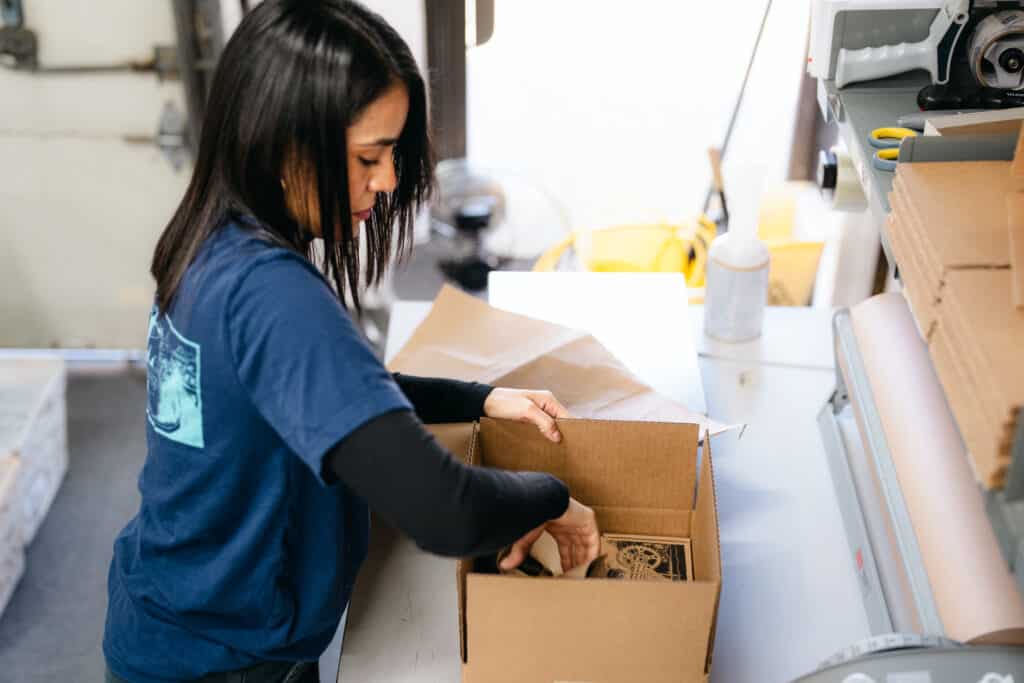
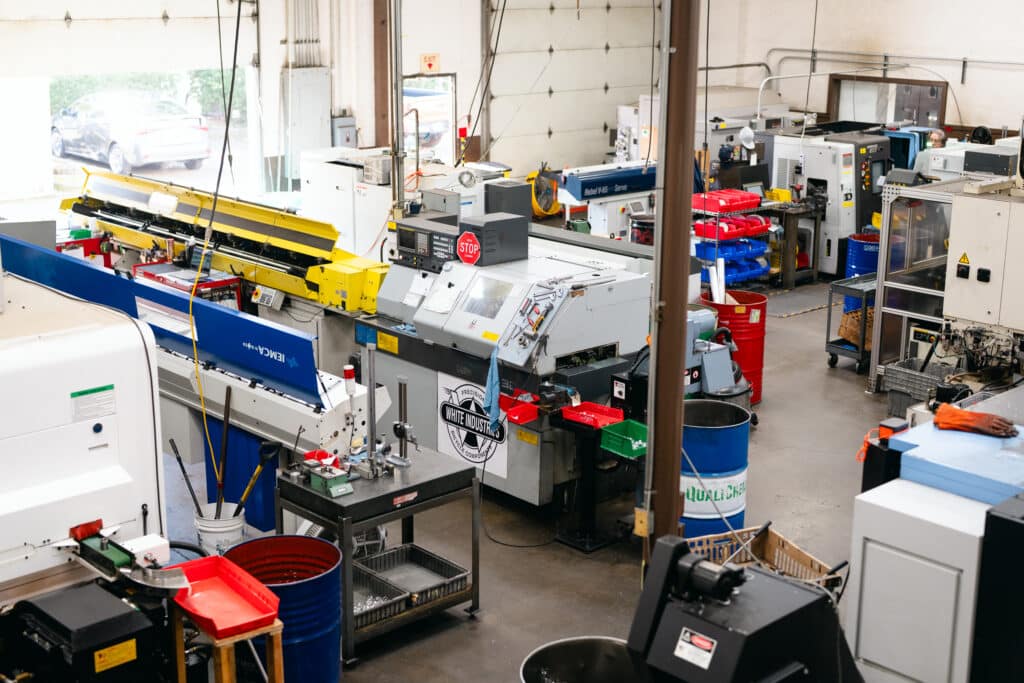
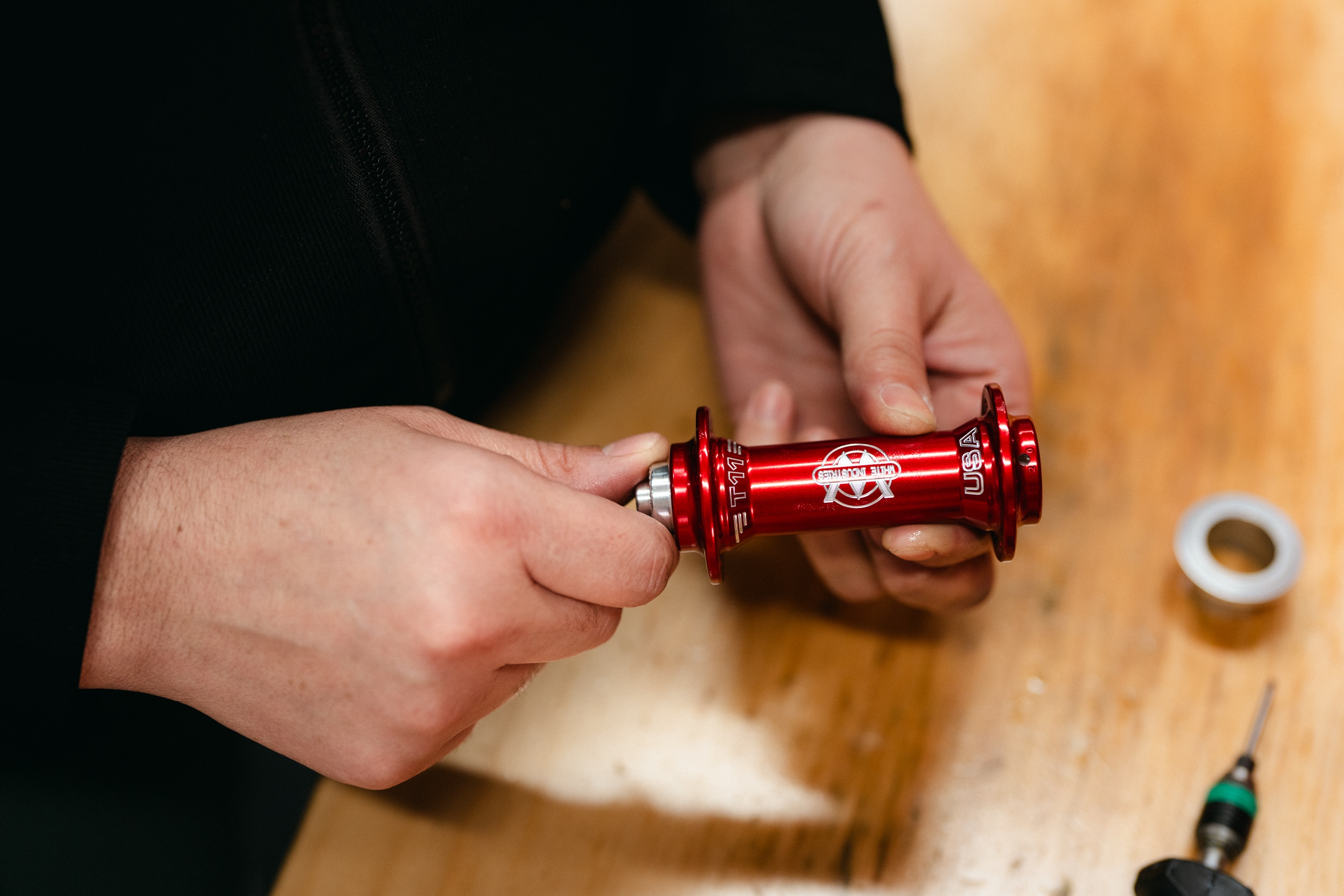
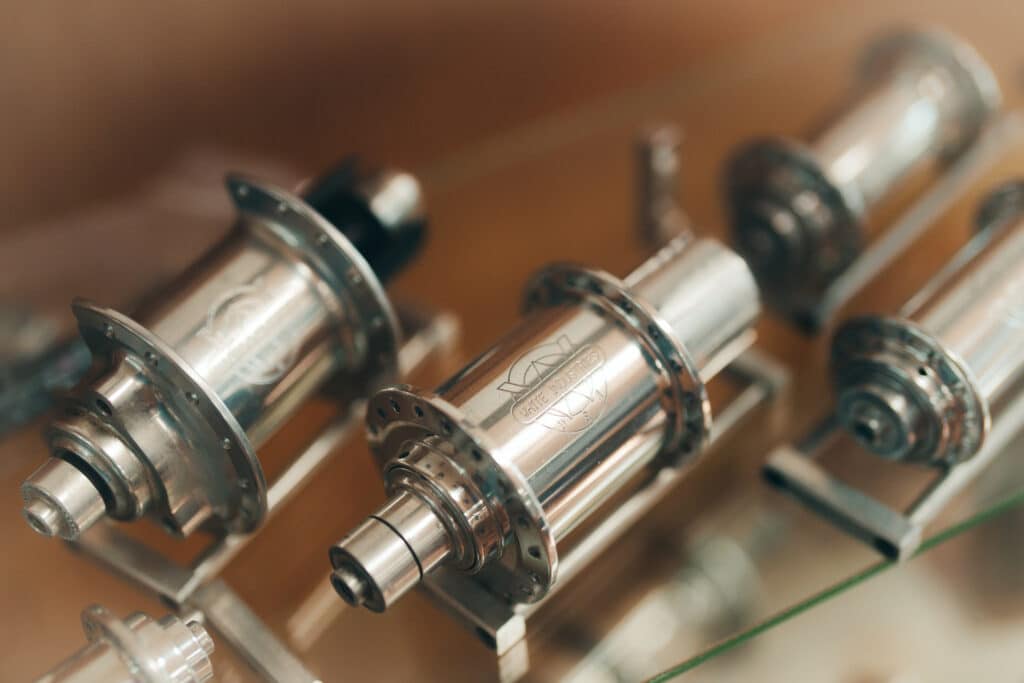
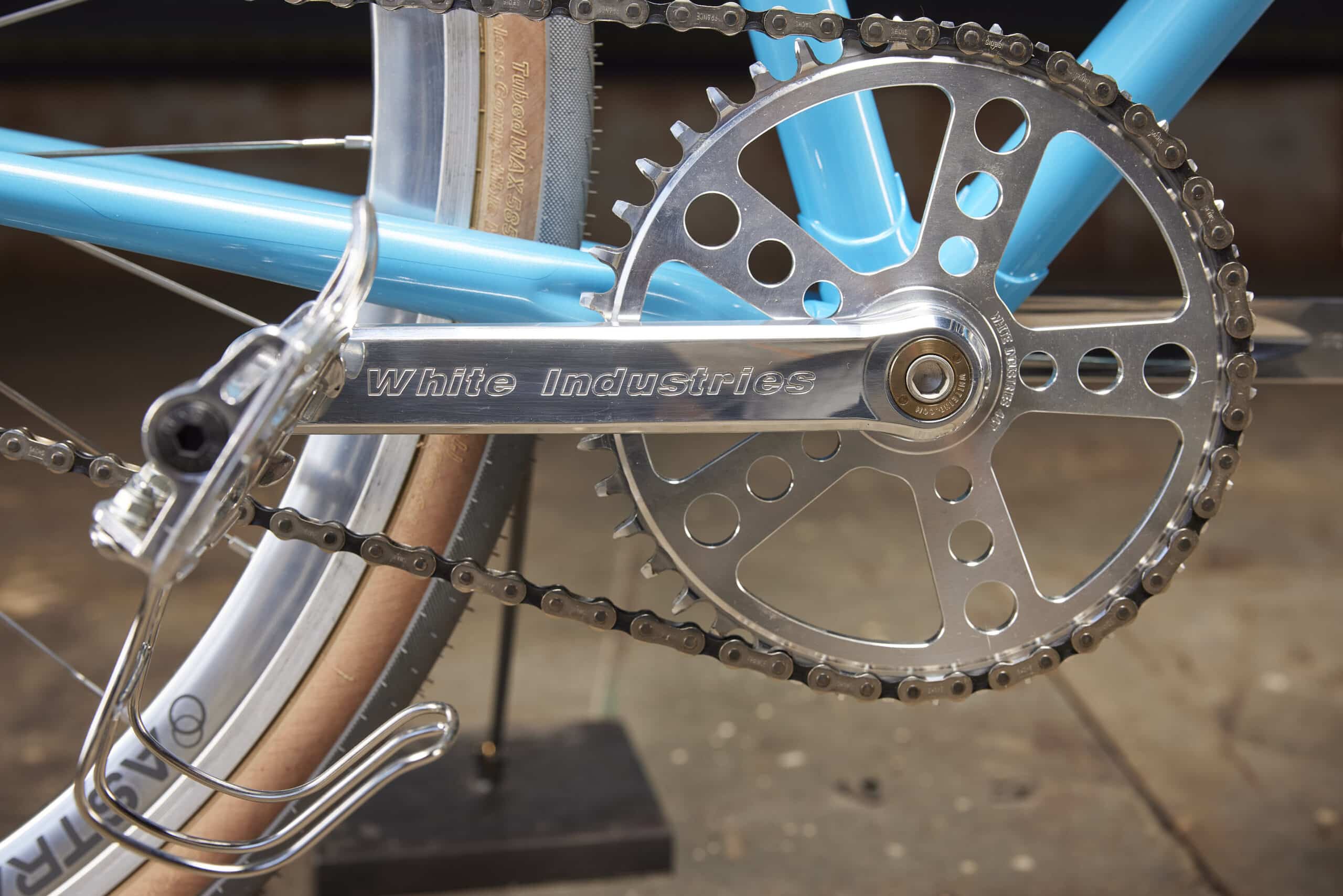
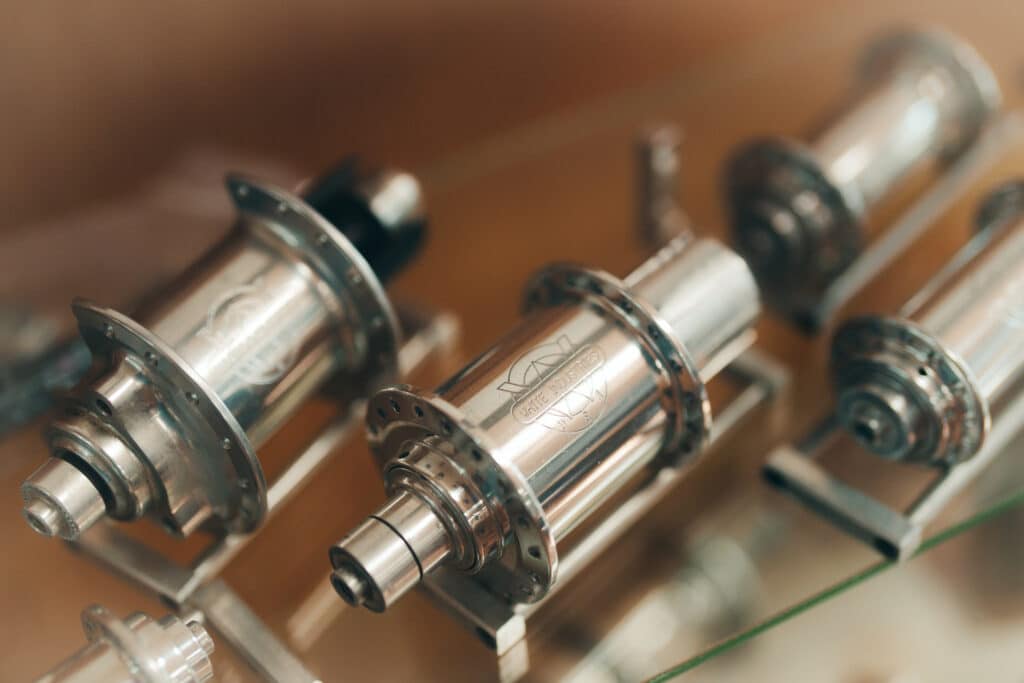
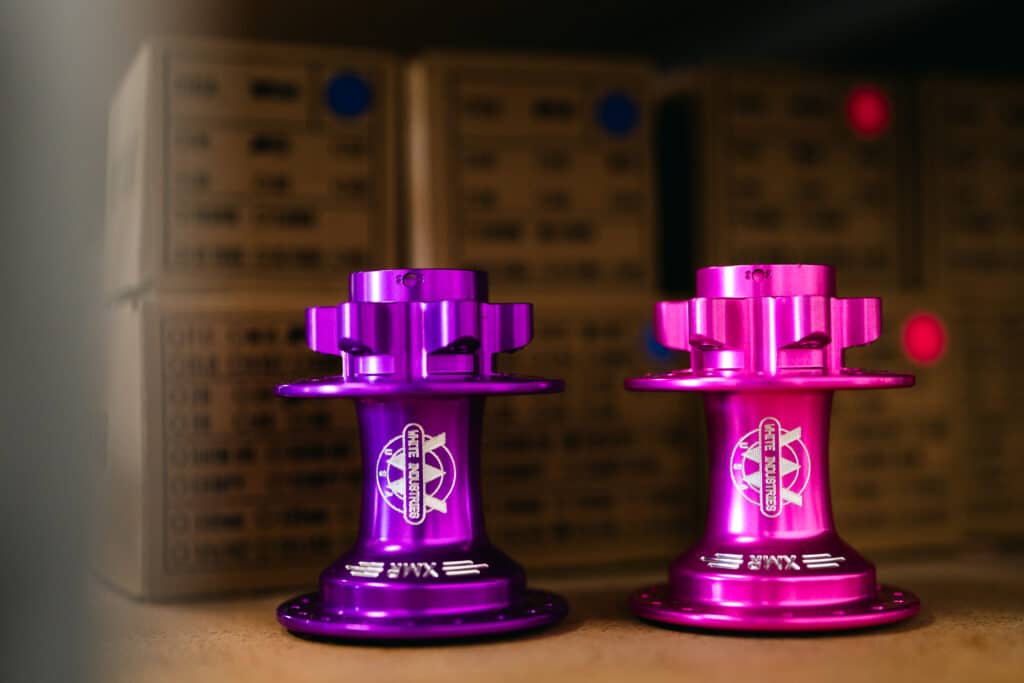
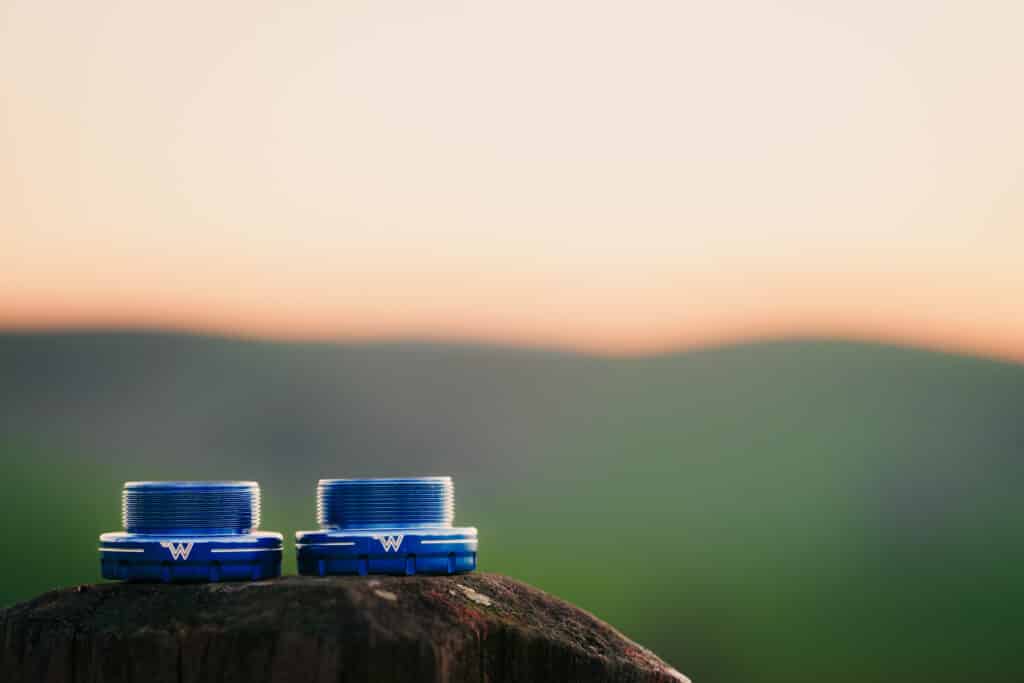
For the first time ever, BESPOKED is heading to Japan—and White Industries is joining them. We’re excited to be part of the inaugural BESPOKED Osaka and to bring a little Petaluma craftsmanship to Japan.
Japan has a deep cycling and manufacturing culture, with an incredible appreciation for craftsmanship, precision, and thoughtful design. Those values have always been at the heart of what we do, so this feels like a pretty special first for White Industries, too.
We’re looking forward to bringing our hubs, cranks, and components to Osaka and sharing the show floor with some of the incredible builders and makers who make the handmade cycling world so unique. More than anything, we’re excited for the conversations, the bikes, and the people we’ll meet along the way.
And, of course, we can’t head all the way to Japan without exploring a little. We’re looking forward to experiencing Osaka, eating some amazing food, soaking up the local cycling culture, and hopefully sharing a few kanpai! along the way.
BESPOKED Osaka October 23–25, 2026 GLION Museum, Osaka, Japan
A first for BESPOKED. A first for White Industries. And a pretty exciting new chapter for both.
Osaka, we’ll see you soon. Make sure to stop by and say hi to Alec and Doug White.
At White Industries, there’s no single path to becoming a machinist, designer, problem solver, or craftsman.
Sometimes it’s years of formal training. Sometimes it’s learning by doing. And sometimes it’s a little bit of everything.
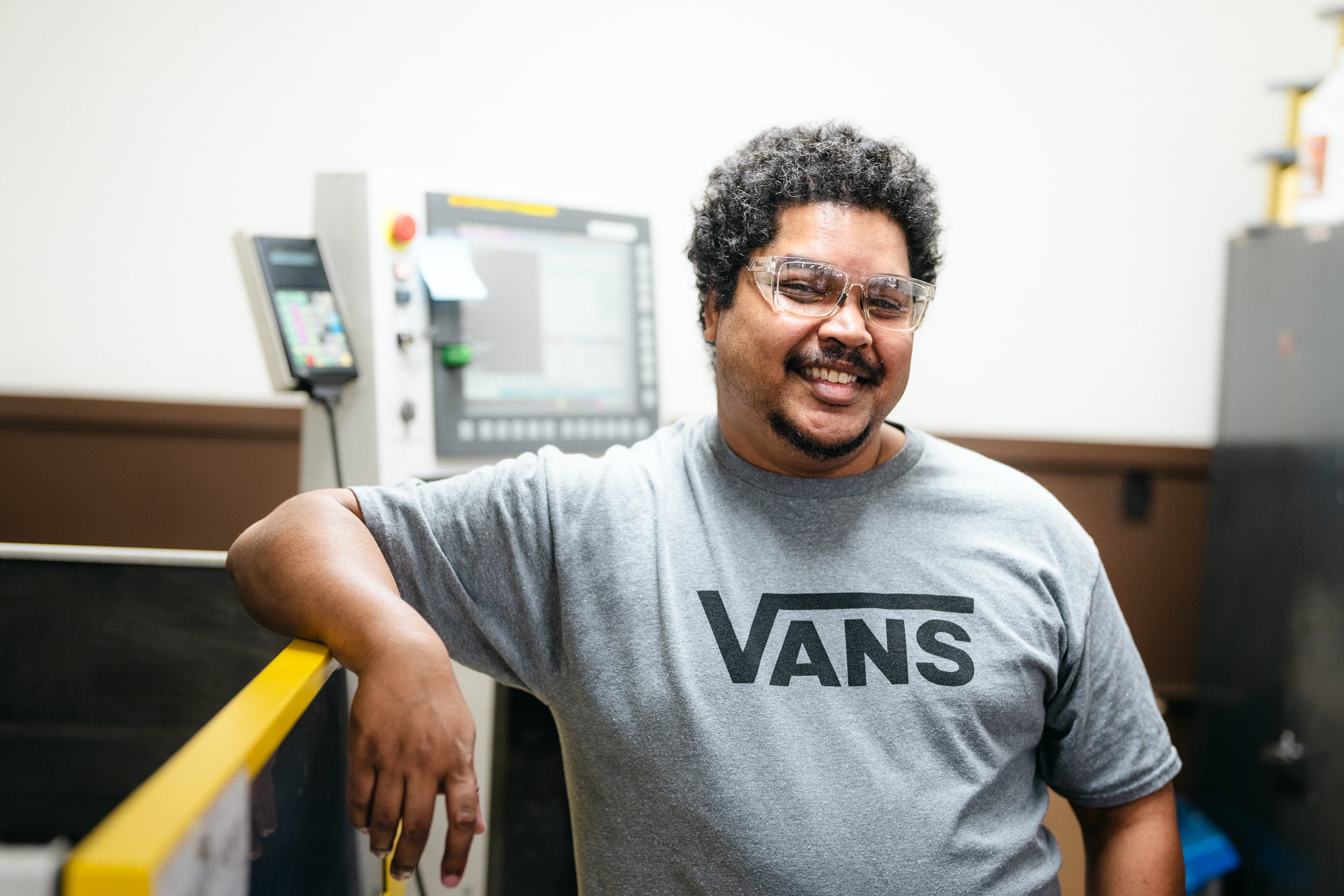
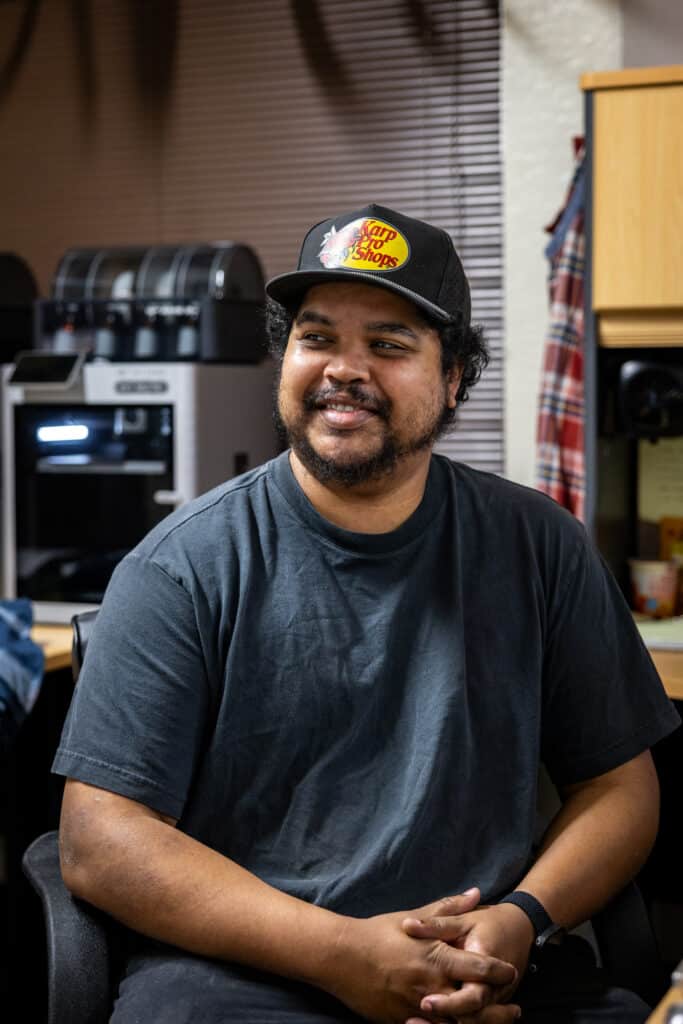
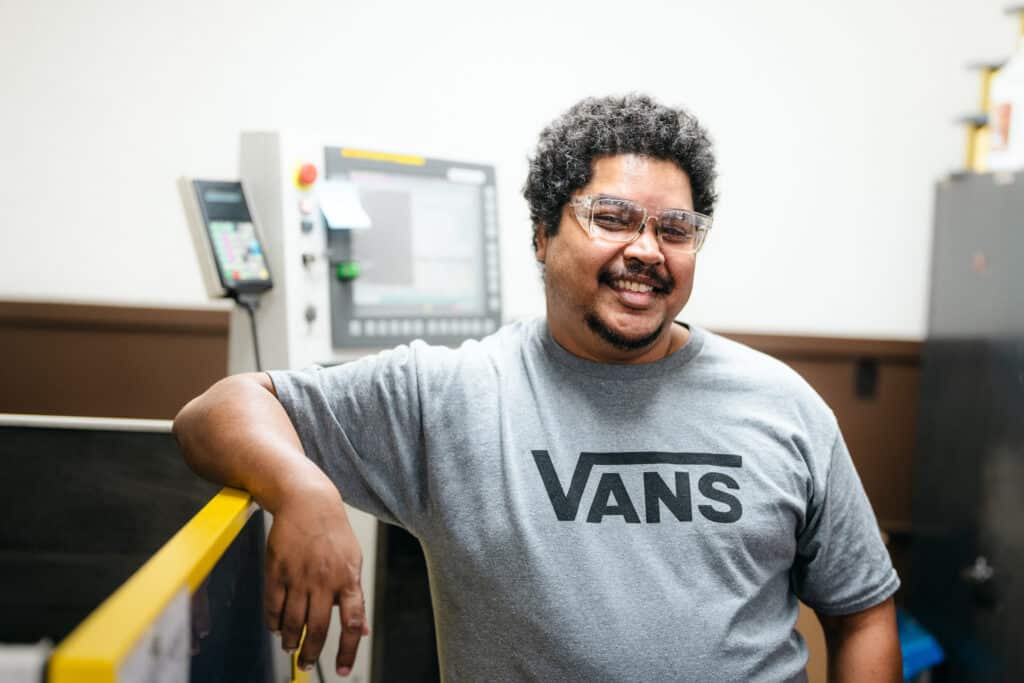
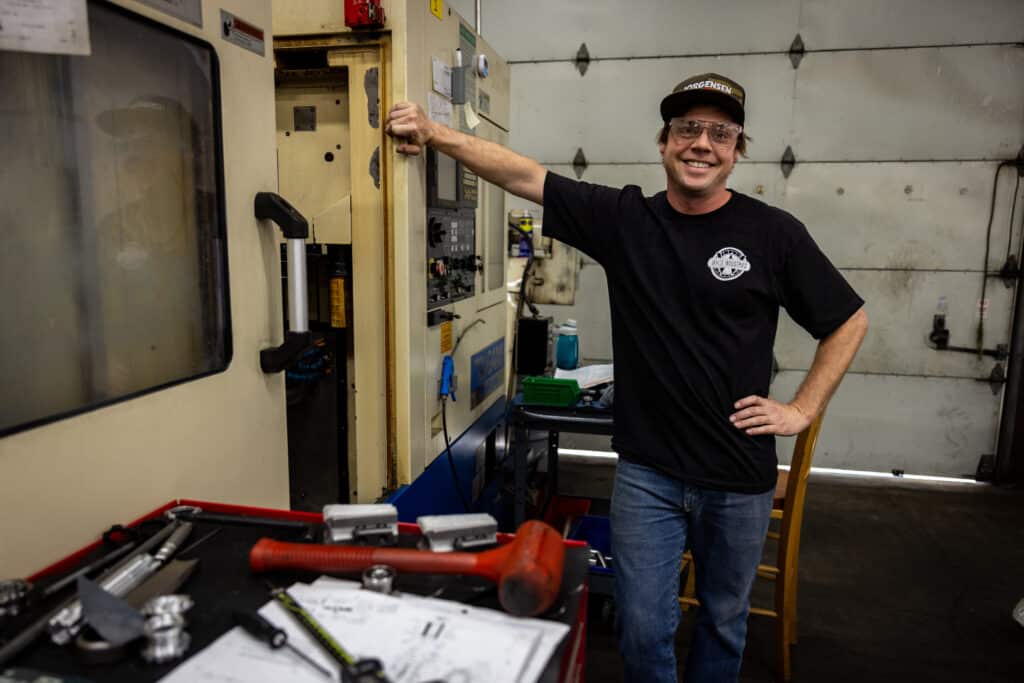
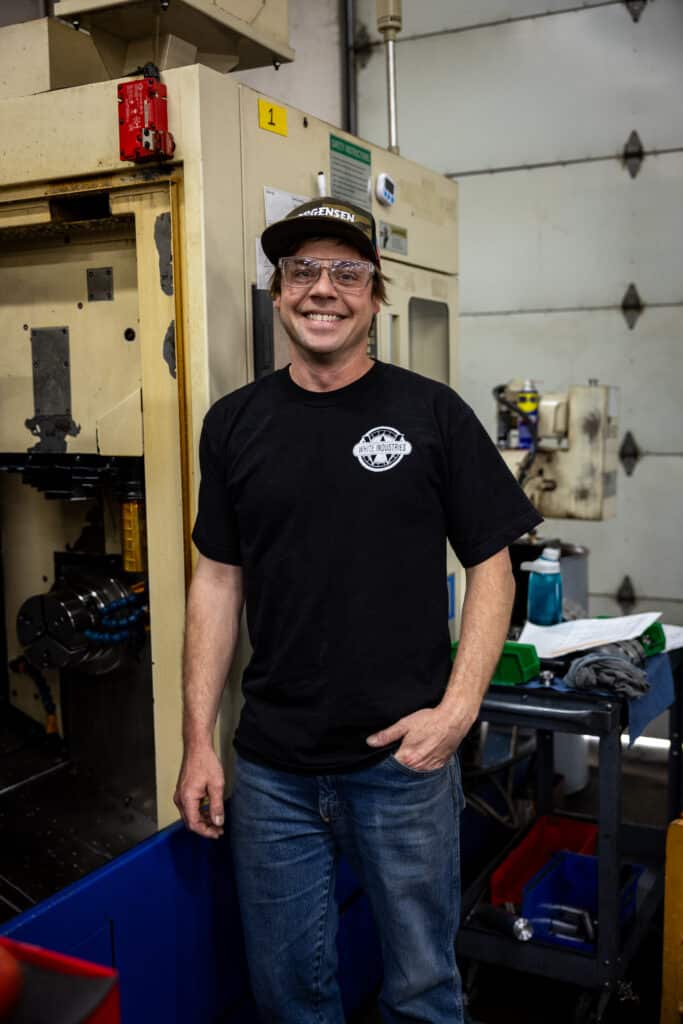
For RJ, it’s been five years of wearing a lot of hats, learning new skills, taking on new challenges, and figuring out just how much can be created when someone is given the opportunity to learn.
“Five years feels like 10 years with all the knowledge absorbed.”
It’s a joking answer, but it says a lot about the pace and variety of RJ’s role at White Industries. On any given day, he might be working on CAD designs, building prototypes, fabricating parts, solving production issues, performing quality control, or assembling components.
He’s become something of a one-man band—and that’s exactly the way he likes it.
From a Blank Screen to a Finished Part
One of the most rewarding parts of RJ’s job is the process of turning an idea into something tangible.
It can start with nothing more than a blank screen.
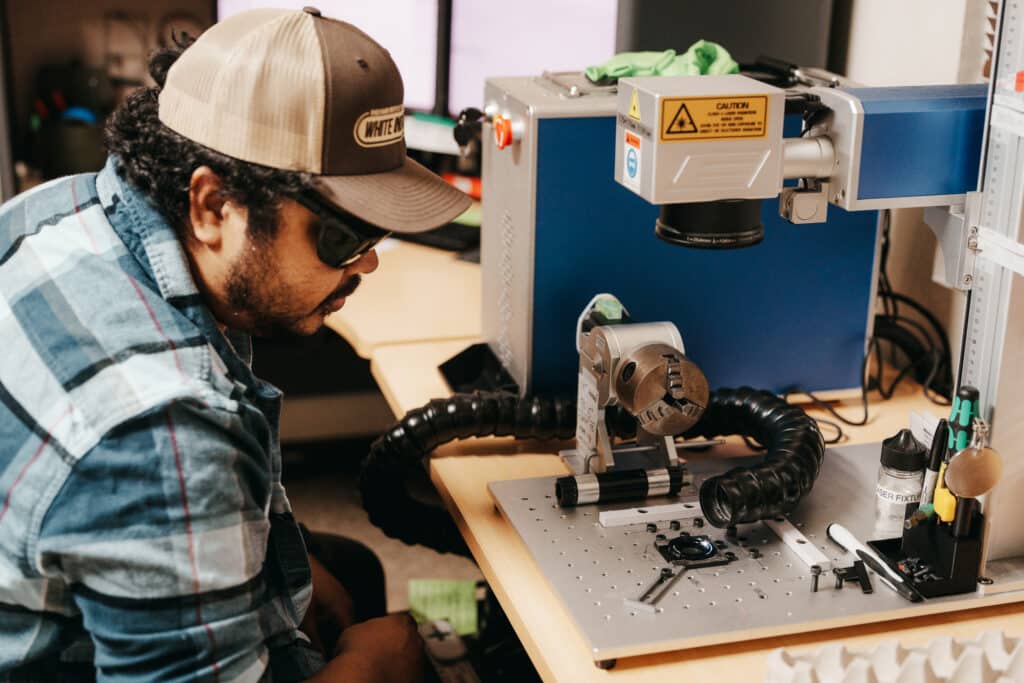
Using CAD and a 3D printer, RJ can take an idea and begin shaping it digitally. From there, the concept moves from the computer to the shop floor, where it becomes a physical part.
“It’s starting with a blank screen and then you take it to the shop and they make it.”
That transition—from an idea that exists only in your head to something you can actually hold—is one of the most satisfying aspects of manufacturing.
RJ taught himself CAD and has continued to develop those skills through hands-on experience and mentorship at White Industries. It’s a great example of what can happen when curiosity meets opportunity.
Learning by Doing
RJ’s role has evolved significantly since he first joined White Industries.
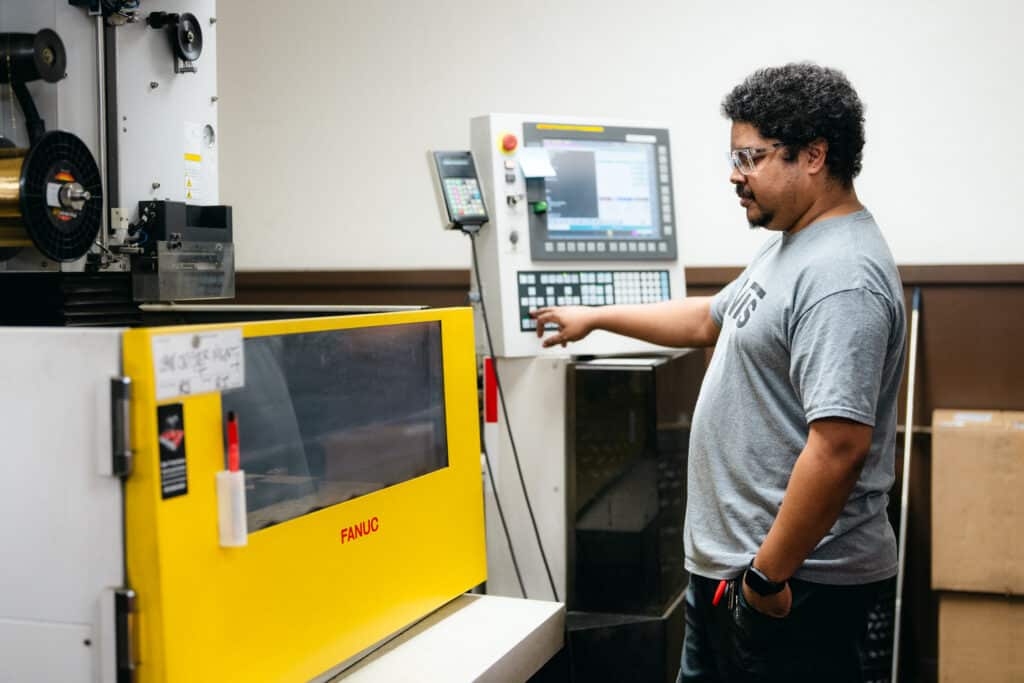
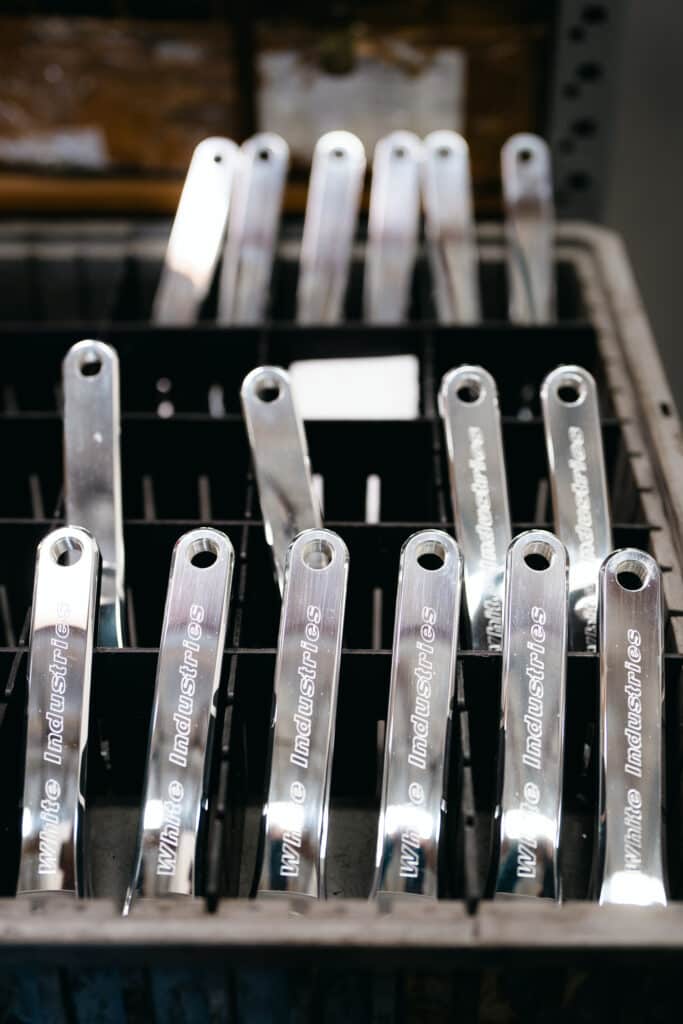
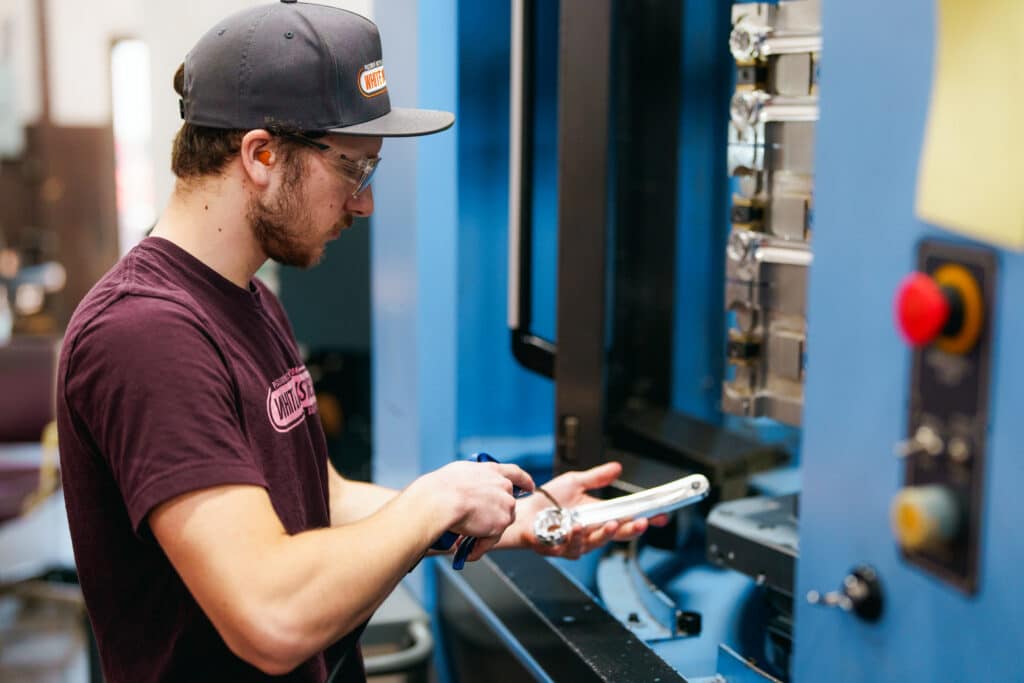
He’s worked on everything from running the grinder for spindles and axles to deburring headset parts and working on pawls for drivers. Today, he spends a significant amount of time on the Wire EDM machine, a piece of equipment that has become one of his favorite machines in the shop.
And for good reason.
The precision of the Wire EDM is remarkable. The machine can make incredibly accurate cuts, turning a digital design into an exact physical component.
RJ has become capable of running the machine independently, with some programming help from Doug White. It was also his first CNC machine, making the accomplishment that much more meaningful.
For someone who enjoys figuring out how things work, it’s the perfect tool.
“The Wire Machine—because I run it. It’s so crazy how accurate it is.”
The Magic of Subtractive Manufacturing
One of the things RJ wishes more riders understood is just how much happens between a piece of raw material and the component that eventually ends up on their bike.
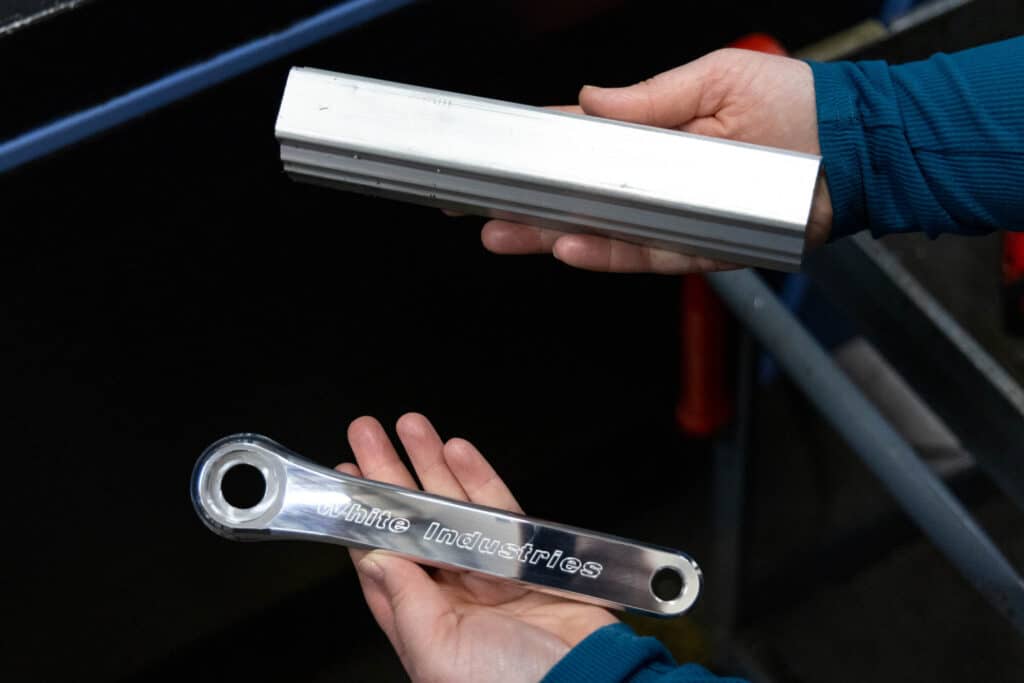
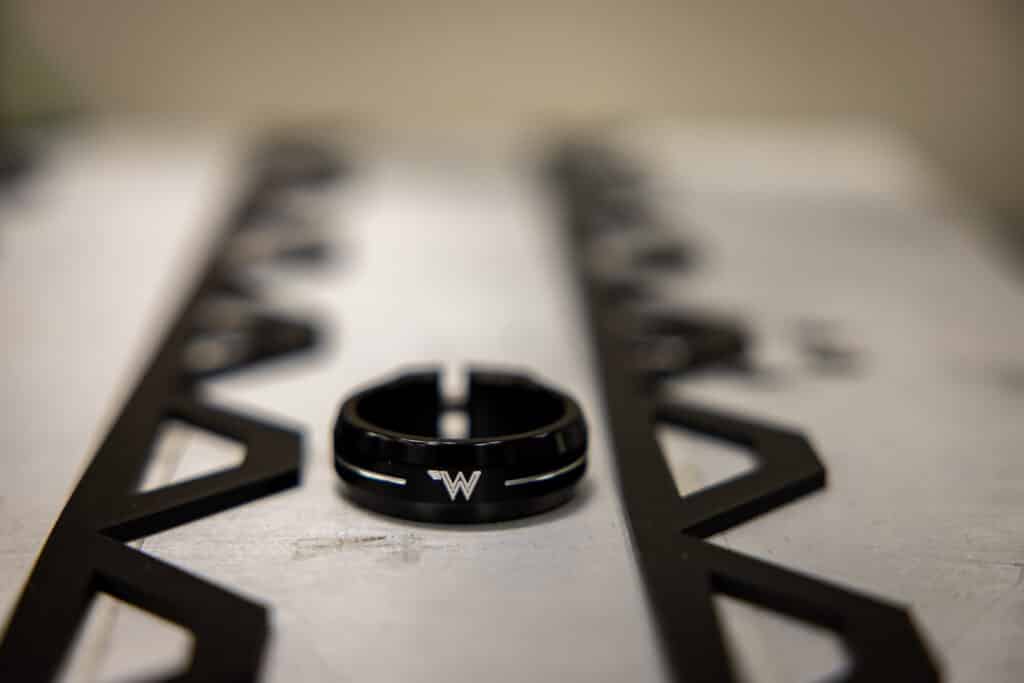
Take a seat collar.
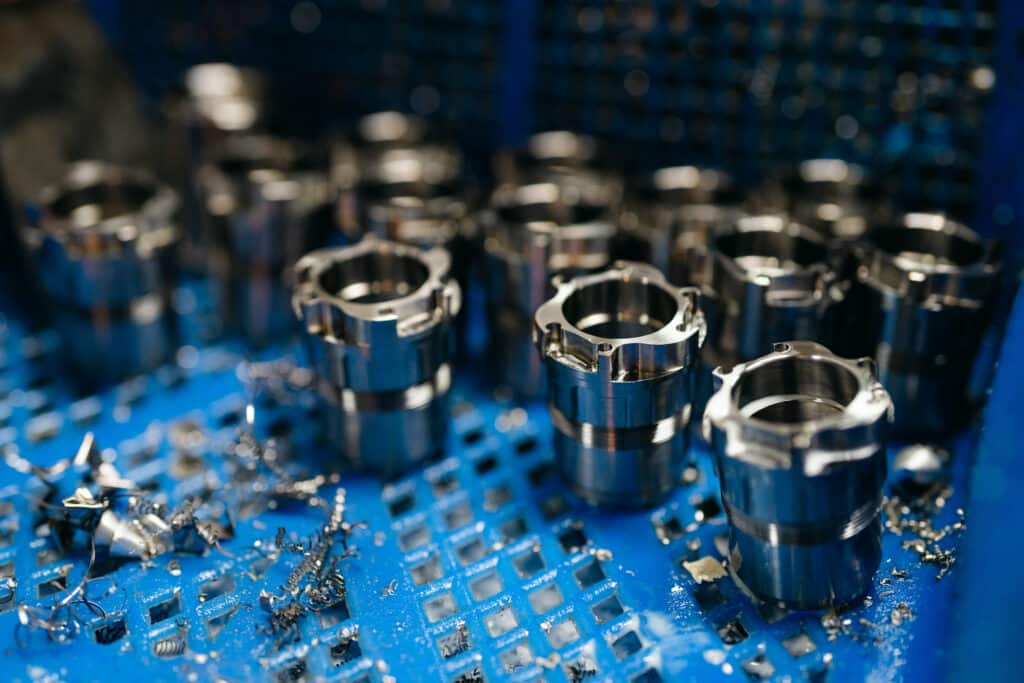
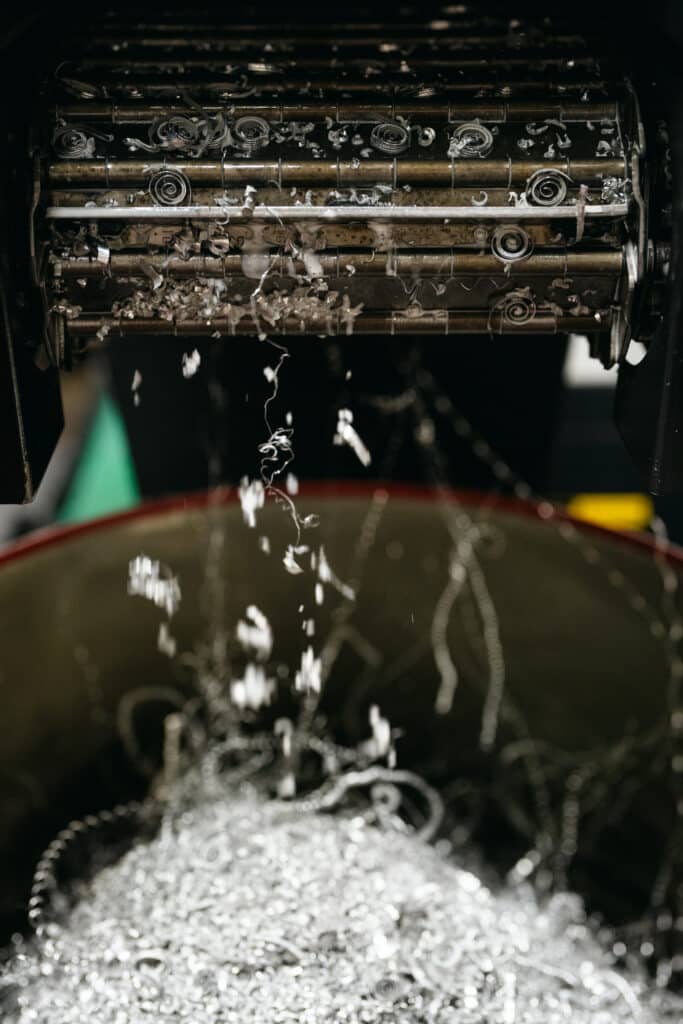
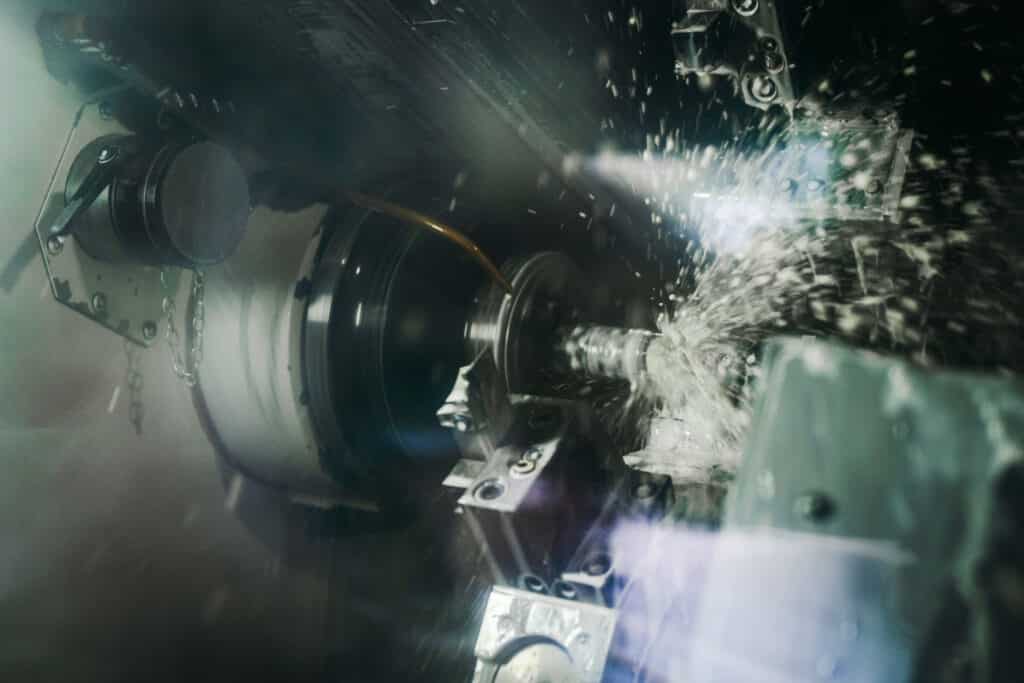
It might look simple, but the process starts with a piece of rectangular aluminum stock. Material is progressively removed through a series of machining operations until that block becomes the finished component.
It’s a process known as subtractive manufacturing.
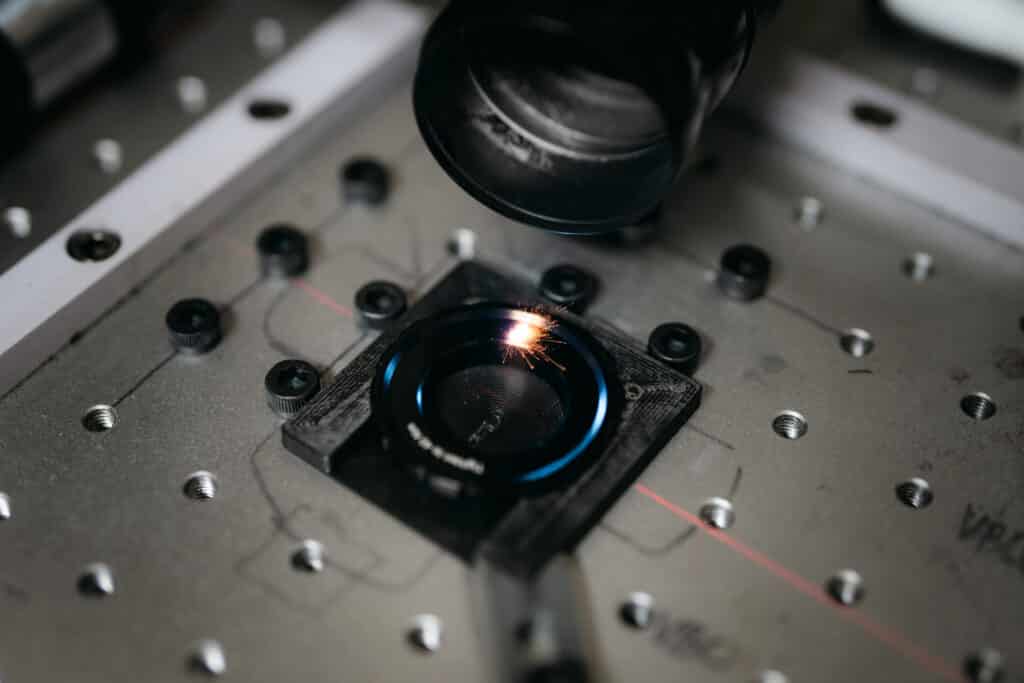
What starts as a simple piece of raw material is transformed through precision machining, finishing, deburring, inspection, and assembly.
For RJ, that’s part of what makes manufacturing so interesting. You’re not simply putting pieces together—you’re starting with something basic and revealing the final product through a carefully controlled process.
A Favorite Part of the Job
Ask RJ which White Industries products he thinks are particularly cool, and two immediately come to mind: chainrings and hubs.
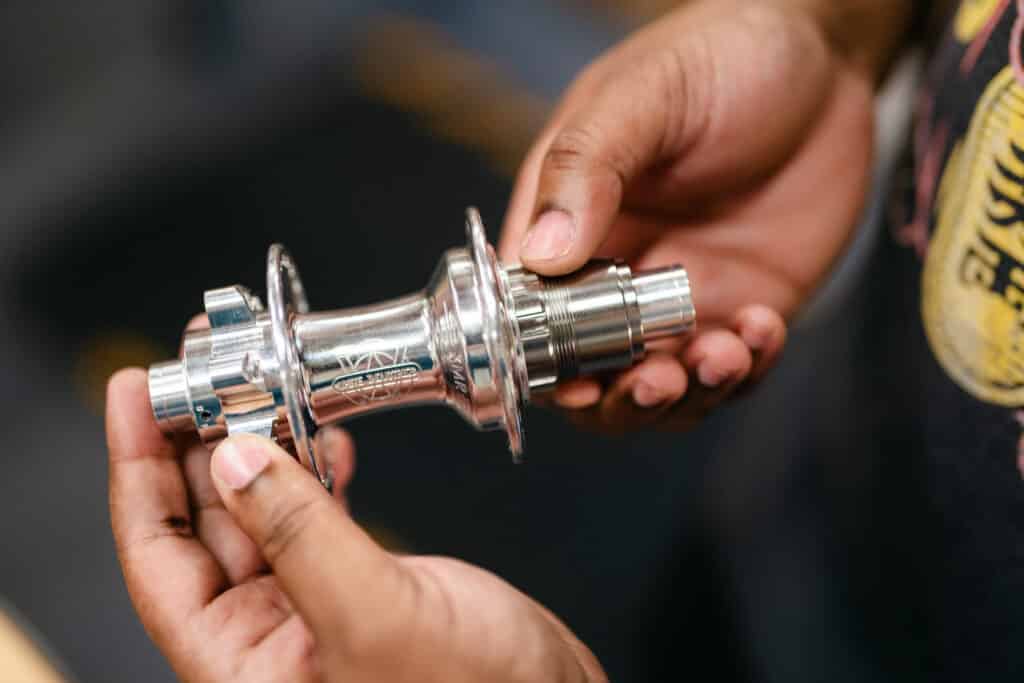
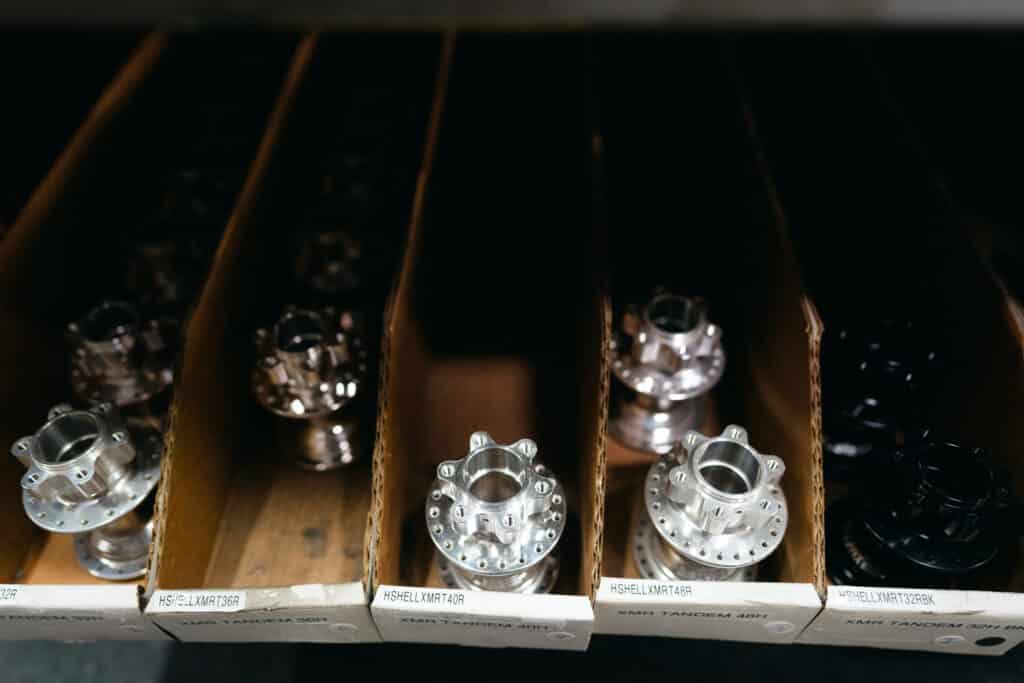
Chainrings appeal to him because of their straightforward assembly and elegant functionality. Hubs, on the other hand, are fascinating because of the complexity hidden inside their relatively compact form.
There’s something satisfying about seeing all those individual pieces come together and knowing exactly how they work as a system.
It’s a perspective that comes naturally to someone who spends his days working behind the scenes.
Mentorship Makes a Difference
Perhaps the most meaningful part of RJ’s White Industries story isn’t about a particular machine or product.
It’s about the people who have helped him grow.
Since joining the company, RJ has been given opportunities to learn new skills, experiment with new technology, and develop his creativity. He specifically credits Alec with taking him under his wing, teaching him how to approach new challenges, and giving him the space to figure things out while making sure he learned how to do things correctly.
That balance matters.
There’s room to experiment, but there’s also a deep respect for doing things properly.
It’s a reflection of the broader White Industries philosophy: pass knowledge down, give people room to grow, and take pride in developing the next generation of manufacturing talent.
For RJ, that has meant learning CAD, exploring 3D printing, developing his machining skills, and taking ownership of increasingly complex projects.
The Person Behind the Machine
When RJ isn’t at White Industries, his interests are just as varied.
He spends time playing video games, working with wood, making music, and, in the past, DJing.
These creative outlets seem fitting for someone who spends his workdays moving between digital design, machinery, fabrication, and problem solving.
And while he used to spend more time riding bikes, these days you’ll apparently have a better chance of finding him playing Pokémon Go.
Different kind of adventure. Same spirit of exploration.
More Taco Lunches
When asked if there’s anything else he’d like to add, RJ kept it simple:
“More taco lunches.”
We’ll see what we can do.
Because ultimately, that’s what makes White Industries special. It’s not just the machines, the parts, or the finished products. It’s the people who come together every day to learn, solve problems, make things, and occasionally share a taco lunch.
RJ’s five years at White Industries are a great example of what happens when someone is given the tools, mentorship, and freedom to grow.
From raw material to finished component. From a blank CAD screen to a physical prototype. From learning his first CNC machine to running the Wire EDM.
He’s still learning, still building, and still finding new ways to make things better.
And that’s exactly what being part of the White Industries family is all about.
One Hub. Plenty of Drivers: The White Industries Freehub Lineup
Modern drivetrains come with a lot of standards. Luckily, we make a lot of drivers.
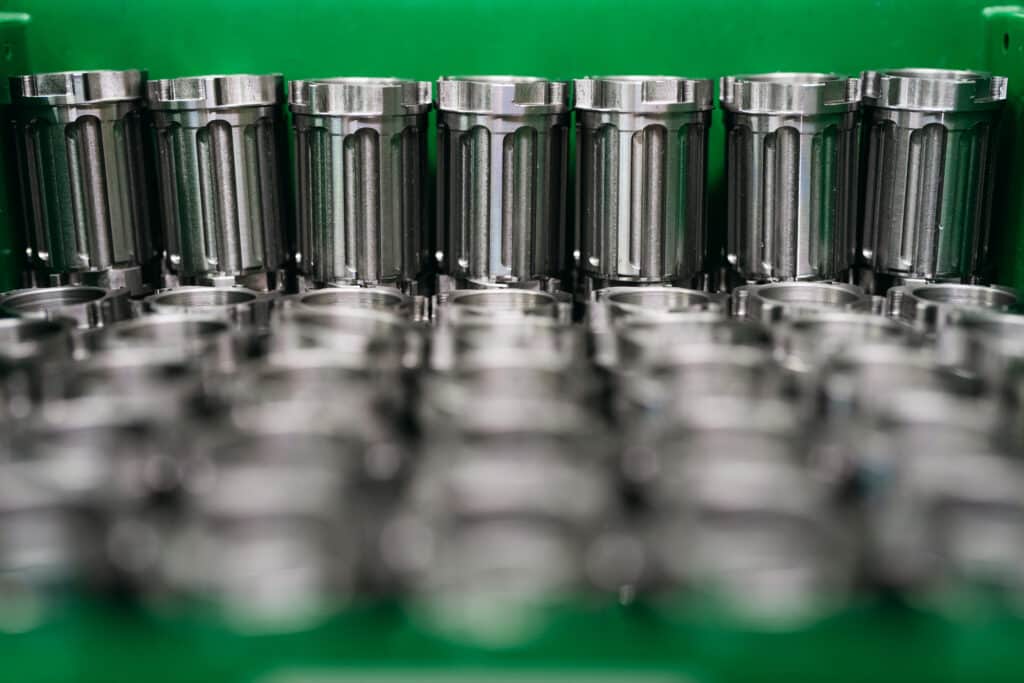
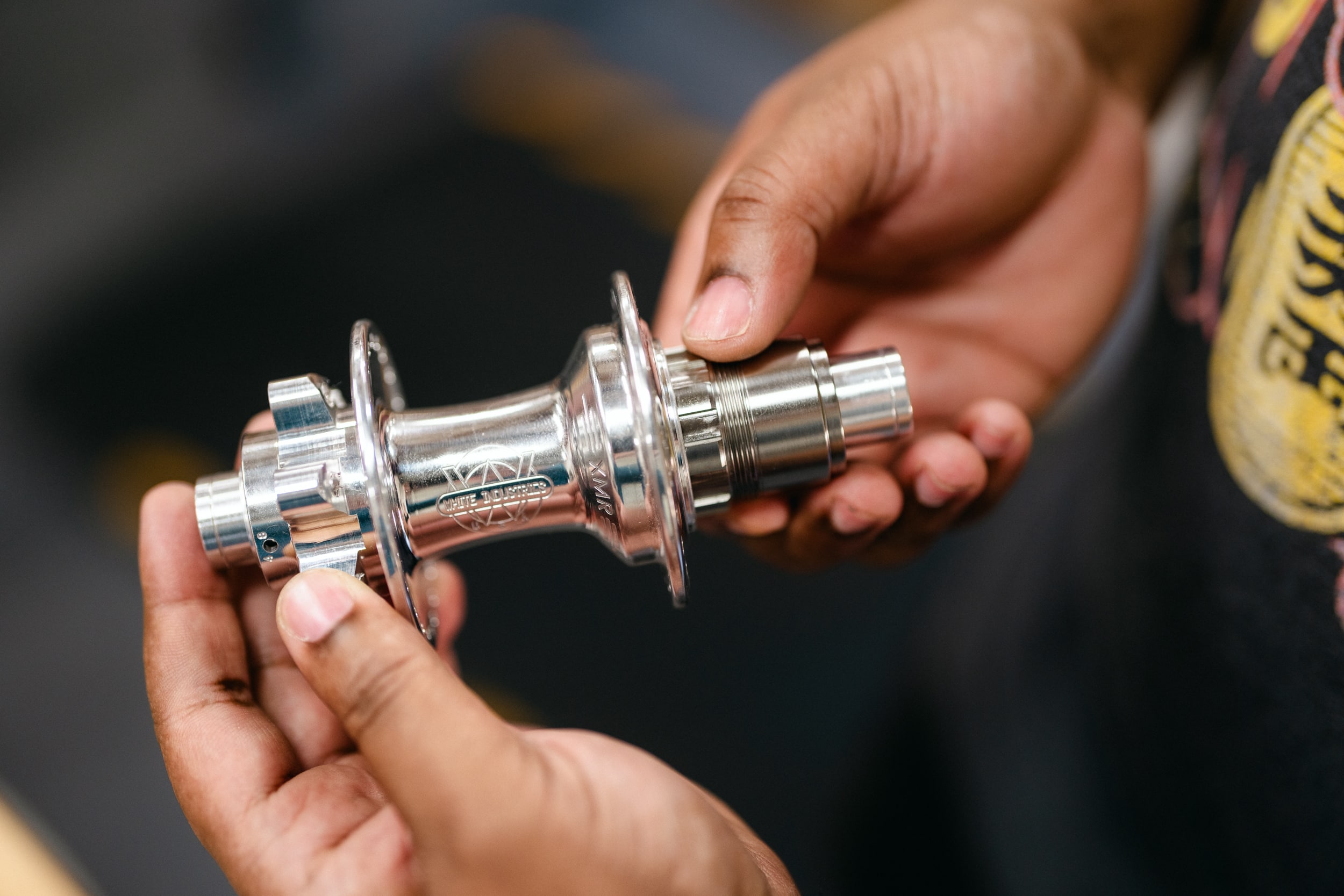
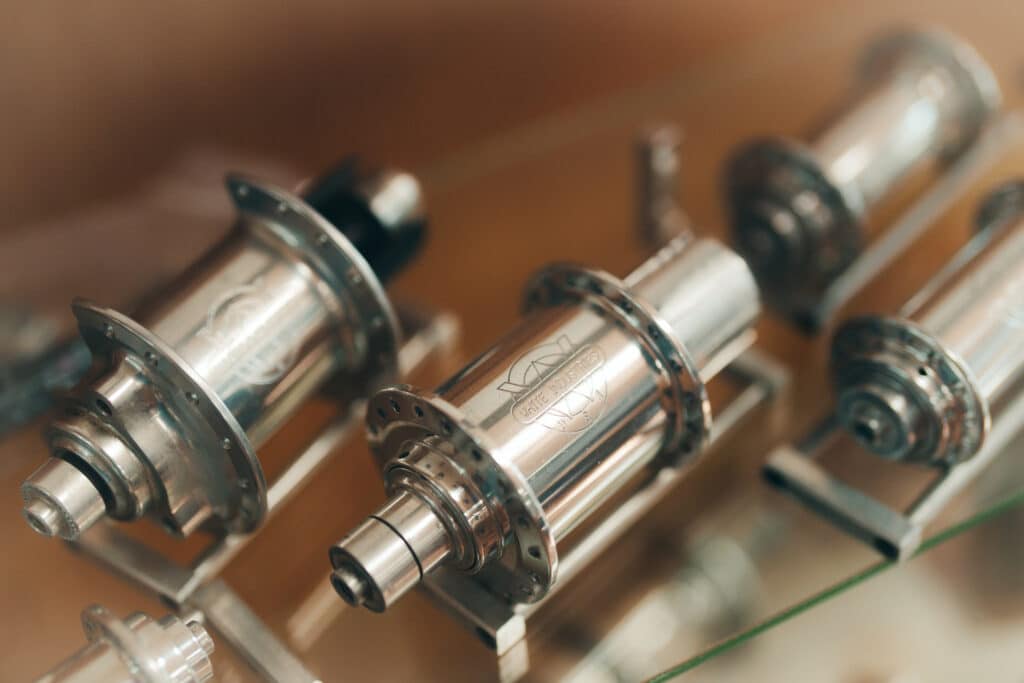
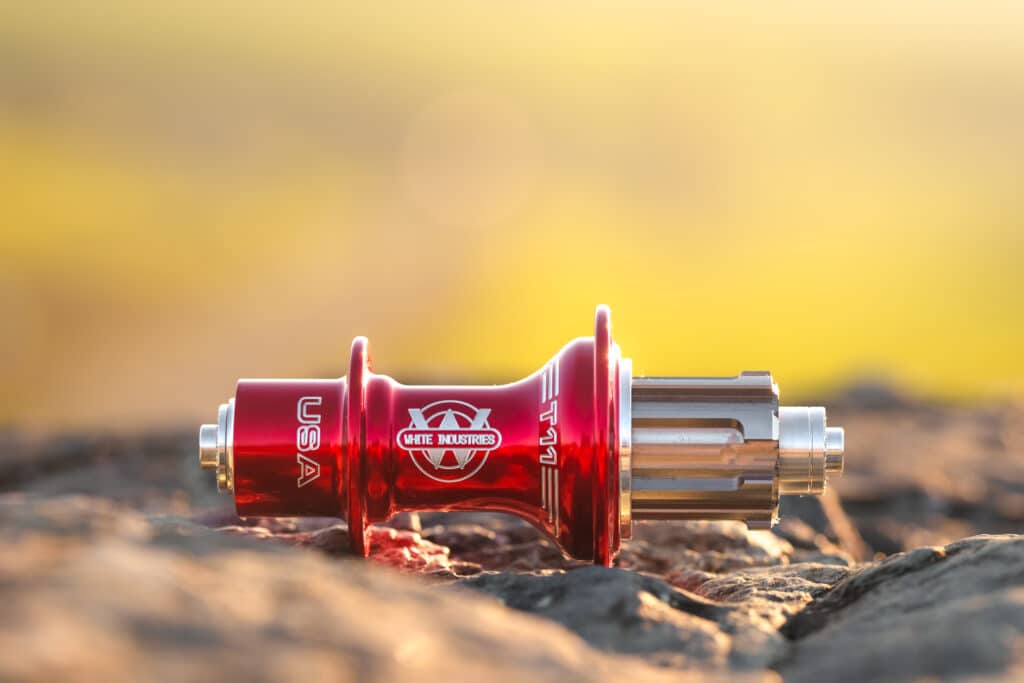
At White Industries, our hub drivers are precision-machined in California, just like the rest of our components. From Shimano and SRAM to Campagnolo, XD, and XDR, we make a range of drivers so you can build your hub around the drivetrain you actually ride.
A driver might not be the part of the hub that gets all the attention, but it plays an important role in keeping your drivetrain working smoothly. It connects your cassette to the hub, transfers your pedaling power, and needs to stand up to plenty of miles, shifts, and abuse along the way.
Shimano Drivers
Shimano-compatible drivers are available for a wide range of White Industries hubs and drivetrain setups. They’re precision-machined for proper cassette fit and reliable engagement, then finished and assembled in-house.
Shimano has been a go-to drivetrain choice for generations of riders, so we make drivers that are built to work seamlessly with compatible White Industries hubs.
Simple, dependable, and ready to put in some serious miles.
SRAM XD Drivers
Running a SRAM XD cassette? We make an XD driver for compatible White Industries hubs.
The XD standard allows for smaller cassette cogs and gives riders more options when it comes to gearing. That makes it especially useful for modern mountain and gravel setups where a wide range of gearing can make a big difference.
As with all of our drivers, the XD version is machined and finished in California with the same attention to detail we put into the rest of the hub.
SRAM XDR Drivers
For road and gravel riders running SRAM XDR, we make the XDR driver to match.
XDR may look a lot like XD, but the spacing is different. Because apparently one standard wasn’t enough. 😉
Having the correct driver matters for proper cassette installation, spacing, and drivetrain performance. Our XDR drivers are made specifically for compatible White Industries hubs and the drivetrains they were designed to support.
Campagnolo Drivers
Yes, we make Campagnolo-compatible drivers, too.
For riders building a White Industries wheelset around a Campagnolo drivetrain, the right driver keeps the cassette and hub working together as they should.
It’s another example of a small component doing an important job—and another part we choose to make ourselves.
The Details Matter
The White Industries Hub Driver may be tucked onto the rear hub, but it has a pretty important job. It needs to fit the cassette correctly, work with the hub’s internal mechanism, and handle the forces created every time you put power to the pedals.
That means the details matter. Material selection, machining, tolerances, bearing fit, and finish all play a role.
At White Industries, we don’t really do “good enough.”
Our drivers are machined, finished, and assembled in California, giving us control over the process and the details that matter.
Why We Make Drivers In-House
Because that’s how we like to do things.
Keeping manufacturing close means we can maintain control over quality, support different drivetrain standards, produce replacement parts, and keep our hubs rolling for years to come.
It also means we know what’s going into the component before it ever leaves the shop.
Different drivetrains. Different standards. Different drivers.
All made in California.
Because even the parts you don’t think much about deserve some attention.
There were a lot of beautiful bikes at MADE. With so many incredible builders and carefully considered details packed into one show, standing out is no small feat.
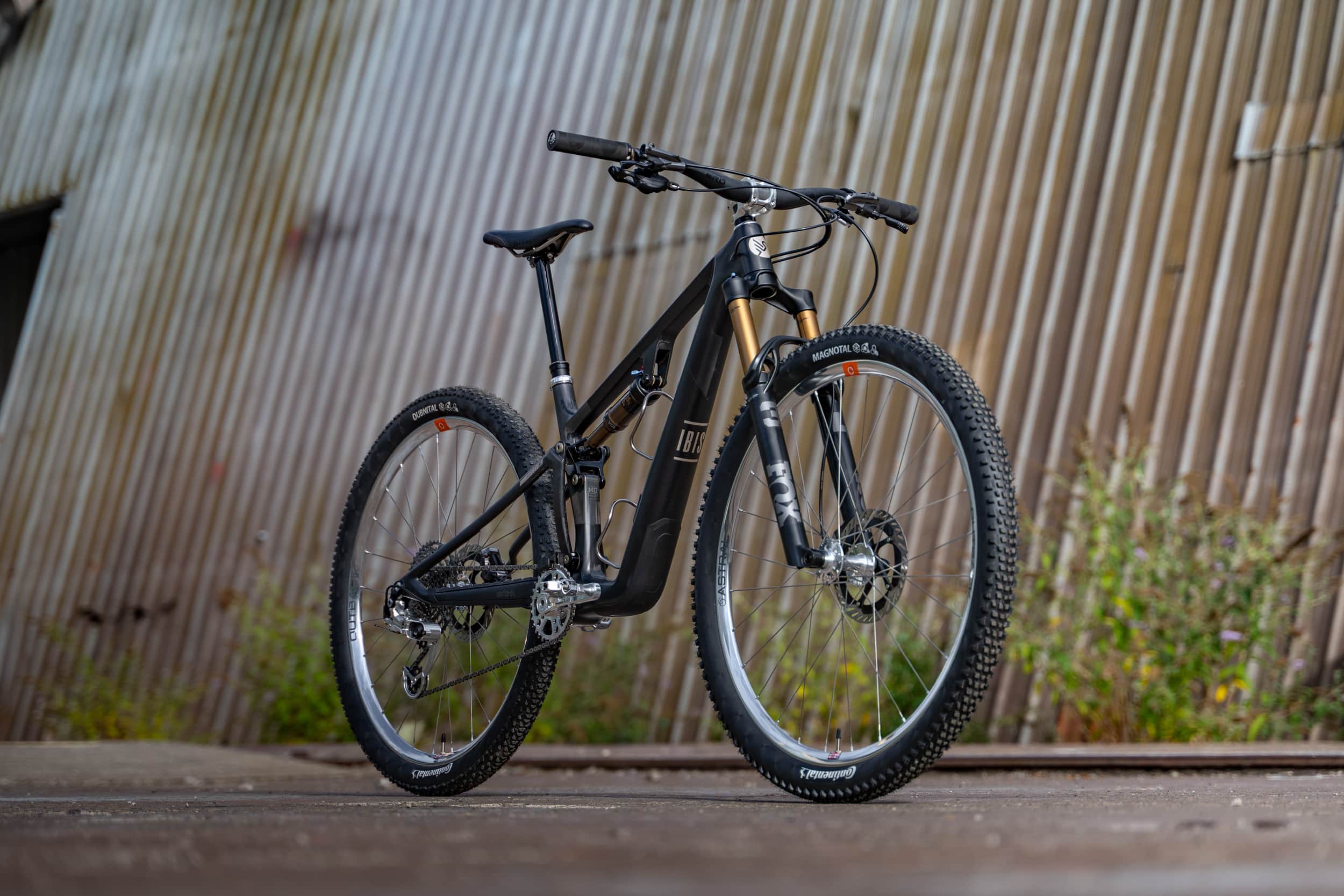
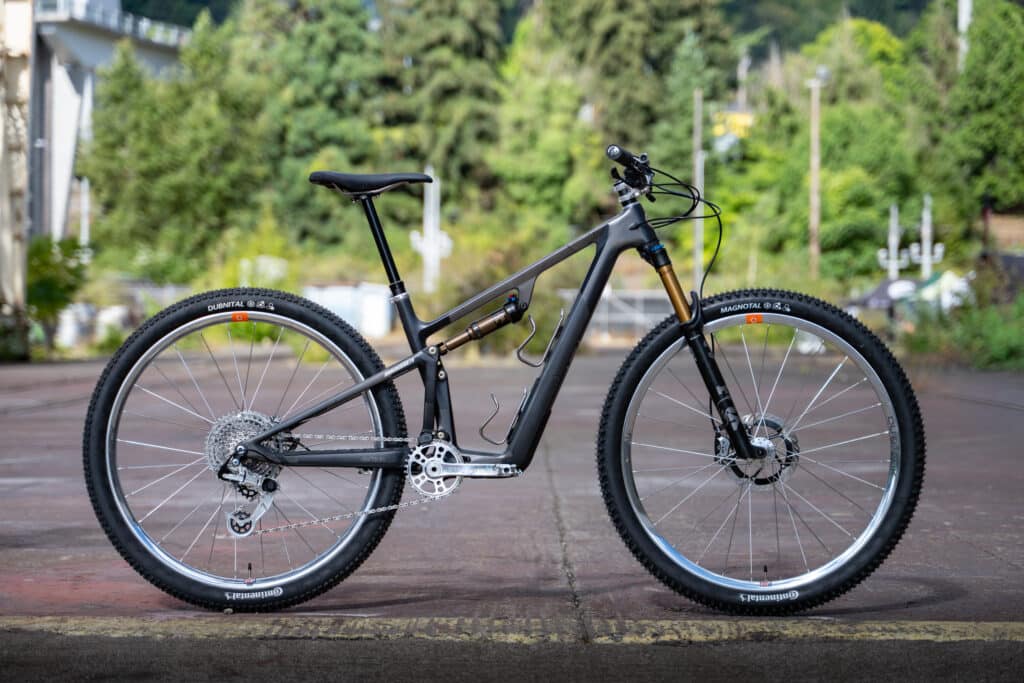
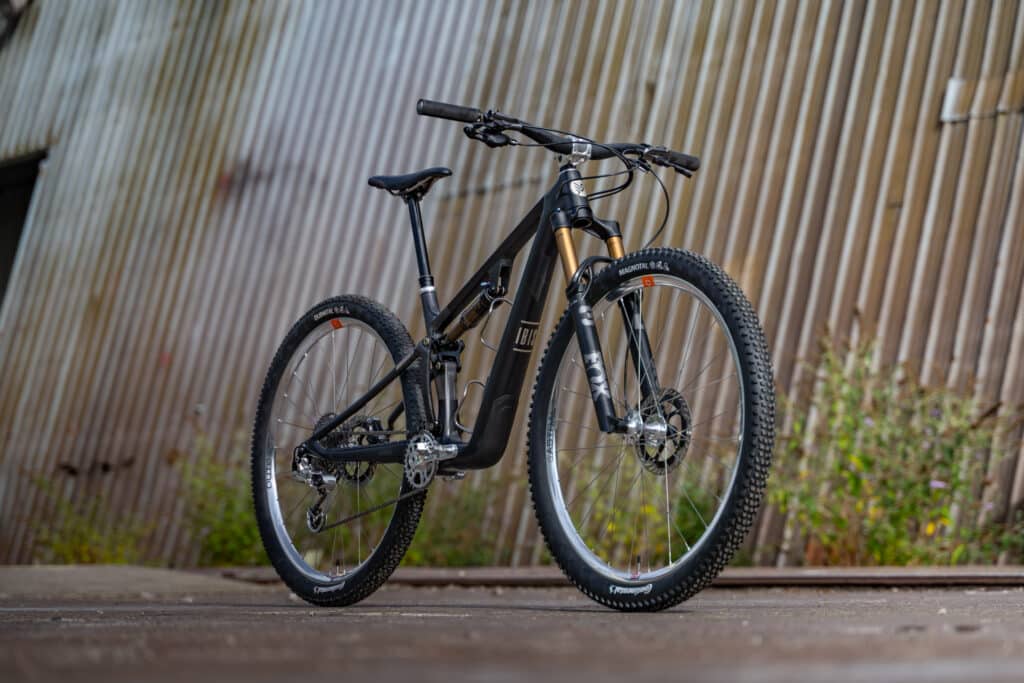
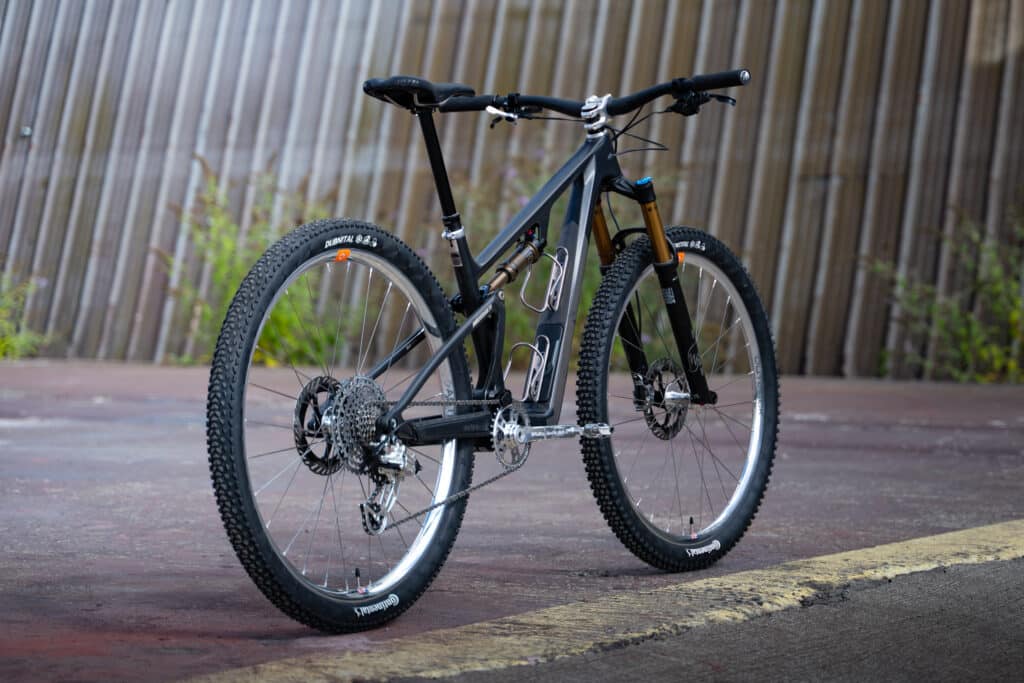
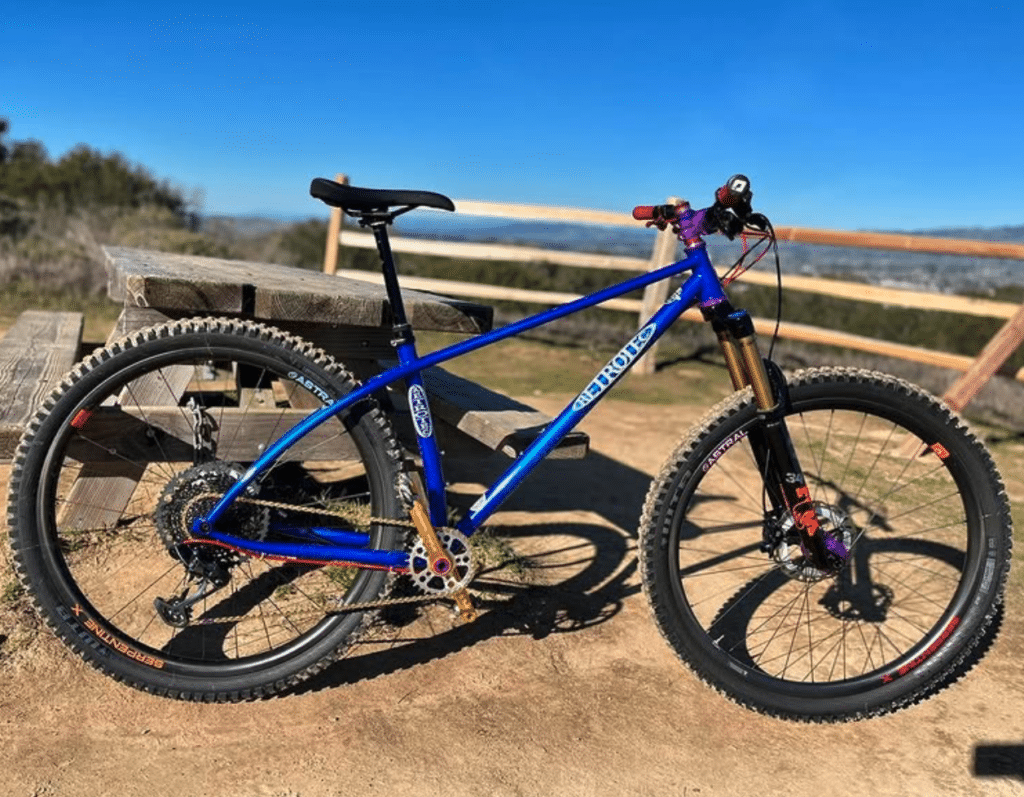
The Ripley SL is already a pretty special machine. Built around Ibis’ lightweight carbon frame, 117mm of rear travel, 130mm up front, it is designed to be fast when the trail points up and capable when things get rowdy.
At MADE, though, it was the details that really caught our eye.
It’s a combination that feels right at home on a bike like this.
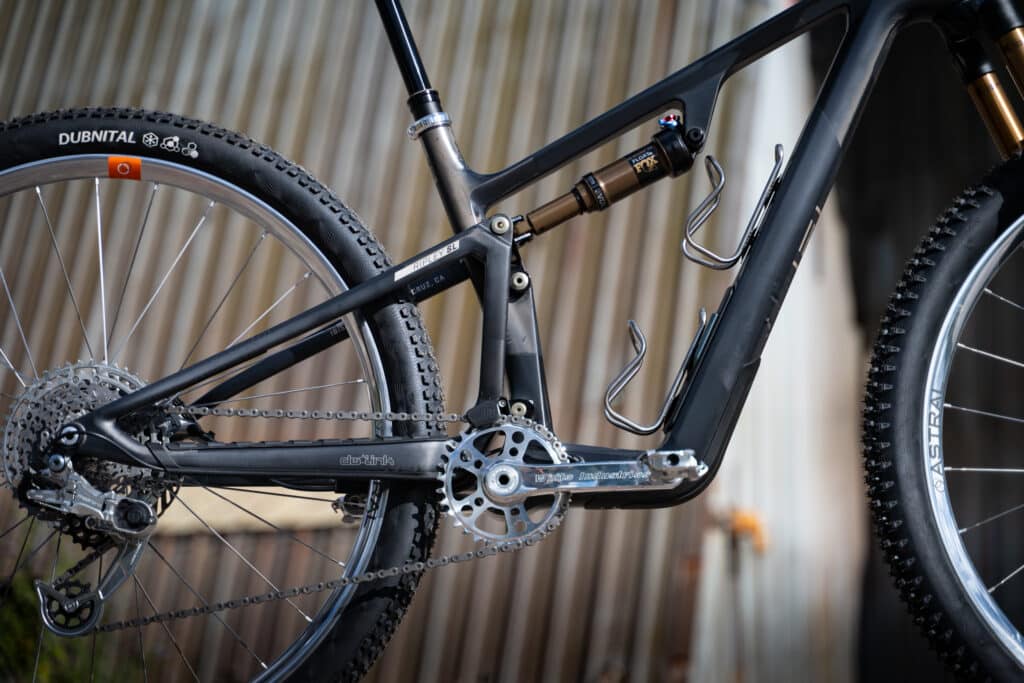
The polished Astral wheels bring a timeless, almost jewelry-like quality to the build. Against them, the precision-machined White Industries components add another layer of detail without making the bike feel overdone.
That is what makes a build like this so good. Nothing feels added just for the sake of adding it. Every component has a purpose, and every finish works together.
The Details Matter
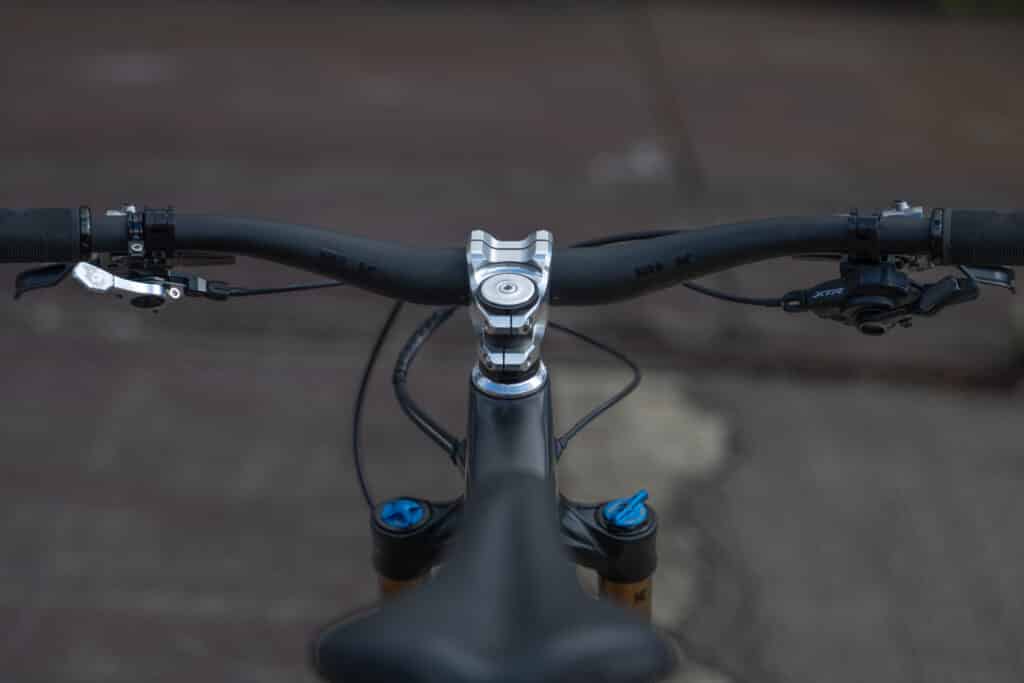
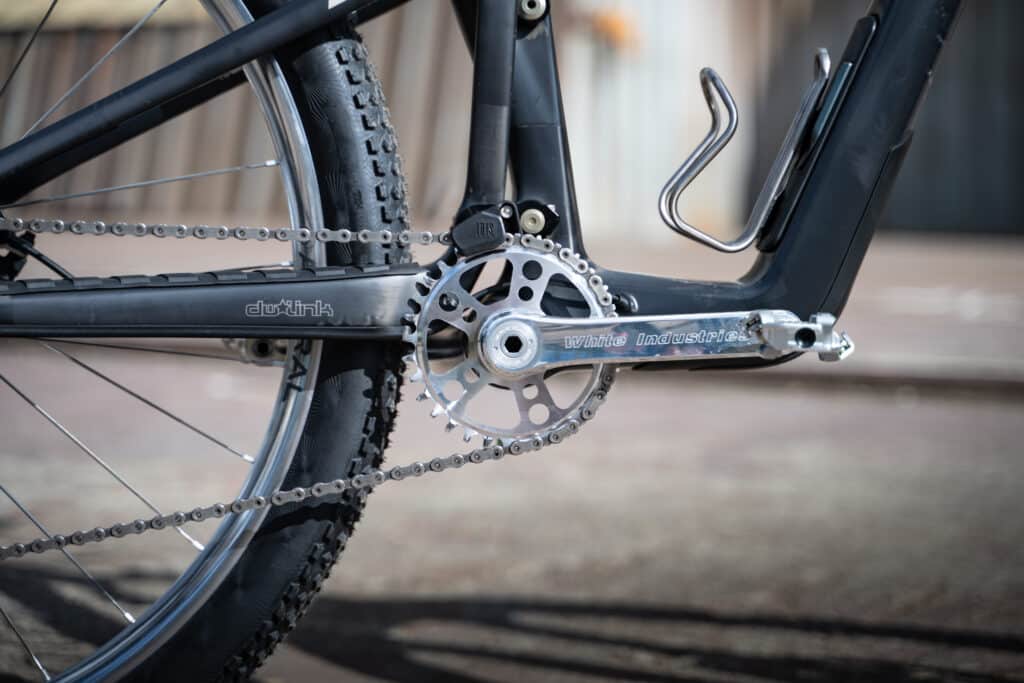
The White Industries cranks and chainring bring a clean, purposeful look to the drivetrain. Up top, the headset and seat collar carry that same attention to detail into the rest of the bike.
These might seem like small pieces of the overall build, but they are exactly the kind of details that can turn a great bike into a memorable one.
And that is something we love about MADE. It’s a place where people notice those details.
You can spend hours walking the show floor and spotting the little things: a beautifully machined component, an unusual finish, a perfectly matched wheelset, or a frame where every line seems intentional.
Northern California, Through and Through
There is also something pretty cool about seeing these pieces together.
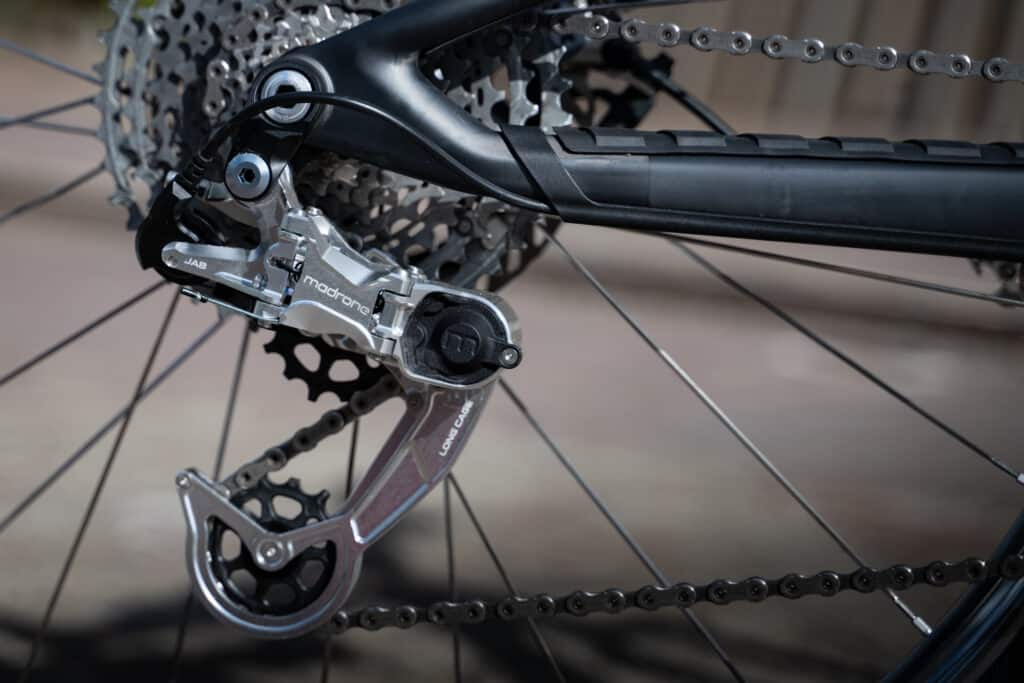
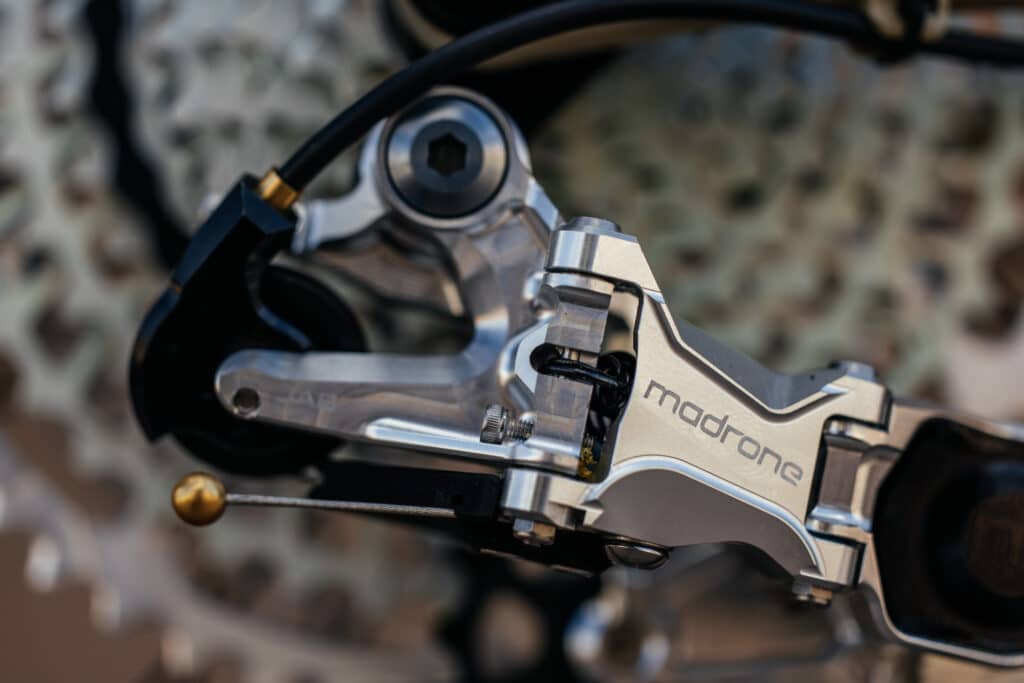
The Ripley SL is made in California, with Ibis manufacturing the frame in their Northern California factory. White Industries components are machined, finished, and assembled, in Petaluma. Astral wheels are part of the White Industries family as well, but they are super northern California(cough cough…Oregon). And shoot while we are talking about Oregon, Madrone showed up with their amazing derailleur.
So while this is one incredible bike, it also represents something bigger: Northern California craftsmanship and a shared appreciation for making things exceptionally well.
That connection felt especially appropriate at MADE, where independent builders and manufacturers come together to celebrate the craft, creativity, and obsession that make bicycles so much more than a collection of parts.
One We Couldn’t Walk Past
The best bikes don’t always need to be loud.
Sometimes it’s the combination of a beautiful frame, carefully selected components, and a few really good finishing touches that makes you stop in your tracks.
This Ripley SL did exactly that.
White Industries cranks. White Industries chainring. White Industries headset. White Industries seat collar. Astral polished wheels.
Put it all together, and you get one seriously dialed bike—and definitely not a bike to miss at MADE.
We make a lot of parts at White Industries. So, naturally, we thought the best way to celebrate them was to ask the people who know them best:
What’s your favorite White Industries product, and why?
The answers were pretty different—and that’s what makes them fun.
Matt: The Freewheel
For Matt, the Freewheel is more than just a favorite. It’s the product that changed his life.
There’s something pretty special about a component that becomes part of your story. For Matt, the Freewheel represents the engineering, durability, and serviceability that have made White Industries products stand the test of time.
The Track Hub is a beautiful combination of thoughtful engineering and timeless design. From its polished finish and high-flange profile to the carefully considered details, it’s a component that looks just as good sitting on a workbench as it does spinning around a velodrome.
Heather’s favorite has a little more personal history behind it.
The Seat Collar was the first White Industries product she saw go from raw material to finished product. Watching the process firsthand—from machining and finishing to assembly and inspection—was her first real look at the craftsmanship and attention to detail that goes into every component we make.
Sometimes seeing how something is made changes the way you look at the finished product.
When asked Doug’s favorite product, it was super easy for him to reply.
“The Freewheel, because you sell it the customer and never hear from them again.” And if that isn’t a testament to White Industries philosophy of built to last, we don’t know what is.
When a product is so good, you never hear from the customer again… that says something about the durability and reliability of the product.
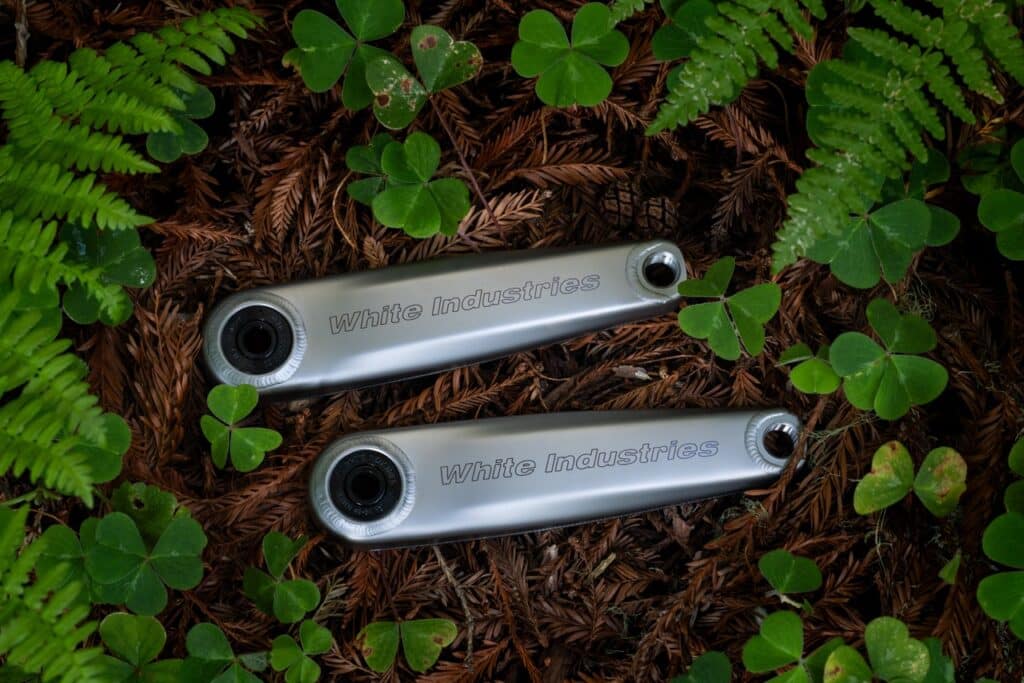
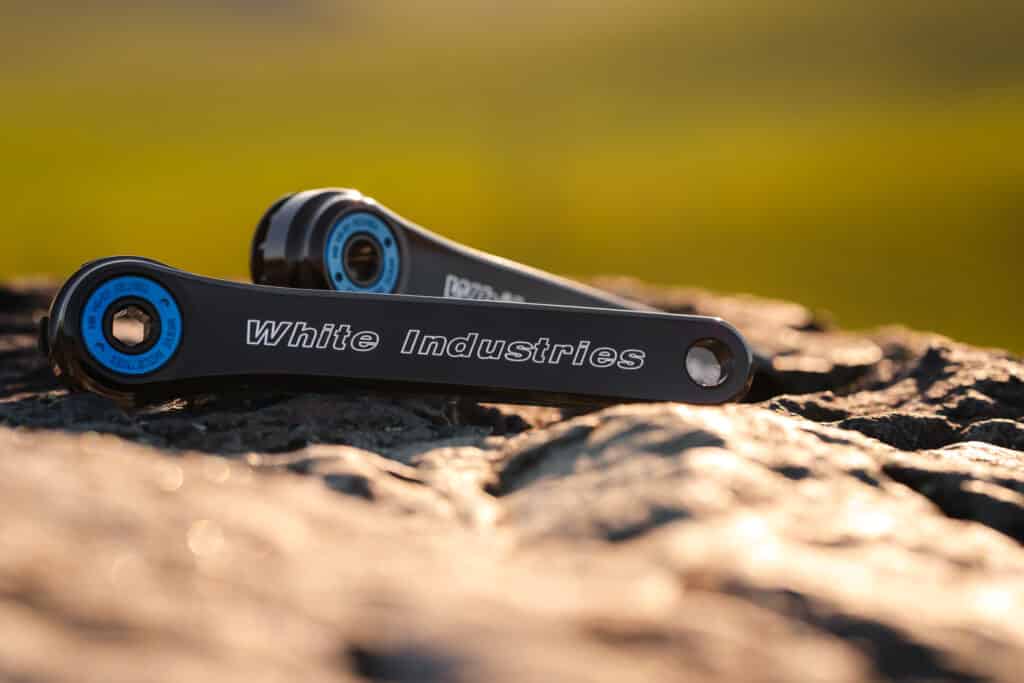
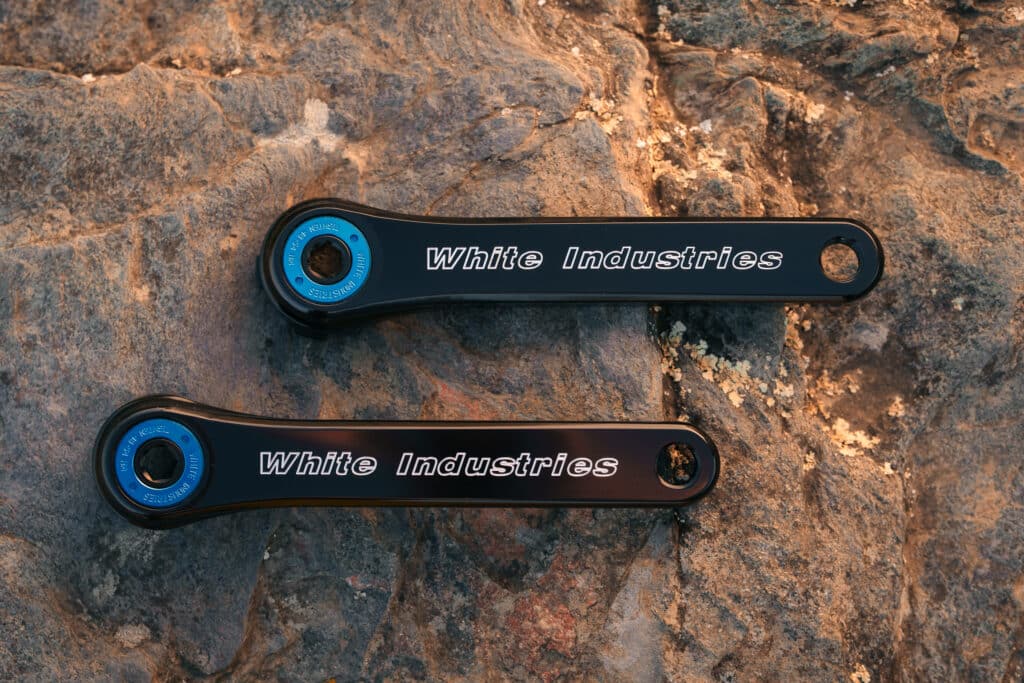
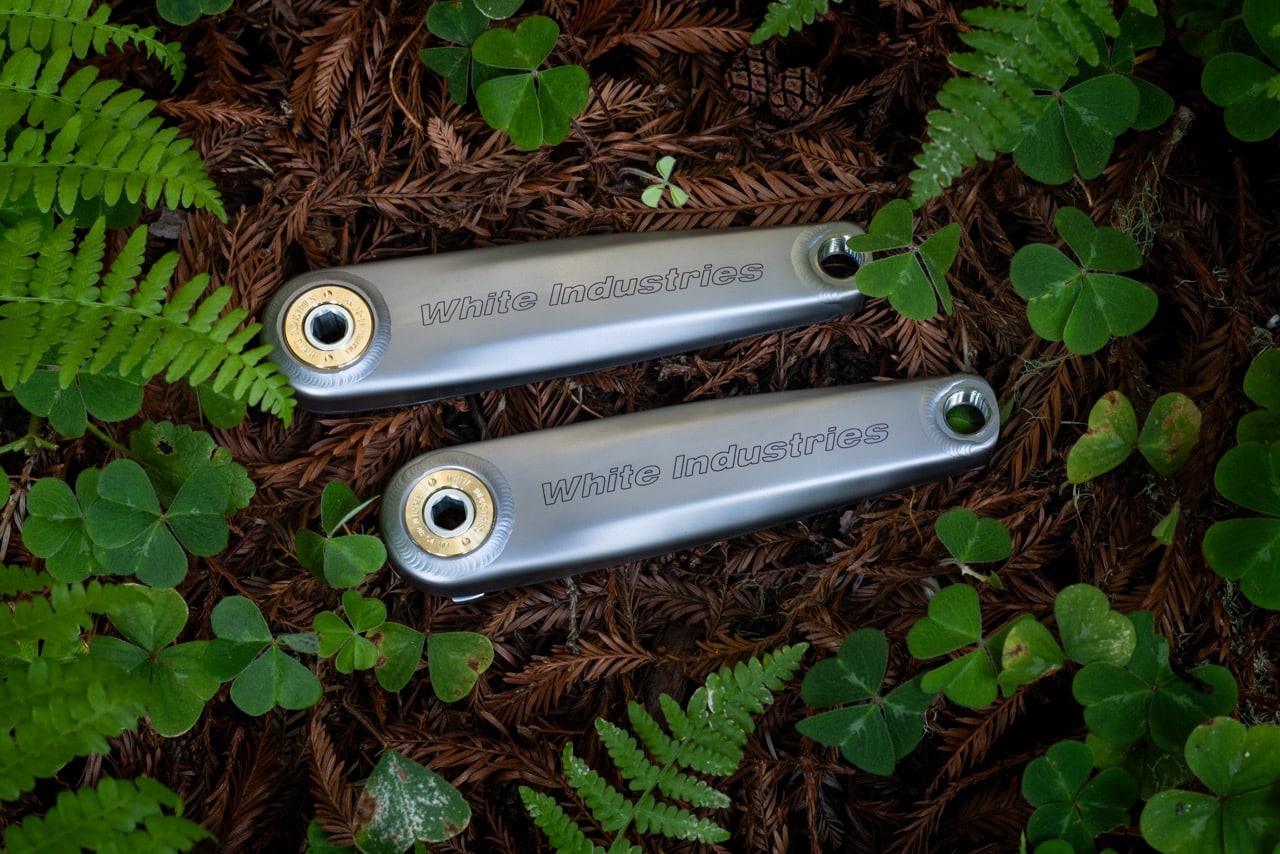
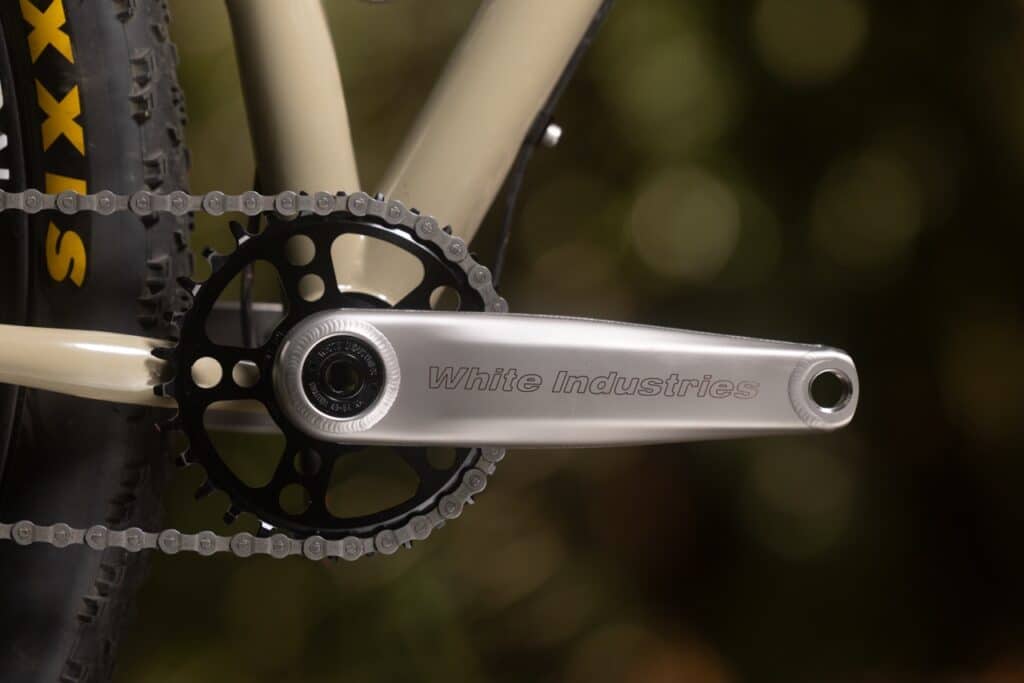
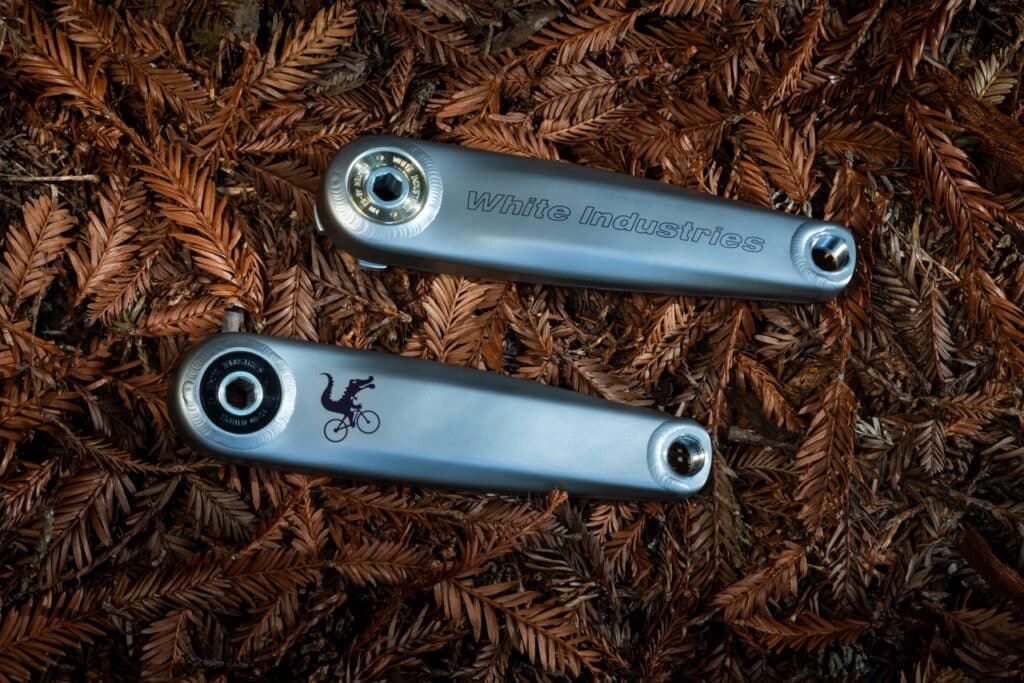
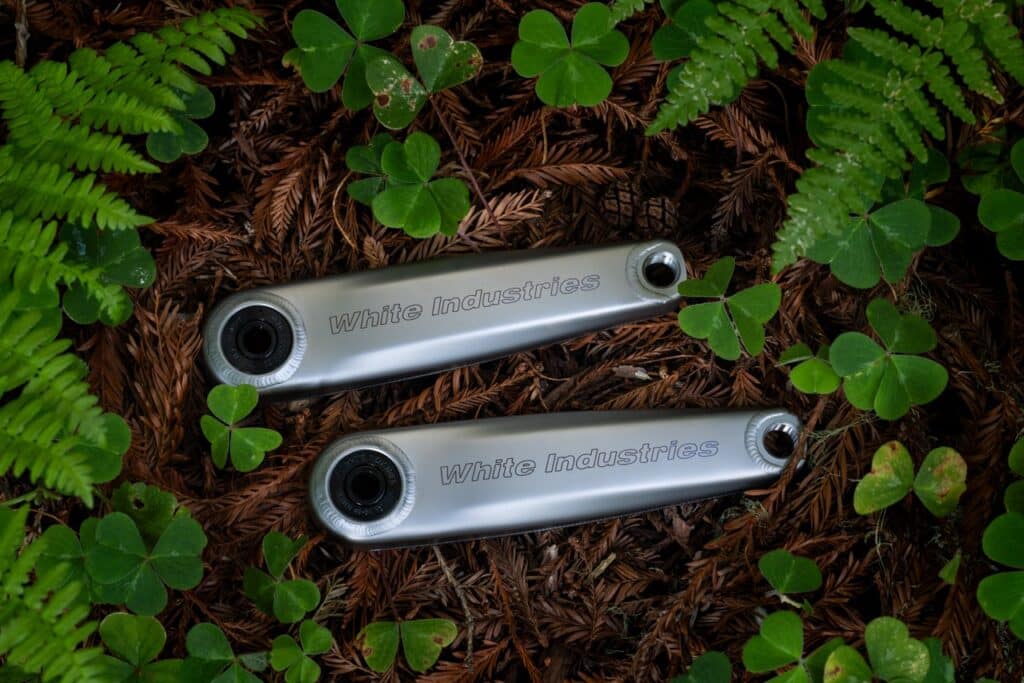
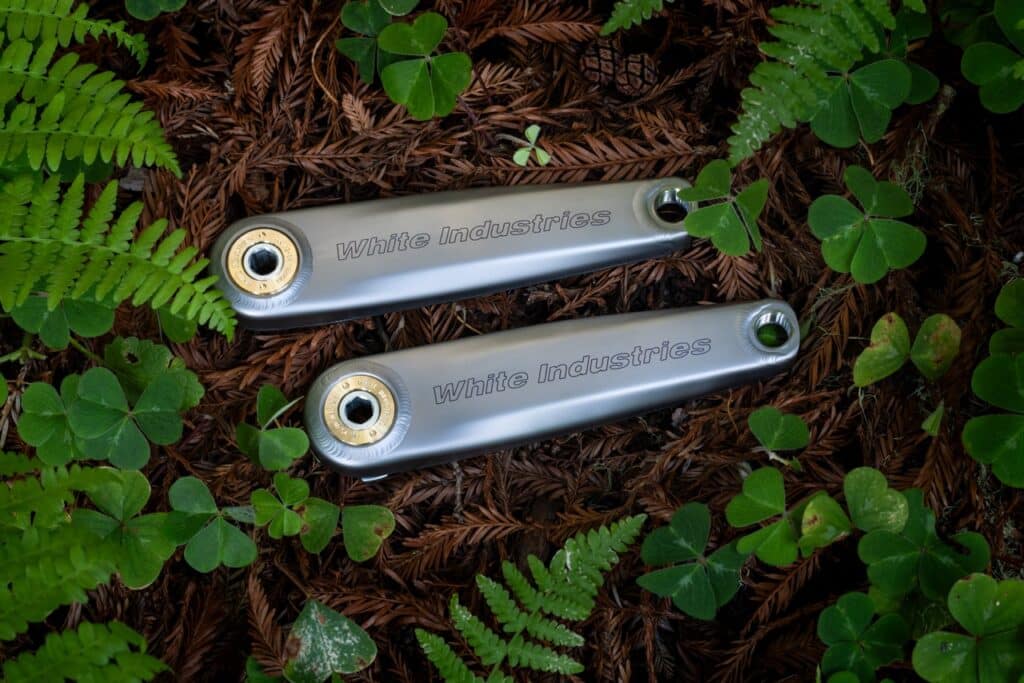
Alec’s pick is the T30 Titanium Cranks, a pretty fitting choice for the next generation of White Industries.
John’s Significant Other Ded Reckin White Industries Build
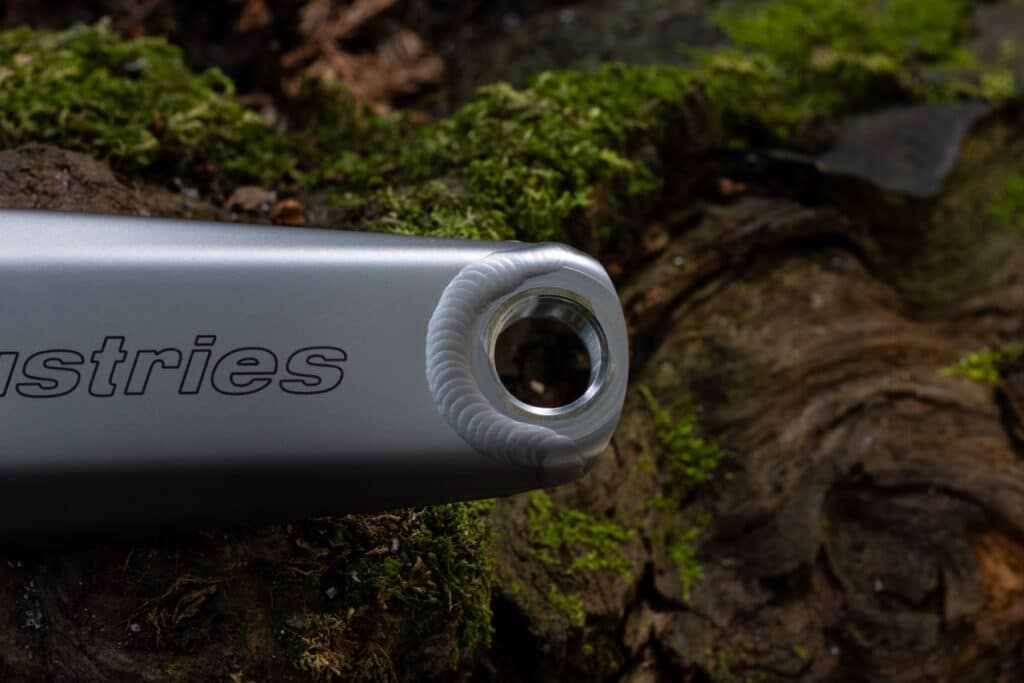
Precision-machined in Petaluma, the T30 brings together premium titanium, lightweight performance, and timeless design. It’s a great example of how we continue to evolve while staying true to the things that have always mattered to us.
What we love most about these answers is that there isn’t one right choice.
For some, it’s the product that started the company. For others, it’s a beautiful piece of engineering, a product that changed their life, or simply the first time they saw raw material become something they could ride.
That’s the fun of making bicycle components. The parts may be small, but they become part of bigger stories—rides, races, adventures, bikes, and memories.
And after nearly five decades of making components in Petaluma, we’re pretty proud that our staff still has strong opinions about their favorites.
Some trade shows are about business. Others feel more like a gathering of friends who happen to be obsessed with bicycles.
BESPOKED Dresden was definitely the latter.
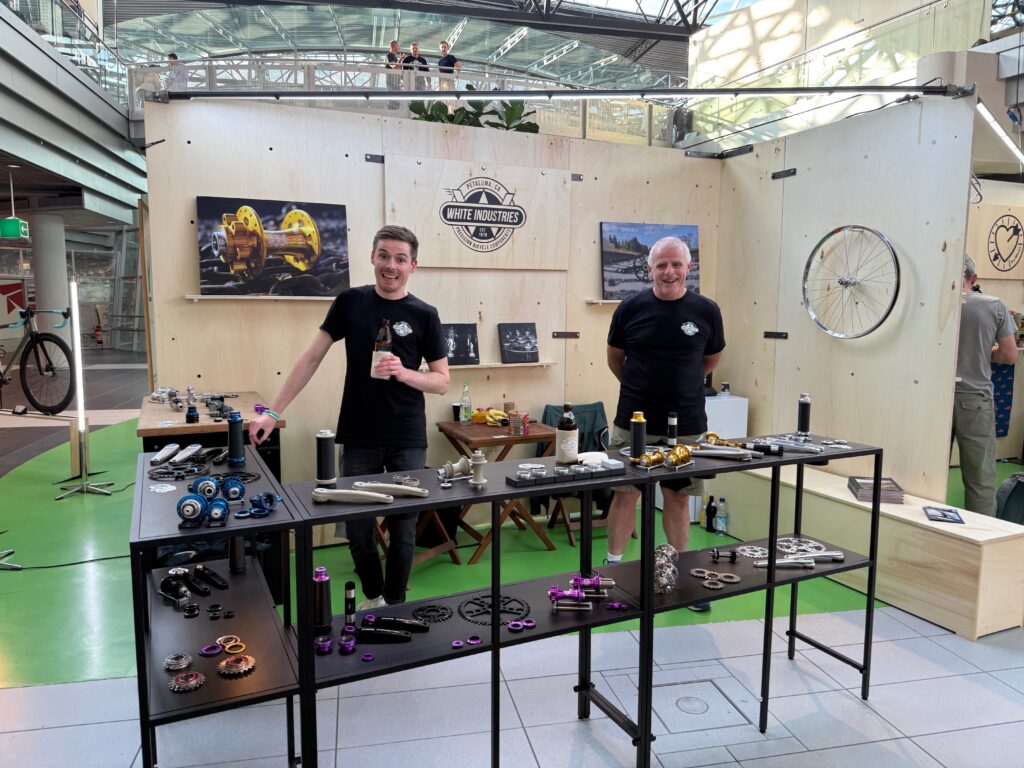
This year, White Industries made the trip from Petaluma, California, to Germany for a week filled with incredible handmade bikes, beautifully crafted components, old friends, new friends, and—of course—a healthy amount of German beer.
From Petaluma to Dresden
Bespoked is a celebration of independent builders, designers, and component manufacturers who care deeply about how things are made. That made it a natural fit for White Industries.
Our products are built around many of the same ideas: thoughtful engineering, precision manufacturing, beautiful finishes, and components designed to last.
But getting a booth across the Atlantic and pulling off a great show takes more than a plane ticket and a pallet of bike parts.
This year, we were lucky enough to partner with Cosmic to make it happen.
A Great Partnership
Working with Cosmic made the entire experience possible—and, more importantly, made it fun.
From the logistics and planning to getting everything set up and making sure the booth was ready for showtime, having a great partner on the ground in Germany made a huge difference.
There are a lot of moving pieces behind a tradeshow that most people never see. Shipping, freight, displays, product, timing, setup, breakdown, and all the little things that inevitably pop up along the way. Cosmic helped us navigate all of it.
The result was a booth that felt like White Industries, even though we were thousands of miles from home.
Huge thanks to the Cosmic crew for being such an awesome partner and helping us pull off such a great show.
We were able to have the procession of how we make a seat collar at the booth and that was also a big hit.
Bikes. Bikes. And More Bikes.
And then there were the bikes.
BESPOKED is the kind of show where you can walk around one corner and immediately stop because something catches your eye. Beautiful custom frames. Innovative designs. Hand-finished components. Clever details. Ridiculously good paint. You can check out the Radavist for all the bike pics!
Everywhere you looked, someone had poured an enormous amount of time, skill, and passion into a bicycle.
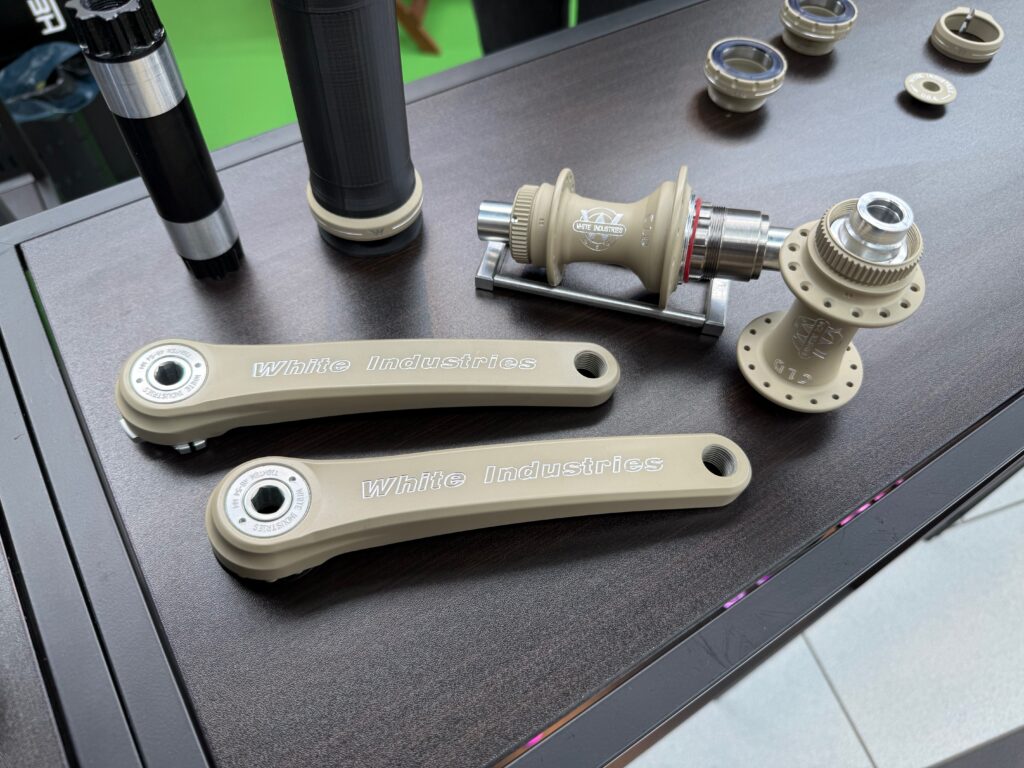
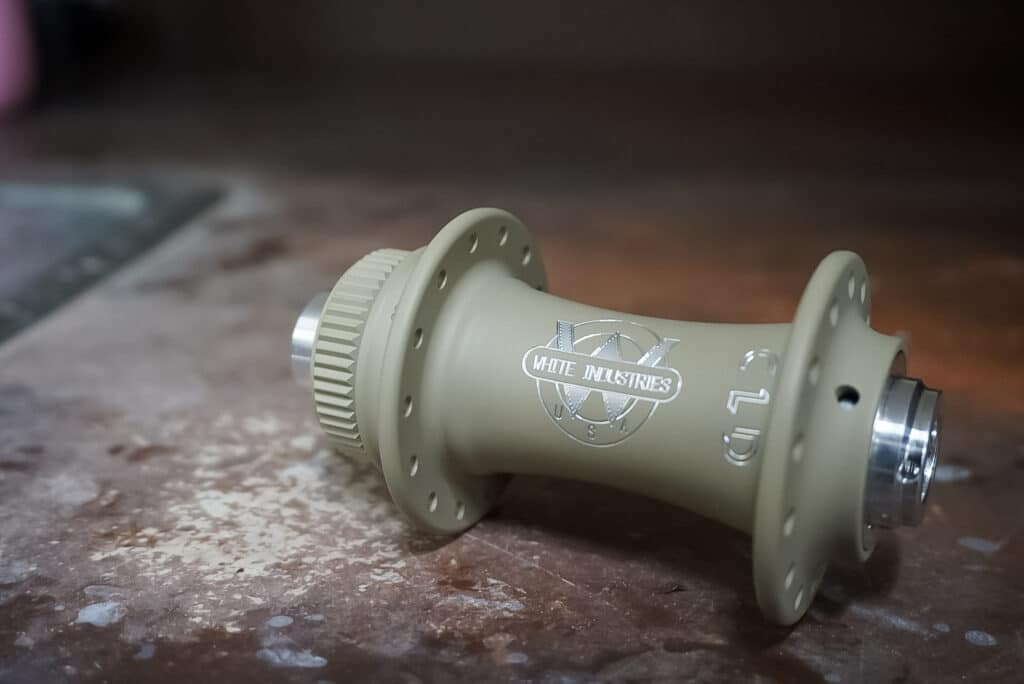
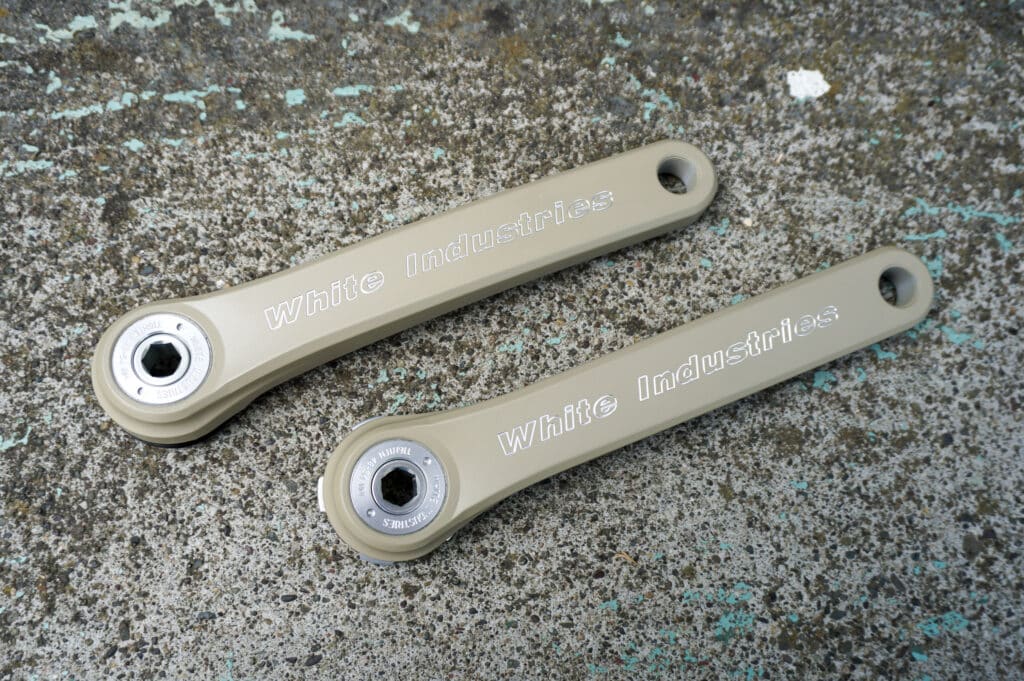
For a company that makes components, it’s pretty inspiring to see what builders do with them. We also had our limited edition Desert Sage color to showcase and it was like moths to a flame.
We loved seeing White Industries parts incorporated into so many different builds and talking with the people behind them. It’s a reminder that while we spend our days machining individual components, those parts ultimately become part of something much bigger. They become someone’s bike.
And Yes, There Was Beer
We’d be leaving out an important part of the story if we didn’t mention the beer.
Good conversations tend to happen over good beer, and Dresden delivered. Between the show, dinners, catching up with friends, and the occasional “Prost!”, the weekend had exactly the kind of atmosphere that makes an international tradeshow memorable.
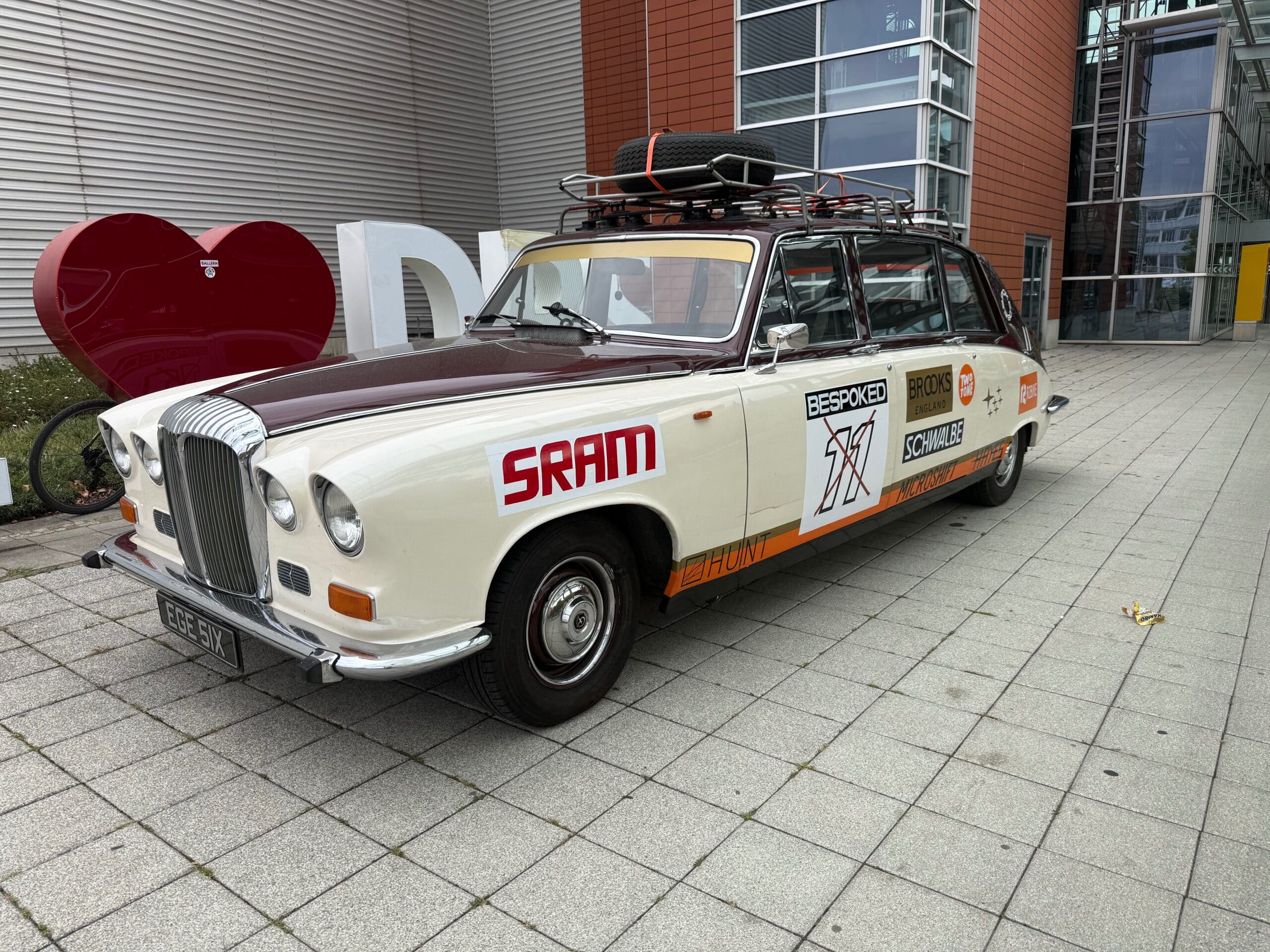
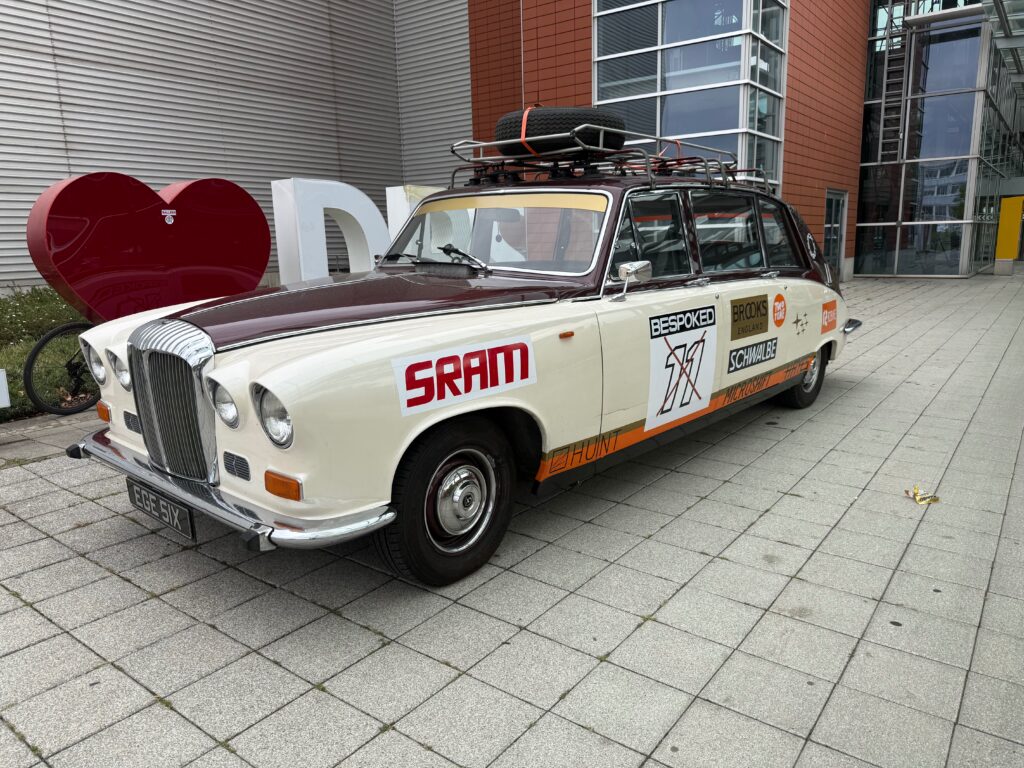
There may have even been a day when a particularly rad Daimier arrived to get a rider to the show.
No big deal. Just another day in Germany. 😉
Why BESPOKED Is Worth the Trip
BESPOKED is special because it celebrates the people behind the bikes.
It’s not just about the finished product. It’s about the process, the ideas, the craftsmanship, and the people who care enough to obsess over the details.
That’s something we understand pretty well at White Industries.
We make our components in Petaluma because we believe there is value in keeping the process close. Machining, finishing, assembling, and inspecting our products under one roof allows us to stay connected to what we make and how we make it.
Seeing that same passion throughout the BESPOKED show floor was pretty damn cool.
Until Next Time, Dresden
A huge thank you to everyone who stopped by the White Industries booth, talked bikes, checked out our components, shared a beer, or simply said hello.
And another big thank you to Cosmic for helping us bring White Industries to Dresden and making the whole experience such a success.
Big Climbs, Great People, and an Unforgettable Weekend
Some events are about the results. Others are about the experience.
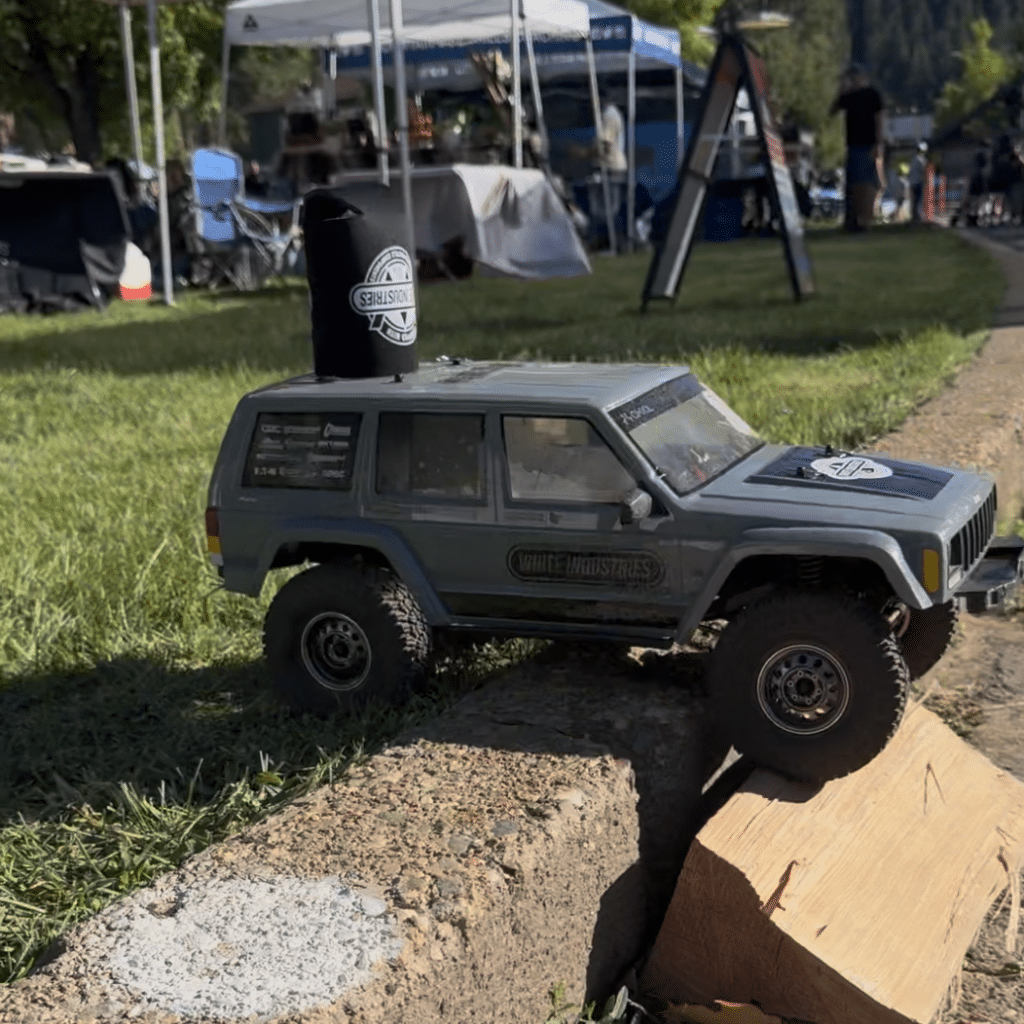
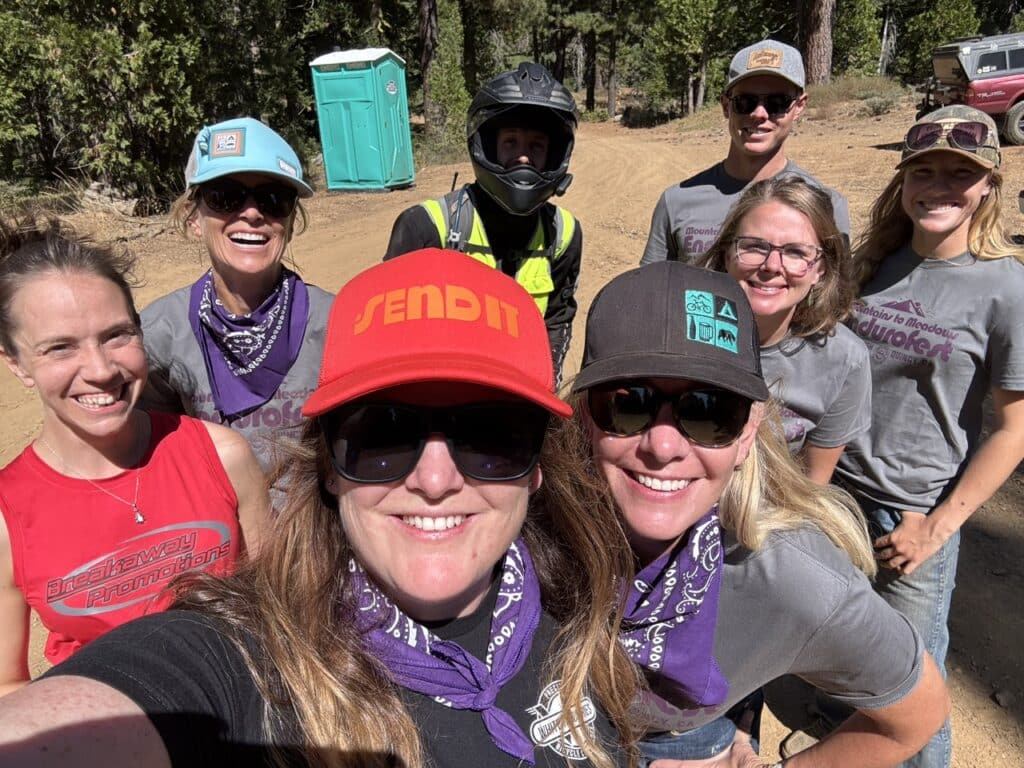
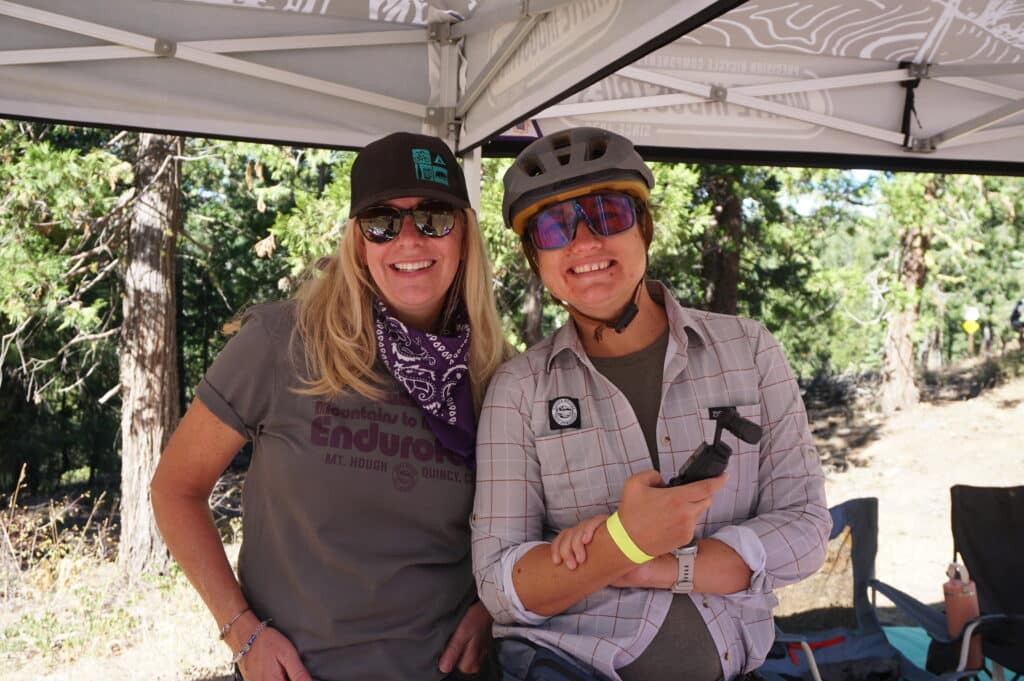
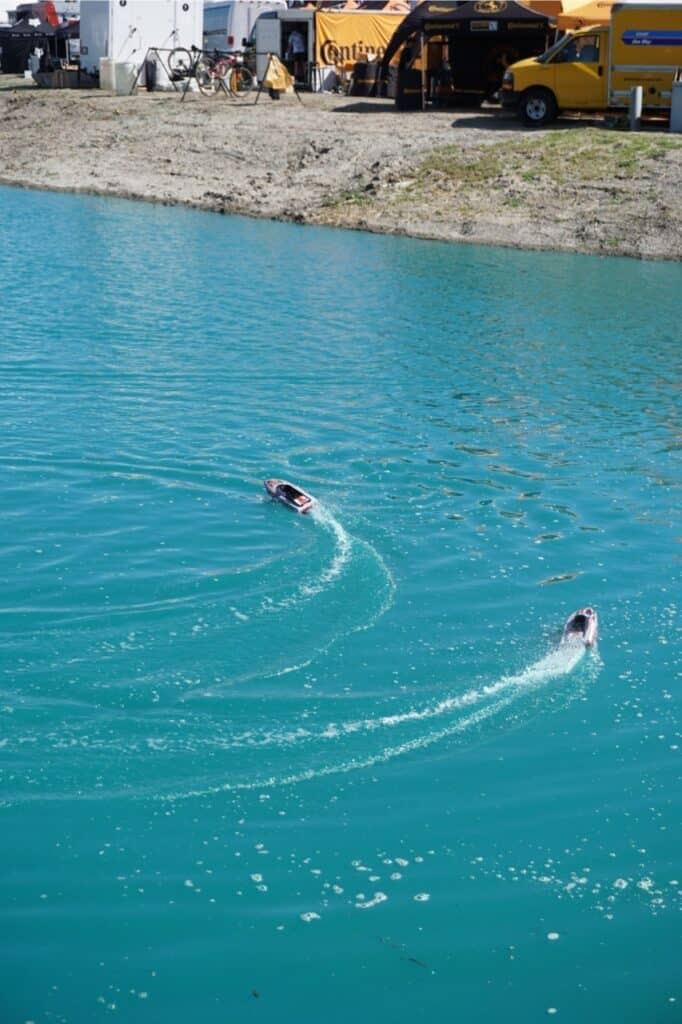
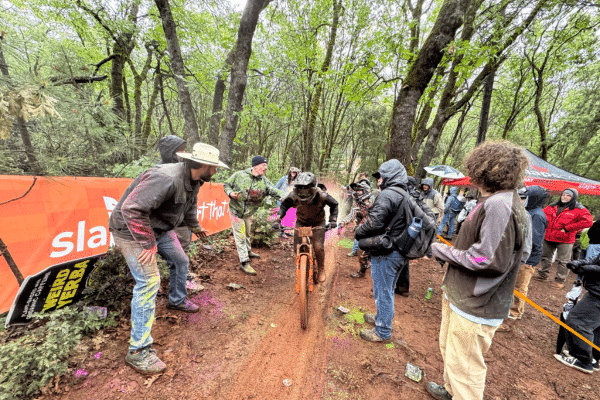
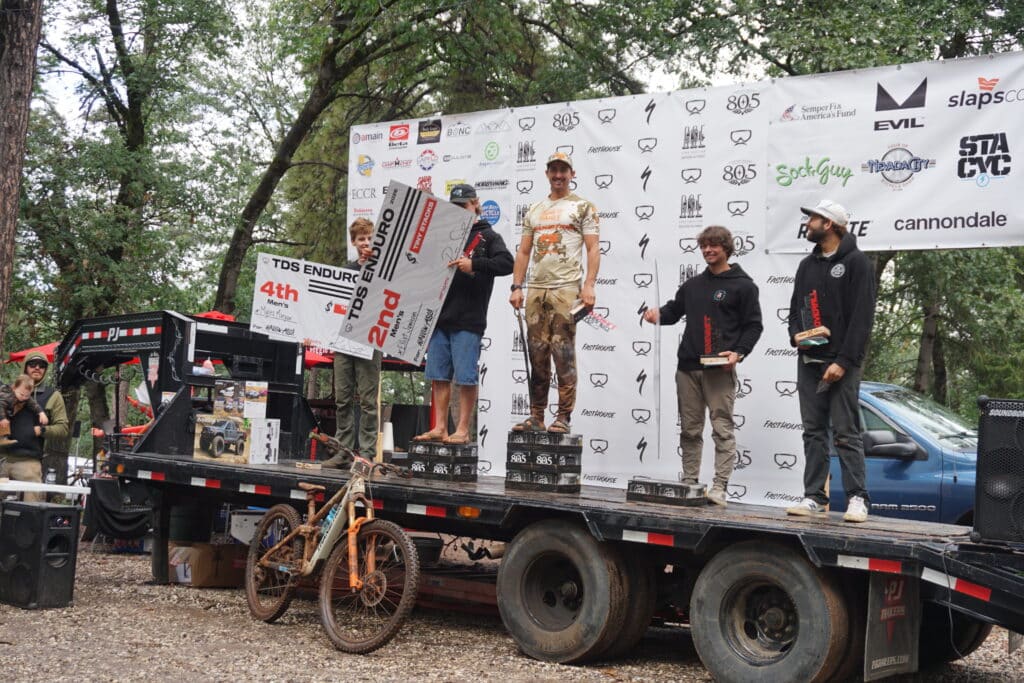
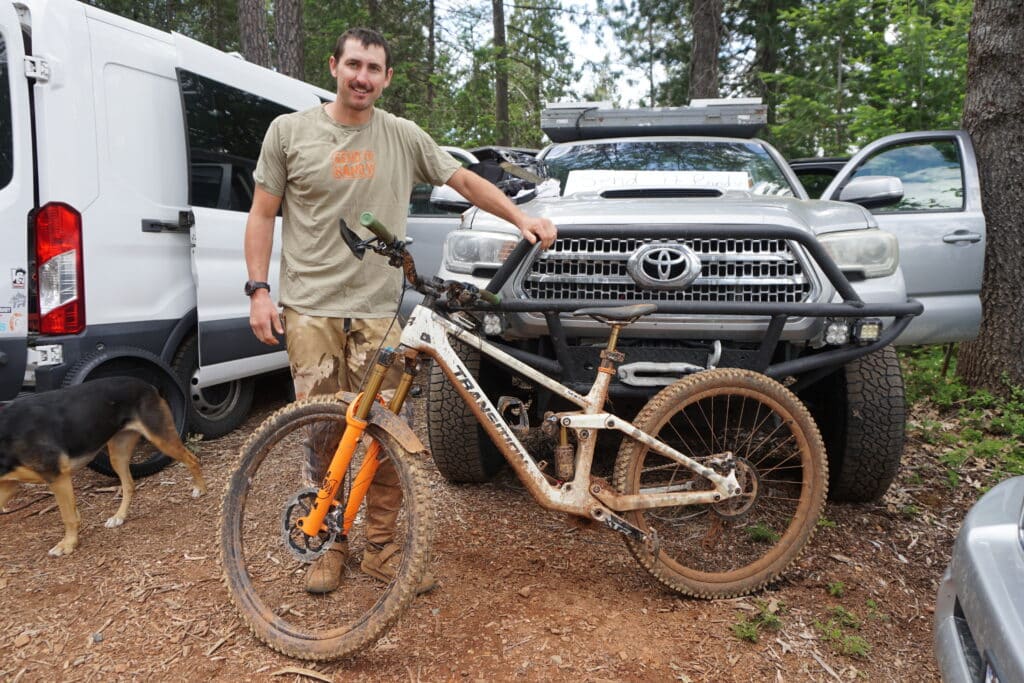
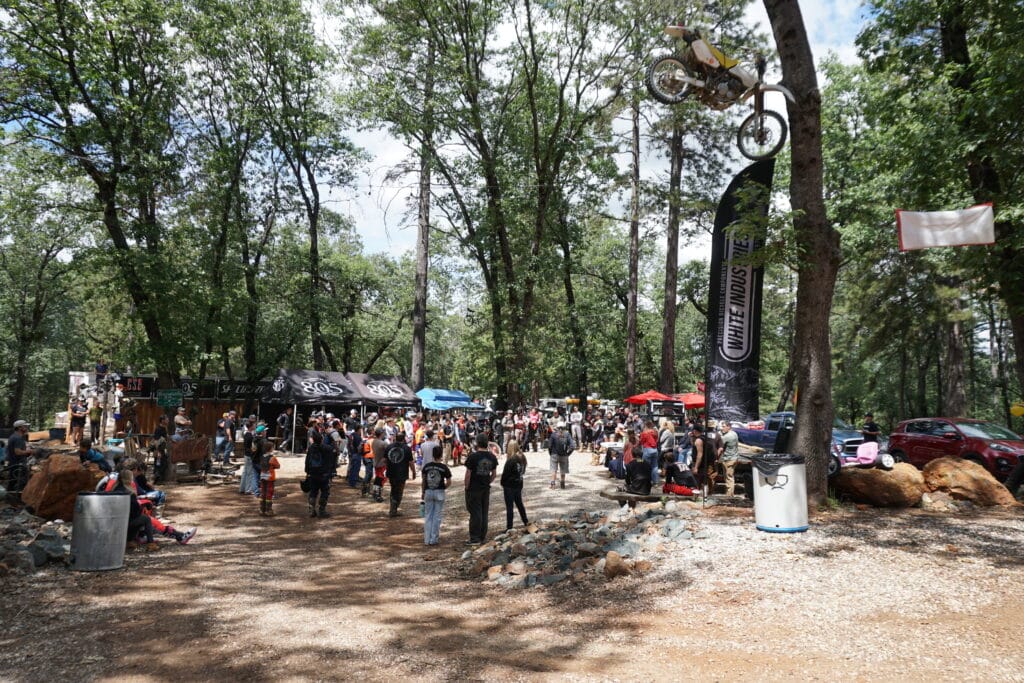
Mountains to Meadows/Grinduro in Quincy continues to be one of those rare weekends that perfectly blends incredible riding, friendly competition, live music by Nathan Ignacio, and an amazing cycling community. From the moment riders rolled into Quincy until the final celebrations wrapped up on Sunday afternoon, the atmosphere was everything we’ve come to love about this event—laid-back, adventurous, and full of passionate cyclists with maybe a few bevie deliveries with an RC Car.
White Industries was proud to be there, connecting with riders, supporting racers, and celebrating what makes the cycling so special.
A Weekend Built Around Adventure
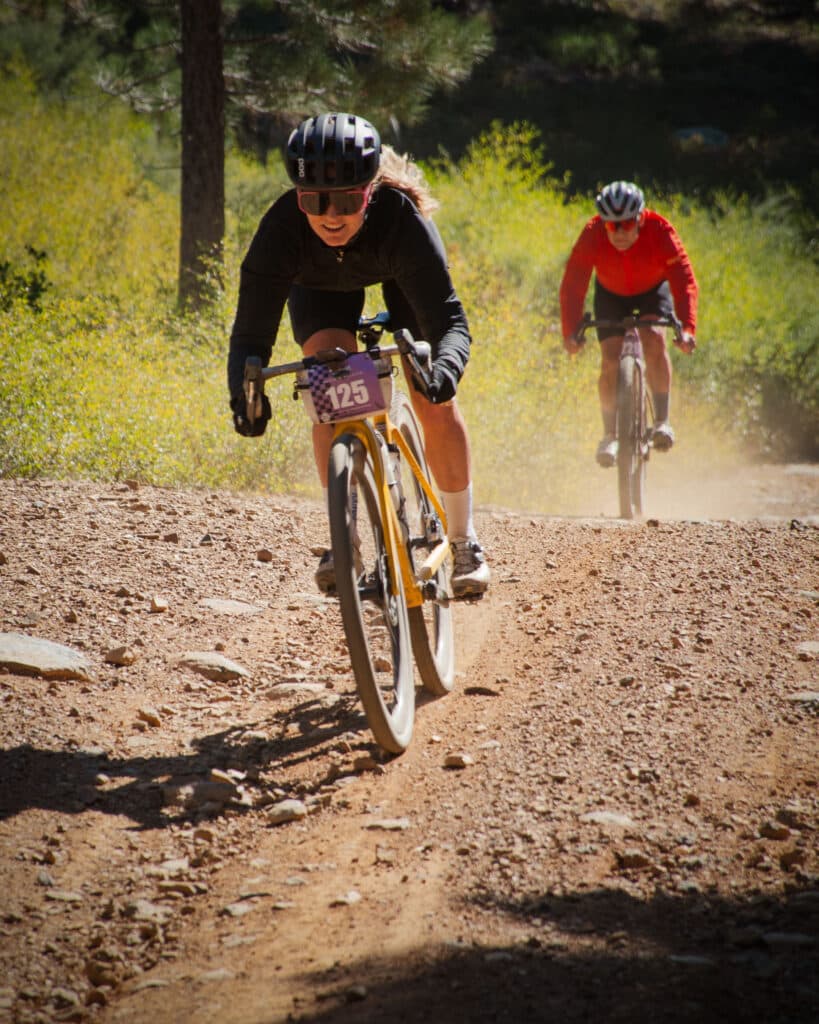
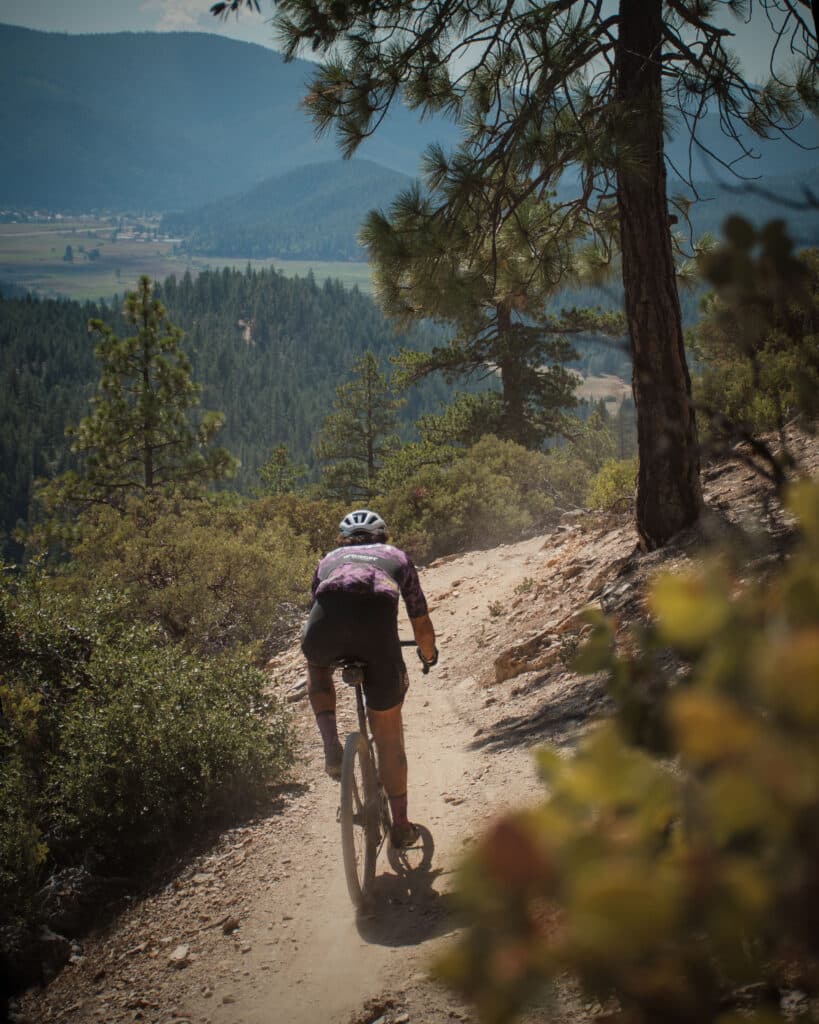
Quincy’s endless forest roads, sweeping mountain views, and challenging terrain once again delivered an unforgettable course and a tough one. Riders tackled long climbs( Stage One was tough), flowing descents, and fast gravel roads that tested both fitness and equipment.
Whether participants were chasing podium spots in the timed segments or simply soaking in every mile, everyone shared the same incredible playground.
One of the best parts of Grinduro has always been that it’s about more than racing. It’s about the people you meet, Wildcat Rich, the stories shared around camp, and the memories made long after crossing the finish line.
Aid Station Support
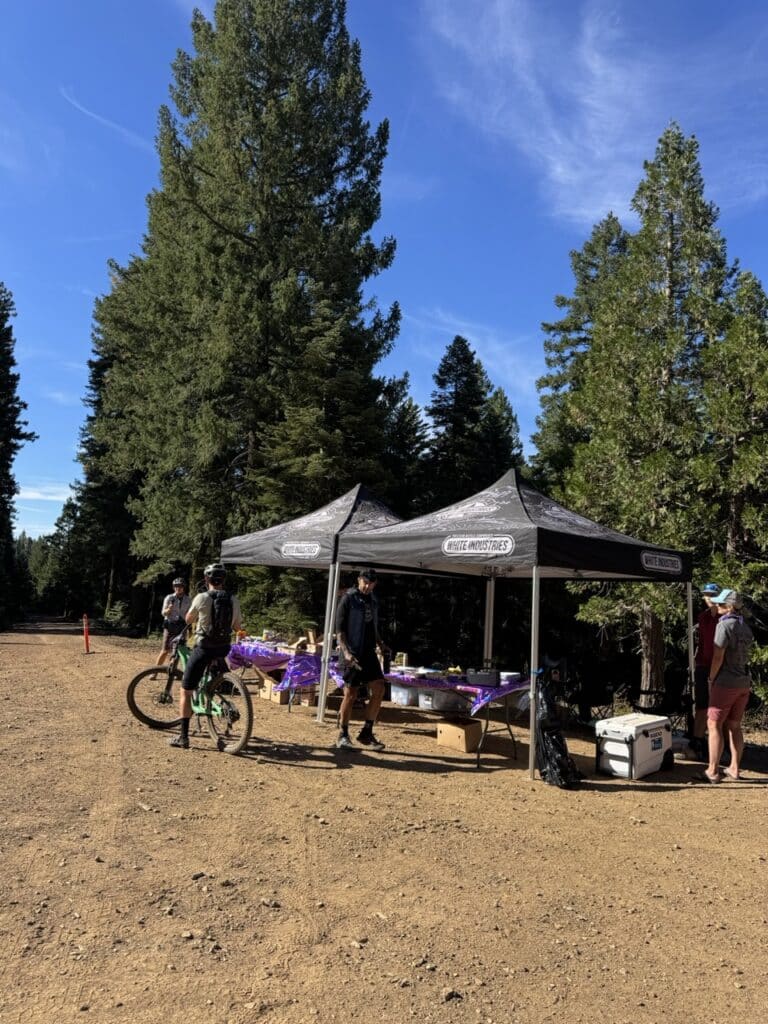
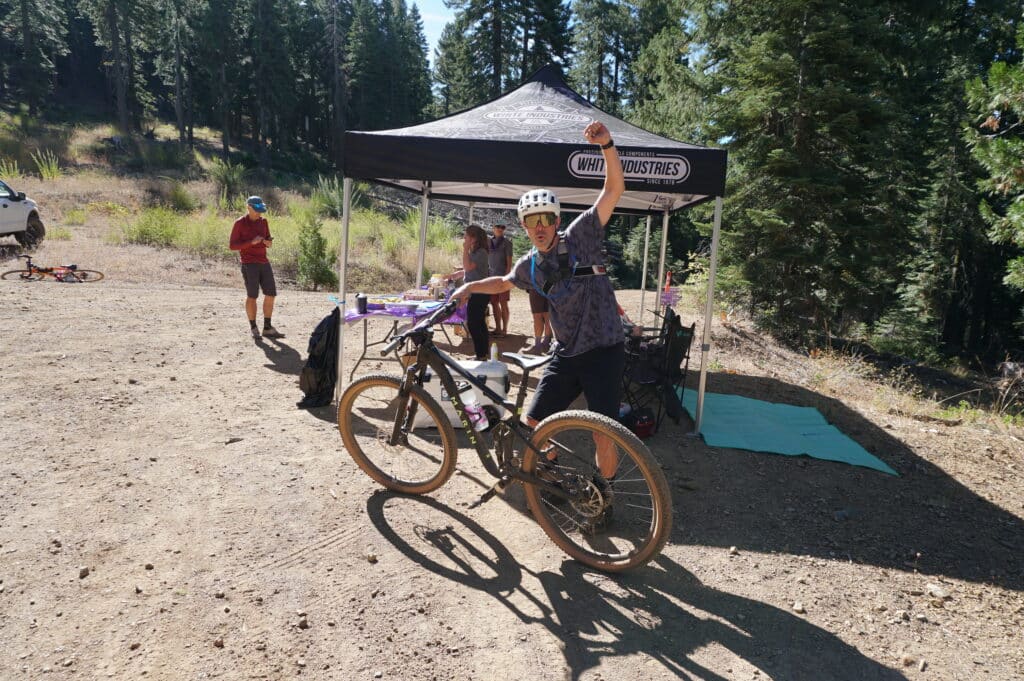
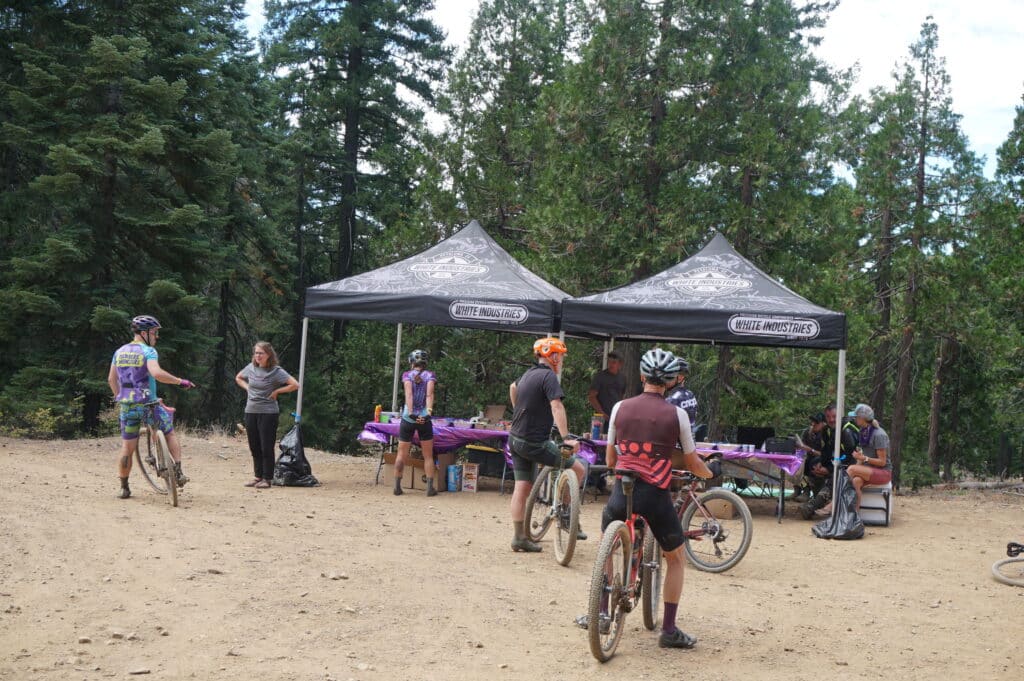
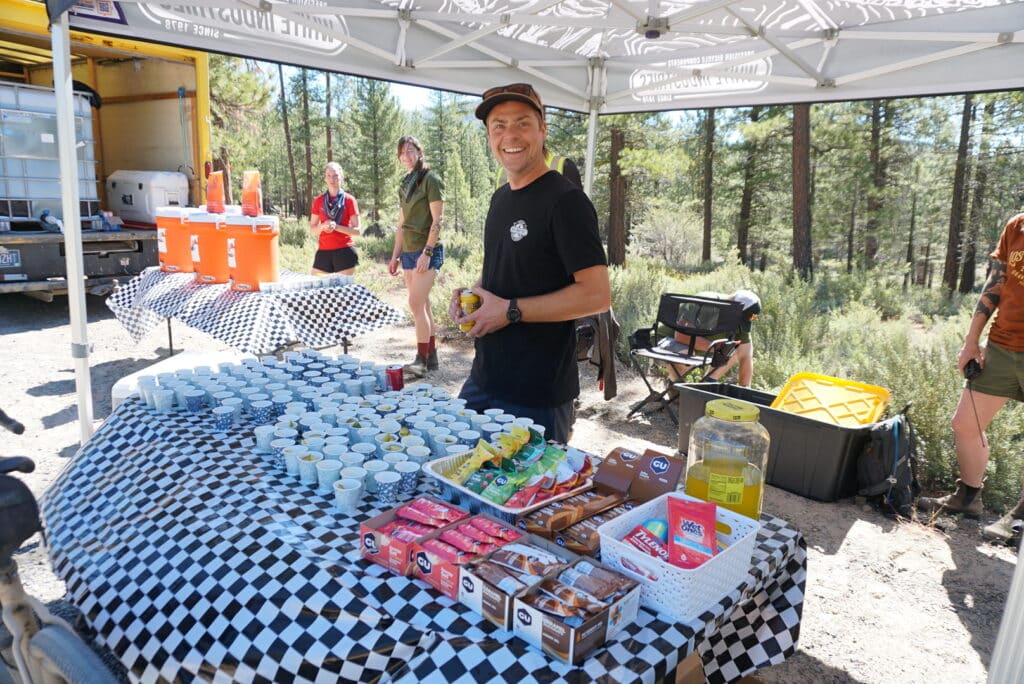
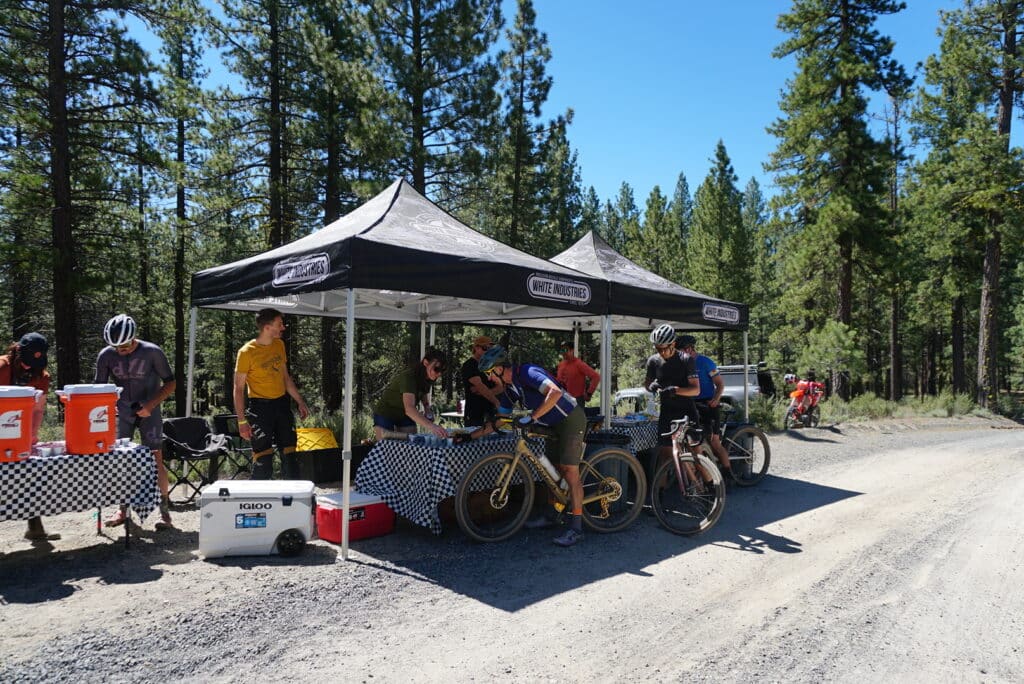
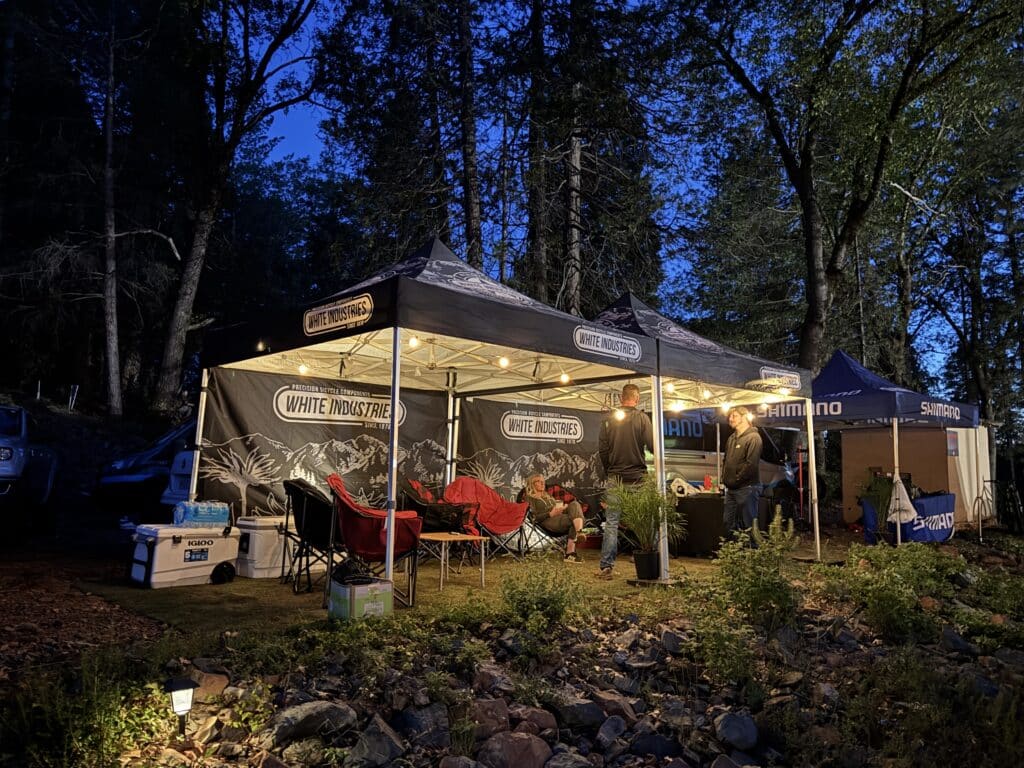
Throughout Saturday, we were on course supporting riders. The Aid station was buzzing with fun dance music, familiar faces, longtime customers, and plenty of new riders discovering White Industries for the first time.
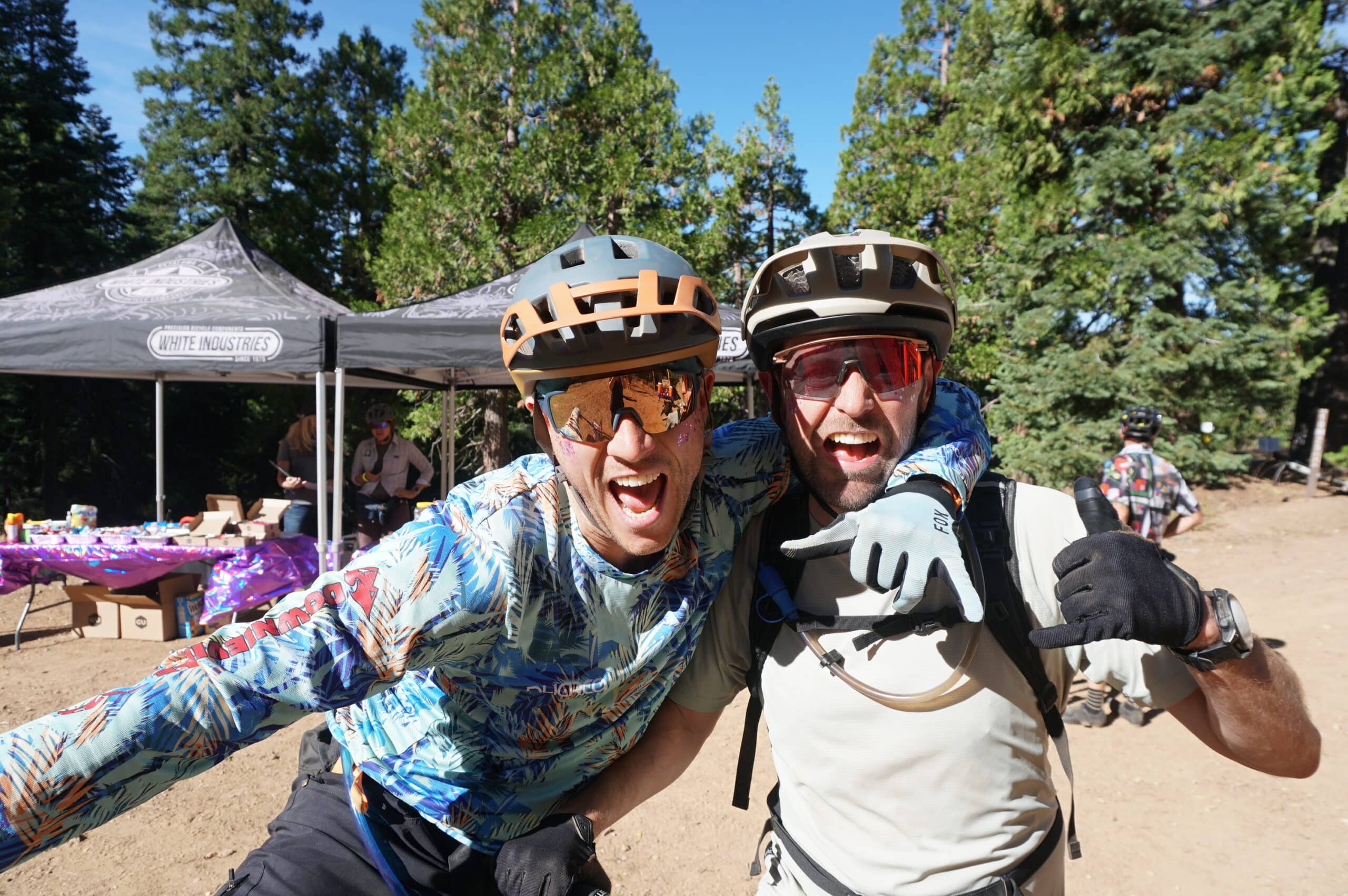
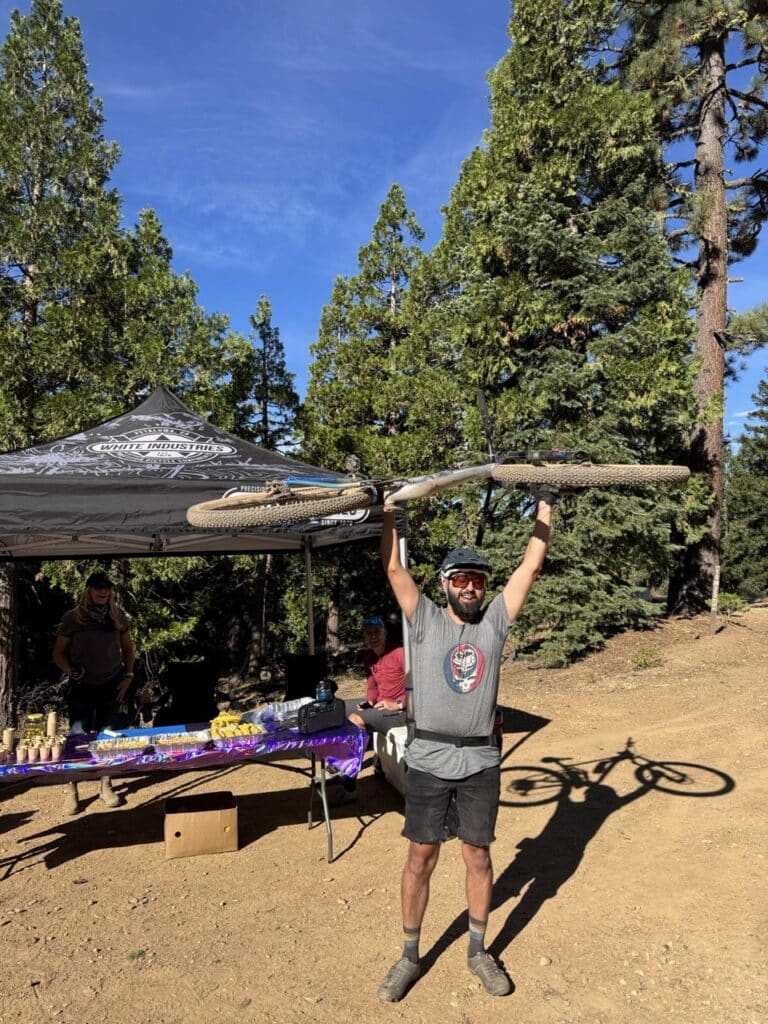
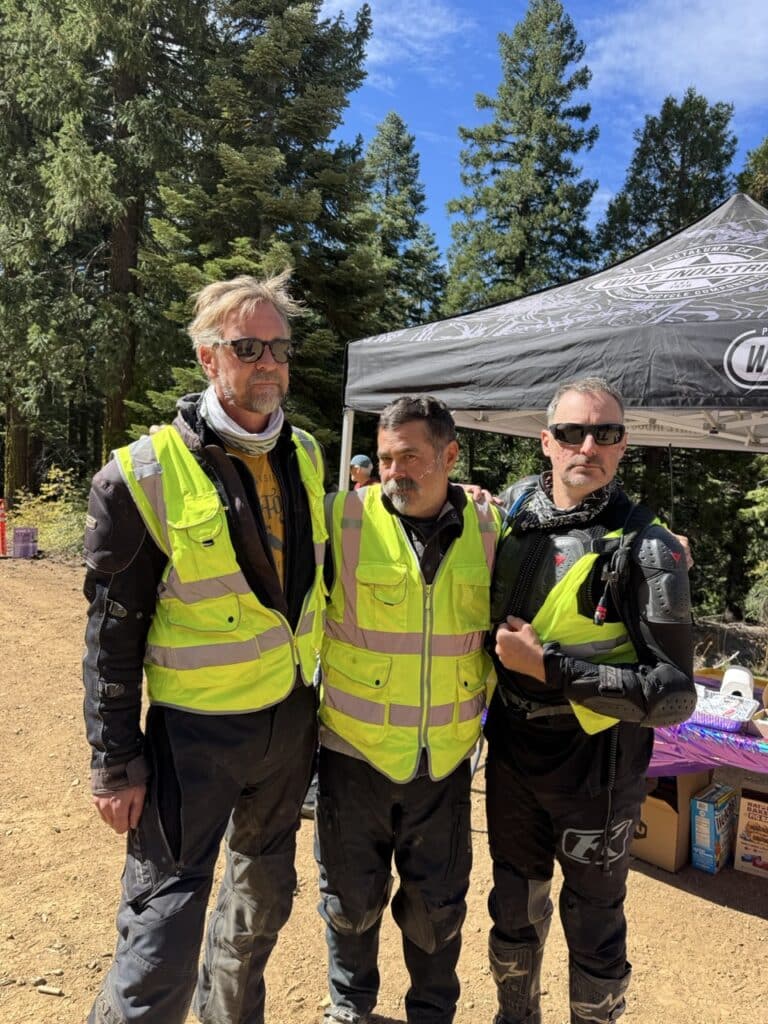
Big thanks to Dr. Robb, Greg and Darrin for participating in the SparkleFest at our Aid Station! The Best Zoolander poses of the weekend!
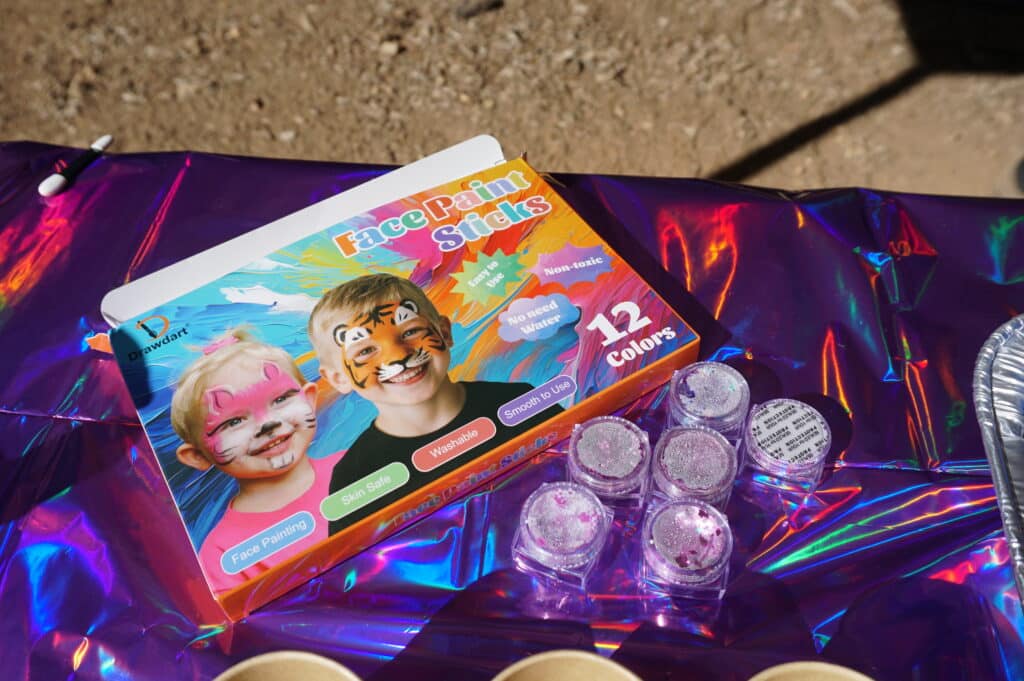
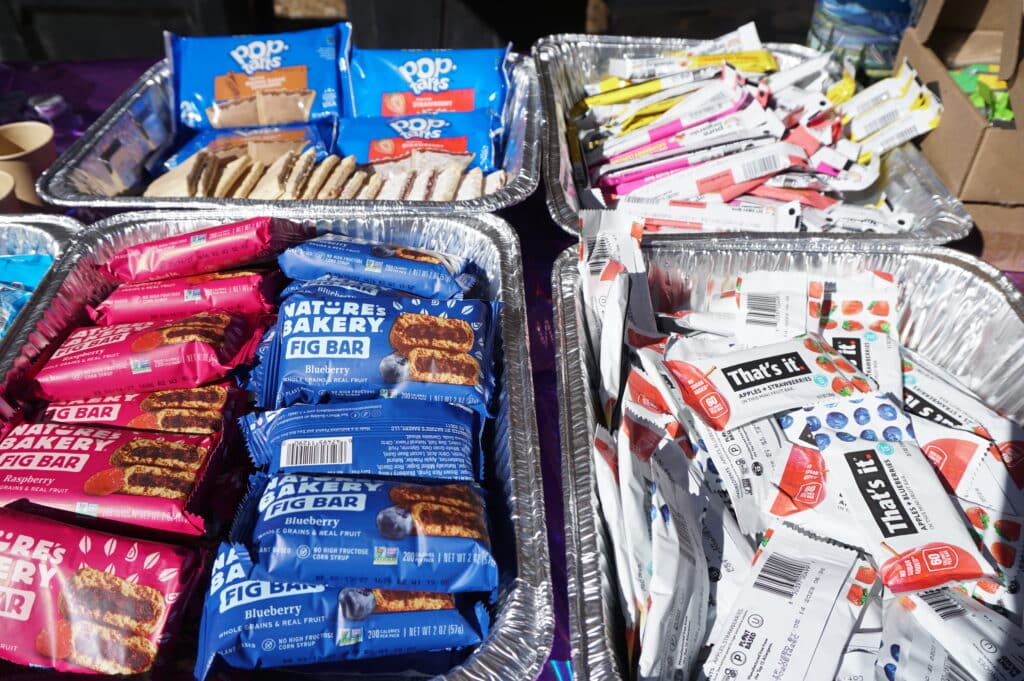
It was fantastic to see everyone take it to the limit and then stop for all the snacks and maybe some glitter for extra watts(wink wink). Thanks to everyone who stopped by and chatted, danced and have a good ol’ time.
We especially enjoyed hearing stories from riders whose White Industries hubs, cranks, and freewheels have been spinning reliably for thousands—and sometimes tens of thousands—of miles. Those conversations are a reminder of why we build products designed to last.
Built for Events Like This
Events like Grinduro remind us why we do what we do.
The miles are long. The terrain is demanding. The weather can change in an instant from sunny and lovely to sunny and WIIIIIINDDDDY!
Your components need to disappear beneath you—working flawlessly so you can focus on the ride, the scenery, and the experience.
That’s the philosophy behind every product that leaves our Petaluma, California facility. Precision machining, thoughtful engineering, and long-term reliability aren’t just features—they’re the foundation of every White Industries component.
Until Next Year
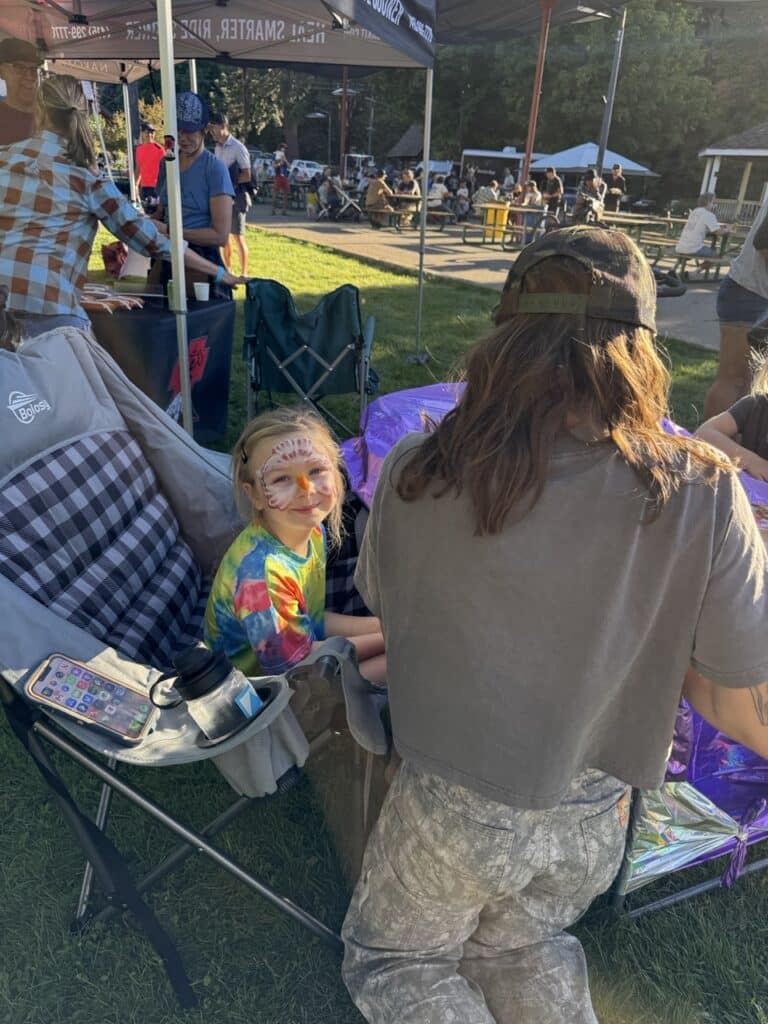
To everyone who stopped by the aid station, got their face painted by the world’s worst face painter, shared stories, asked questions, or simply said hello—thank you.
We always leave Grinduro inspired by the people who make this community so welcoming and passionate. It’s events like these that remind us cycling is about more than bikes. It’s about the adventures we share and the friendships we build along the way.
We can’t wait to do it all again next year.
Until then, keep exploring new roads, chasing new adventures, and riding the equipment that’s built for the long ride.
Don’t Forget the Components That Will Get You There—and Back.
There’s something special about Grinduro in Quincy, CA.
Maybe it’s the Sierra scenery. Maybe it’s the SBTS community. Maybe it’s the perfect mix of gravel racing, mountain biking, live music, and post-ride celebrations. Whatever draws you in, one thing is certain: it’s an event that rewards preparation just as much as fitness.
When your ride includes long gravel climbs, fast descents, rough forest roads, and miles from the nearest bike shop, every component on your bike matters, especially when it comes in Purple.
That’s where White Industries comes in for your bike and on the course.
Built for Big Days in the Mountains
Grinduro isn’t just another gravel event. It’s an adventure that challenges both the rider and your bike. You need components that perform mile after mile without demanding your attention.
White Industries components are designed, machined, and assembled in Petaluma, California with one goal in mind: reliability. Whether you’re racing for a podium or riding simply to enjoy the experience, confidence in your equipment lets you focus on the ride—not your bike.
Upgrade Before Race Day
If you’re dialing in your bike before heading to Quincy, here are a few upgrades worth considering.
T30 Titanium Cranks
Lightweight, incredibly durable, and engineered for years of riding, the new T30 Titanium Cranks combine premium performance with the unmistakable ride quality of titanium. Every pedal stroke counts on long climbs, and these cranks are built to deliver smooth, efficient power all day long.
Precision Hubs
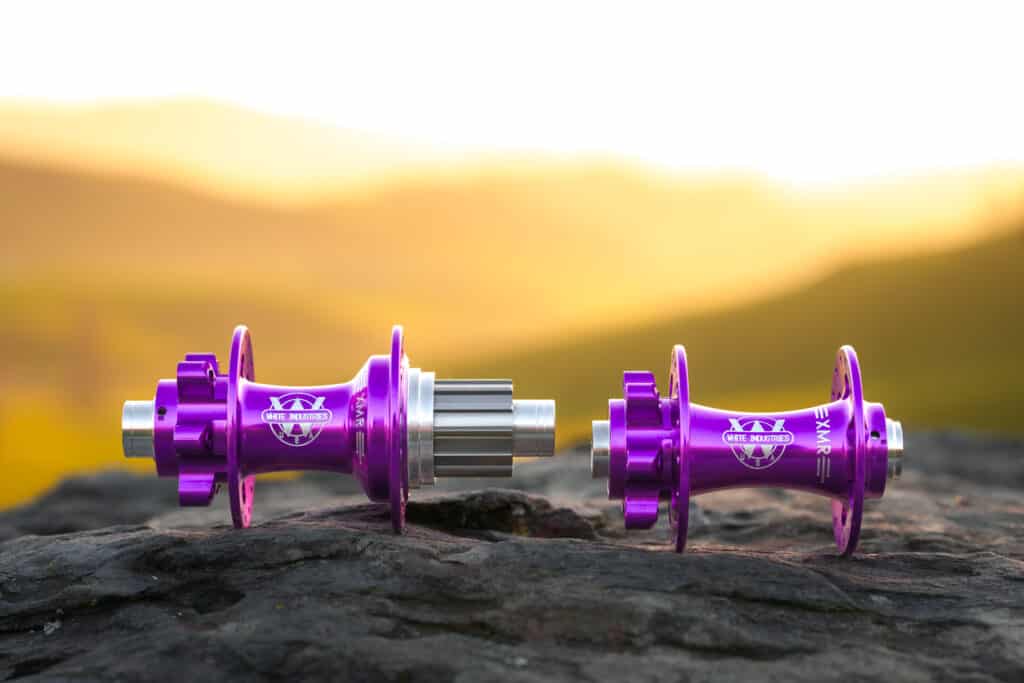
Whether you’re rolling through chunky gravel, smooth pavement, or technical descents, White Industries hubs are known for dependable engagement, smooth bearings, and long-term durability. They’re designed to keep spinning long after the finish line.
Seat Collars
Sometimes it’s the smallest components that make the biggest difference. Our precision-machined seat collars provide secure clamping with clean aesthetics, helping ensure your saddle stays exactly where you set it throughout the ride.
Top Caps/Headsets
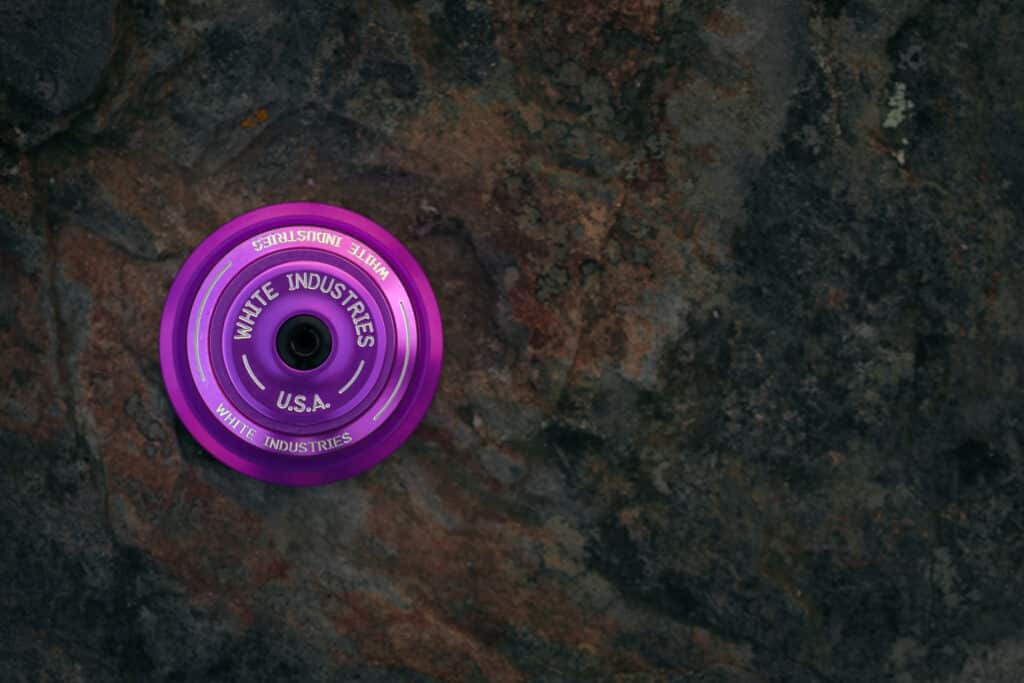
Every custom bike deserves a finishing touch. White Industries top caps/Headsets let you add a little personality while matching the craftsmanship found throughout the rest of your build.
Designed for the Long Ride
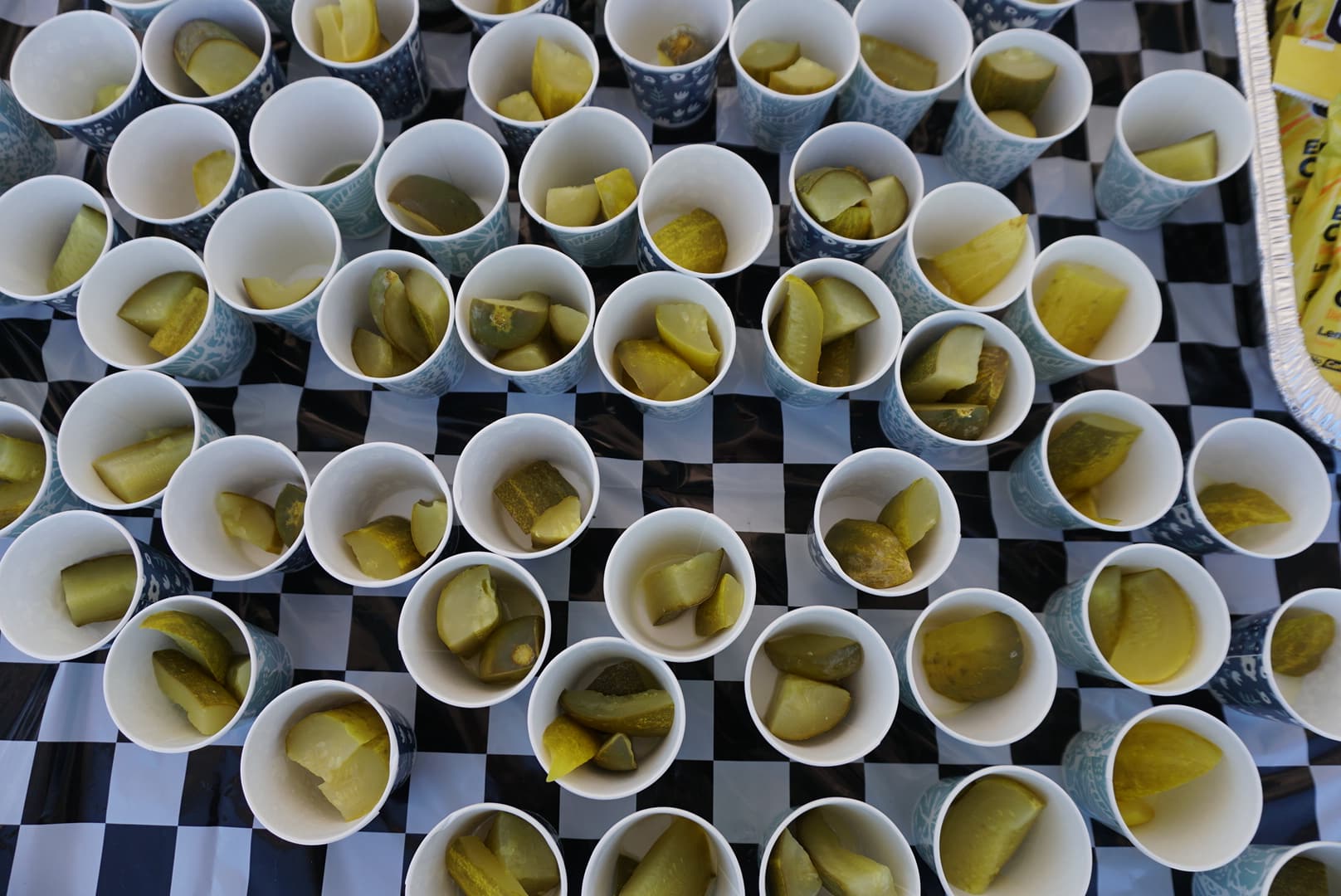
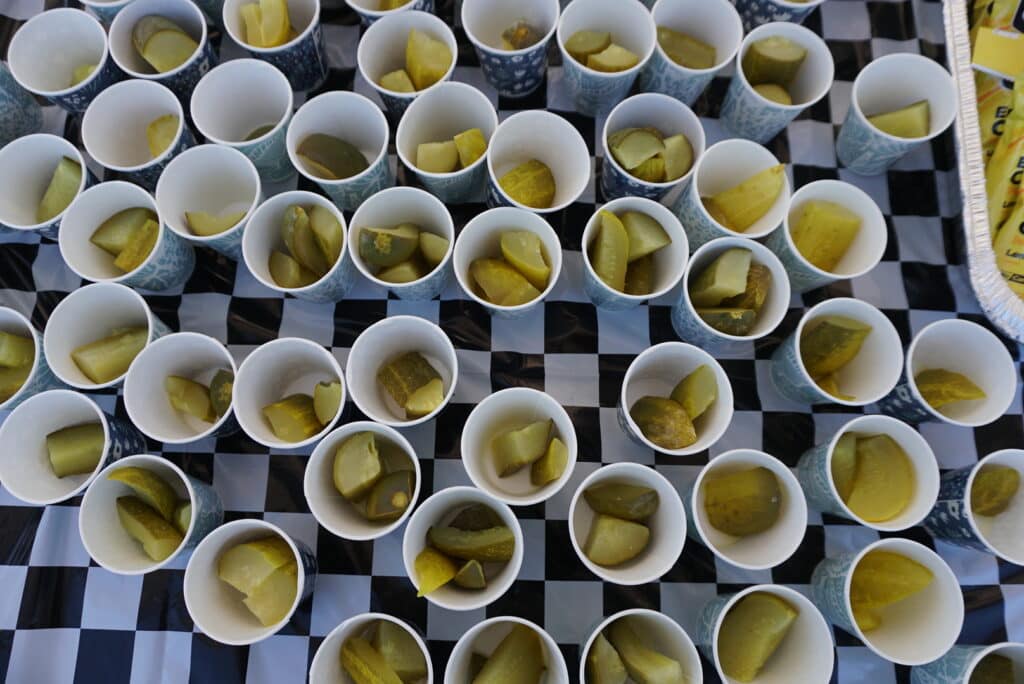
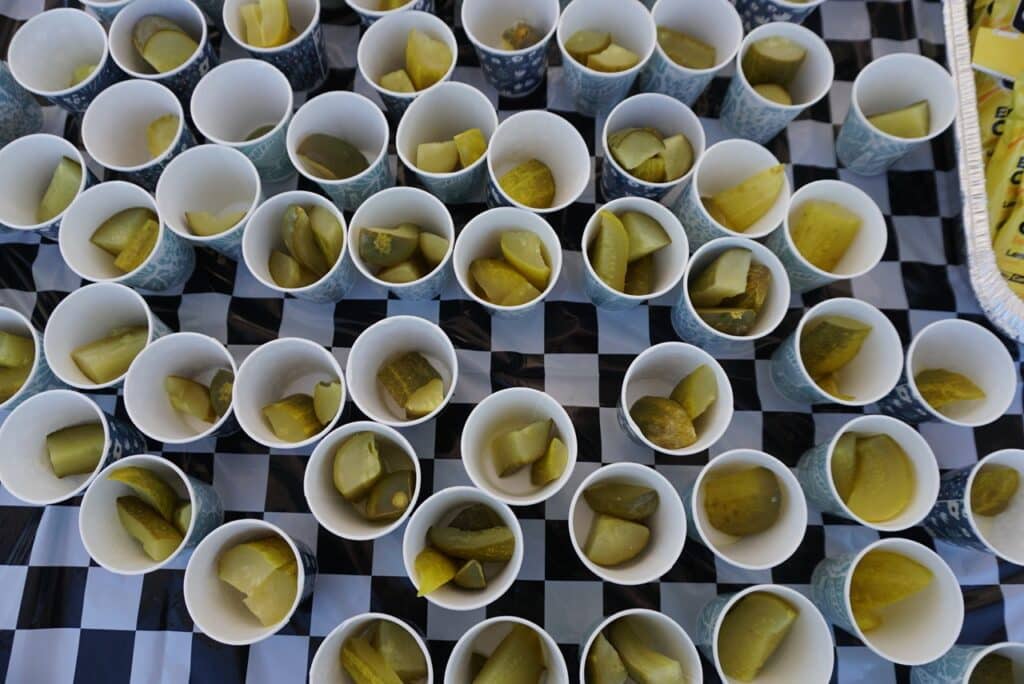
Grinduro isn’t just about speed—it’s about enjoying the journey. The climbs, the conversations, the aid stations(insert pickles here), and the unforgettable (timed)sections all become part of the story. Make sure to stop by and say hi at the aid station!
Stop by and Say Hello
If you’re heading to Grinduro Quincy this year, we’d love to see you. Stop by the White Industries booth to check out our newest products, including the T30 Titanium Cranks, precision-machined Seat Collars, Top Caps, and more. Meet the team, talk bikes, and see what we’ve been building right here in California.
Whether you’re lining up for the timed segments or simply soaking in one of the best weekends in gravel cycling, we’re excited to be part of the adventure.
See You in Quincy!
We’ll be there with new products, SNACKS, familiar faces, and plenty of inspiration for your next build. Swing by the booth, say hello and definitely give us a high five.
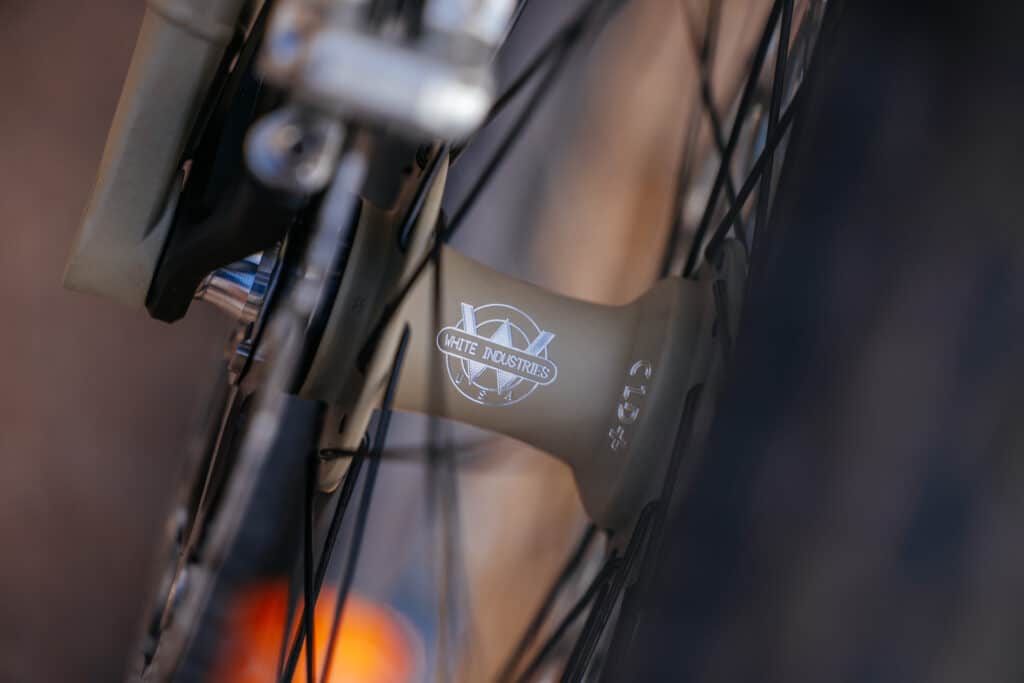
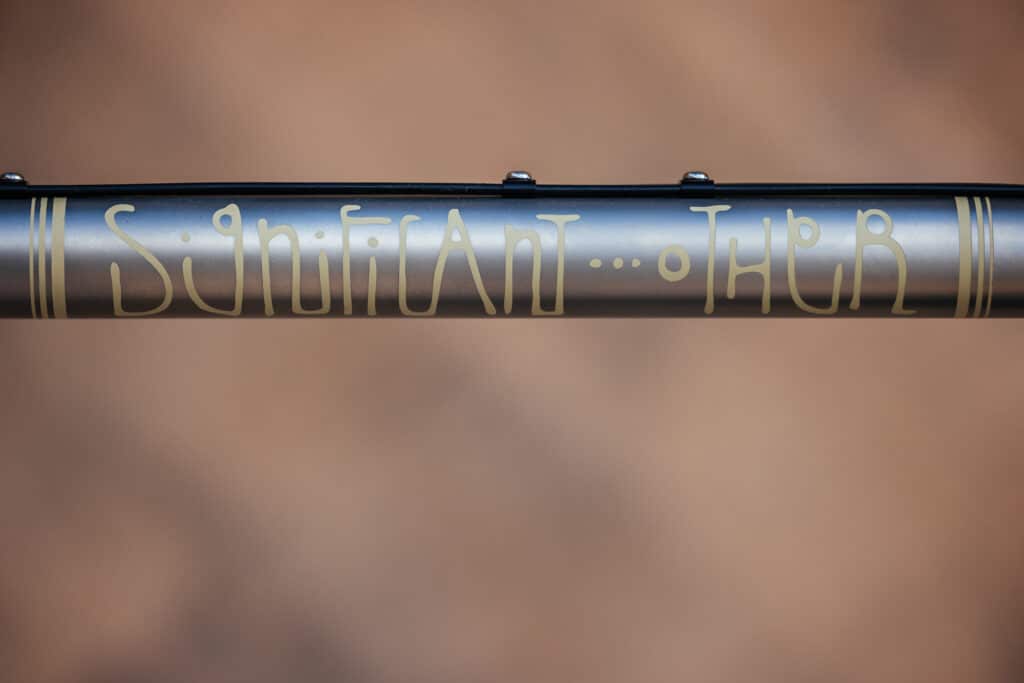
For the launch of our Limited Edition Desert Sage Collection, we wanted to showcase the finish on a bike that felt equally thoughtful, distinctive, and special. Enter John Watson’s custom Significant Other.
Built around a custom frame from Significant Other, the bike was finished to complement our Desert Sage Hubs, creating a remarkably cohesive build from the frame to the smallest details. Big shout out to Ashley and Josh from Brindle Customs on the fabulous finishing of the bike.
Desert Sage, Meet Significant Other
The idea behind Desert Sage came from the places we love to ride—dusty roads, sagebrush, granite peaks, and the rugged beauty of the Eastern Sierra. It’s an understated color with plenty of character, and we knew it would pair beautifully with a custom bike.
The Significant Other provided the perfect canvas.
From the Desert Sage hubs and T30 Titanium crankset to the polished silver headset and finishing components, the matching Cerakote on the coil shock and rear triangle create a visual thread that ties the entire bike together, kinda like the rug and room in the Big Lebowski.
The Builder
And we have to give a huge shoutout to Ashley from Significant Other, who is just plain awesome. She brings so much creativity, personality, and good energy to everything she does.
She was a huge part of bringing the vision for this build together, and we’re pretty stoked with how it all came to life. Ashley also won 3rd for People’s Choice at MADE. Not surprising at all.
John’s Significant Other Ded Reckin White Industries Build
Built to Be Ridden
Of course, looking good is only part of the equation.
Every (not the T30 cranks) White Industries component on the Significant Other build is precision-machined and assembled in Petaluma, California, carrying the same focus on performance, serviceability, and longevity as our standard finishes. All made under one roof.
The Desert Sage Cerakote adds an exclusive look while maintaining the durability needed for real-world riding.
Because the goal was never to build a bike that simply looks good sitting in a booth.
It’s a bike meant to get dirty. Side note, John had the bike built two weeks before the show and he was so kind to keep it show clean and not ride it. What a rad guy to hold out from playing with your new bike! Thanks buddy!
John’s Significant Other Ded Reckin White Industries BuildJohn’s Significant Other Ded Reckin White Industries Build
A Desert Sage Showpiece
We brought John Watson’s Significant Other build to MADE as part of the Desert Sage launch, and it quickly became one of those bikes people stopped to admire.
It’s the kind of build that rewards a closer look. The longer you stare, the more details you find—and that’s exactly what we love about it.
The frame. The finish. The components. The little touches.
Everything has a purpose.
John’s Significant Other Ded Reckin White Industries BuildJohn’s Significant Other Ded Reckin White Industries Build
Limited Edition, Made to Order
The Desert Sage Collection is available as a limited production run until September 18th, with components made to order.
Inspired by the Eastern Sierra and brought to life through White Industries’ precision manufacturing in Petaluma, Desert Sage was created for riders who want something a little different without losing the performance and craftsmanship they expect.
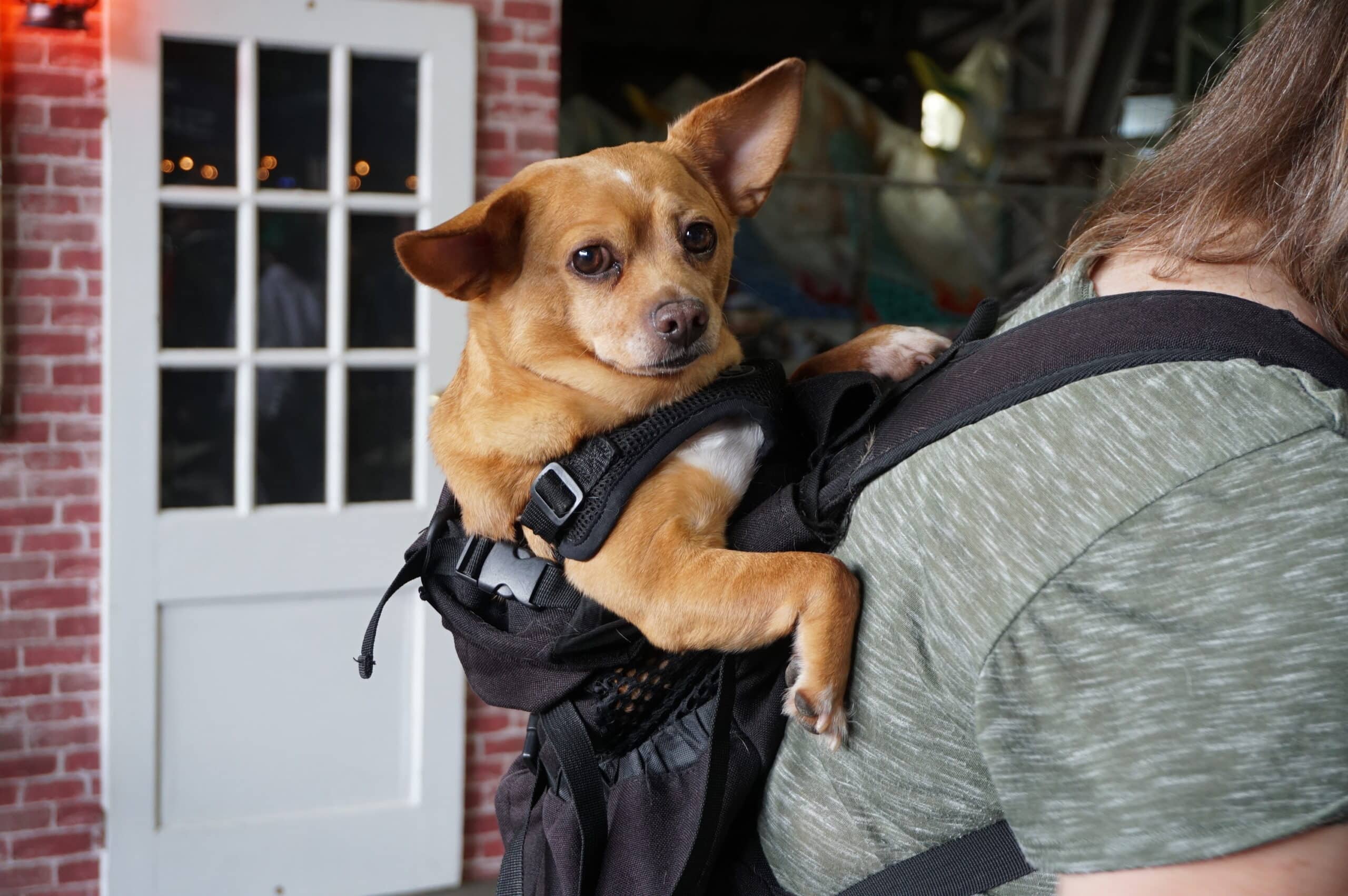
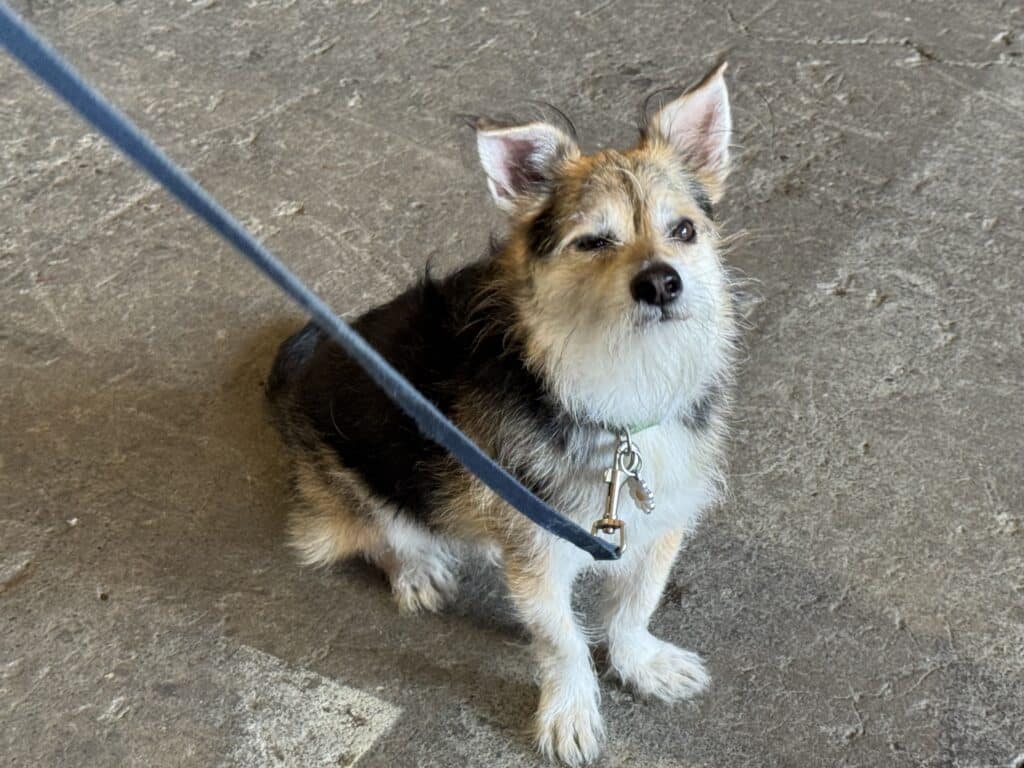
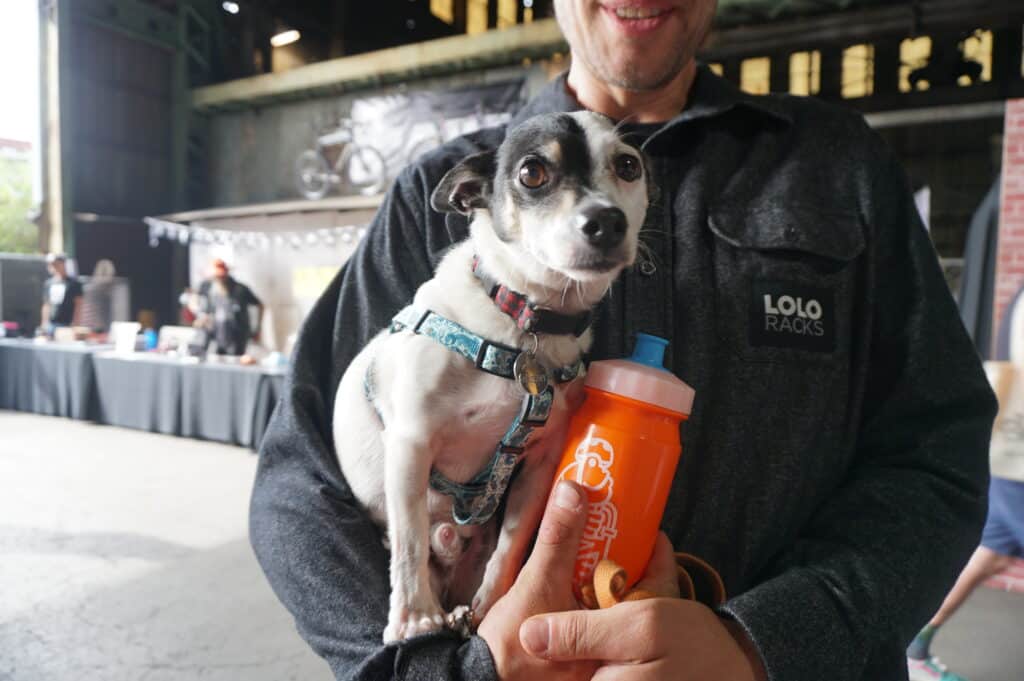
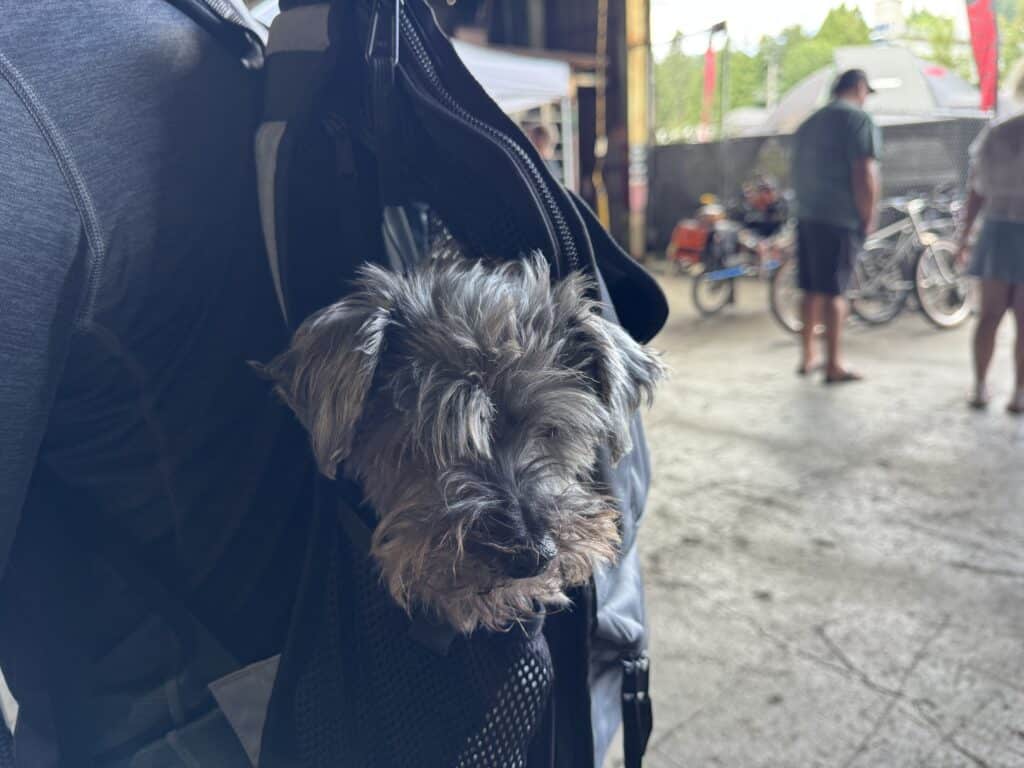
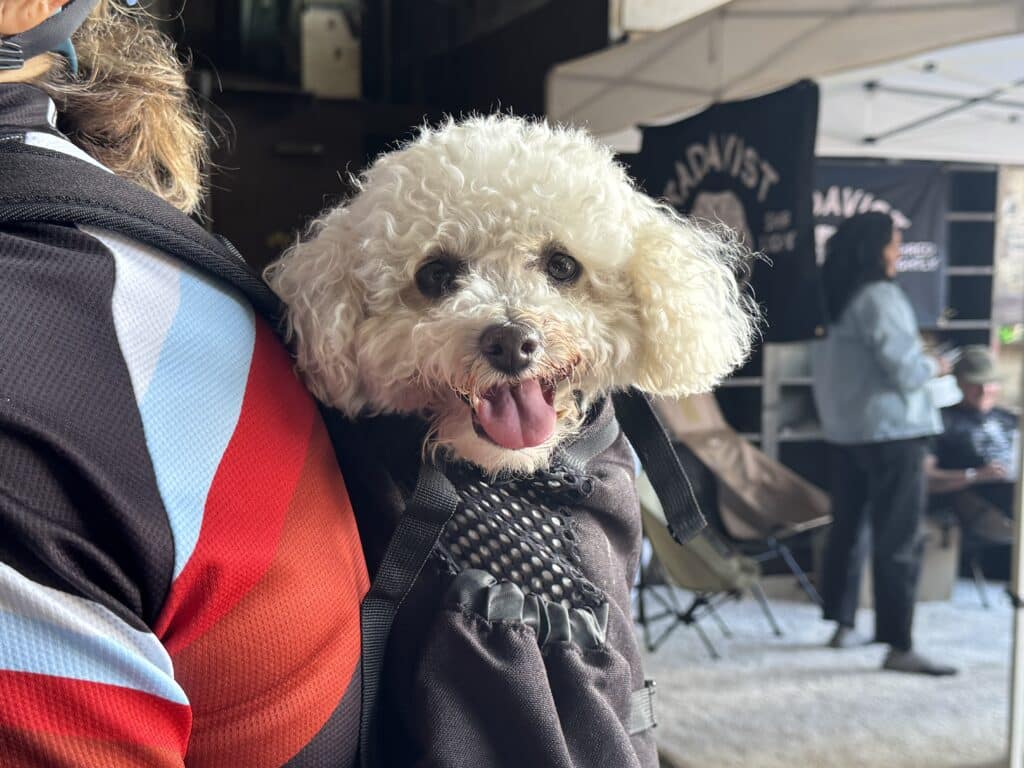
MADE is all about beautiful bikes, incredible builders, and the people who make this industry so special—but let’s be honest, the dogs deserve some credit too.
Bean was a crowd favorite from Pine Cycles.
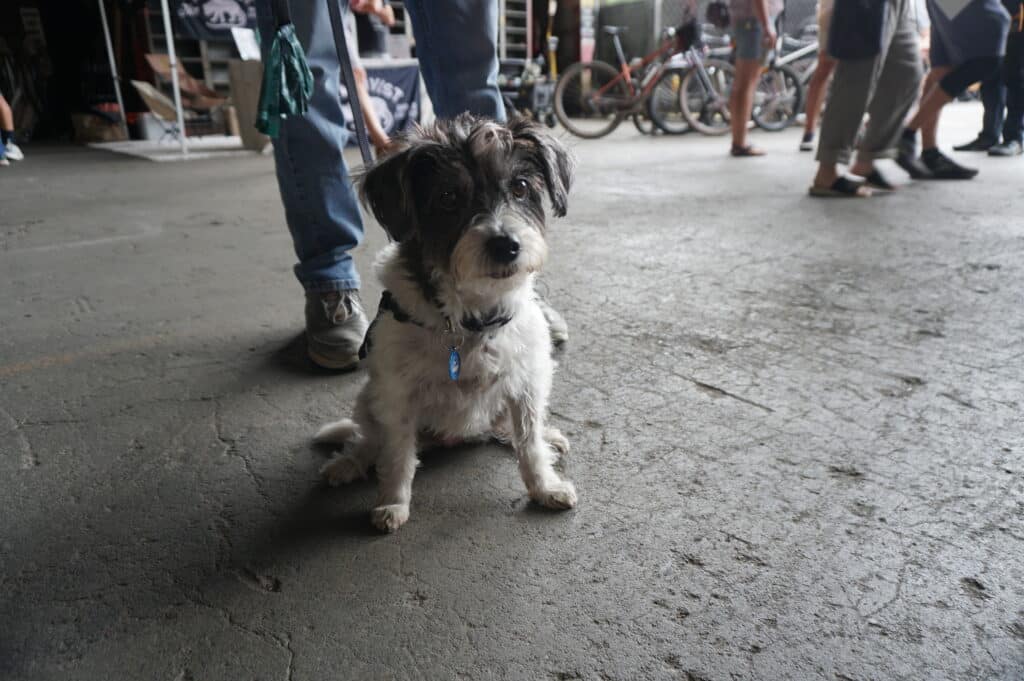
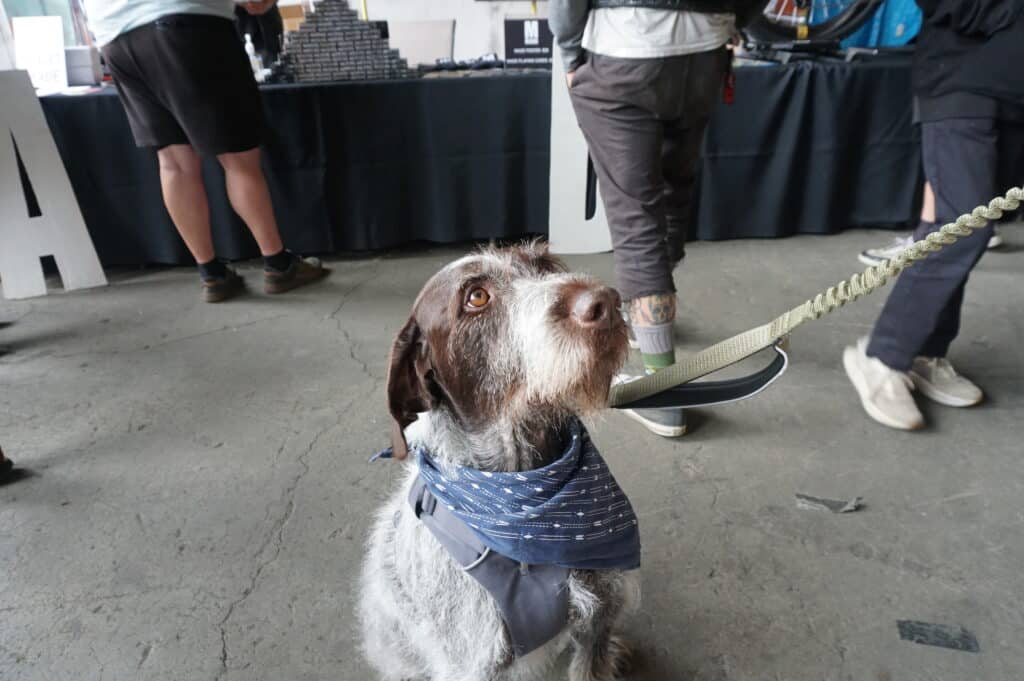
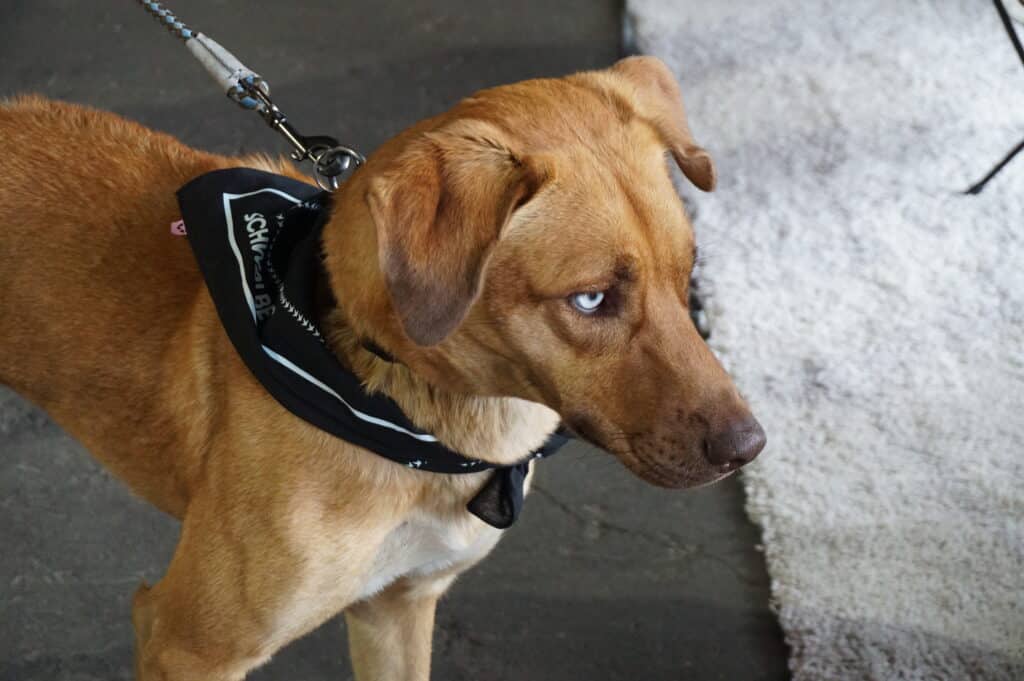
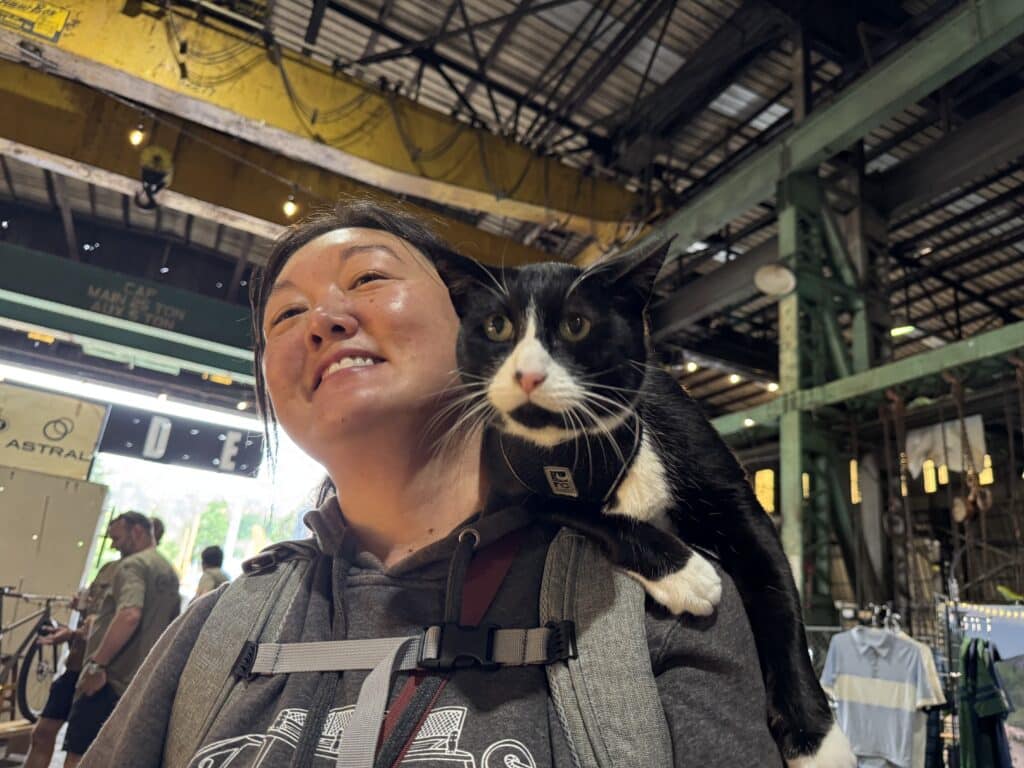
From booth hangouts to show-floor strolls, the Dogs of MADE 2026 brought plenty of personality, good vibes, and very important moral support.
Every year, the MADE Show brings together some of the most innovative builders, designers, and component manufacturers in cycling. It’s a place where craftsmanship takes center stage, conversations spark new ideas, and every bike tells a story.
This year’s event was no exception.
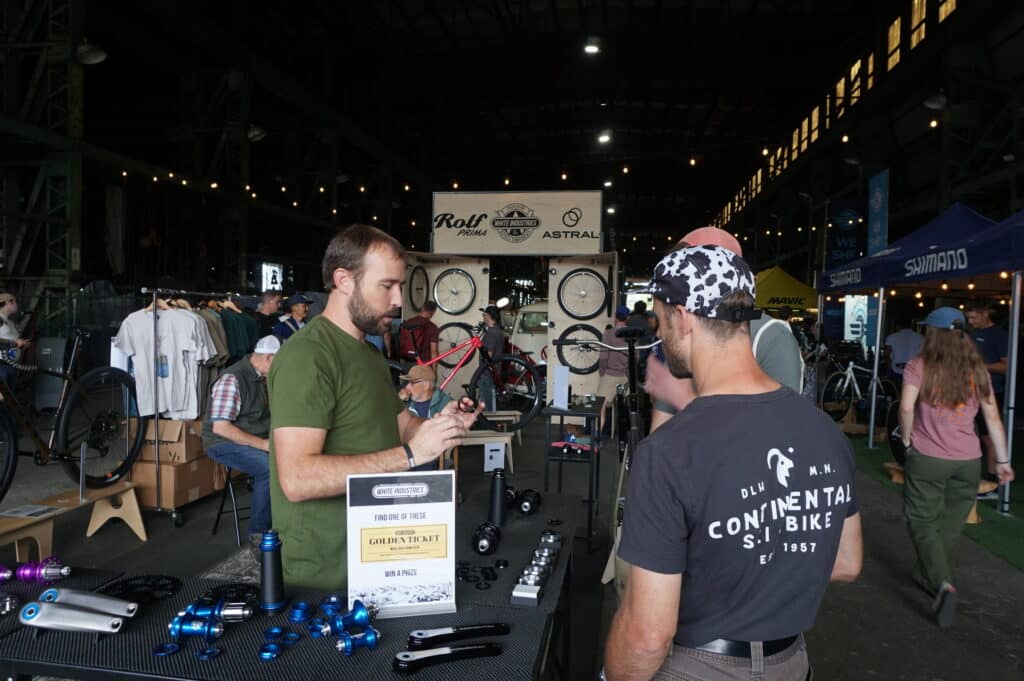
From the moment the doors opened, our booth was filled with passionate riders, custom frame builders, industry friends, and longtime White Industries supporters who stopped by to see what we’ve been working on. Thank you to everyone who took the time to visit, ask questions, and share stories—we always leave MADE inspired by this incredible community. Big thanks to the MADE crew who make this all happen!
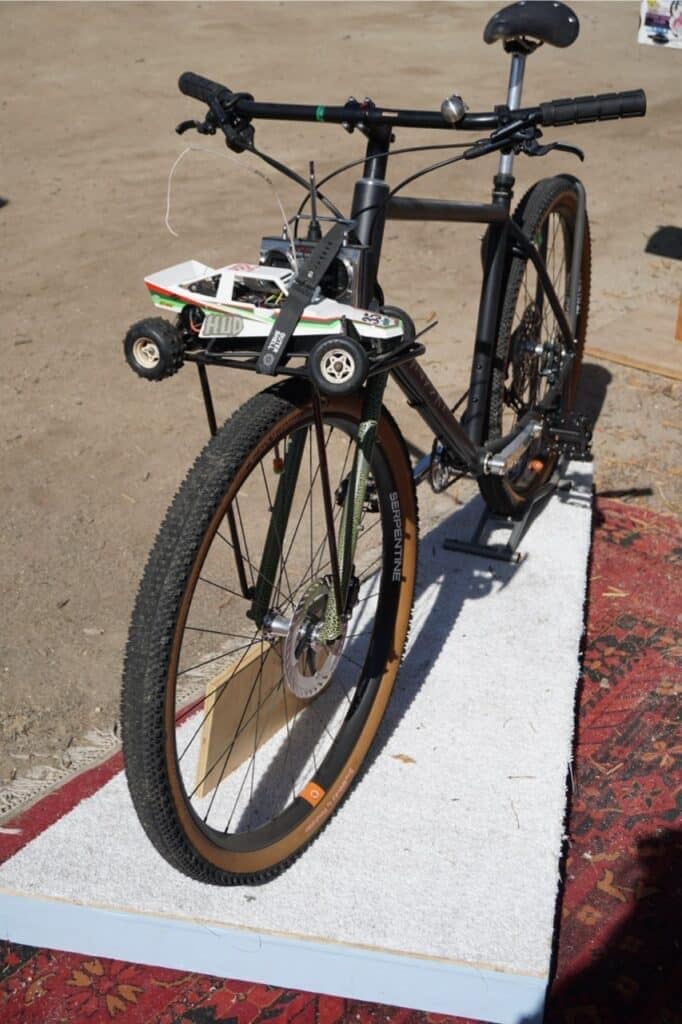
One of the most entertaining parts of MADE was our little RC car, which quickly became a rolling billboard for all our industry friends. We spent the weekend cruising around, delivering drinks, handing out stickers, and collecting stickers from some of the awesome brands and builders at the show. By the end of the weekend, that little car was absolutely covered in stickers—and had become a pretty perfect representation of the camaraderie, creativity, and downright fun that makes the cycling industry so special. It was a blast crawling around the show floor and getting to share a few laughs, cold drinks, and stickers along the way.
Desert Sage Takes Center Stage
One of the biggest highlights of the weekend was the debut of our Limited Edition Desert Sage collection.
Inspired by the Eastern Sierras, Desert Sage offers a fresh take on our signature anodized finishes. Under the twinkle lights of the show—and especially when paired with a Significant Other frame—the color struck the perfect balance between understated and unmistakable.
Throughout the weekend, Desert Sage became one of the most talked-about finishes in our booth. Riders loved how versatile it looked, complementing everything from raw titanium and polished aluminum.
As a limited-edition color way, Desert Sage represents what White Industries loves most: creating products that are as timeless in style as they are in performance.
A Crowd Favorite: The Significant Other Bike
Another standout attraction at our booth was the beautiful Significant Other bicycle on display.
The bike quickly became a favorite among attendees, drawing people in with its clean lines, thoughtful details, and cohesive component selection. It perfectly showcased what happens when exceptional frame craftsmanship meets precision-machined components.
From the Desert Sage accents to the carefully curated finishing kit, the build embodied the spirit of MADE—where artistry and engineering come together to create something truly unique.
Watching people stop, study every detail, and snap photos reminded us why custom bicycles continue to inspire so much passion within the cycling community.
A Show Stopper, All The Way From Namibia
The Onguzabuild is a beautiful example of what happens when thoughtful frame design meets carefully chosen components. Built with a clear focus on function, craftsmanship, and timeless aesthetics, the bike pairs the distinctive character of the Onguza frame with White Industries components to create a cohesive build that’s ready to be ridden and admired. From the precision-machined hubs to the finishing touches throughout the bike, every detail feels intentional—proof that a great bike is more than the sum of its parts.
Talk about a little MADE magic!
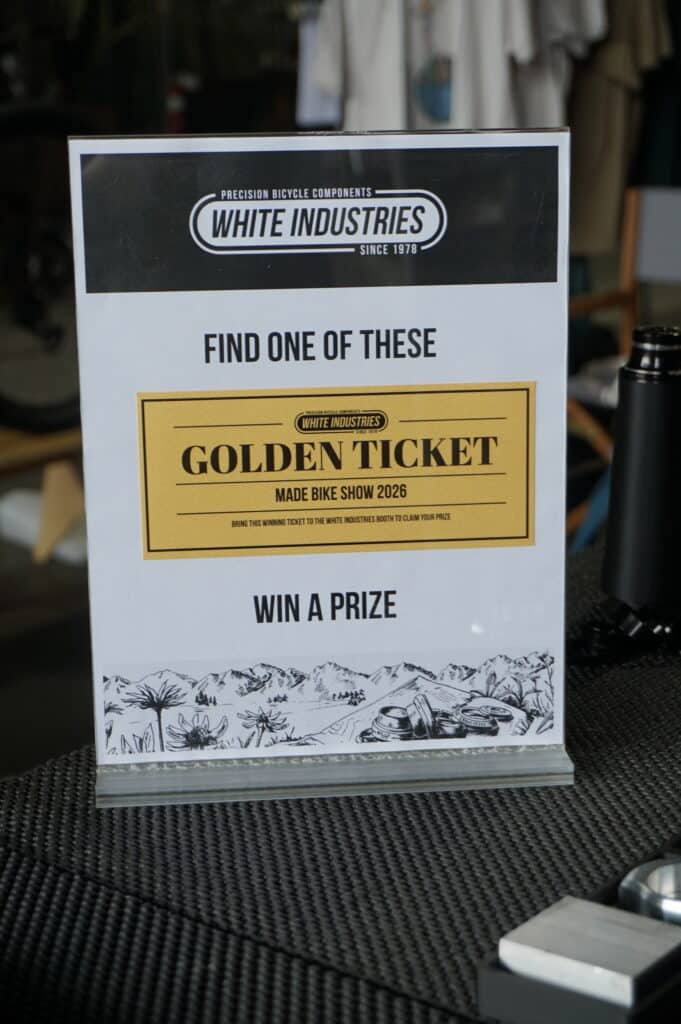
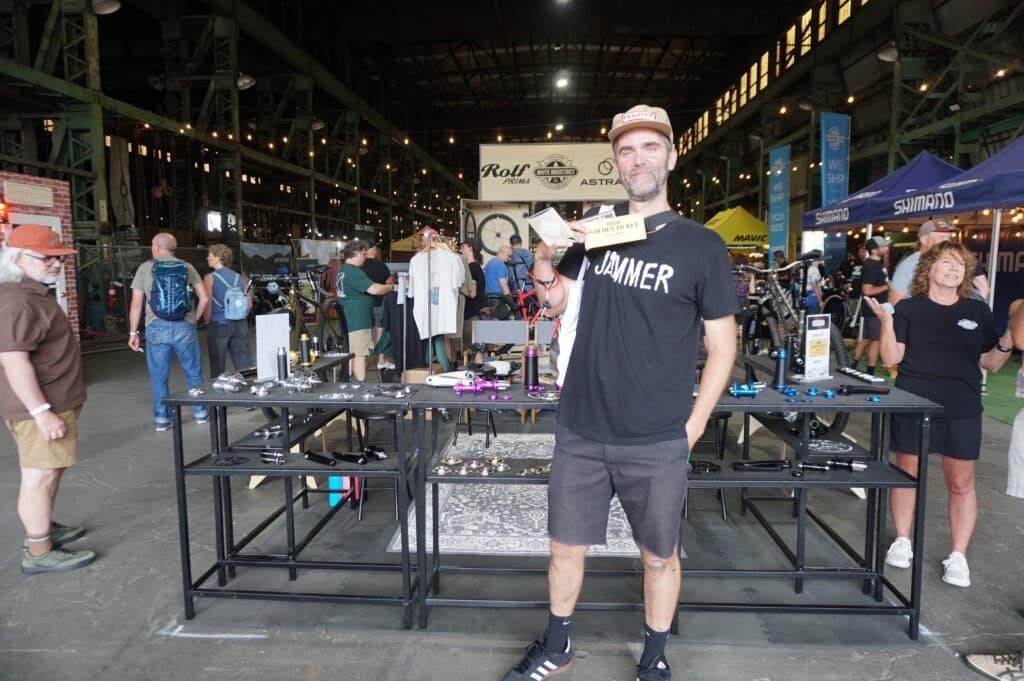
One of the most fun surprises of the show was our Golden Ticket giveaway. We hid a bunch of golden tickets all around the MADE show floor, and watching people hunt for them and get increasingly determined to find them was seriously entertaining.
It was such a fun way to bring a little extra playfulness to an already incredible weekend. Thanks to everyone who joined in the hunt—and congratulations to our lucky winners.
Sometimes the best part of a bike show is finding something you weren’t even looking for.
Conversations That Matter
One of the best parts of MADE isn’t just displaying products—it’s connecting with the people who ride them.
We had the opportunity to speak with custom builders about future projects, reconnect with longtime dealers, meet riders building their dream bikes, and hear firsthand how White Industries components have become trusted companions on adventures around the world and for decades of use.
Those conversations reinforce why we continue to design, machine, and assemble products in Petaluma, California. Building exceptional components is only part of what we do. Supporting the builders and riders who choose them is equally important. We appreciate you all so much!
Godfathers of Mountain Biking
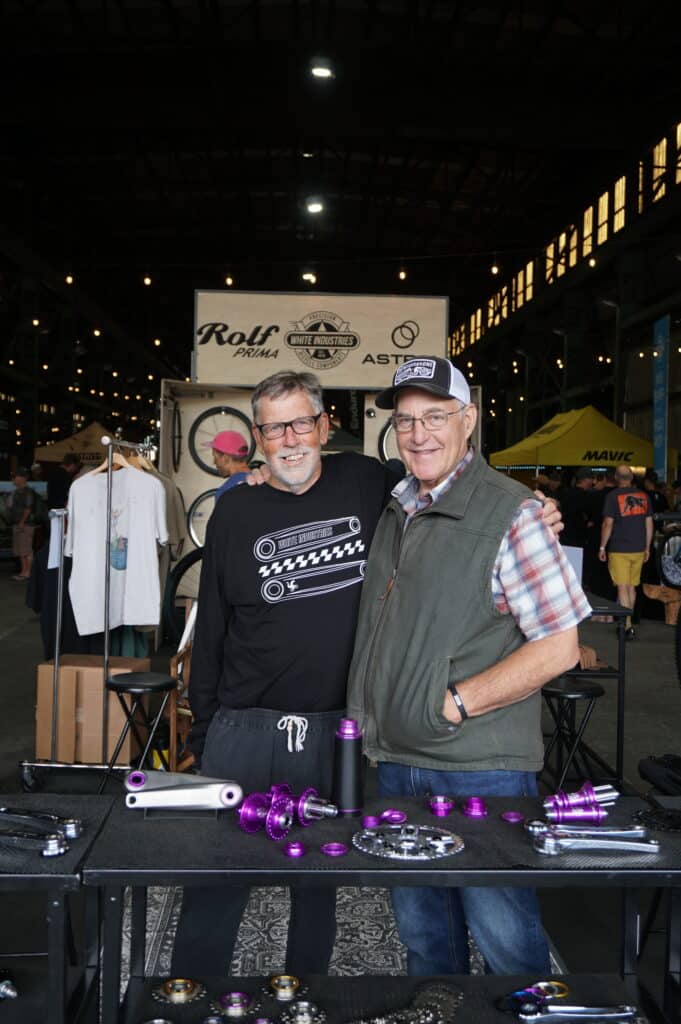
One of the many highlights of MADE was having Steve Potts and Doug White together at the White Industries booth, sharing stories about their roots and the early days of mountain biking. These two legends were there when the sport was taking shape, helping define the bikes, components, and culture that would become the foundation of modern mountain biking. Hearing them talk about those early days, the people involved, and how it all began was a pretty special reminder of just how much history lives within our cycling community. It was an honor to have them there—and even better to hear the stories straight from the source.
Doug may be half-retired, but he’s definitely not sitting still. After decades of building White Industries from the ground up, he’s handed the reins to his son, Alec White, who has taken the company into its next chapter and is absolutely crushing it. Alec is carrying forward the same commitment to quality, American manufacturing, and thoughtful engineering while bringing his own energy and vision to the brand. It’s pretty cool to see the next generation leading the way.
Thank You
To everyone who visited our booth, admired the two beautiful bikes in our booth, the Significant Other and the Onguza, checked out the new Desert Sage collection, or simply stopped by to say hello—thank you.
Big thanks to the MADE crew that makes it all happen!
Your enthusiasm, kindness( This community is so special), feedback, and passion for beautifully crafted bicycles make events like MADE so special.
We left inspired, energized, and excited for what’s next.
If you didn’t have the chance to see our latest products in person, keep an eye on our website and social channels as we’ll be sharing more from the show, including closer looks at the Limited Edition Desert Sage Collection, our newest product releases, and the incredible bikes that made this year’s MADE Show unforgettable.
Here’s to another incredible year of craftsmanship, collaboration, and building bikes that are made to be ridden for years to come.
Some places stay with you long after the ride is over.
For us, the Eastern Sierra is one of those places. Endless dirt roads disappearing into the horizon. Sagebrush swaying in the breeze. Towering granite peaks catching the last light of the day. Natural hot springs tucked away at the end of an unforgettable adventure. It’s a landscape that reminds you why you ride in the first place.
That spirit inspired our newest release: the Limited Edition Desert Sage Collection.
Inspired by Adventure
Desert Sage isn’t just another color. It’s a reflection of the places that inspire us to get outside and explore.
We wanted to create a finish that felt natural, understated, and timeless. A color that complements a handcrafted bicycle instead of competing with it. One that looks just as good rolling through alpine forests as it does covered in dust after a long day on backroads.
The result is a muted sage green that feels equally at home on gravel, mountain, road, and adventure bikes.
Limited Edition Cerakote Color
For this collection, we chose Cerakote, a premium ceramic coating known for its exceptional durability and refined matte finish.
Unlike traditional anodizing, Cerakote offers excellent resistance to scratches, corrosion, and everyday wear, making it an ideal choice for components that are meant to be ridden—not just admired.
It’s a finish designed to age gracefully, collecting stories and miles along the way.
Built the White Industries Way
Every Desert Sage component begins its journey in our Petaluma, California facility.
From raw aluminum to finished product, we machine, polish, engrave, assemble, and inspect every component with the same attention to detail that has defined White Industries for decades. Once complete, each piece receives its exclusive Desert Sage Cerakote finish before final assembly and quality inspection.
The result is a collection that pairs premium craftsmanship with a finish inspired by the outdoors.
Build Your Dream Bike
The Limited Edition Desert Sage Collection is available across many of our most popular components, making it easy to create a coordinated build.
It’s a gathering of the people who live and breathe bicycles—the builders, the machinists, the dreamers, and the riders who appreciate the details that make a bike truly one of a kind. That’s why we’re excited to announce that White Industries will be exhibiting at MADE 2026, and we can’t wait to see everyone in Portland.
For decades, White Industries has been committed to building premium bicycle components the same way we’ve always believed they should be made: with precision, craftsmanship, and pride. Every hub, crankset, bottom bracket, headset, and chainring that leaves our Petaluma, California facility reflects that philosophy. MADE is the perfect place to share that story.
Photo credit: @Krishnamuirhead64
Built for Builders
Whether you’re a custom frame builder, wheel builder, bike shop, or passionate cyclist, MADE is where craftsmanship takes center stage. It’s an opportunity to meet the people behind the products, see incredible handmade bicycles, and discover components that are designed to last a lifetime.
If you’ve never stopped by the White Industries booth before, this year is a great time to change that.
We’ll have a wide selection of our latest components on display, including hubs, cranksets, headsets, bottom brackets, chainrings, and more. You’ll also have the chance to meet the team, ask questions, and learn more about what goes into making every White Industries product right here in Petaluma, California.
Photo Credit: @Hornbecker
We’ve Been Working on Something…
Of course, we couldn’t show up to MADE empty-handed.
We’ve been busy behind the scenes, and we’re planning to unveil something special at this year’s show. We’re keeping the details under wraps for now, but if you appreciate thoughtful engineering, premium craftsmanship, and a few surprises, you’ll want to stop by our booth.
Trust us—you won’t want to miss it.
Stop By and Say Hello
One of our favorite parts of MADE is connecting with the cycling community. Whether you’ve been riding White Industries components for decades or you’re discovering us for the first time, we’d love to meet you.
Come check out what’s new, talk bikes with our team, and get a first look at what’s coming next.
We’ll see you at MADE 2026.
Built to Last. Precision Made in Petaluma, California.
For years, Brompton riders have embraced a unique way of riding. Whether you’re commuting across town, catching a train, navigating busy city streets, or traveling with your bike folded neatly at your side, a Brompton isn’t just a bicycle—it’s a lifestyle.
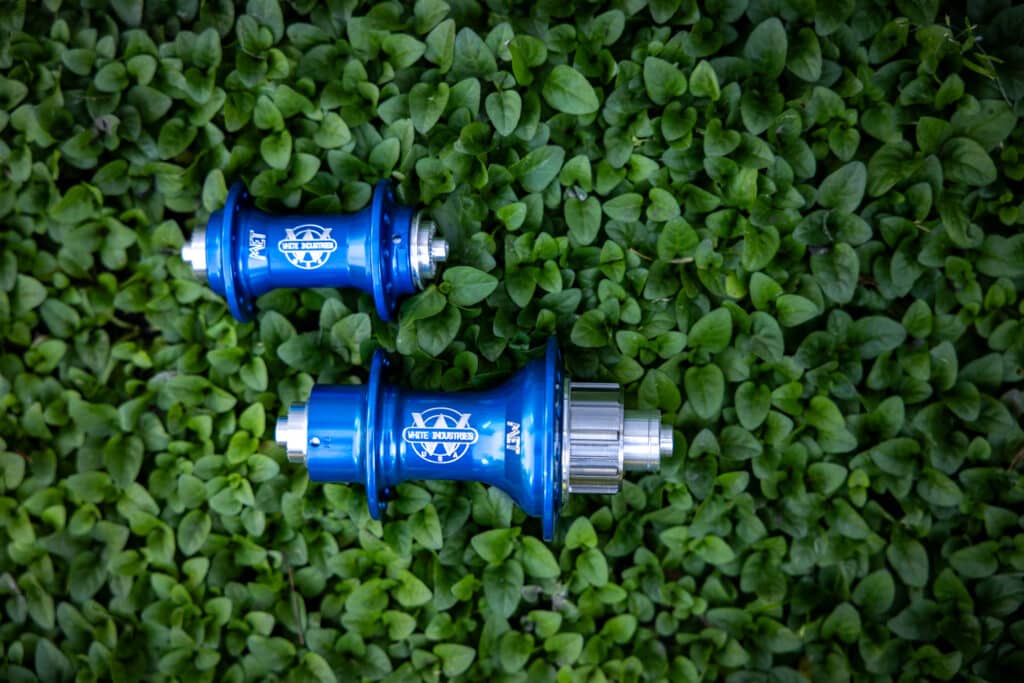
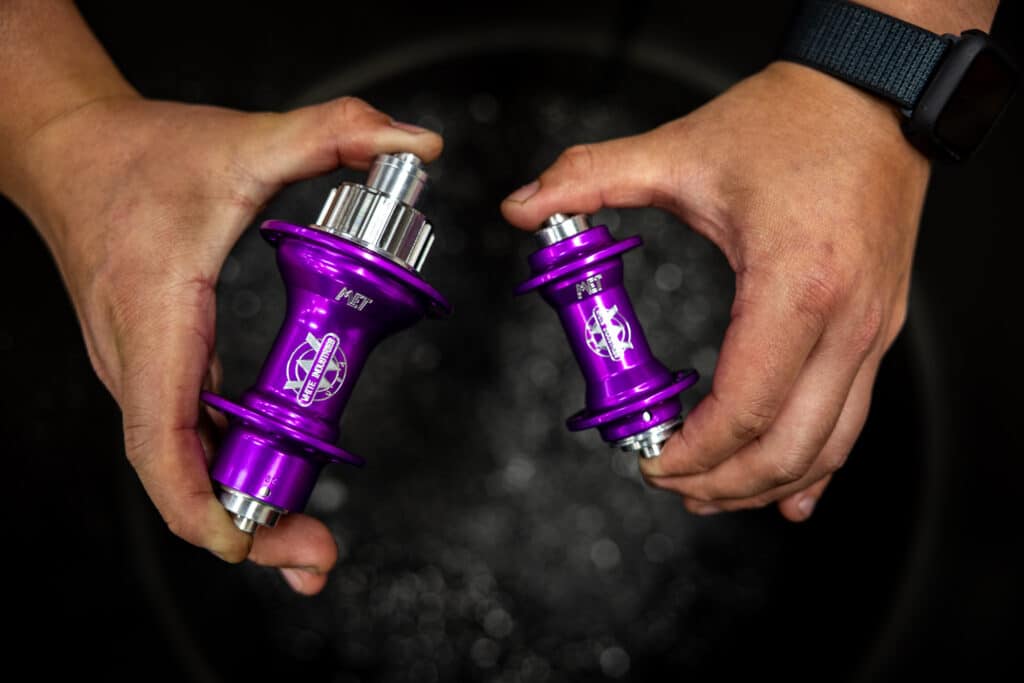
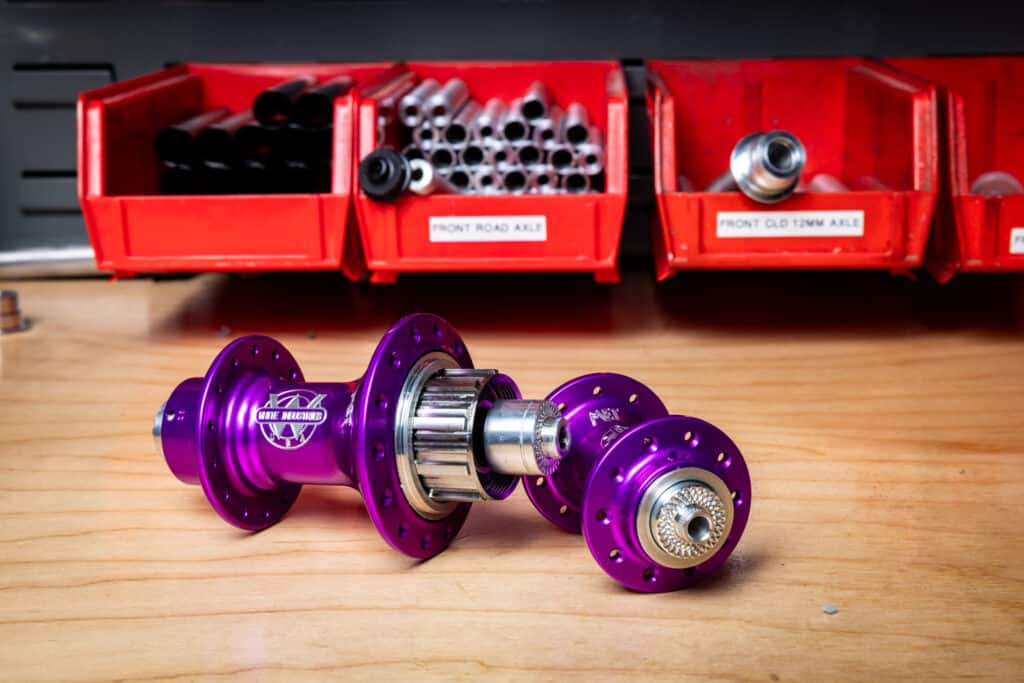
That’s why we’re excited to introduce the White Industries MET Hub.
Designed specifically for Brompton bicycles, the MET Hub delivers the precision, reliability, and serviceability that White Industries is known for, all in a package engineered around the unique demands of the world’s most iconic folding bike.
Designed for Brompton From Day One
The MET Hub wasn’t adapted from an existing design.
It was developed from the ground up to meet the needs of Brompton riders.
Small wheels, high spoke tensions, frequent folding, and daily use place unique demands on a hub. We carefully engineered the MET Hub to address these challenges while delivering the smooth performance and long-term durability riders expect from White Industries.
The result is a purpose-built hub that feels right at home on a Brompton.
Built for Everyday Adventures
Brompton riders often ask more from their bikes than the average cyclist.
One day your bike is commuting to work. The next it’s folded under a café table, tucked into a train compartment, or traveling across the country.
The MET Hub is designed for that kind of versatility.
Precision-machined in Petaluma, California, each hub features premium materials, sealed cartridge bearings, and the tight manufacturing tolerances that have defined White Industries products since 1978.
Whether you’re riding every day or planning your next adventure, the MET Hub is built to
keep rolling.
Made to Last
At White Industries, we believe great components should be ridden for years—not replaced after a season.
The MET Hub is fully serviceable and designed with long-term ownership in mind. Every detail was considered to ensure durability, reliability, and consistent performance mile after mile.
It’s the same philosophy we’ve applied to every product we manufacture for nearly five decades.
Why “MET”?
MET is short for Metro—a nod to the urban environments where Brompton bicycles thrive.
From city streets and bike lanes to train stations and neighborhood coffee shops, the Brompton has become a trusted companion for riders around the world.
The MET Hub was created to support that experience with premium performance and dependable reliability.
Manufactured in Petaluma, California
Like all White Industries products, the MET Hub is manufactured in our Petaluma, California facility.
From machining and finishing to assembly and inspection, every hub passes through the hands of our team before it reaches yours.
It’s part of our commitment to quality, craftsmanship, and creating products that riders can trust.
Welcome to the White Industries Family
We’re proud to bring White Industries craftsmanship to the Brompton community.
The MET Hub represents everything we value: thoughtful engineering, precision manufacturing, long-term reliability, and a passion for riding.
Whether you’re commuting, traveling, exploring, or simply enjoying the ride, we’re excited to be part of your next journey.
The White Industries MET Hub. Designed for Brompton. Built to last.
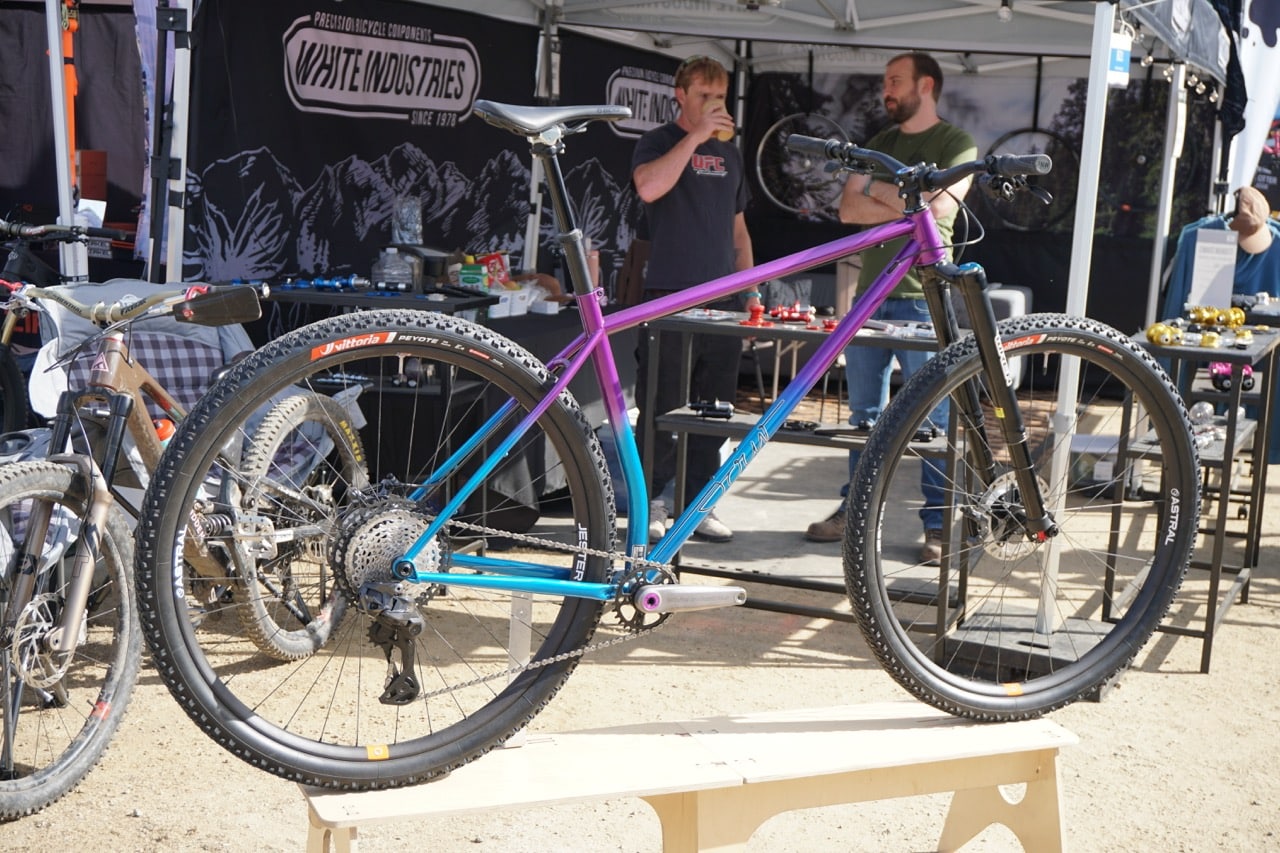
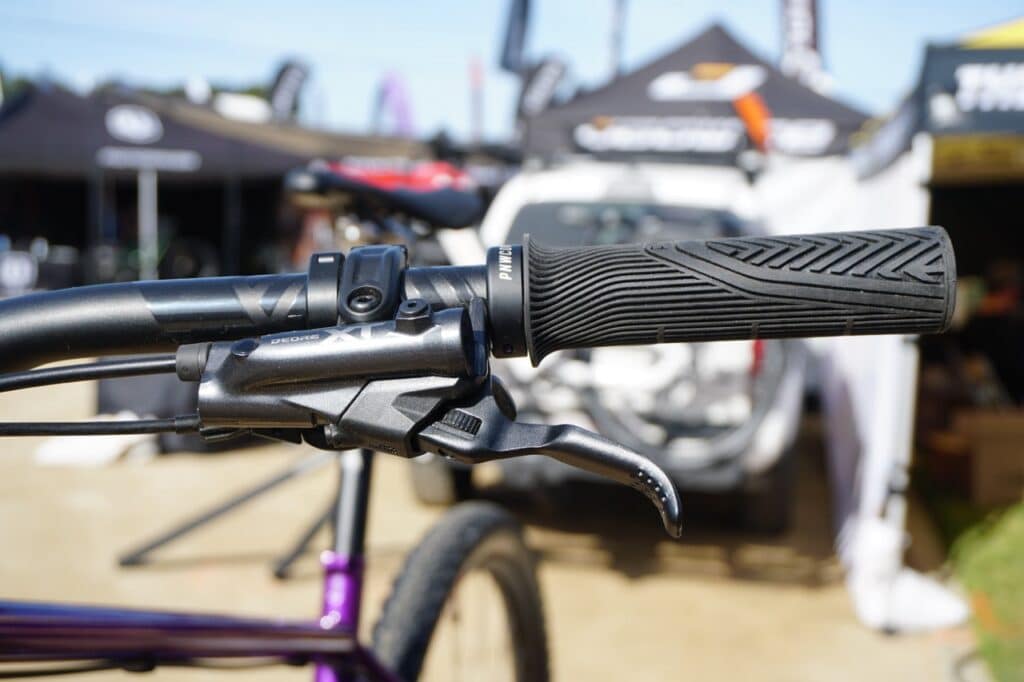
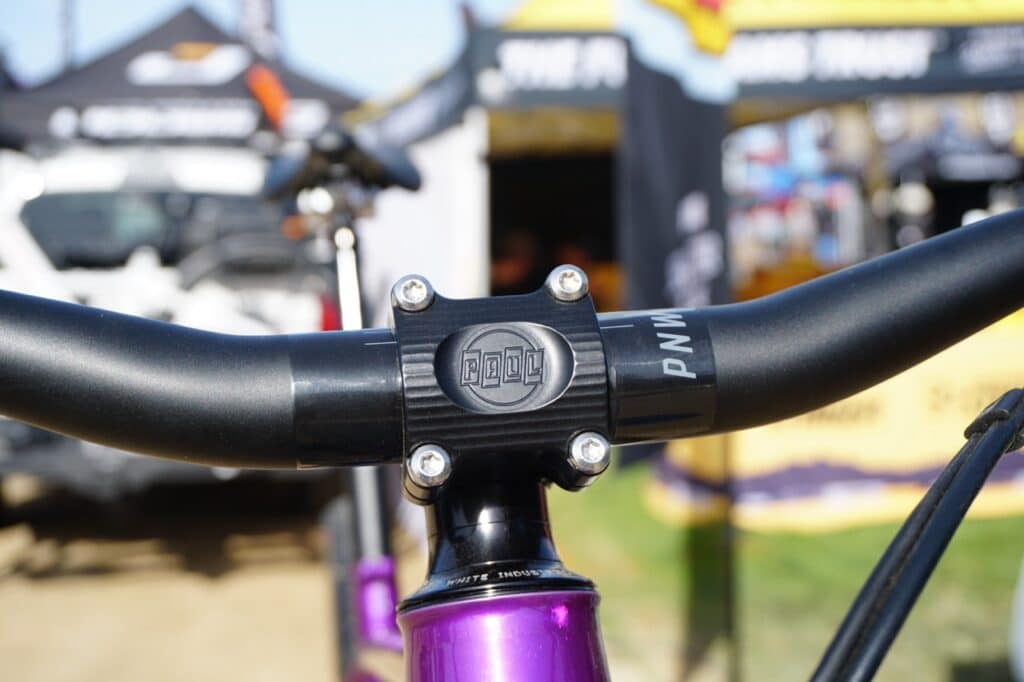
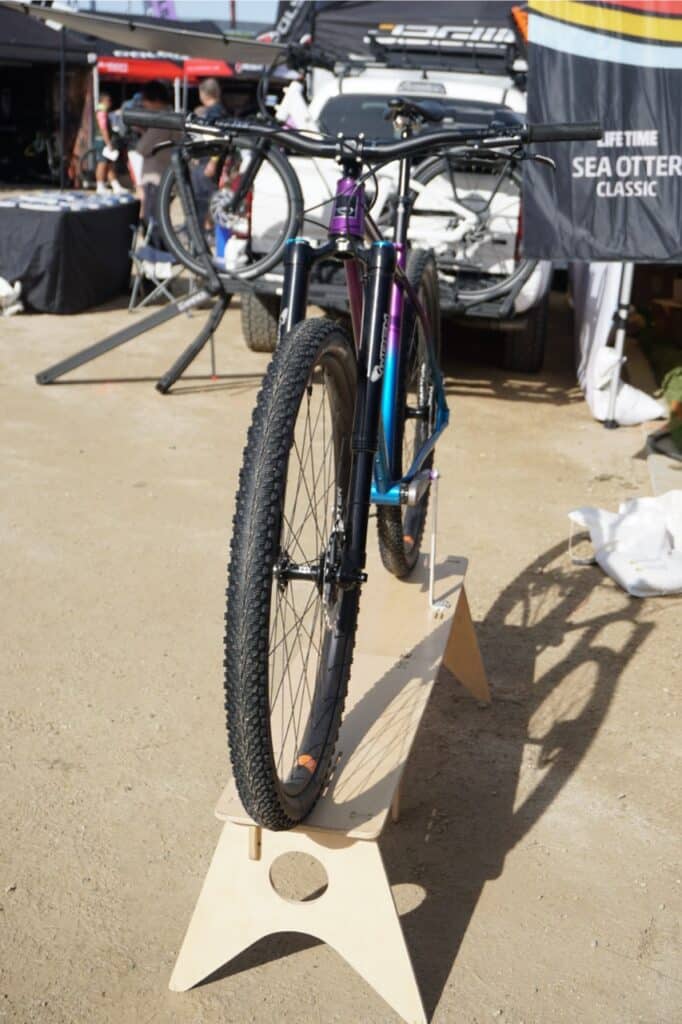
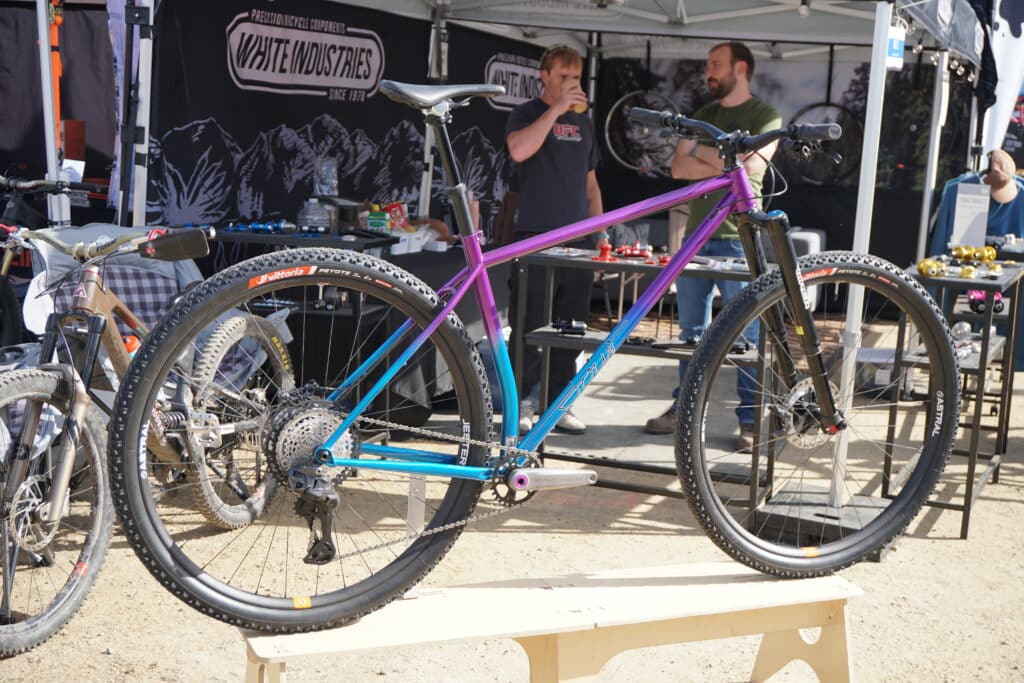
At this year’s Sea Otter Classic, there was no shortage of wild bikes, dream builds, and cutting-edge ideas—but one bike consistently stopped riders in their tracks inside the White Industries booth: the custom-built Sour Bicycles Pasta Party 32 with the newly launching White Industries T30 Titanium Cranks.
Built around the emerging 32-inch wheel platform and dressed with a carefully curated mix of premium components, the bike represented everything we love about modern mountain biking—innovation, craftsmanship, and individuality.
A Hardtail Built Around Big Ideas
The Pasta Party 32 isn’t simply a stretched version of Sour’s already-popular Pasta Party hardtail. This frame was purpose-built from the ground up to accommodate massive 32-inch wheels, creating a unique riding experience focused on rollover speed, momentum, and long-distance trail capability.
Constructed from custom-drawn, multi-butted Chromoly steel tubing, the frame blends modern geometry with the timeless ride feel only steel can deliver. Designed around a 100–120mm suspension fork with clearance for 32 x 2.4” tires, the Pasta Party 32 pushes the boundaries of what a modern hardtail can be.
The result is a bike that looks futuristic while still feeling deeply rooted in classic mountain bike culture.
Rolling on Astral 32-Inch Wheels
A build like this starts with the wheels, and the new 32-inch rims from Astral Cycling delivered the perfect foundation.
The oversized wheel platform offers incredible rollover characteristics, smoothing out rocks, roots, and rough terrain while carrying speed effortlessly through technical sections. Seeing the bike in person immediately highlighted just how proportional and intentional the platform feels when paired with a frame specifically designed around the wheel size.
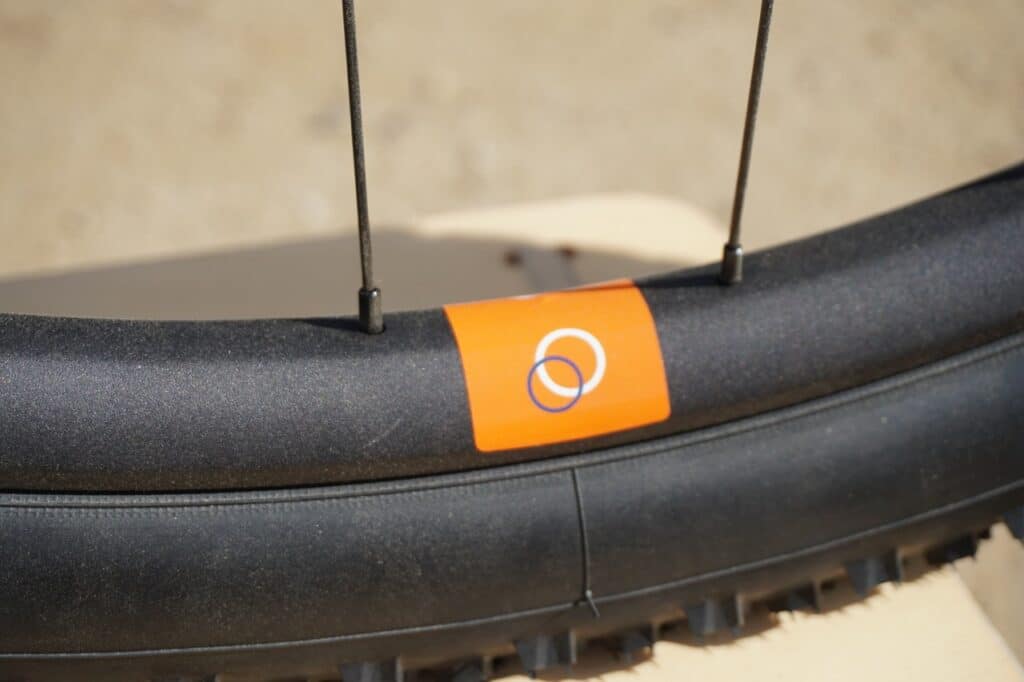
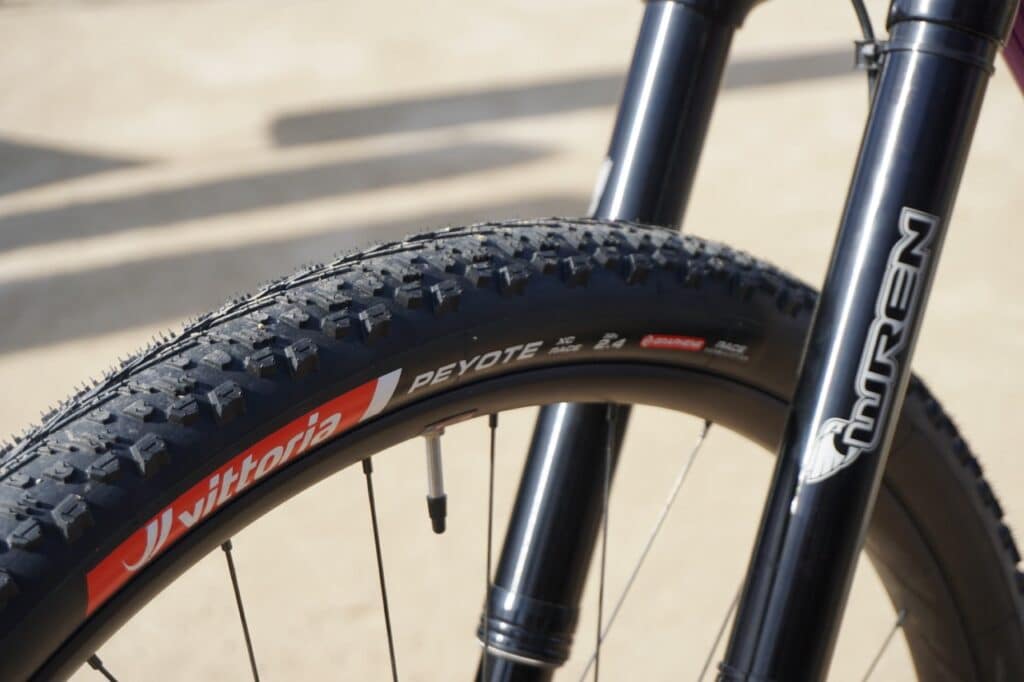
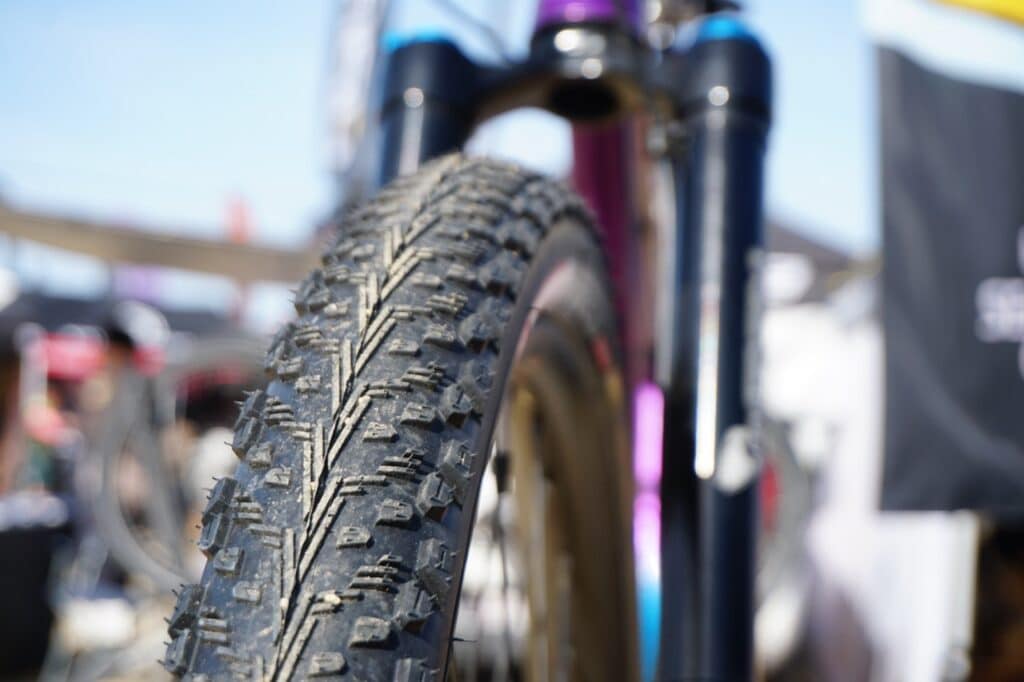
Wrapped around those wheels were the ever-fast and race-proven Vittoria Peyote tires, bringing a lightweight and fast-rolling tread pattern to the build. The Peyote’s low-profile center tread and predictable cornering characteristics made it a fitting choice for a bike aimed at endurance riding, adventure, and aggressive XC terrain.
Premium Details from White Industries
Of course, no bike in the booth would be complete without a full spread of beautifully machined components from White Industries.
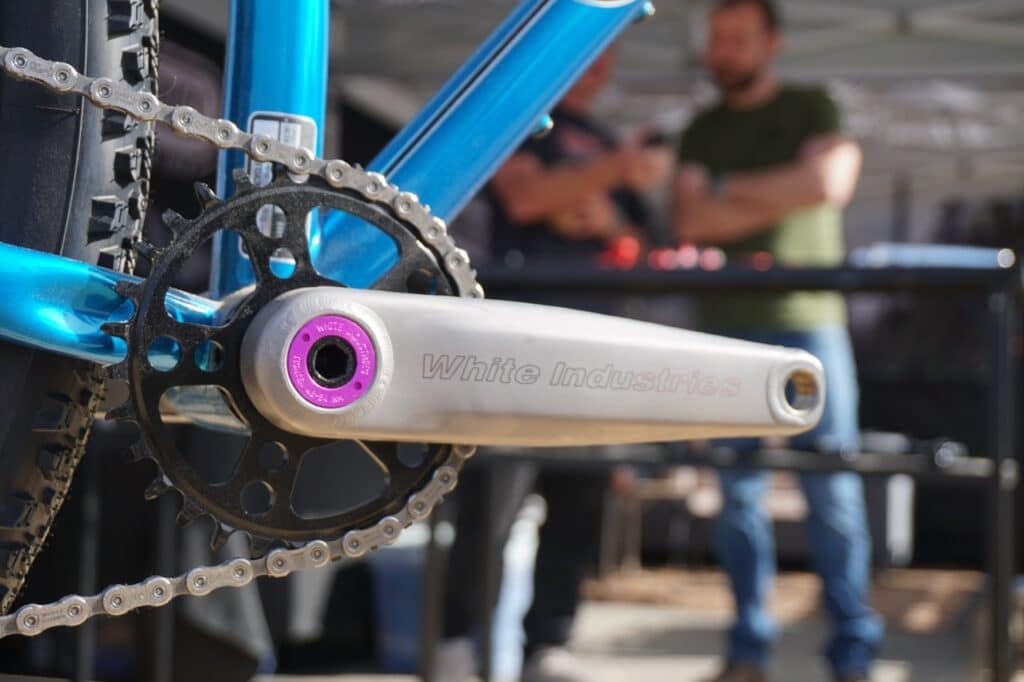
The build featured White Industries’ new titanium cranks, paired with their signature hubs and drivetrain components, all tying together the boutique aesthetic and performance-first philosophy behind the project.
The brushed finishes, precision machining, and timeless design language matched the Sour frame perfectly. Every detail felt intentional—premium without being flashy, technical without losing personality.
What made the Pasta Party 32 stand out wasn’t just the wheel size. It was the way every part of the build worked together to create something cohesive and exciting.
In a sea of carbon superbikes and electronic everything, this steel hardtail reminded riders that innovation doesn’t always have to abandon soul. It combined experimental wheel sizing, handcrafted steel construction, proven tire technology, and precision-machined components into one of the most talked-about bikes of the weekend.
The Sour Pasta Party 32 wasn’t just a display bike—it was a conversation starter, a proof of concept, and maybe even a glimpse at where modern hardtail design is heading next.
At White Industries, every component tells a story. But behind every hub, crankset, freewheel, and chainring is a person whose dedication, skill, and attention to detail make that story possible.
For many years, Ed Eigenberger has been one of those people.
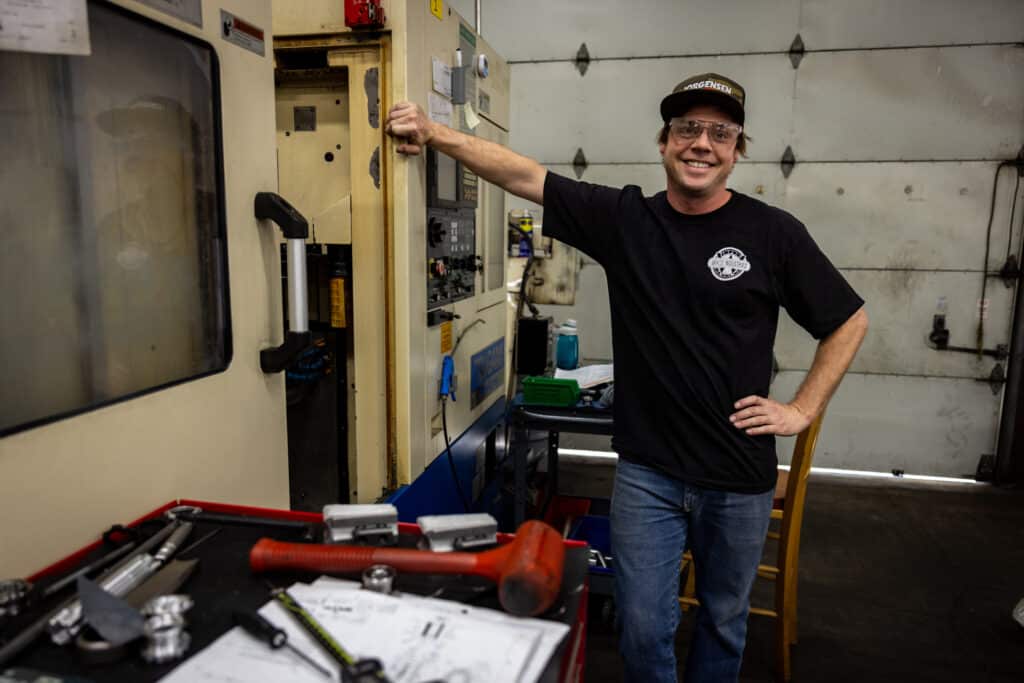
As a Shop Lead and Machinist, Ed plays a vital role in the production of White Industries components. His work touches many of the products riders know and love, from cranksets and freewheels to the countless small parts that keep bikes running smoothly. While riders may never meet him, chances are they’ve experienced the results of his craftsmanship every time they’ve thrown a leg over a bike equipped with White Industries components.
Seeing the Bigger Picture
When asked what a typical day looks like, Ed’s answer was simple:
“The view through a kaleidoscope.”
It’s a fitting description for someone whose role requires balancing production, problem-solving, quality control, and leadership. No two days are exactly alike. One moment may involve overseeing a machining process, while the next could require troubleshooting a complex manufacturing challenge or ensuring every finished part meets White Industries’ exacting standards.
It’s this ability to see the bigger picture while staying focused on the smallest details that makes Ed such an important part of the team.
The Details Matter
Ask Ed what riders might not realize about how their components are made, and his answer gets right to the heart of what sets White Industries apart:
“The level of scrutiny we place on our finishing.”
While precision machining often gets the spotlight, Ed knows that the final details matter just as much. Every component that leaves the White Industries facility has passed through countless inspections and quality checks to ensure it meets the standards riders have come to expect.
It’s a philosophy that reflects the broader culture of the company: never settle, always improve, and pay attention to the details that others might overlook.
A Passion for Craftsmanship
When it comes to favorite products, Ed doesn’t hesitate.
The polished M30 crankset gets his vote.
“Because they really pop.”
It’s easy to understand why. The polished finish showcases both the beauty of the machining and the craftsmanship that goes into every crankset. It’s the kind of component that catches your eye immediately but continues to impress long after the first ride.
That appreciation for craftsmanship also extends to some of the most challenging projects he’s worked on. Among the highlights of his career at White Industries are the titanium crank inserts—an ambitious undertaking that required creativity, precision, and persistence to bring to life.
Built by Riders
Like many members of the White Industries team, Ed isn’t just making bike parts—he’s using them.
When he’s not in the shop, you’ll likely find him outdoors and on two wheels. His stable includes everything from mountain bikes and gravel bikes to a commuter bike, each serving a different purpose but sharing the same goal: getting outside and enjoying the ride.
His favorite local routes reflect Northern California’s diverse riding opportunities. Whether it’s exploring the trails at Annadel State Park or rolling through the scenic roads of the Chileno Valley loop, Ed understands firsthand what riders demand from their equipment.
That rider perspective influences the work he does every day.
The Machines Behind the Magic
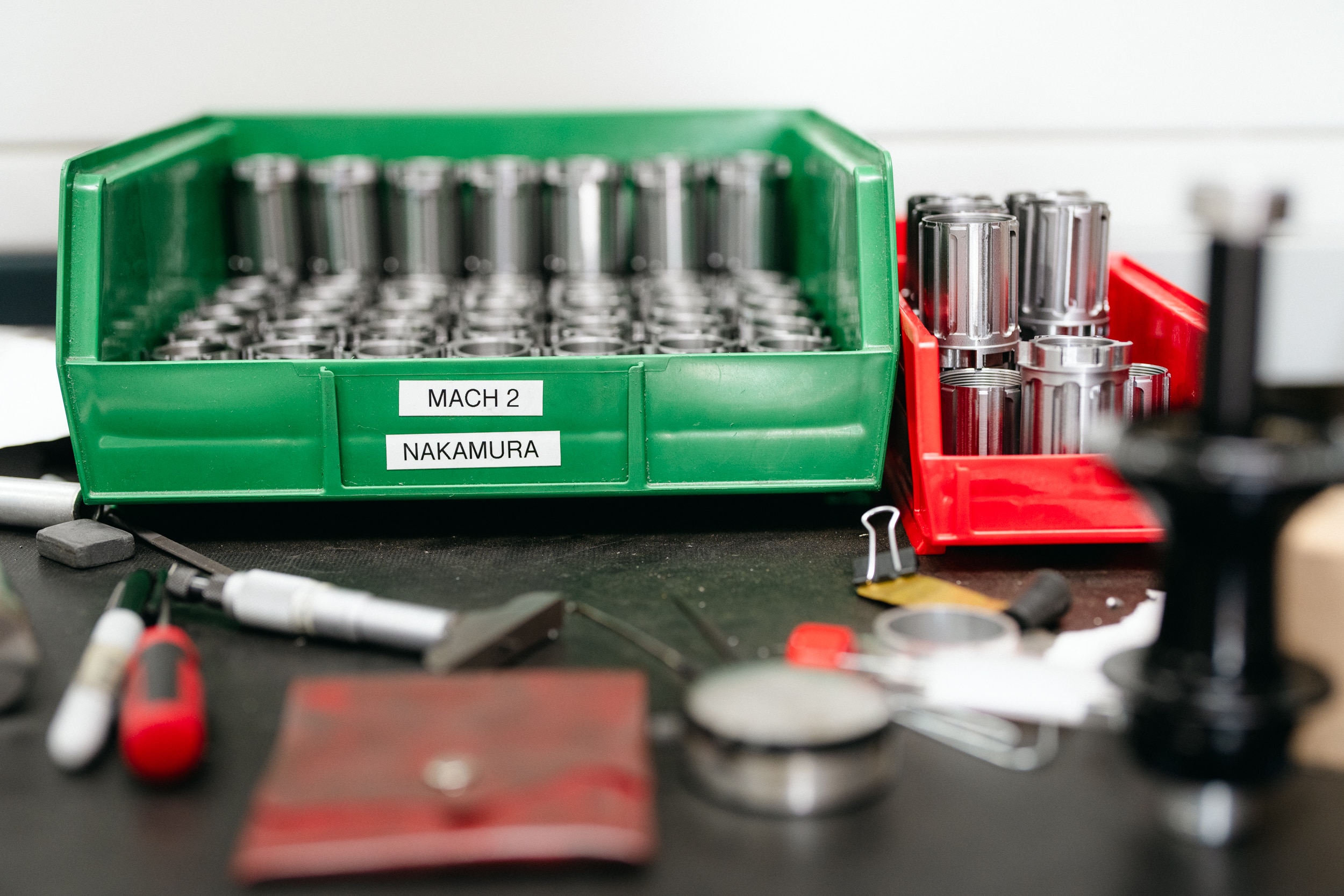
Every machinist has a favorite machine, and for Ed, it’s the Nakamura NTY3-250.
While it may not mean much to the average cyclist, machines like these represent the cutting edge of modern manufacturing. Combined with the knowledge and experience of operators like Ed, they help transform raw material into the components that riders depend on around the world.
But even the most advanced machinery is only as good as the people running it.
More Than a Job
Perhaps the most telling answer came when Ed was asked what being part of the White Industries family means to him.
“It means enjoying going to work more often than not.”
Simple. Honest. Genuine.
It’s also a reflection of the culture that has helped White Industries thrive for decades. The company is built on people who care deeply about what they do, who take pride in their craft, and who enjoy working alongside others who share the same passion.
When asked which White Industries color he’d choose for his dream build, Ed’s answer was equally revealing:
“All of them except black.”
For someone who appreciates the details, that answer makes perfect sense.
The People Behind the Product
The next time you admire a polished crankset, spin a freewheel, or appreciate the smooth operation of a White Industries component, remember that it didn’t happen by accident.
It happened because people like Ed showed up every day, paid attention to the details, embraced the challenges, and took pride in building something that makes other people happy.
As Ed puts it, one of the most satisfying parts of his job is:
“Providing a peaceful product that makes people happy.”
We couldn’t think of a better way to describe what White Industries is all about.
For decades, Black and Silver have remained the foundation of countless dream builds, earning their place as the most popular finishes in the White Industries lineup. They’re timeless, versatile, and effortlessly complement everything from modern carbon race bikes to handcrafted steel frames.
Black offers a clean, understated look that lets the bike’s design do the talking. It’s refined, durable, and seamlessly integrates into virtually any build. Whether you’re chasing performance or creating a minimalist aesthetic, black continues to be the go-to choice for riders around the world.
Silver tells a different story. Our polished silver finish celebrates the craftsmanship behind every component. It highlights the precision machining, crisp edges, and attention to detail that define White Industries. It’s equally at home on a modern gravel bike as it is on a classic titanium or steel frame.
Both finishes represent more than a color—they represent longevity. Trends may come and go, but Black and Silver remain constants because they simply work.
Every White Industries component is precision machined, assembled, and inspected in Petaluma, California, ensuring these classic finishes perform as beautifully as they look.
Whether you’re building your first custom bike or your tenth, Black and Silver continue to be the colors riders return to time and time again.
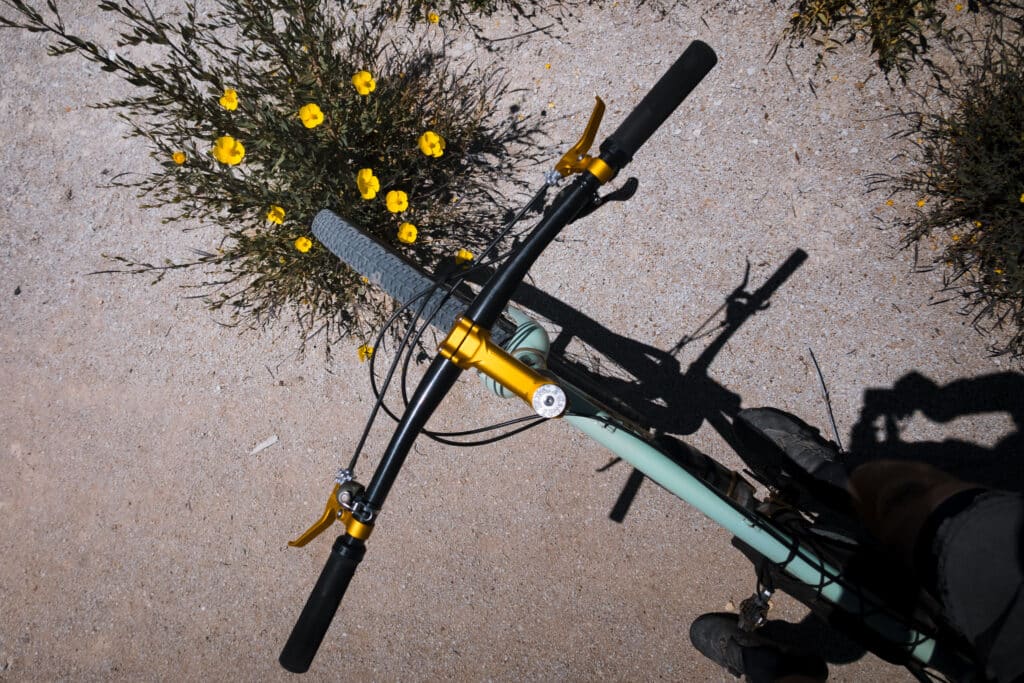
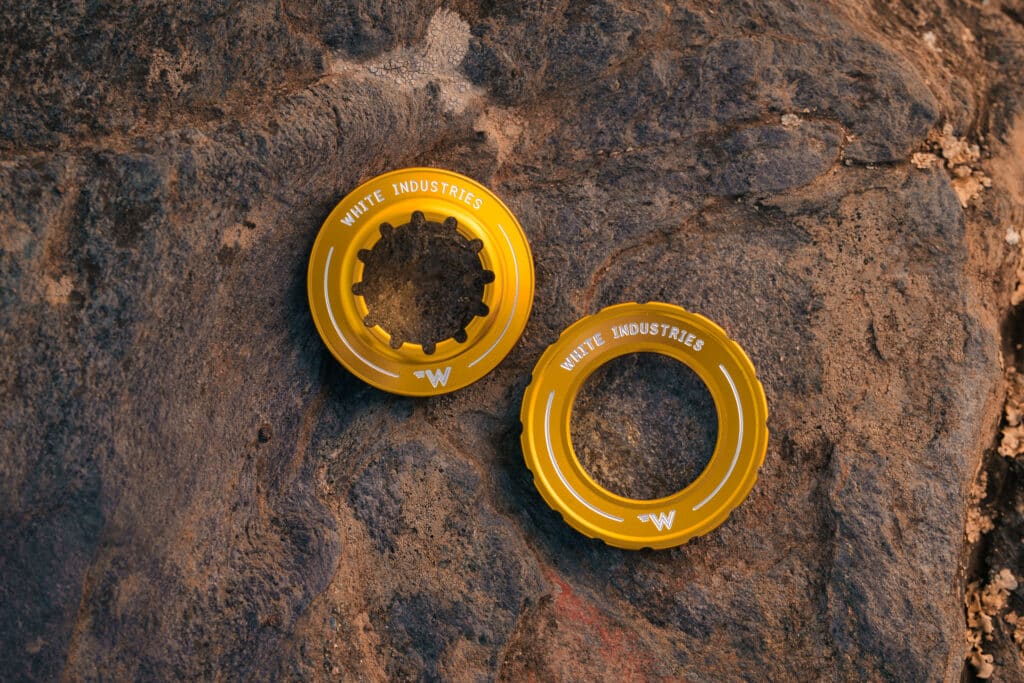
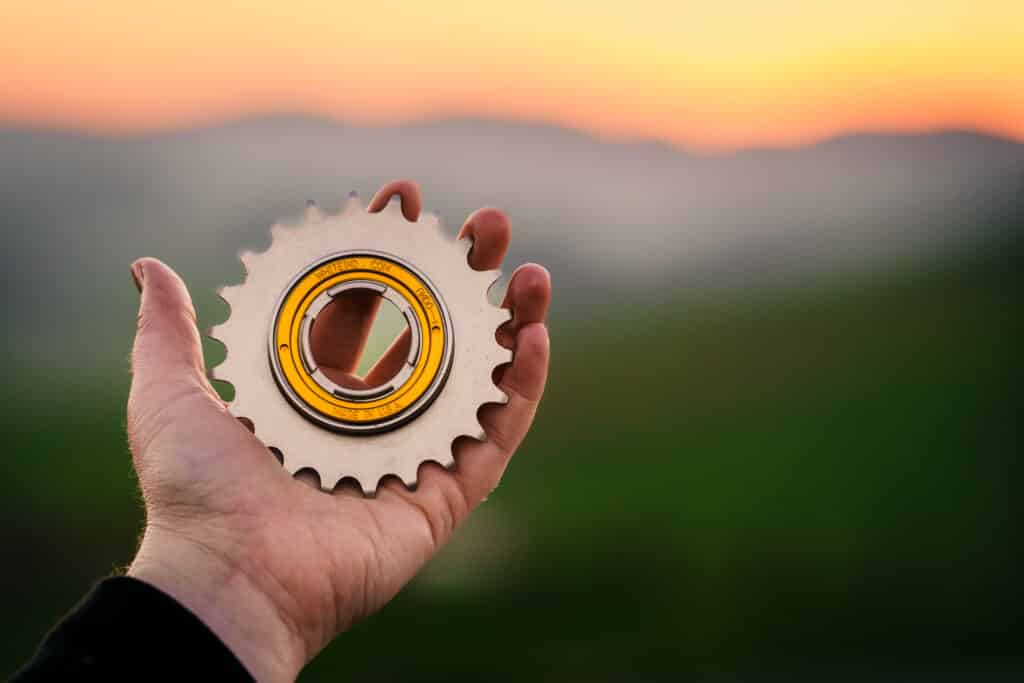
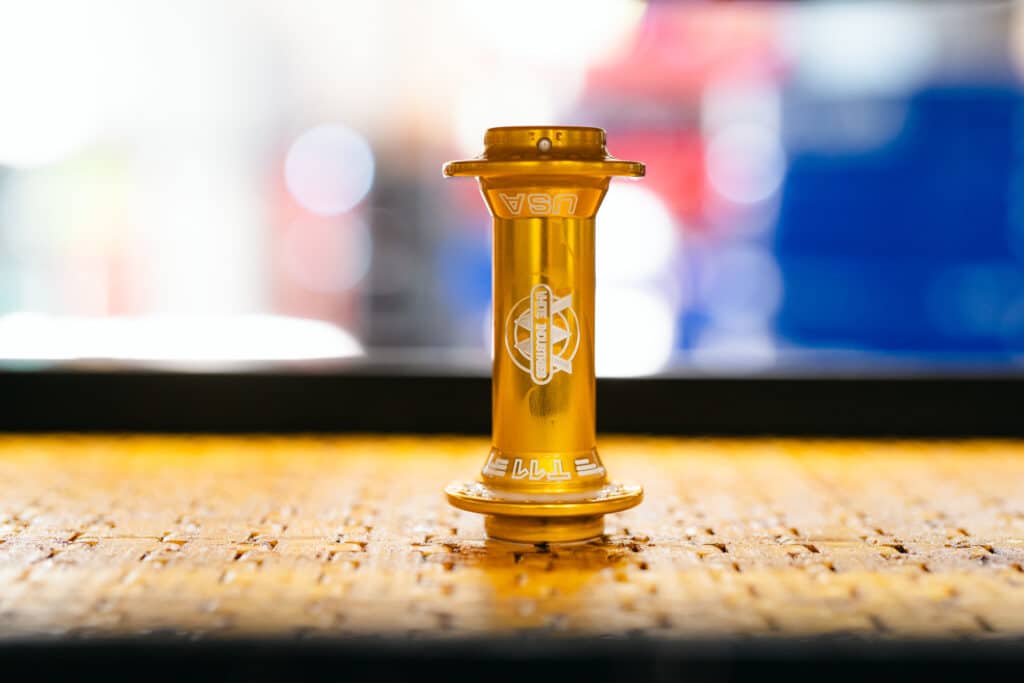
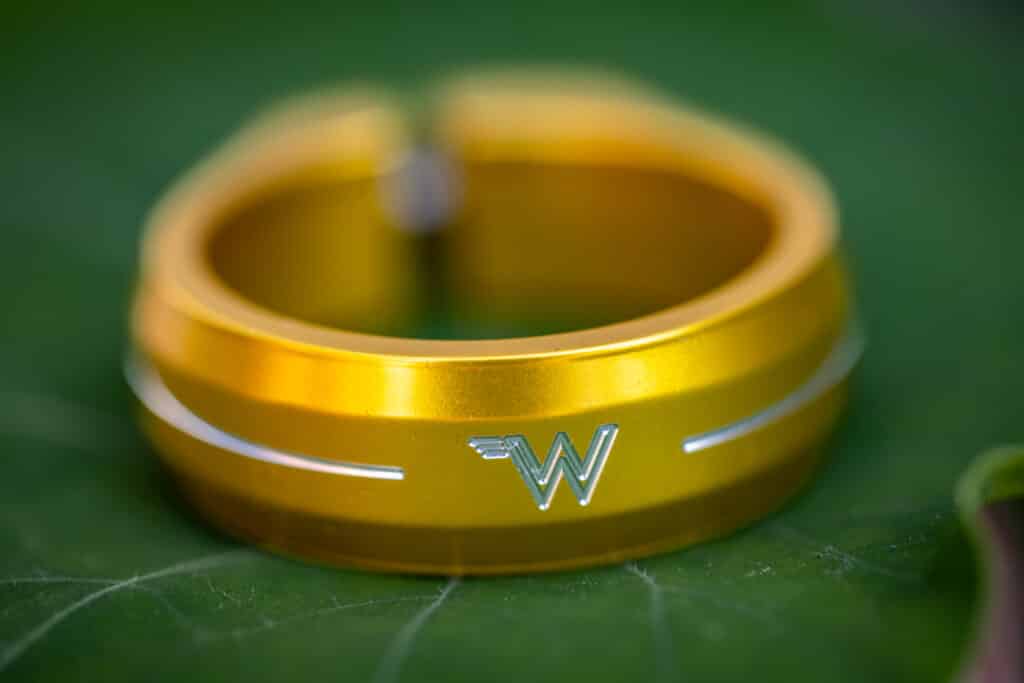
Some finishes blend in. Gold was made to stand out.
The White Industries Gold Collection brings warmth, character, and just the right amount of contrast to any bike. It’s a finish that catches the light, highlights the precision of every machined surface, and turns functional components into defining details of a custom build.
Gold has become a favorite among riders who want their bike to reflect their personality without sacrificing timeless design. Whether paired with a matte black frame, polished titanium, classic steel, or vibrant paint, gold accents create a look that feels both refined and distinctive.
Of course, at White Industries, color is only part of the story.
Photo: Josh Becker
Every Gold hub, crankset, headset, seat collar, bottom bracket, and accessory begins as a solid piece of aluminum before being precision machined in our Petaluma, California facility. From there, each component is carefully finished, anodized, assembled, and inspected by the same team that has been building premium bicycle components for more than 45 years.
The result is a finish that’s every bit as durable as it is beautiful.
Gold isn’t about being flashy.
Gold isn’t about being flashy—it’s about celebrating craftsmanship. The anodized finish enhances the crisp lines, smooth contours, and intricate machining that define every White Industries component. It’s a subtle reminder that exceptional products deserve exceptional attention to detail.
For many riders, a custom build is more than a collection of parts—it’s an expression of their riding style, personality, and appreciation for quality. Gold offers a way to elevate that vision while maintaining the performance and reliability White Industries is known for.
Whether you’re building a dream gravel bike, a modern mountain bike, a timeless road machine, or a custom city bike, the Gold Collection delivers a finish that’s as memorable as the ride itself.
Because every great build deserves a little shine.
Precision machined. Made in California. Built to stand out.
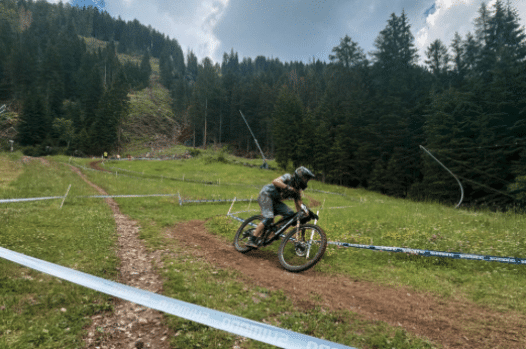
This summer, White Industries rider Marco Osborne traded familiar trails for the rugged mountains of Europe, taking on some of the world’s toughest competition in the Enduro World Cup (EDR) series.
With iconic venues, demanding terrain, and some of the fastest riders on the planet, the European rounds are never easy. But Marco embraced every challenge, delivering two impressive results while soaking in everything the experience had to offer.
Charging Through Canazei
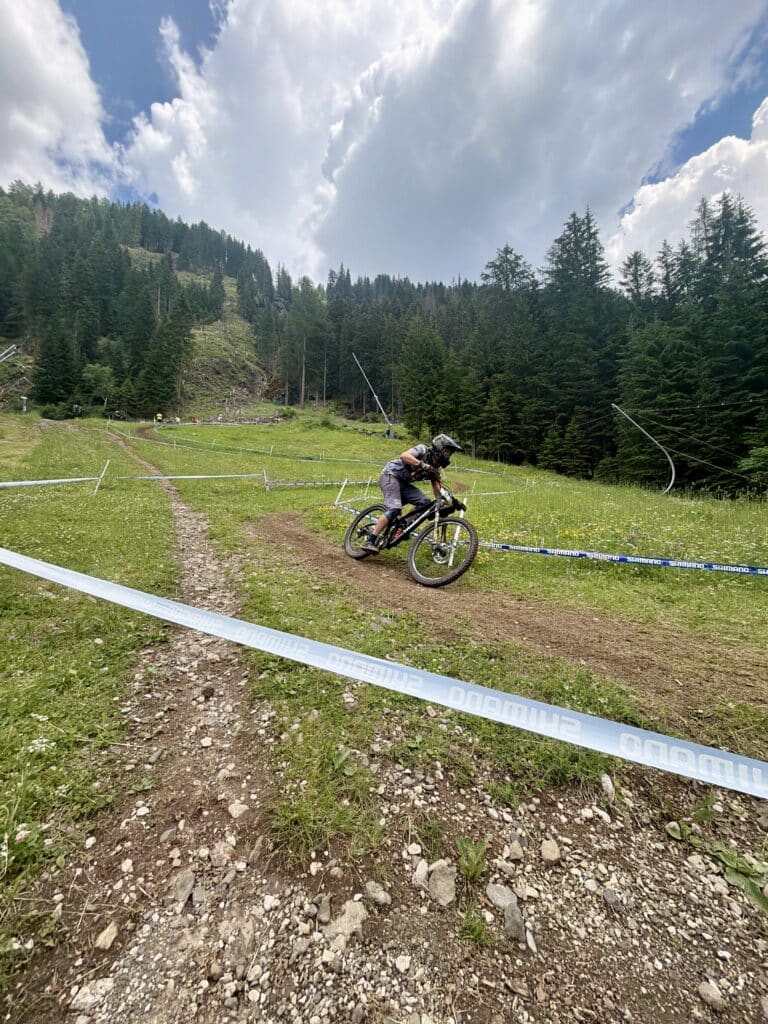
Marco’s first stop was Canazei, Italy, nestled in the heart of the Dolomites. Known for its steep alpine terrain, technical descents, and breathtaking scenery, Canazei tested riders with long stages, unpredictable conditions, and relentless elevation.
Marco rode confidently throughout the weekend, finishing 17th overall against one of the deepest fields in enduro racing.
Building Momentum in La Thuile
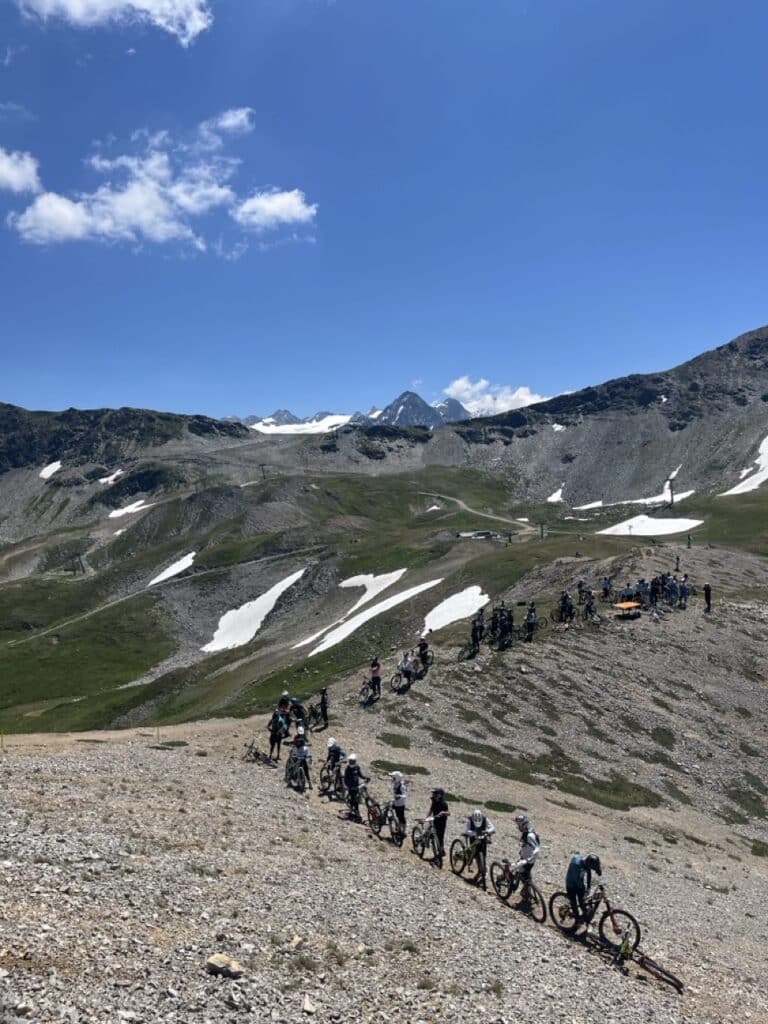
The next stop brought the series to La Thuile, Italy, another legendary destination featuring rugged alpine terrain, fast descents, and challenging technical sections.
Marco continued to build speed and confidence, improving his result with an impressive 12th-place finish. His performance reflected not only his fitness and technical ability but also his determination to keep pushing deeper into the field with every race.
Racing at the Highest Level
Competing in the EDR series means racing against the very best in the world on some of the most demanding trails imaginable. Every stage pushes both rider and equipment to their limits, making consistency and reliability just as important as speed.
We’re proud to support Marco as he continues to represent White Industries on the world stage. Seeing our components perform in some of the toughest conditions imaginable is exactly why we build them the way we do—precision-machined, thoroughly tested, and built to last.
What’s Next
Europe has been an incredible experience for Marco, both on and off the bike. Between world-class trails, passionate fans, and unforgettable mountain scenery, the EDR series continues to showcase the very best of enduro racing.
Congratulations to Marco on two strong finishes in Canazei (17th) and La Thuile (12th). We can’t wait to see where the next round takes him.
Keep charging, Marco—we’re all cheering you on from Petaluma.
There’s something unmistakable about a blue anodized component.
It’s bold enough to stand out but refined enough to feel timeless. For many riders, blue strikes the perfect balance between classic styling and personal expression, making it one of the most versatile finishes in the White Industries lineup.
Whether you’re building your dream bike from the ground up or refreshing a trusted ride, Blue adds just the right amount of personality without overpowering the overall design.
A Finish That Complements Every Build
Our Blue Collection has become a favorite among custom builders and everyday riders alike because it works with nearly every frame and component combination.
Blue pairs beautifully with matte black, polished silver, brushed titanium, raw aluminum, and colorful steel frames. It can serve as a subtle accent through hubs or seat collars, or become the defining visual element of an entire build with matching cranks, headsets, and accessories.
The result is a bike that feels thoughtfully designed, balanced, and unmistakably yours.
Precision Crafted in California
Like every White Industries finish, our Blue anodizing reflects the same commitment to quality that goes into every component we produce.
Each hub, headset, seat collar, crankset, and accessory begins as raw aluminum before being precision machined in our Petaluma, California facility. Every part is then carefully anodized, assembled, and inspected under one roof to ensure exceptional durability, performance, and consistency.
It’s craftsmanship you can see before you ever turn a pedal.
It’s a finish that looks just as good years from now as it does the day it’s installed.
Built for Every Mile
At White Industries, every color is an opportunity for riders to make their bike their own while enjoying uncompromising American-made quality.
Blue continues to be one of our most popular finishes because it delivers a timeless aesthetic backed by precision engineering and decades of manufacturing expertise.
No matter where your next ride takes you, the Blue collection is ready.
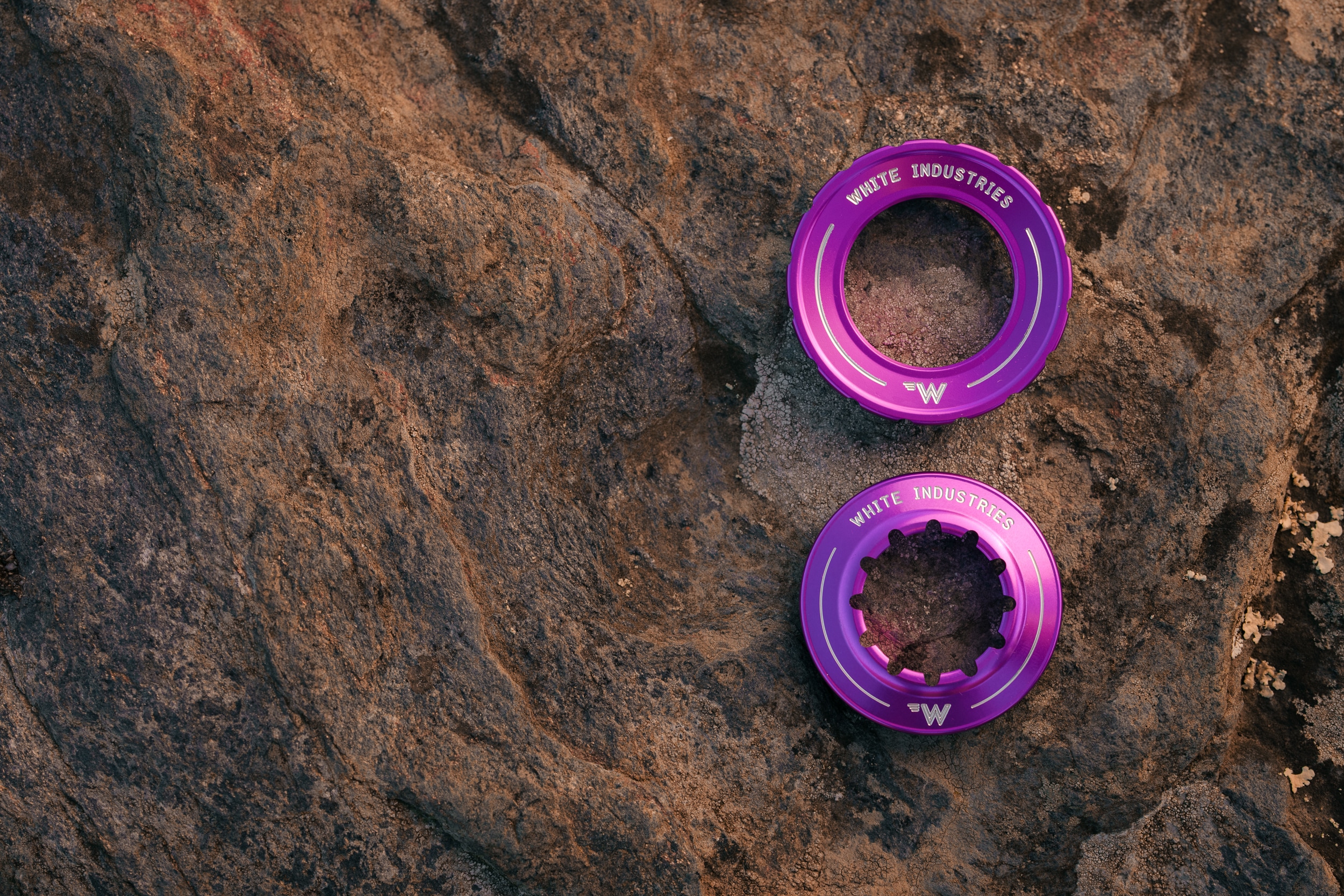
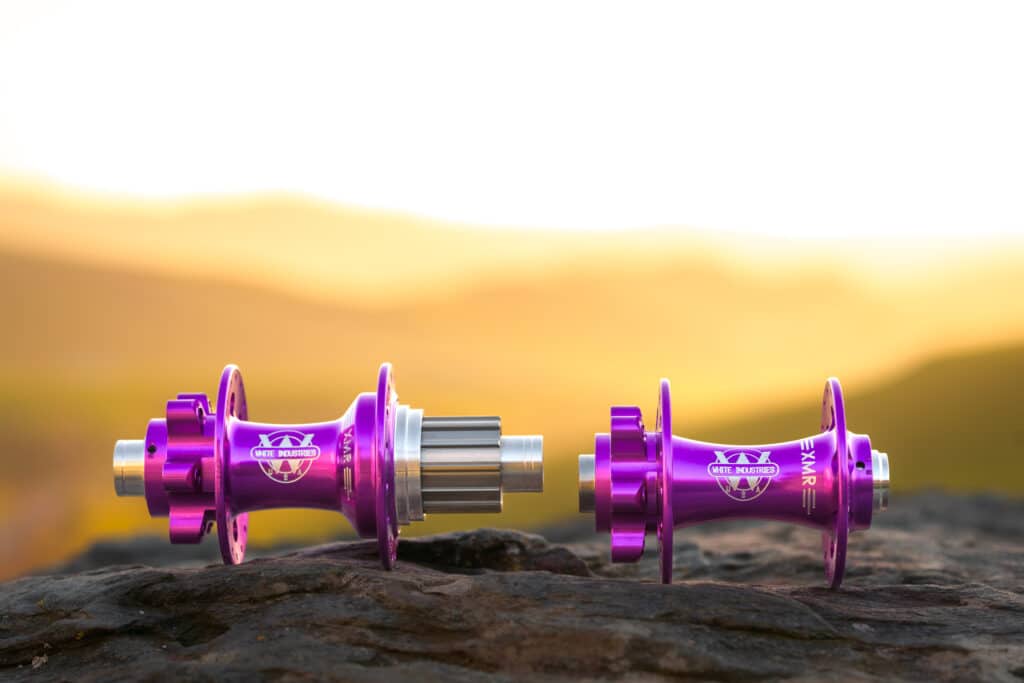
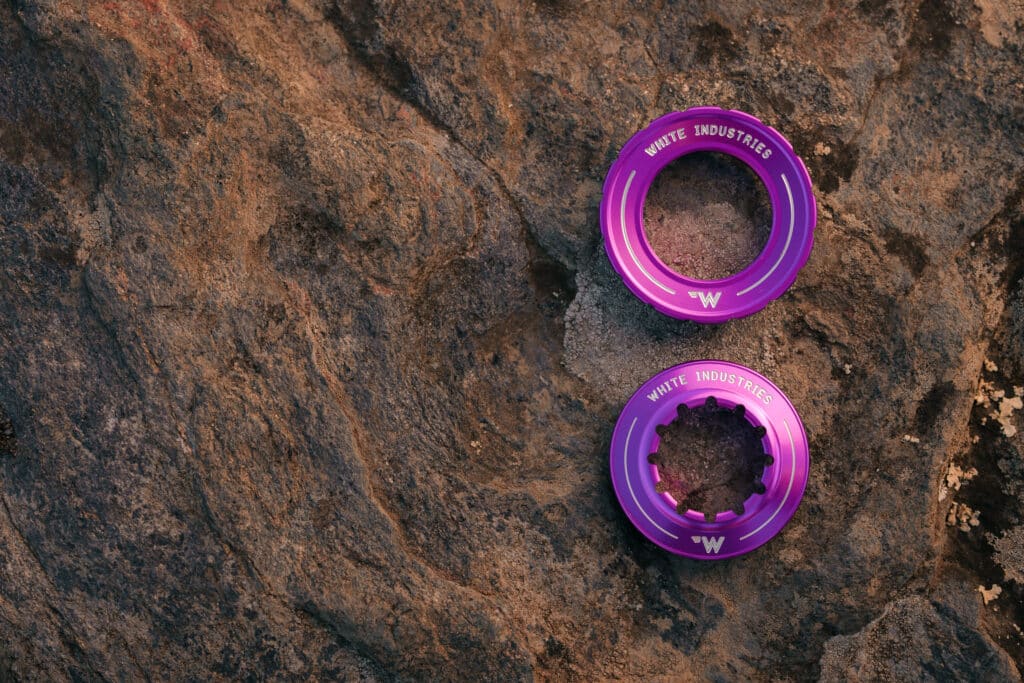
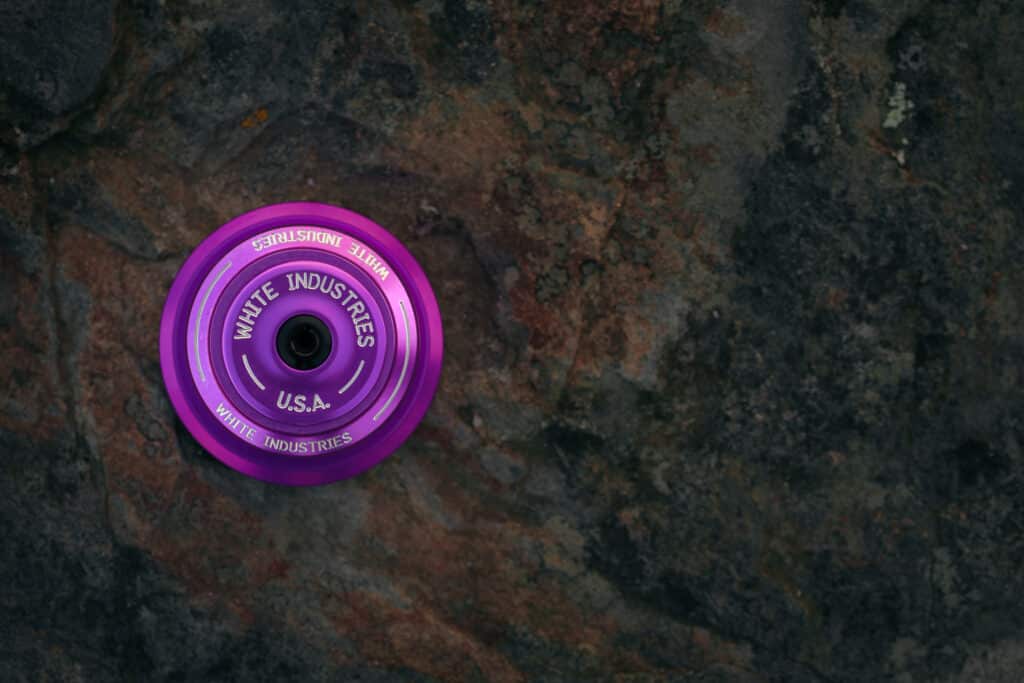
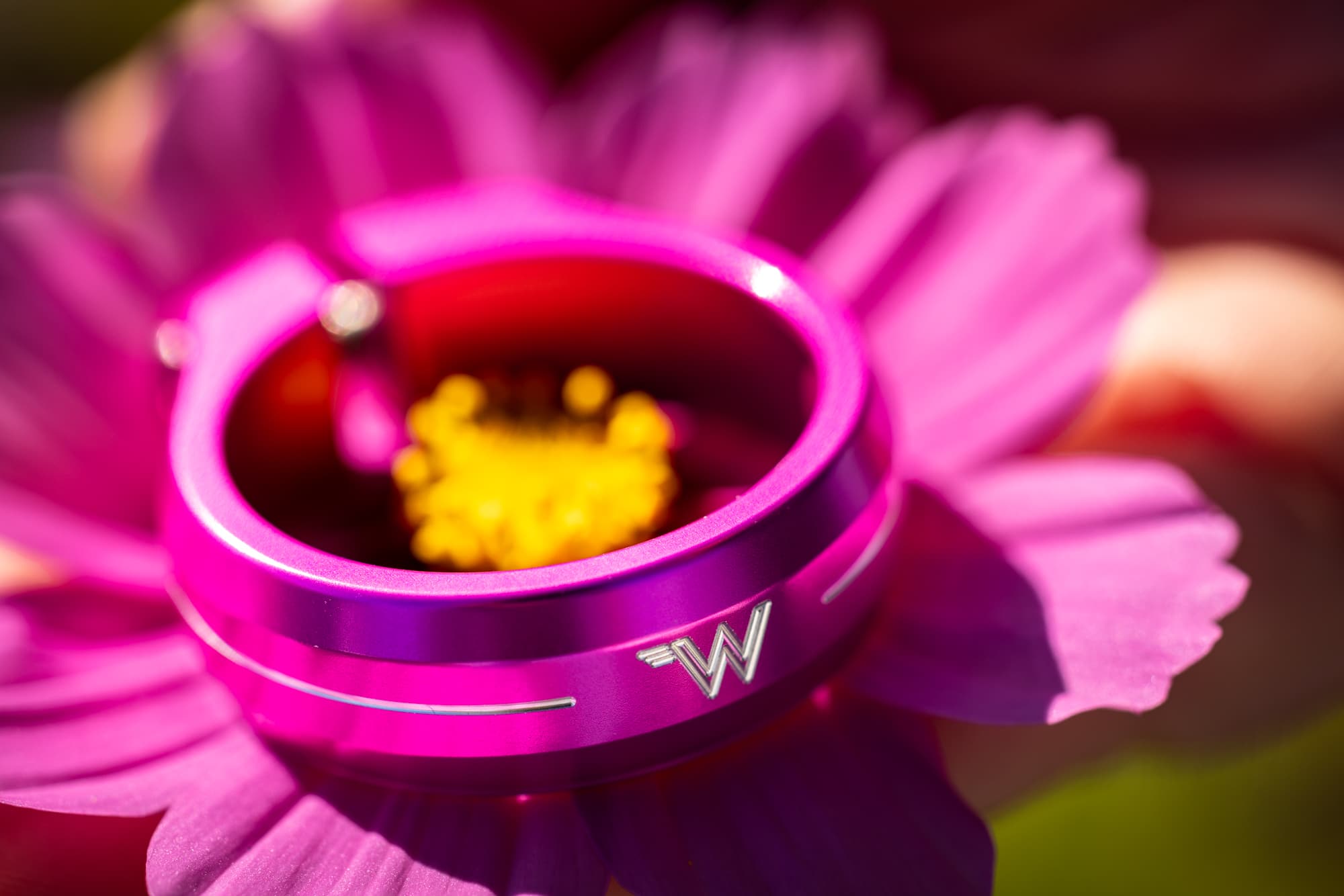
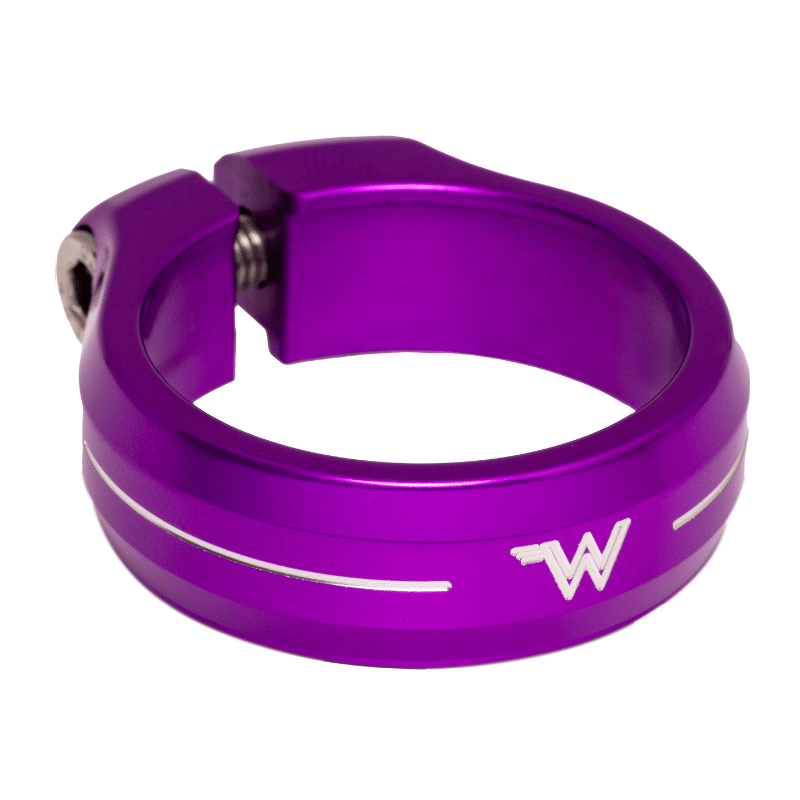
Some colors never go out of style. Purple is one of them.
Over the years, Purple has become one of White Industries’ most beloved anodized finishes, offering riders the perfect balance of individuality, craftsmanship, and timeless style. It’s bold without being overpowering, vibrant without being flashy, and distinctive enough to make any bike feel uniquely yours.
For riders who believe every detail matters, Purple is more than just a color—it’s a statement.
Built to Express Your Style
Every bike tells a story, and the components you choose are part of that narrative.
Purple gives riders the freedom to create something personal. Whether you’re building a titanium dream bike, restoring a classic steel frame, or putting together a modern gravel machine, Purple adds character without overwhelming the overall design.
It pairs effortlessly with brushed titanium, polished silver, matte black, raw aluminum, colorful steel frames, and even carbon fiber. Some riders choose a full Purple component kit for maximum impact, while others use it as an accent through hubs, cranks, headset spacers, seat collars, or freehub bodies. However you choose to use it, Purple brings a level of personality that stands out for all the right reasons.
Precision Behind Every Finish
The beauty of Purple goes far beyond its appearance.
Every White Industries component begins as a solid block of aluminum before being precision machined to exact tolerances in our Petaluma, California facility. After machining, each part is carefully anodized to achieve its rich, vibrant finish while maintaining the durability riders expect from components built to last.
Every hub, crankset, bottom bracket, headset, and accessory is assembled and inspected by hand before it leaves our shop. That commitment to quality means your Purple components don’t just look exceptional—they’re engineered to perform mile after mile.
A Favorite Among Custom Builders
Custom bike builders have embraced Purple because it offers endless design possibilities.
Its versatility makes it easy to complement both understated and adventurous builds. Whether paired with polished metal finishes for a timeless aesthetic or combined with bold frame colors for something completely unique, Purple consistently creates bikes that turn heads while remaining tastefully refined.
It’s one of those rare colors that feels both modern and classic at the same time.
More Than Just a Color
At White Industries, color has always been about giving riders another way to make their bike their own.
Purple has earned its place as a favorite because it encourages creativity while never compromising the performance, precision, or reliability that define every White Industries component. It’s an expression of individuality backed by decades of American manufacturing and craftsmanship.
After all, the best bikes aren’t just remembered for where they went—they’re remembered for how they made you feel. Your components should be just as memorable as the rides they take you on.
Every component we make is the result of thoughtful design, precision machining, and careful attention to detail. The same is true for the colors we offer.
As our product line continues to evolve, so does our color palette. Beginning at the end of July, we’ll be saying goodbye to our Red and Pink anodized color collections across the White Industries lineup.
Once the remaining inventory is sold through, these colors will be retired and will not return.
A Colorful Chapter
Over the years, Red and Pink have helped riders create some truly unforgettable builds. From bold mountain bikes and vibrant gravel rigs to eye-catching commuter bikes, these finishes brought personality and individuality to countless rides around the world.
Whether you chose Red for its timeless energy or Pink because it challenged convention, these colors became a favorite for riders looking to build something uniquely their own.
We’re grateful to everyone who chose them as part of their dream build.
Looking Ahead
At White Industries, we’re always evaluating our product offering to better focus our manufacturing efforts while continuing to deliver the quality, craftsmanship, and service riders have come to expect.
Retiring these colors allows us to simplify production and concentrate on the finishes that continue to see the greatest demand, while maintaining the precision and consistency that define every component we make.
Our commitment remains unchanged: designing, machining, assembling, and inspecting premium bicycle components in Petaluma, California.
Last Chance
If you’ve been planning a build featuring Red or Pink, now is the time.
Remaining inventory will be available while supplies last, and once these colors are gone, they’re gone for good. There will be no additional production runs.
Thank you to everyone who made these collections part of their bikes and their stories. We can’t wait to see the final Red and Pink builds out on the road, trail, and gravel before these colors take their place in White Industries history.
Available while inventory lasts. Once they’re gone, they’re gone.
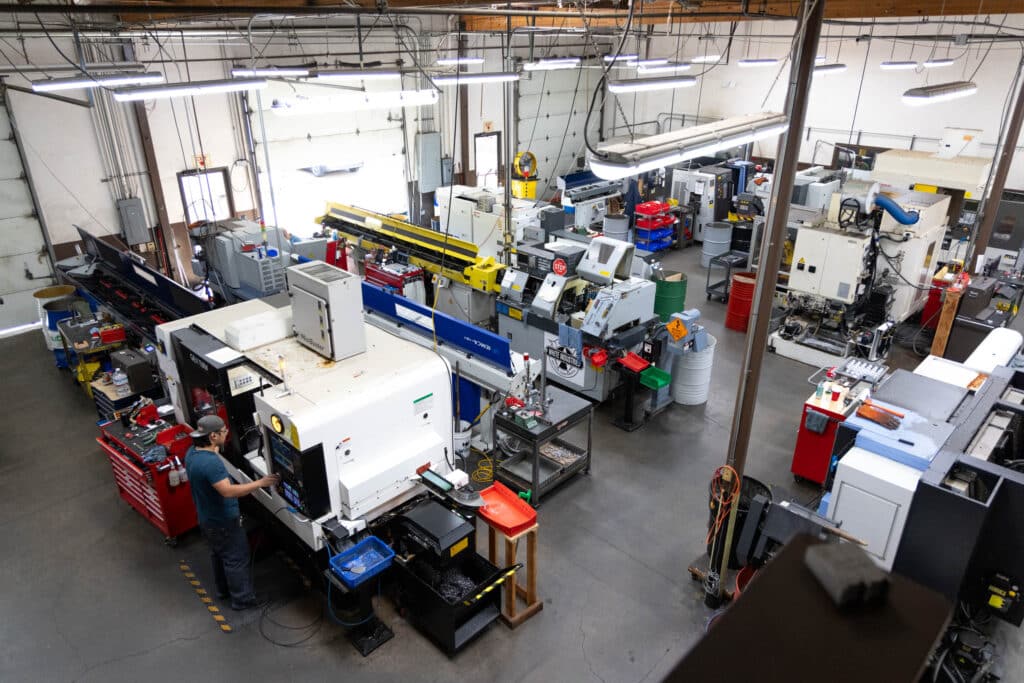
At White Industries, we’ve always believed that how something is made matters.
For more than four decades, we’ve been designing, machining, assembling, and testing bicycle components in Northern California. While many products today travel across multiple continents before reaching a rider’s bike, we’ve remained committed to keeping manufacturing close to home, maintaining control over quality, and building products that are made to last.
Recently, YouTubers Josh Reid and Nick Vieri friends of Enduro Bearings stopped by our Petaluma facility to get a behind-the-scenes look at how White Industries components come to life. The resulting factory tour offers a rare glimpse into the machines, processes, and people that make White Industries what it is today. Check out Inside White Industries video below.
More Than a Factory
Walking through the White Industries facility, one thing becomes immediately apparent: every product has a story.
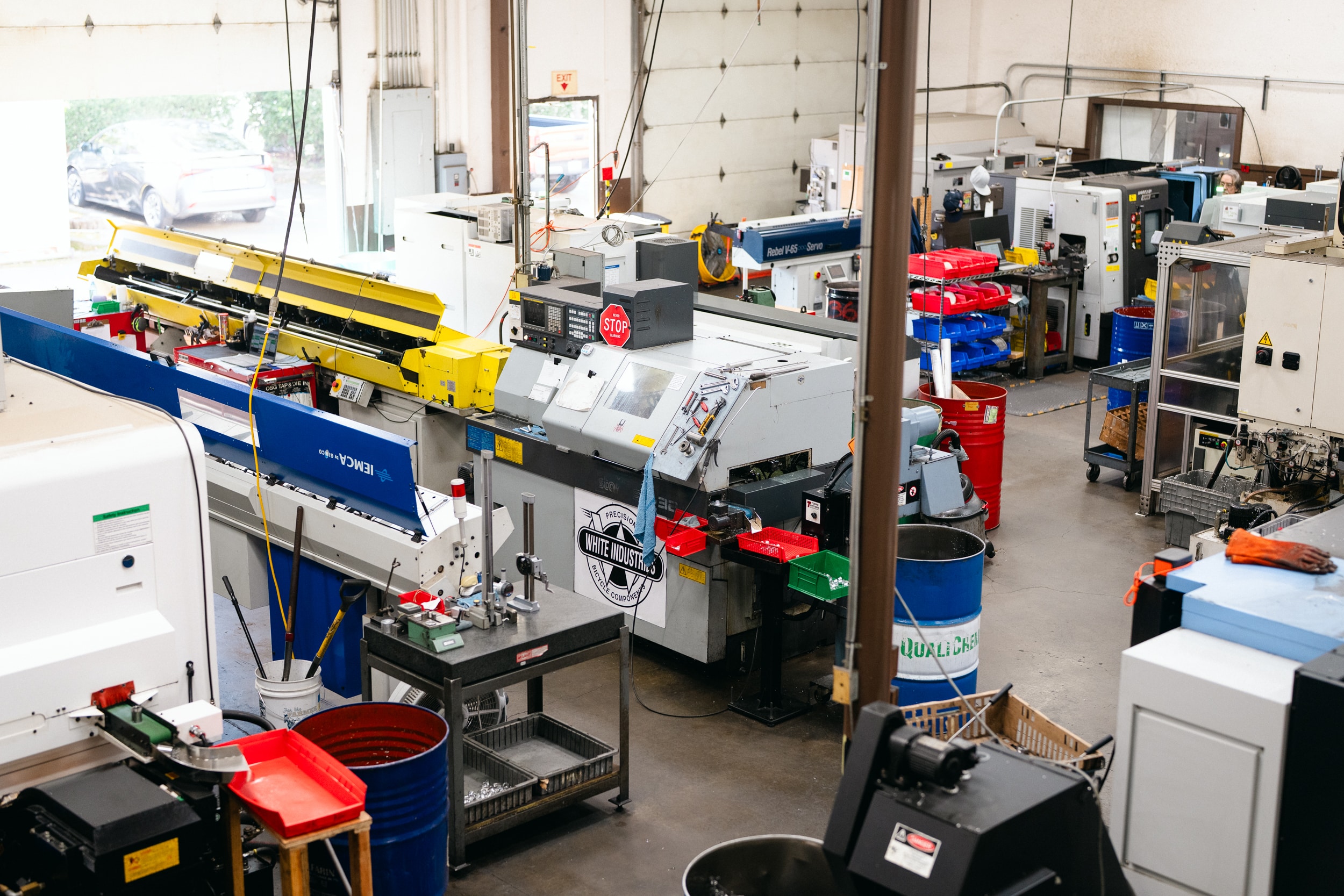
It starts with raw material and a design concept, but it comes to life through countless manufacturing steps. From CNC machining and finishing to assembly and inspection, every component passes through the hands of skilled team members who care deeply about the final product.
While modern manufacturing relies on advanced technology, it’s the experience and attention to detail of the people behind the machines that ultimately define the quality of a White Industries component.
Manufacturing Under One Roof
One of the things that makes White Industries unique is how much of the process happens in-house.
By keeping machining, assembly, quality control, and operations under one roof, we’re able to maintain the tight tolerances and consistency riders have come to expect from our hubs, cranksets, chainrings, headsets, and other components.
This approach also allows us to innovate quickly, solve problems efficiently, and continually refine our products. Every decision is made with durability, performance, and long-term reliability in mind.
Built for Riders, By Riders
At its core, White Industries has always been a company built by people who ride bikes.
Many of the products we make today were born from a desire to create components that didn’t exist elsewhere or to improve upon existing designs. That rider-first mindset continues to guide product development today.
The Value of Local Manufacturing
Manufacturing in California isn’t always the easiest path, but it’s one we’re proud to continue pursuing.
Producing components locally allows us to maintain close oversight of every stage of production while supporting skilled manufacturing jobs in our community. It also enables us to build stronger relationships with suppliers, respond quickly to customer needs, and remain accountable for the products that carry the White Industries name.
For us, local manufacturing isn’t a marketing slogan—it’s a commitment to craftsmanship, quality, and doing things the right way.
Take the Tour
We’re grateful to the Enduro Bearings crew(Make sure to give them a follow) for taking the time to visit our facility and share a glimpse of what goes on behind the scenes. Whether you’re a longtime White Industries customer or discovering the brand for the first time, the factory tour provides a unique perspective on the work, precision, and passion that go into every component we make.
The next time you spin a White Industries hub, shift through a White Industries crankset, or admire a freshly built wheelset, you’ll have a better understanding of the people and processes behind it.
Because at the end of the day, every component tells a story—and ours starts right here in Petaluma, California.
This past weekend, we headed to Portola, California for another incredible edition of Lost and Found Gravel, hosted by Sierra Buttes Trail Stewardship. Set against the backdrop of Portola and the rugged Lost Sierra landscape, the event once again brought together riders from across the country for one of gravel cycling’s most iconic weekends.
Lost and Found continues to be one of the premier gravel events in the country, not only because of the stunning terrain and challenging routes, but because of the people behind it. Sierra Buttes Trail Stewardship has built something truly special in the Lost Sierra, creating an event that celebrates adventure, community, and a shared love of riding bikes. Beyond race weekend, SBTS works year-round to build, maintain, and advocate for trails that benefit cyclists, dirt bikers, hikers, and outdoor enthusiasts alike. Their commitment to expanding access to world-class riding while investing in local communities is something we deeply admire, and we’re proud to support an organization that does so much to strengthen and grow the cycling community.
The festivities kicked off on Friday with the shakeout ride(Thanks Nicole and Patrick), where more than 100 riders rolled out to preview the terrain, spin their legs, and enjoy the community that makes Lost and Found so special. White Industries was proud to host an aid station along the route, offering refreshments, snacks, and a chance to connect with riders before the big day.
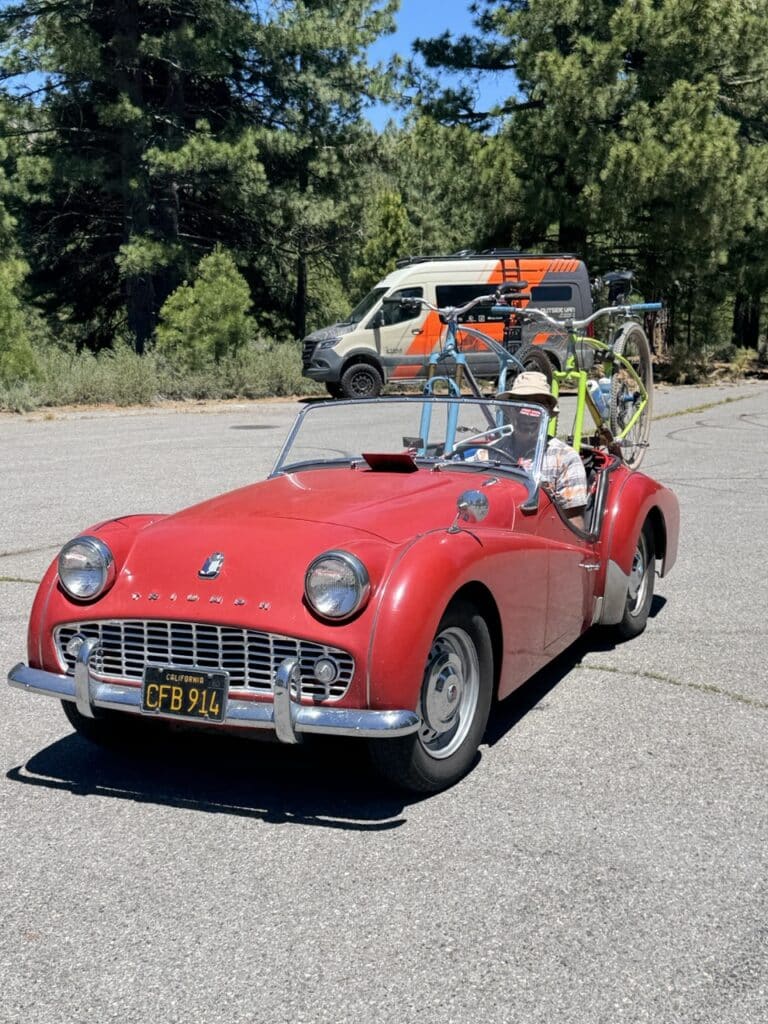
Have you seen Curtis from Retrotec and his Triumph at Lost and Found? He drove it from Napa up to Portola on Friday morning just for the shake out ride. Don’t worry he left at 5:15am to beat the heat!
Saturday morning saw more than 1,000 riders line up at the start, ready to tackle routes ranging from challenging 40, 60 miler or the full 100-mile epic. As the day progressed, temperatures steadily climbed, adding another layer of difficulty to an already scenic course.
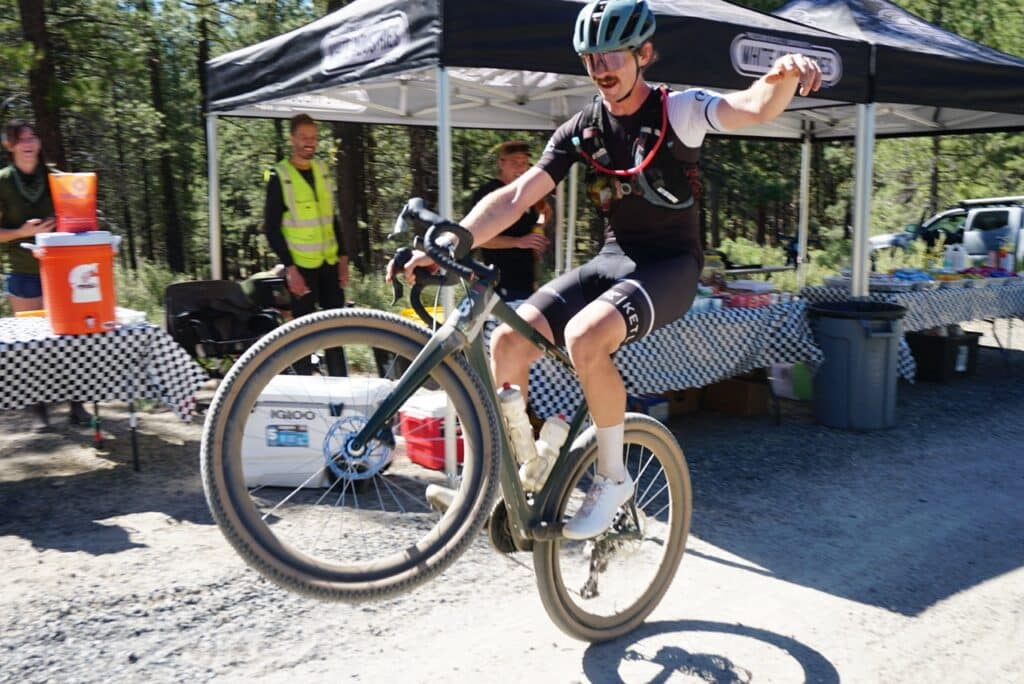
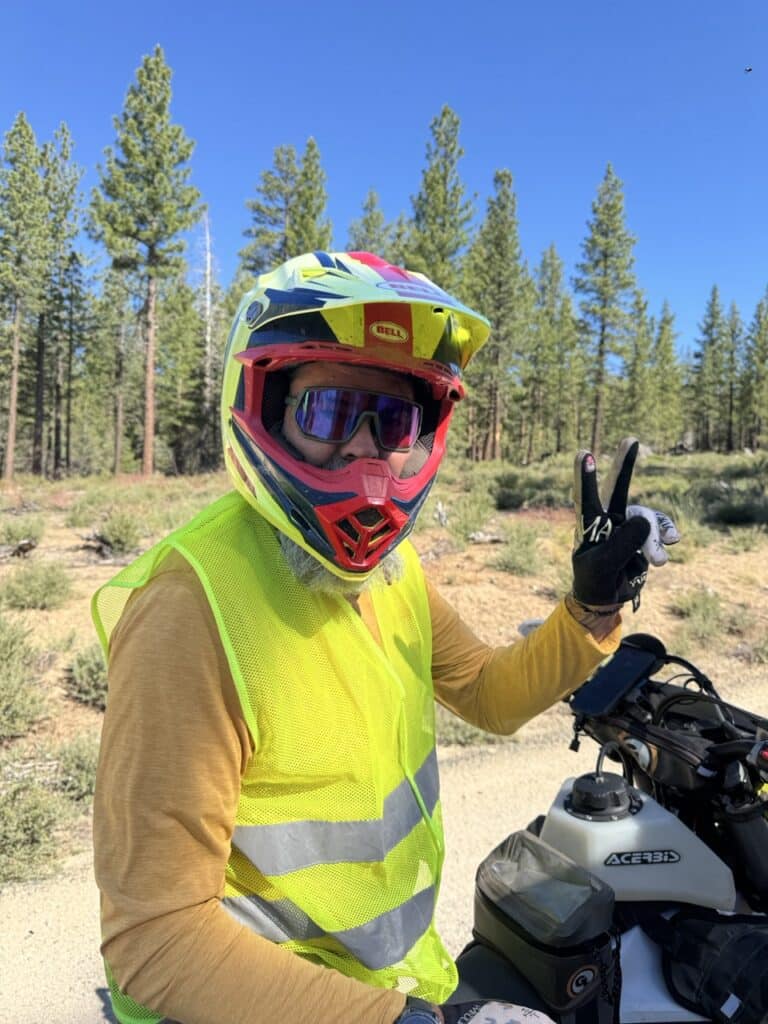
Dusty roads, long climbs, and relentless heat tested riders throughout the day, but the determination and positive spirit of the gravel community never wavered as you can see as White Industries Ambassador Tydeman Newman wheelied through our aid station!
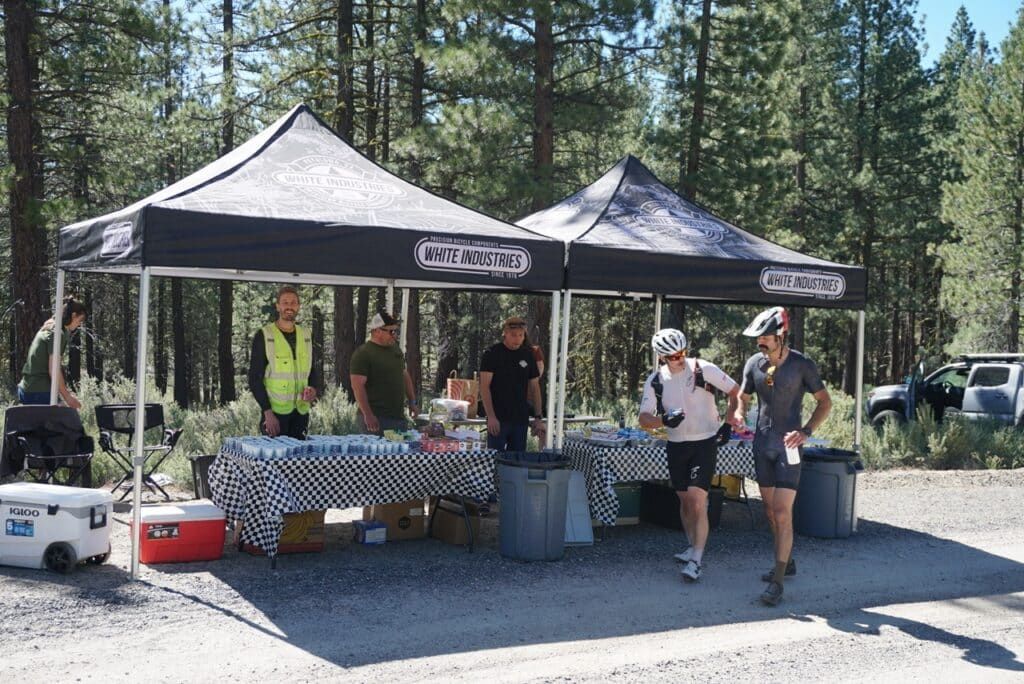
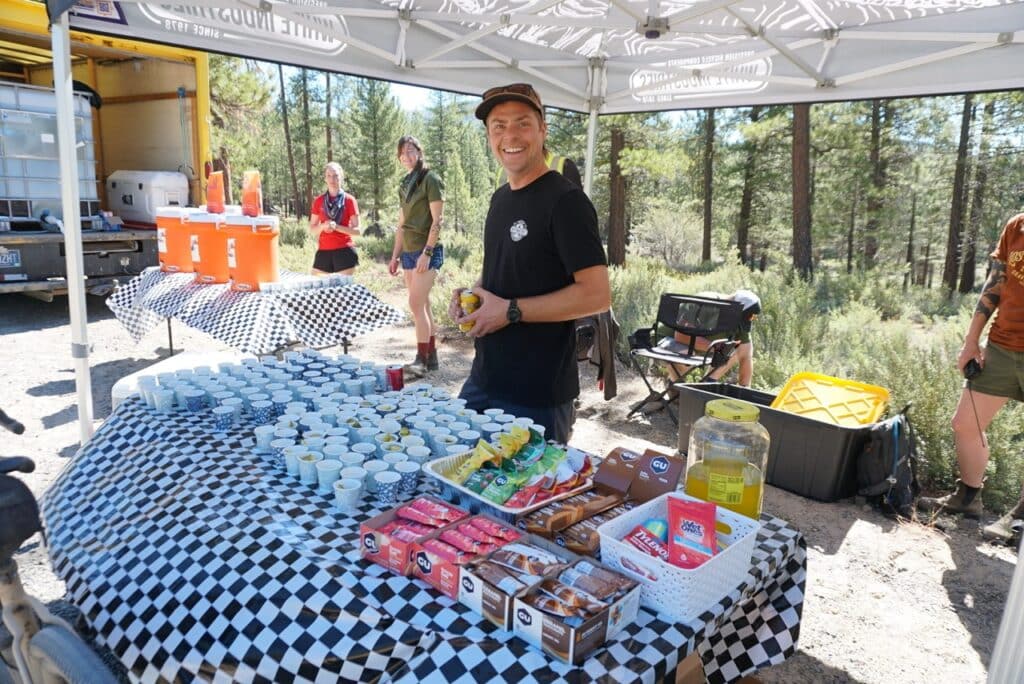
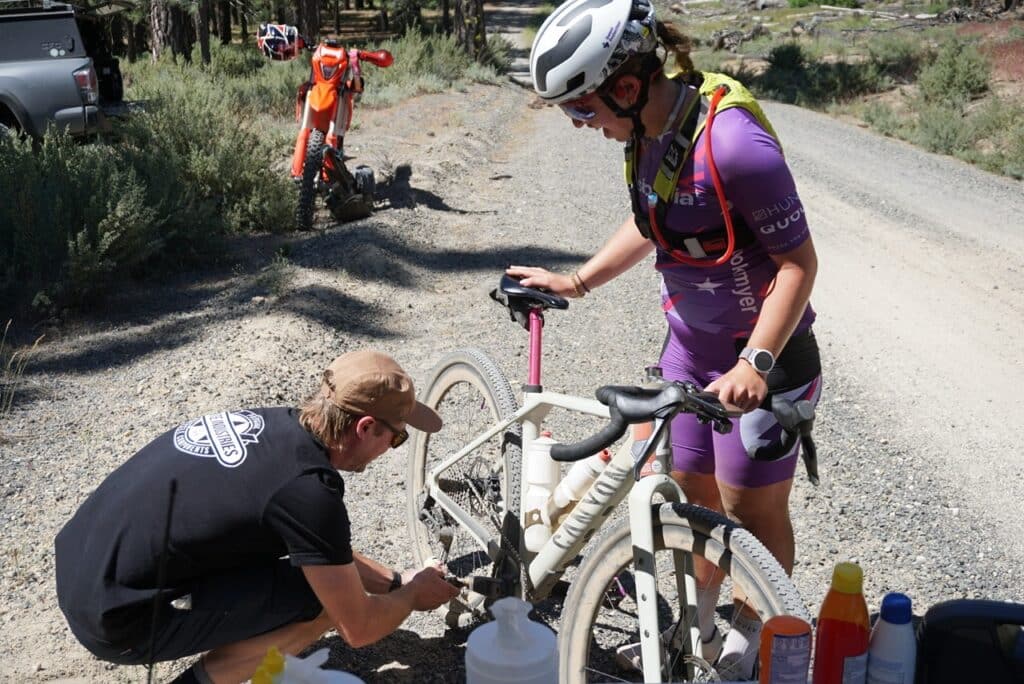
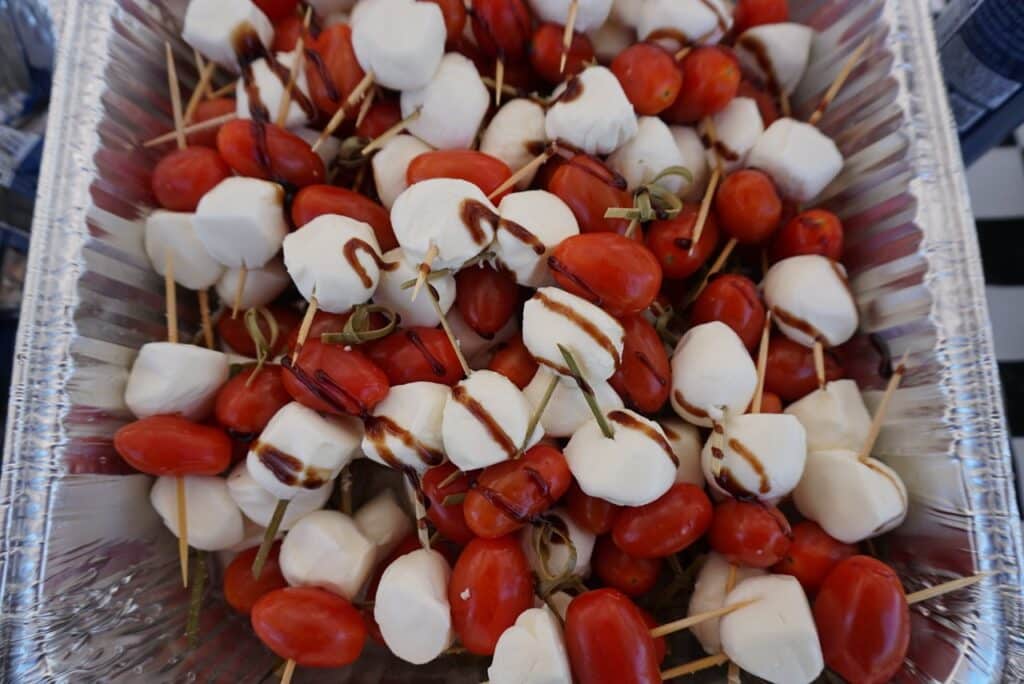
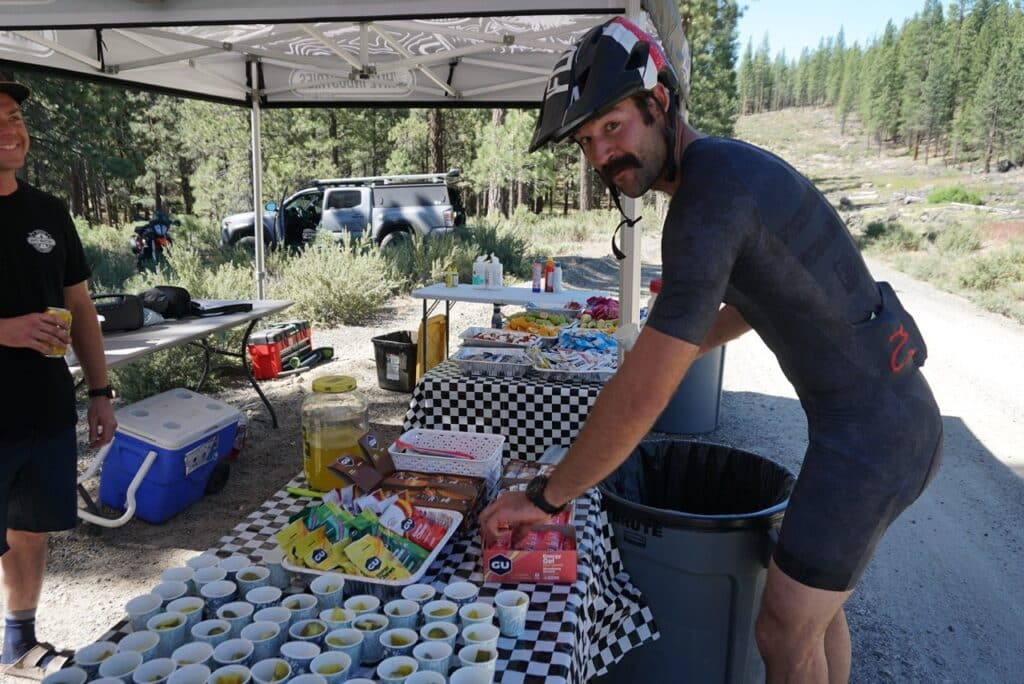
We spent Saturday at Aid Station #2 supporting the brave riders taking on the 100-mile route. Equipped with pickle juice for cramp prevention, fresh caprese bites for a change from Gu energy gels, and plenty of Dumonde chain lube to keep drivetrains running smoothly through the dust, our team was there to help riders keep moving toward the finish line. Whether someone needed a quick mechanical check, a salty snack, or just a few words of encouragement, it was rewarding to play a small part in so many successful rides.
Events like Lost and Found are a reminder of what makes cycling special. Beyond the miles, the elevation gain, and the finish times, it’s the people who make these weekends memorable.
We’re grateful to Sierra Buttes Trail Stewardship for continuing to put on such a world-class event and for their ongoing work building and maintaining trails throughout the Lost Sierra region.
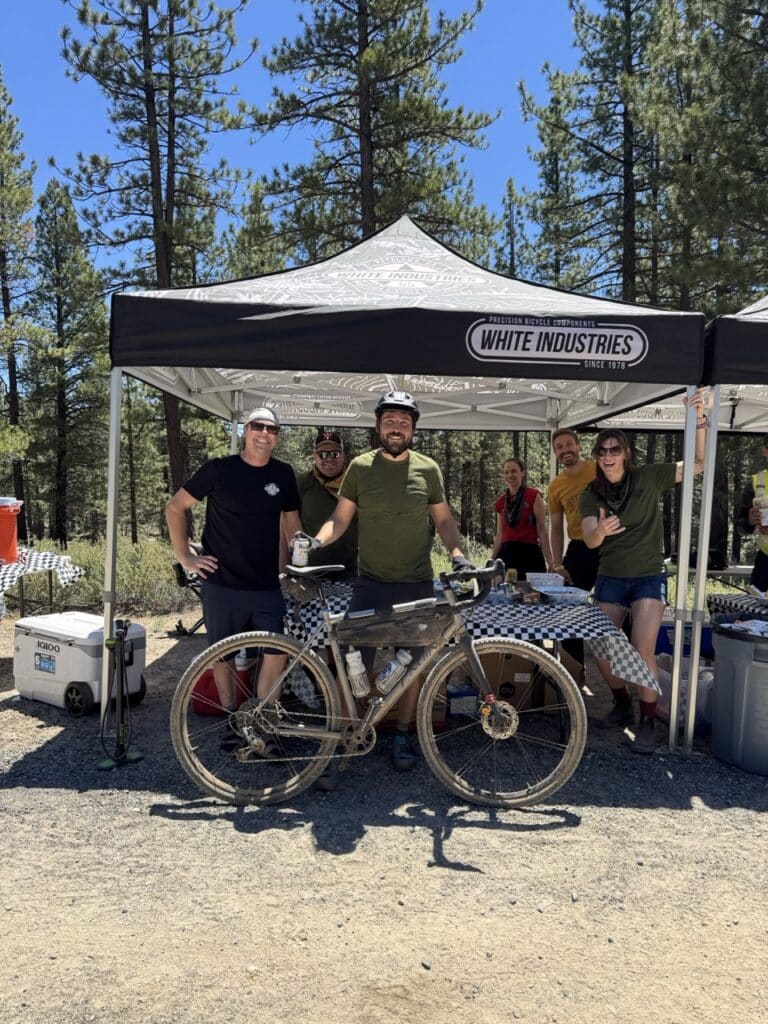
Thank you to everyone who stopped by our aid stations, shared stories, grabbed a caprese bite, or simply said hello. We look forward to seeing you out on the gravel again soon. And thanks so much for the White Industries crew of volunteers, Glyn, Kasey, Ed, Britney, and STBS volunteers Michelle and Neil for helping out! Couldn’t do it without this crew! (Insert hand heart emoji here).
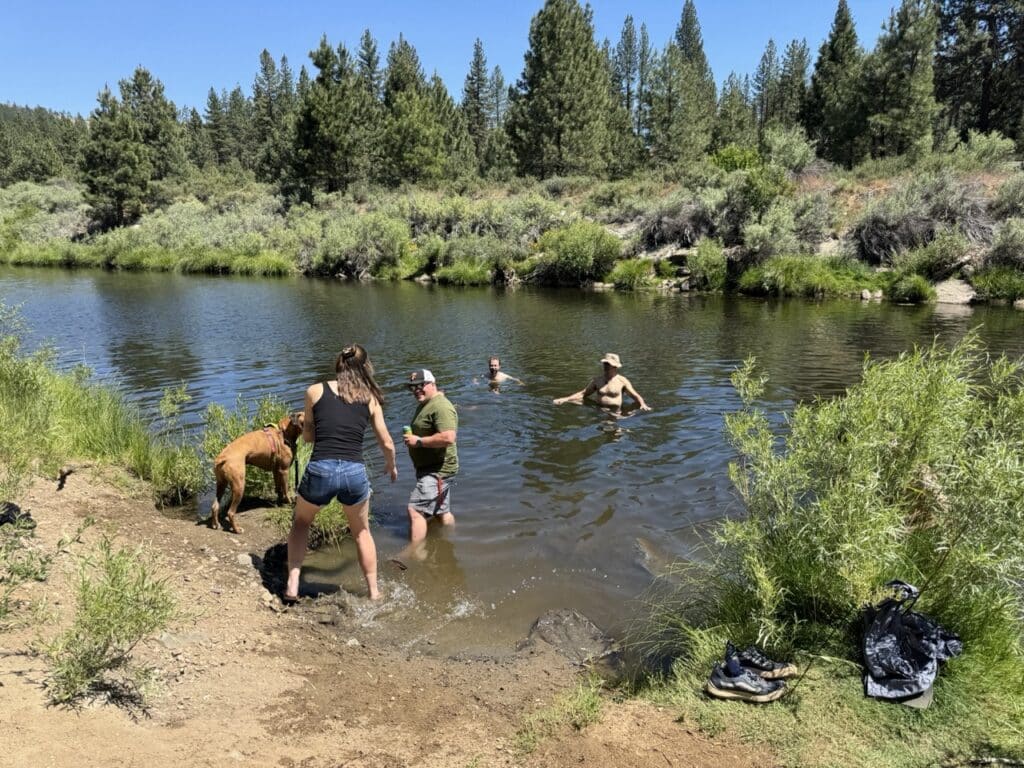
That river never felt so nice after such a long day out there.
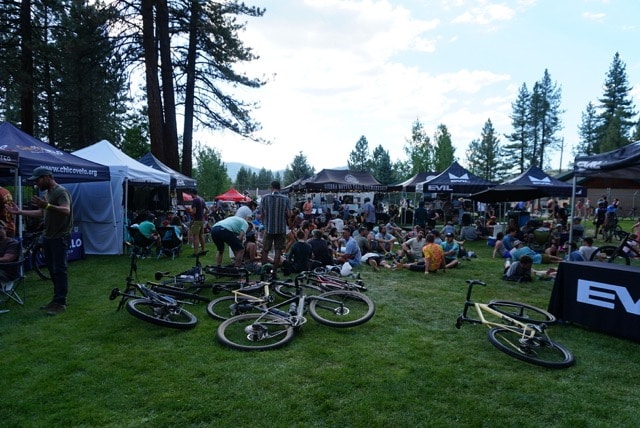
It was a fun filled event and the expo was the perfect zone to hang out in the cool grass and watch the amazing band play and eat some amazing food provided by local vendors! Already excited to be there for 2027!
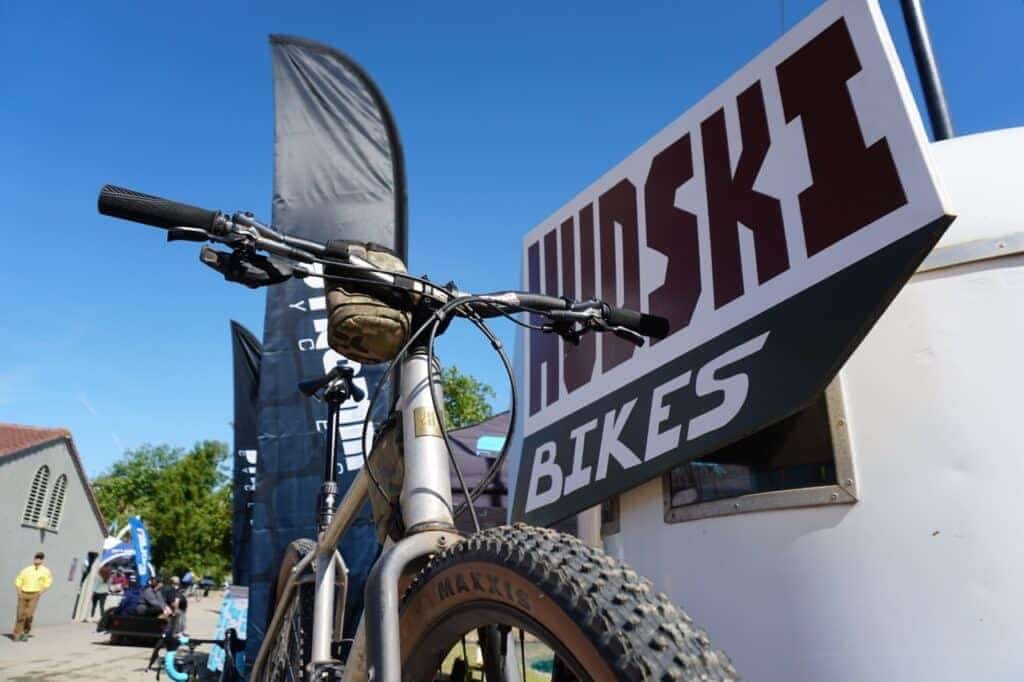
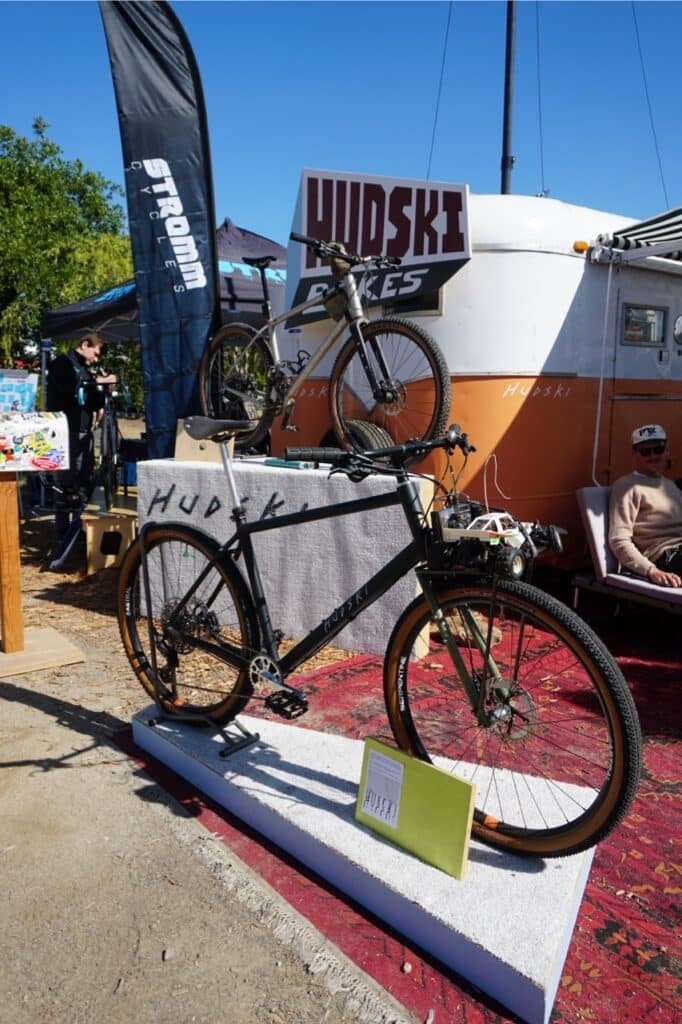
There’s something special about a bike that stops people in their tracks at Sea Otter Classic. This year, the Hudski Doggler show bike did exactly that.
Built around the belief that the best bikes are the ones you ride everywhere, the Doggler embodies the modern all-terrain bike mindset: equally capable on dirt roads, singletrack, city streets, and weekend adventures. It is the bike riders reach for when the route is undefined, the possibilities are wide open, and they let the wind be their guide.
When it came time to build a standout Doggler for Sea Otter, Hudski chose components that share the same philosophy: durable, beautiful, endlessly functional, and built to be ridden hard. Enter White Industries.
Defining the Modern ATB
There have always been all-terrain bikes. With the right mindset any bike can be an ATB. The Doggler, however, has carved its own path. Designed to bridge the gap between mountain bikes, gravel bikes, commuters, and adventure rigs, the Doggler combines confident handling, generous tire clearance, and everyday practicality in a package that feels at home almost anywhere.
This show bike features a custom steel fork built by Curtis Inglis, giving it a uniquely refined ride quality. The aluminum frame delivers a responsive and lively feel, while the steel fork adds a damped, tactile sensation to the front end. Combined with the Doggler’s mountain bike inspired geometry, the result is a bike that offers stability and confidence when the terrain gets rough. Whether it’s a quick spin around town, a backroad exploration, a loaded bikepacking trip, or an after-work singletrack session, the Doggler is built to adapt.
At Sea Otter, the bike stood out not only because of its distinctive ATB styling and eye-catching details, but because every component choice felt purposeful.
White Industries Performance Meets Adventure-Ready Simplicity
The Sea Otter build featured a full suite of White Industries components, including:
Together, the build delivered the clean, timeless aesthetic White Industries is known for while providing the precision, durability, and reliability riders expect from components built to last a lifetime.
The White Industries crankset brought stiffness, durability, and understated machining artistry to the build, and the square taper bottom bracket perfectly complemented the Doggler’s chill do-anything personality. Paired with White Industries hubs, the bike rolled with quick engagement, legendary reliability, and that unmistakable freehub sound that always seems to draw a crowd.
A White Industries headset completed the front end, tying the entire build together with the same attention to detail and timeless design found throughout the bike.
Sea Otter: Where Bicycles and Speedboats Collide
Sea Otter has always been more than just a bike festival. It is a gathering place for innovation, style, engineering, and cycling culture. If you stopped by the Hudski Chiller Zone, you probably noticed another side of the brand’s personality: a fleet of RC speedboats skimming across the water between conversations about bikes.
That blend of performance and fun is exactly what the Doggler represents. Serious capability without taking itself too seriously. A bike built to explore, experiment, and make every ride a little more interesting.
It wasn’t a hyper-specialized race machine or a fragile show bike. It was a bike built to be ridden hard. The kind of bike that makes you want to leave the expo, find the nearest dirt road, and disappear for a few hours.
That’s what made the partnership with White Industries feel so natural.
Built for Riders Who Want One Bike to Do More
The Doggler continues to prove that the all-terrain bike category is more than a trend. Riders are looking for bikes that can handle daily commutes, gravel adventures, bikepacking weekends, trail rides, and everything in between without sacrificing capability or character.
With White Industries components completing the package, this Doggler showcased exactly what that future can look like: modern versatility, timeless craftsmanship, and pure riding fun.
For riders who appreciate thoughtful design and components built to last, it was one of the standout builds of the weekend. Find the Doggler frameset here and check out the Doggler’s big brother the The Dualist by Hudski.
Lost and Found is one of California’s top gravel events. The course features fast fire roads, rough descents, steady climbs, and remote Sierra Nevada terrain. Each year, riders from across the country travel to Portola for the challenge and the experience and the snacks at the aid station.
Supporting the Gravel Cycling Community
White Industries proudly supports events that bring riders together. Lost and Found Gravel celebrates adventure, craftsmanship, and community-driven cycling culture. The event creates an atmosphere that feels welcoming from start to finish.
During the weekend, the White Industries crew will showcase our latest hubs, cranks, headsets, bottom brackets, and drivetrain components. Every product is manufactured in Petaluma.
Stop by the booth to check out new bike builds, discuss gravel gearing, and connect with the team behind the products.
Gravel Riding Continues to Drive Innovation
Gravel riding continues to shape modern bike design and rider creativity. Events like Lost and Found Gravel inspire everything we do at White Industries.
Some riders come to race. Others come to explore new roads or complete their first gravel event. No matter the goal, the weekend captures the freedom and adventure that make gravel riding special.
Visit White Industries at Lost and Found Gravel
We look forward to supporting riders, reconnecting with friends across the cycling industry, and spending another weekend in the Sierra Nevada.
If you’re attending Lost and Found this year, make sure to stop by and say hello. We will be out on course aiding the riders as they complete the 100 miler course.
Every once in a while, a bike comes along that stops you in your tracks.
Not because it’s flashy—but because it’s different.
The Marin Stayer is one of those bikes.
Built for the Unexpected
At first glance, it looks like a familiar drop-bar adventure bike. But take a closer look, and you’ll notice something unusual:
Two headsets.
Yes—two.
It’s a design choice that immediately raises questions, and that’s exactly the point. The Stayer isn’t built to follow expectations. It’s built to expand them.
Why Two Headsets?
The dual-headset setup is part of what makes this bike so versatile.
It allows for a unique front-end configuration that gives riders more options in how they set up and ride the bike—whether that’s for long-distance touring, mixed terrain, or simply experimenting with geometry and control.
It’s not about complexity for the sake of it. It’s about function, adaptability, and pushing boundaries.
The Right Components for the Job
When a bike steps outside the norm, every component matters even more.
This build features:
White Industries hubs
White Industries headsets (both of them)
It’s a natural fit.
At White Industries, components are designed to be durable, serviceable, and consistent over time—qualities that become even more important on a bike like this.
Whether it’s the smooth engagement of the hubs or the precision and reliability of the headsets, these are parts built to handle long miles and evolving setups.
A Bike That Invites Curiosity
The Marin Stayer isn’t trying to be everything to everyone.
It’s for riders who like to ask questions. Who enjoy experimenting. Who see their bike as something that can evolve over time.
It’s a platform for creativity.
More Than a Feature
What stands out most about this build isn’t just the dual headsets or the unique layout—it’s the intention behind it.
A willingness to try something different. A focus on function over convention. And a commitment to building something that works.
Final Thoughts
Bikes like the Marin Stayer remind us that innovation doesn’t always come in loud ways.
Sometimes it’s subtle. Sometimes it’s unexpected. And sometimes… it comes with two headsets.
And when it does, it’s worth taking a closer look.
Big thanks to Marin Bikes for building this rad bike and including us in it.
Precision Details. Everyday Reliability. Made to Last.
At White Industries, we’ve always believed the smallest components can make the biggest difference. The new Seat Collars are a perfect example of that philosophy — a refined, purpose-built component designed to quietly do its job ride after ride, year after year.
Machined in-house from 6061 aluminum, the new White Industries Seat Collars bring together clean aesthetics, dependable clamping force, and the same attention to detail riders have come to expect from every part that leaves our shop in Petaluma, California.
Built for the Long Haul
A seat collar might not be the flashiest part on your bike, but it’s one of those components you never want to think about once installed. Whether you’re grinding up steep fire roads, hammering through rough singletrack, or lining up at your local race, reliability matters.
The new White Industries Seat Collars are engineered for consistent, even clamping force while minimizing unnecessary weight. The precision-machined design helps reduce stress on your frame and seatpost while keeping everything secure where it belongs.
Available in multiple sizes and anodized color options, these collars are designed to complement modern builds while adding a subtle touch of White Industries style.
Made In-House, Start to Finish
Like all White Industries components, the new Seat Collars are manufactured entirely in-house. From machining and polishing to anodizing and laser engraving, every step happens under one roof.
That means tighter quality control, better consistency, and components we’re proud to stand behind.
Polished in-house and engraved — not etched — every collar reflects the same craftsmanship and attention to detail found across the White Industries lineup.
Designed to Match Your Build
The new collars are available in a range of anodized finishes to pair perfectly with hubs, headsets, cranks, and other White Industries components. Whether you prefer a stealthy monochrome build or want a pop of color to tie everything together, there’s an option for every bike.
From gravel rigs and trail bikes to custom steel dream builds, these collars are built to fit seamlessly into the bikes riders care most about.
White Industries Gold Seat Collar.
Small Part. Big Difference.
The best bike components are often the ones you stop noticing because they simply work. The new White Industries Seat Collars are built with that exact mindset: simple, durable, beautifully machined, and ready for years of riding.
Some bikes are built to ride. Some are built to last. And some are built to tell a story.
This one does all three.
A Name With Meaning
“The B.A.L.L.(er)”—short for The Bay Area Love Letter—is exactly what it sounds like: a tribute to the place, the people, and the culture that shaped it.
The name follows the (in)famous acronym style made popular by Bay Area legend Sky Yaeger, a nod to a region that has long influenced the direction of cycling—from product design to the way people ride.
This build leans into that legacy, bringing together as many Bay Area-based brands as possible.
At its core, it’s a reflection of community.
Built Close to Home
The parts list reads like a map of Northern California craftsmanship.
Components from White Industries, Wilderness Trail Bikes, Paragon Machine Works, Ritchey Logic, Enduro Bearings, and Outer Shell all find their place here.
There’s also a thoughtful mix of pieces from beyond the Bay—Wolf Tooth pedals, Ritte rims, SimWorks bottle cages, a Swift Industries bag, and a custom cap from Yellowbird Threadworks—each chosen with intention, not excess.
Nothing here feels random. Every part belongs.
A Component With History
Among all the new parts, one piece stands apart.
The White Industries square taper ENO cranks.
Originally purchased in 2010, they were part of a Gen 1 Salsa Fargo built for the Tour Divide—a bike that opened the door to a completely new way of riding.
That bike is long gone. The cranks are not.
Still going strong, they now live on in this build—proof that well-made components don’t just last, they carry stories forward.
There’s something fitting about that: a locally made, long-lasting part finding its place on a custom bike built with the same mindset.
Paint, History, and Personal Roots
The paint scheme draws inspiration from a 1991 Bridgestone RB-1, executed by NYF Painting in Madison, Wisconsin.
Madison happens to be home.
So while this bike is deeply rooted in the Bay Area, it also carries a piece of where it all started.
And even that RB-1 reference circles back—the original Bridgestone designs were shaped by Grant Petersen, a long-time Bay Area figure and founder of Rivendell.
Everything connects.
Details That Matter
Beyond the components and paint, this bike carries something more personal.
Subtle Easter eggs are worked throughout the frame:
Nicknames of people who’ve had a lasting impact
Symbols representing four places lived across the Bay
Drawings from family—his son and wife—on the top tube
And a phrase that says it all:
“Ride Slow, Take Photos.”
It’s not just a bike. It’s a record.
Thirty Years in the Making
After 30 years of riding, this is the first true custom build.
Not rushed. Not overdone. Just carefully considered, piece by piece.
“I couldn’t have asked for a better result.”
And that’s the point.
Not just building something new—but building something that reflects where you’ve been, what you value, and how you ride.
More Than a Bike
The B.A.L.L.(er) isn’t about trends or specs.
It’s about:
Place
People
Craft
And time
A reminder that the best bikes aren’t just assembled—they’re shaped by experience.
And sometimes, the parts you’ve had the longest end up meaning the most.
Hosted by the Marin Trail Stewards, this year’s event brought together more than 450 riders across categories ranging from Pro to Sport class, all converging on the birthplace of mountain biking for a weekend built around trails, community, and good people on bikes.
And White Industries was proud to be part of it.
More Than a Race
The Marinduro has always been more than timed stages and podiums. Events like this are reminders of what makes mountain biking special in the first place—shared effort, trail stewardship, local culture, and the simple excitement of spending a day outside on a bike.
With riders lining up from early morning, Fairfax was buzzing all weekend. Vans packed the streets, bikes filled up the amazing bike valet, and conversations about tire pressure, line choice, and post-race burritos filled the air.
Conditions were prime, the trails were running fast, and the energy throughout the venue stayed high from start to finish. Big thanks to all the volunteers that make this event happen.
Supporting Riders Along the Way
This year, White Industries showed up to support riders with our Stoke Station—a place to regroup, refuel, and keep the energy high throughout the event.
Whether riders needed a quick adjustment, thanks to Marin Bikes, a snack, a little encouragement before the next stage, or just a place to hang for a minute, the goal was simple: support the people out there putting in the miles.
That’s what this event is all about and maybe a few cute dogs in backpacks(Meet Eva).
We’ve always believed bikes bring people together, and nowhere is that more obvious than at events like the Marinduro in Fairfax, CA.
Afterparty & Podium Celebration
After the dust settled and the final riders rolled in, the weekend shifted into celebration mode at Split Rock Tap & Wheel for the afterparty and podium celebration. Thanks Peter and Ryder Lucas from Marin Service Course for holding down the fort while we will still at the Stoke Station.
The post-race atmosphere was filled with brews, smiles, glitter( thanks Gabby), and lots of laughs!
The podium party capped off an already incredible day and served as a reminder that events like this only happen because of passionate local organizations, volunteers, and riders who continue showing up year after year.
Supporting Marin Trail Stewards
A huge thank you goes out to Marin Trail Stewards for organizing another outstanding event, the best one yet! Taylor aka the Burrito Boy delivered burritos by bike to all the volunteers on the course. Marin Trail Stewards always thinking of others!
Organizations like Marin Trail Stewards play a critical role in keeping trails open, maintained, and sustainable for future riders. Their work extends far beyond race day and directly supports the long-term health of mountain biking in Marin County.
Why These Events Matter
The Marin Enduro brought together riders of every level, from elite racers to first-time competitors( Way to go Juli), all sharing the same trails and same excitement for riding bikes.
At the TDS event, conditions ran the full spectrum—dry and fast in the sun, slick and technical in the mud, and just enough rain to keep riders on their toes. It was the kind of weekend that tested not just fitness, but adaptability and all around skill.
And it brought out a crowd like we’ve never seen. Big thanks to the Sanchez family for putting on such a fabulous event for the past 12 years!
Stages That Had It All
From the start, the stages demanded attention. Riders faced changing terrain throughout the day—sections that were fast and flowing quickly turned into muddy, unpredictable stretches as the weather shifted from Saturday to Sunday.
It was a true all-conditions race:
Dry, dusty climbs on one day
Slick, rocky, technical descents
Rain-soaked muddy sections that kept everyone honest the next day
The kind of riding where equipment matters—and so does experience.
A Crowd Like No Other
What stood out just as much as the racing was the energy around it.
The spectator turnout was massive. Fans lined the course, packed into key sections, and brought a level of excitement that elevated the entire event. From start to finish, riders were met with cheers, encouragement, and a level of stoke that made it feel bigger than ever.
It’s a sign of how strong the community is—and how much events like this continue to grow.
Marco Osborne Takes the Win
At the front of it all was Marco Osborne.
Riding with control and confidence through constantly changing conditions, Marco put together a performance that stood out from the start. It was within seconds of third and second place with all 11 stages. Where others hesitated, he committed—carrying speed through technical sections and staying smooth as the course evolved.
It wasn’t just fast—it was composed and calculated.
This wasn’t a perfect-weather race—and that’s what made it better.
The mix of sun, mud, and rain created a course that rewarded riders who could adapt, read the terrain, and trust their setup. It was a reminder that some of the best racing happens when conditions aren’t predictable.
Why It Matters
Events like TDS in Grass Valley highlight what makes mountain biking special:
Challenging terrain
Unpredictable conditions
A strong, passionate community of spectators
Looking Ahead
From the biggest crowd we’ve seen to a standout performance from Marco, this year’s TDS event was one to remember.
Grass Valley showed up. The riders delivered. And the conditions made it unforgettable.
We’ll be thinking about this one for a while. Now time for some sleep.
Every year, the Sea Otter Classic brings together just about everything we love about bikes—riders, builders, industry friends, and a shared appreciation for time spent on two wheels.
This year in Monterey delivered all of that and more.
Four Days of Sun and Riding
It’s not always a guarantee, but this year brought near-perfect conditions—clear skies, warm sun, and just enough coastal breeze to remind you where you were. From the first morning to the final lap, the energy across the venue felt strong.
The trails were busy, the expo was full, and everywhere you looked there were people riding, talking bikes, and reconnecting.
Seeing Old Friends, Meeting New Ones
Sea Otter has always been as much about community as it is about products.
We had the chance to catch up with longtime friends, meet new riders, connect with dealers and partners, and spend time with people who genuinely care about how things are made and how they ride.
Those conversations—on the grass, in the booth, out on the trails—are what make the event what it is.
Camp Life, Tacos, and Good Company
Some of the best moments didn’t happen on the show floor.
Friday night at camp turned into a full-on taco party—good food, cold drinks, and a lot of laughter after a long day. One of the best parts? Being able to walk straight from the venue to dinner and happy hour without missing a beat.
It’s those simple moments—shared meals, easy conversations, and a tight-knit community—that really make Sea Otter special.
A Big Moment: Titanium Cranks
This year was especially meaningful for us with the launch of our new titanium cranks.
Seeing them in person, talking through the details, and watching people interact with them throughout the weekend was a highlight. There’s something different about putting a product directly in riders’ hands—feeling the weight, seeing the finish, understanding how it fits into a build.
The response was overwhelmingly positive, and it was clear that the time and attention put into developing them resonated.
A Weekend That Reminds Us Why We Do This
Between the riding, the conversations, and the energy of the event, Sea Otter continues to be a reminder of why we do what we do.
It’s about more than components. It’s about the people who ride them, build with them, and care about the details.
Looking Ahead
We left Monterey feeling grateful—grateful for the weather, the turnout, the support, and the opportunity to share what we’ve been working on.
To everyone who stopped by, asked questions, took a closer look, or just said hello—thank you.
We’re already looking forward to next year, but first we need to recuperate a little bit.
Big thanks to Gene Torno for these fabulous candid photos!
Introducing T30 Titanium Cranks from White Industries
Titanium has long held a special place in cycling. Known for its strength, durability, and unmistakable ride quality, it’s a material that rewards careful design and precise manufacturing. With the introduction of new titanium cranksets from White Industries, riders now have another way to experience the benefits of this remarkable material.
These cranksets were developed through a collaboration between three American companies—Brunk Industries, Moots, and White Industries—each contributing decades of expertise in working with titanium. By combining stamping and forming, precision machining, and world-class welding, the team created a crankset that showcases the strengths of titanium in a drivetrain component.
What Makes Titanium Special?
Titanium is often described as the “forever material” in cycling, and for good reason. It offers an exceptional combination of properties that are difficult to replicate with other metals.
First, titanium provides excellent strength-to-weight performance. While it’s not always about chasing the absolute lowest weight, titanium allows engineers to design components that remain strong and reliable without unnecessary bulk.
Second, titanium is known for its outstanding fatigue resistance. Bicycle components are constantly subjected to repeated loads, and titanium’s ability to withstand those cycles over time makes it ideal for riders who demand longevity from their equipment.
Third, titanium naturally resists corrosion and environmental wear. Whether riding through rain, mud, or long gravel miles, titanium maintains its integrity and appearance over years of use.
Finally, there’s the ride feel. Titanium is well known for its ability to dampen vibration while maintaining stiffness where it matters, creating a smooth and refined riding experience.
Bringing Three Specialties Together
Creating a titanium crankset isn’t simply about choosing the material—it requires deep knowledge of how titanium behaves throughout the manufacturing process.
The project began with Brunk Industries, whose precision stamping and forming capabilities are trusted in industries such as aerospace and medical. Their expertise made it possible to shape titanium with the accuracy and consistency required for high-performance bicycle components.
From there, White Industries applied decades of experience in precision machining and drivetrain design to engineer the crank architecture and ensure compatibility with modern drivetrain systems. Known for tight tolerances and long-term serviceability, White Industries’ role ensured the crankset would perform reliably in real-world riding conditions.
Completing the collaboration is Moots, whose reputation for titanium craftsmanship spans more than forty years. Their welding and fabrication expertise helped refine the structural integrity and finishing of the crankset, ensuring it meets the durability expectations riders associate with premium titanium products.
Built to Last
The result of this collaboration is a crankset that reflects a shared philosophy among all three companies: build products that endure. Rather than chasing trends or short product cycles, these titanium cranks are designed for riders who appreciate quality manufacturing and long-term reliability.
Each crankset is produced through a combination of forming, machining, and welding processes carried out by American manufacturers dedicated to their craft. The finished product reflects the strengths of each partner and the possibilities that arise when specialized expertise is brought together.
Titanium for the Long Ride
For riders who value durability, precision, and timeless materials, titanium continues to stand apart. With these new cranksets, White Industries extends its tradition of carefully engineered components into a new category—one where titanium’s strengths can shine.
Whether your bike sees long gravel miles, mountain adventures, or everyday rides, titanium cranks are built with the same goal that has guided White Industries since the beginning: components designed to last for the long ride.
Some projects start with a product. This one started with a purpose.
A small product with a bigger purpose.
At White Industries, we’ve always believed that the future of cycling depends on access—on getting more people on bikes and keeping them there. That’s what led us to partner with the NorCal Interscholastic Cycling League, an organization that’s been doing exactly that for years.
Their work is simple in principle, but powerful in impact: give kids the opportunity to ride, and everything else follows.
Where Craft Meets Expression
To support the NorCal League, we wanted to create something small, intentional, and meaningful.
We partnered with Ashley Anodized It, known for transforming precision-machined parts into one-off pieces through custom anodizing. Each finish carries subtle variation—color, depth, and character that can’t be replicated at scale.
The result is a limited run of custom top caps.
Each one starts as a White Industries top cap—machined with the same attention to detail as the rest of our components—then finished individually. No two are exactly alike.
When they’re gone, they’re gone.
More Than a Finish
This project isn’t just about color or customization.
A portion of proceeds from every top cap goes directly to the NorCal League, supporting youth cycling programs across Northern California—helping fund coaching, equipment, and access for the next generation of riders.
It’s a small part, but it connects to something bigger:
Cycling doesn’t grow on its own. It grows through communities, programs, and opportunities—especially for younger riders.
The NorCal League has been a driving force in that effort, creating a space where riding is about more than competition. It’s about confidence, connection, and time spent outside.
For Tim Shaffer, bikes have always been part of the story.
Like a lot of riders, it started early—childhood days spent on two wheels, riding everywhere, all the time. And like many, that chapter paused during high school. But bikes have a way of finding their way back.
For Tim, that moment came in 1986.
Discovering Mountain Bikes
When Tim first discovered mountain biking, it wasn’t just another way to ride—it was a whole new world.
“I saw it as a way to explore, discover and most of all slide, jump and go fast on dirt trails, like a kid again!”
That feeling stuck.
By 1989, he entered his first NORBA-sanctioned race, and from there, he was hooked. His racing career spanned through the 1990s until retiring in 2002—a period he describes as the “glory years” of mountain bike innovation.
The Era of Small Shops & Big Ideas
Back then, mountain biking looked different.
Before mass production and global supply chains dominated the industry, there were small machine shops across the country creating aftermarket components—parts that made bikes lighter, faster, and more personal.
“Most of all cool and unique.”
It was an era defined by experimentation, craftsmanship, and individuality. Riders weren’t just buying bikes—they were building them.
Tim leaned into that fully, creating what he describes as “amazing, tricked-out race bikes” throughout those years.
Still Building, Still Riding
Fast forward to today, and not much has changed—except now, the builds are rooted in history.
Tim still enjoys curating bikes from that era, bringing together components that defined a generation of riding.
Which brings us to his latest build.
The Bike: 1993 Fat Chance Wicked Lite
At the center of this project is a 1993 Fat Chance Wicked Lite in gloss black.
Originally built as a “wife’s bike,” it was found on Marketplace in remarkably good condition—low miles, well stored, and equipped with Shimano XT/DX components.
A perfect starting point.
Building It Right
Tim approached this build the way many riders did in the early ‘90s—thoughtfully, intentionally, and with an eye for both performance and aesthetics.
Front End & Wheels
An early ‘90s Bontrager Switchblade fork sets the tone up front.
The wheels are something special:
Custom-built with Nuke-Proof hubs (carbon front, titanium rear)
Laced to WTB Power Beam rims
Finished with polished Ringle Holy Stix skewers and matching seatpost binder bolt
Drivetrain
At the heart of the build is a full White Industries LMDS shifter/derailleur system, paired with:
Custom polished billet crank arms
Speed Metal titanium crank bolts
Adventure Components 38T chainring
Shimano HG chain
Shimano XTR 8-speed cassette
White Industries titanium bottom bracket
It’s a setup that blends precision, durability, and unmistakable character.
Braking & Details
Braking is handled by Paul Components Stoplight cantilever brakes, front and rear, paired with Scott/Mathauser finned pads.
Additional touches include:
Polished Ringle MOJO peace sign front hanger
Avid Tri-Align rear
Details that feel right for the era—and still hold up today.
Cockpit & Contact Points
Up top, the build continues with carefully selected classics:
Chris King 1” polished headset
Ringle Zooka stem with 17° rise
Fat City Cycles handlebars
Paul Components Love levers
YETI grips
The seat setup features a Syncros post paired with a mint Selle Italia Flite saddle.
Rolling on Maxxis Holy Roller tires, with a Ringle H2O bottle cage to finish it off.
The Result
“What can I say? I think it came out awesome and it rides like a dream!”
That’s really the goal.
Not just a bike that looks right—but one that feels right. One that captures a moment in time while still delivering on the ride.
Spring means one thing in cycling: Sea Otter Classic 2026 is around the corner.
We’re looking forward to heading back to Monterey to connect with riders, builders, dealers, and longtime friends at one of the most anticipated cycling events of the year. The Sea Otter Classic has always been more than a trade show — it’s a gathering of the cycling community in all its forms, from racers to weekend riders to industry veterans. We’re at booth B21. Hope to see you there.
And we’re excited to be part of it again.
Showcasing What We Build
At Sea Otter Classic 2026, we’ll be showcasing the components that define White Industries: precision hubs, cranks, headsets, bottom brackets, and more — all manufactured in Petaluma, California.
This year, we’re especially excited to share:
Our latest hub configurations
Updated component offerings
Limited edition product
Service tools and small parts that keep bikes rolling
If you’ve been wanting to see our products up close — this is the place to do it. There’s no substitute for holding a hub in your hands, spinning it, and seeing the machining details in person.
Built in Petaluma, Shown in Monterey
The Sea Otter Classic 2026 gives us the opportunity to showcase what it means to manufacture under one roof. From raw material to finished product, nearly everything we produce happens in-house. Bringing those products to Sea Otter is a natural extension of that process — face-to-face conversations about how and why things are built the way they are.
We’ll be there to answer questions about compatibility, serviceability, and long-term performance. Whether you’re a framebuilder, a shop mechanic, or a rider planning your next build, we’re happy to talk details.
More Than a Booth
Sea Otter isn’t just about product. It’s about community.
We’re looking forward to:
Connecting with our community
Meeting new riders
Supporting dealers and partners
Walking the venue and seeing what others are building
The Sea Otter Classic 2026 continues to be one of the best places to see where cycling is headed — and we’re proud to represent a steady, deliberate approach to building components that last.
Come Say Hello In person
If you’re attending Sea Otter Classic 2026, stop by and see us. Spin a hub. Ask a question. Talk shop.
How White Industries Builds Components in Petaluma, California
Manufacturing isn’t just where something is made—it’s how decisions are made, problems are solved, and standards are upheld. At White Industries, nearly every step of the process happens under one roof in Petaluma, California, from raw material to finished component.
This approach isn’t the fastest or the simplest. It is, however, the most consistent—and consistency matters when you’re building parts meant to be ridden for years.
It Starts With Raw Material
Every component begins as raw material: aluminum, steel, titanium. Material selection is deliberate and conservative, prioritizing stability, machinability, and long-term durability over novelty or cost savings.
Because manufacturing happens in-house, material quality can be verified and controlled before a part ever touches a machine. That early oversight sets the foundation for everything that follows. Tolerances, finishes, and service life are all influenced by decisions made at this stage.
Machining In-House, Start to Finish
Once material is selected, it moves directly into machining—performed entirely in Petaluma. Hubs, cranks, chainrings, freewheels, bottom brackets, and small hardware are all precision-machined on-site.
In-house machining allows for:
Tight control over tolerances
Immediate adjustments when improvements are identified
Consistency across production runs
Long-term stability of designs and specifications
If something can be improved, it happens here—without waiting on overseas communication loops or third-party schedules.
Process Control and Iteration
Because design, machining, and assembly are physically close, feedback loops are short. A machinist can speak directly with engineering. Assembly feedback can inform machining adjustments. Problems are solved quickly and directly.
This proximity matters. It’s how subtle refinements happen—changes that might never justify a new product launch but meaningfully improve durability, serviceability, or consistency.
Inspection at Every Stage
Quality control is not a single checkpoint at the end of production. Parts are inspected throughout the process:
During machining
After critical operations
Before assembly
After final assembly
This layered approach catches issues early, reduces waste, and ensures that finished components meet the same standards batch after batch.
Assembly Where It’s Made
Final assembly also happens in Petaluma. Bearings are installed, mechanisms are assembled, tolerances are checked, and components are prepared for service life.
Because assembly is in-house, components are built with serviceability in mind from the start. Replacement parts, documentation, and long-term support aren’t afterthoughts—they’re built into the system.
The One Exception: Anodizing
The only step that happens outside our facility is anodizing.
Anodizing requires specialized chemical processing that is best handled by trusted partners who meet environmental and quality standards. Finished machined parts are sent out for anodizing and then returned to Petaluma for final inspection and assembly when applicable.
Even here, control remains important. Finishes are specified carefully, batches are tracked, and returned parts are inspected to ensure they meet our standards before moving forward.
Why One Roof Matters
Keeping nearly the entire manufacturing process under one roof provides real benefits to riders and partners alike:
Consistency: Fewer variables mean more predictable performance.
Longevity: Stable designs and tight tolerances support long service life.
Serviceability: Replacement parts and support remain available long-term.
Accountability: Problems are owned and solved internally.
Continuity: Products aren’t constantly changing due to supply-chain pressure.
This approach also insulates production from many of the disruptions that affect globally fragmented manufacturing—tariffs, shipping delays, and sudden supplier changes.
A Deliberate Way of Working
Manufacturing everything possible in Petaluma isn’t about nostalgia or marketing claims. It’s a practical choice rooted in how we believe components should be made: thoughtfully, carefully, and with long-term use in mind.
From raw material to finished product, nearly every step happens here. It’s slower. It’s more hands-on. And it’s exactly why our components are built the way they are. Made under one roof.
Serviceability is often treated as optional. We see it as essential.
Bicycle components experience wear—it’s unavoidable. Bearings see thousands of rotations, seals are exposed to dirt and moisture, and small tolerances matter more over time. The difference between a disposable part and a serviceable one is what happens next.
Serviceable components are designed to be maintained, rebuilt, and returned to proper function rather than discarded. That extends product life, reduces waste, and allows riders and mechanics to address issues before they become failures.
At White Industries, rebuildability is part of the design process. Bearings are replaceable. Freehub components are accessible. Documentation is clear. The goal is simple: keep good parts in use for as long as possible.
This approach benefits riders in practical ways. It lowers long-term ownership cost, ensures consistent performance, and allows components to adapt to changing conditions rather than being replaced prematurely. It also supports bike shops and mechanics who value repair over replacement.
Serviceable design requires more upfront consideration, but it pays off over time. Components that can be maintained don’t just last longer—they perform more consistently across their lifespan.
When riders can service their equipment, they gain confidence in it. And confidence matters when a bike is part of daily life.
Longevity isn’t accidental. It’s the result of deliberate decisions—materials chosen for durability, tolerances held tightly, and designs that anticipate years of use rather than a single season of riding. That is why we believe in the philosophy of Built to Last.
At White Industries, we design components with the expectation that they’ll be ridden daily, serviced regularly, and relied upon long term. That mindset shapes everything from how parts are machined to how easily they can be rebuilt. A component that lasts longer reduces waste, lowers lifetime cost, and earns trust through consistent performance.
Trends come and go quickly in cycling. New standards appear, aesthetics shift, and marketing language evolves. Longevity cuts through all of that. A hub or crank should do its job quietly and reliably, year after year, without demanding attention or replacement.
Durable components aren’t just about strength—they’re about predictability. Consistent bearing alignment, stable engagement, and materials that wear evenly all contribute to parts that age well instead of failing unexpectedly. These details often go unnoticed when everything is working correctly, which is exactly the point. Built to Last.