Author: Heather McFadden

  • Serviceability matters

    Serviceability matters

    Serviceability is often treated as optional. We see it as essential.

    Bicycle components experience wear—it’s unavoidable. Bearings see thousands of rotations, seals are exposed to dirt and moisture, and small tolerances matter more over time. The difference between a disposable part and a serviceable one is what happens next.

    Serviceable components are designed to be maintained, rebuilt, and returned to proper function rather than discarded. That extends product life, reduces waste, and allows riders and mechanics to address issues before they become failures.
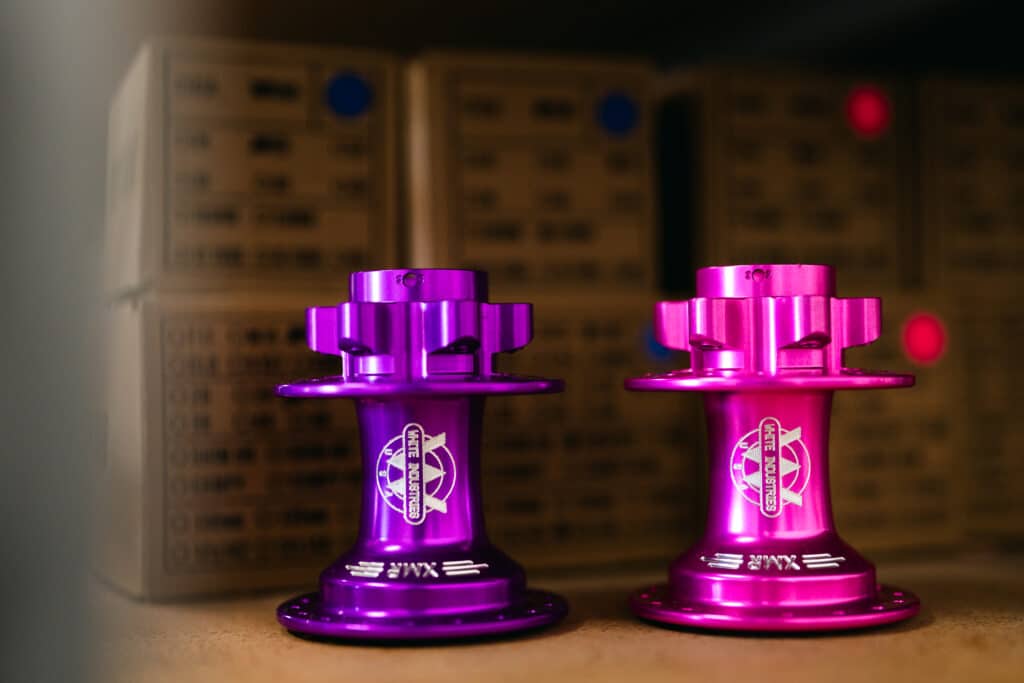
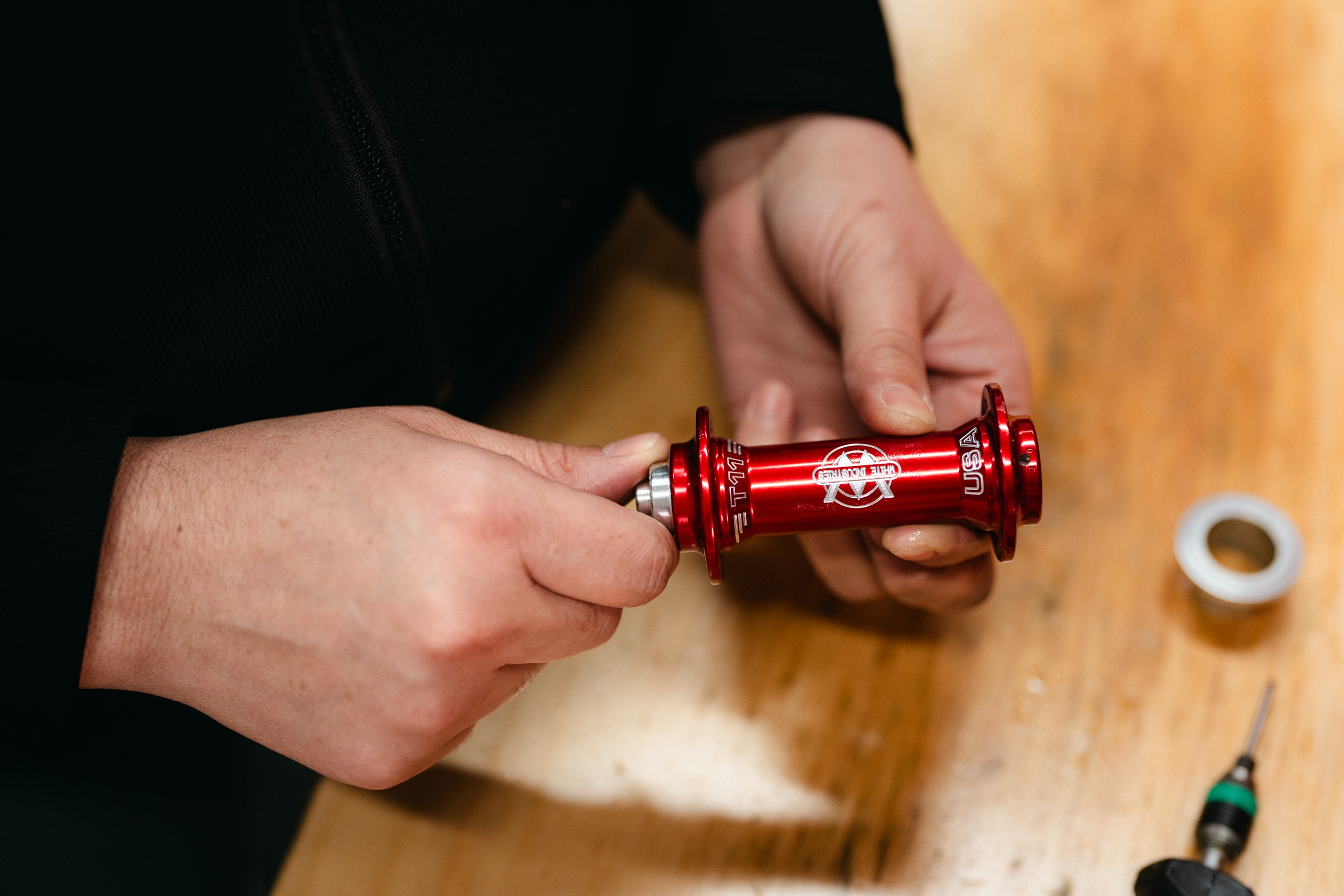
    At White Industries, rebuildability is part of the design process. Bearings are replaceable. Freehub components are accessible. Documentation is clear. The goal is simple: keep good parts in use for as long as possible.

    This approach benefits riders in practical ways. It lowers long-term ownership cost, ensures consistent performance, and allows components to adapt to changing conditions rather than being replaced prematurely. It also supports bike shops and mechanics who value repair over replacement.

    Serviceable design requires more upfront consideration, but it pays off over time. Components that can be maintained don’t just last longer—they perform more consistently across their lifespan.
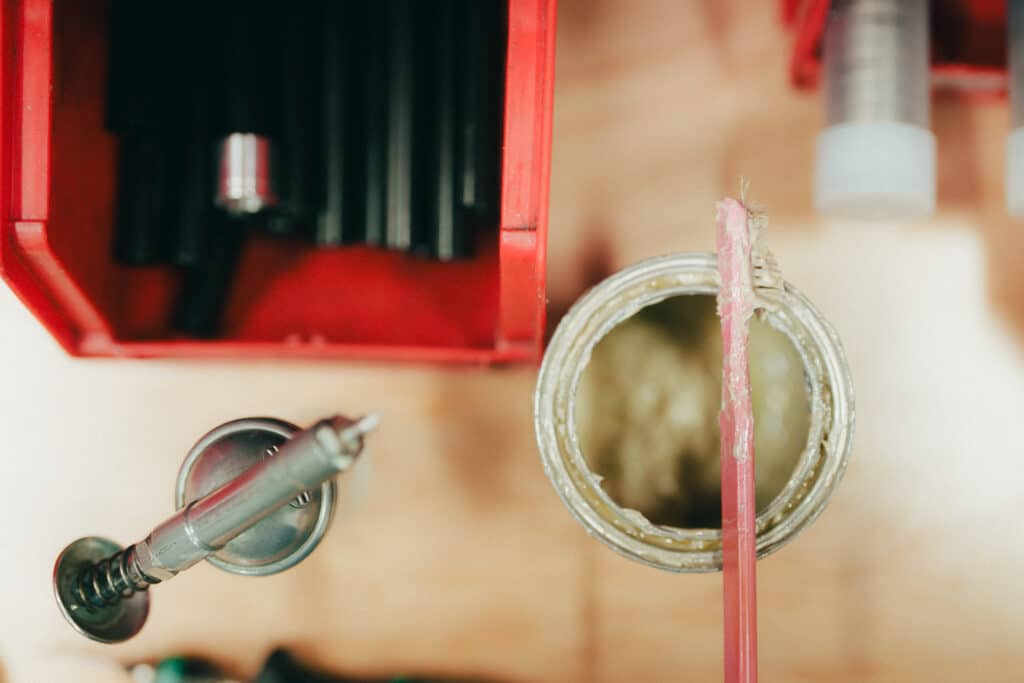
    When riders can service their equipment, they gain confidence in it. And confidence matters when a bike is part of daily life.
    Check out our tech docs.

  • Built to last

    Built to last

    Longevity isn’t accidental. It’s the result of deliberate decisions—materials chosen for durability, tolerances held tightly, and designs that anticipate years of use rather than a single season of riding. That is why we believe in the philosophy of Built to Last.

    At White Industries, we design components with the expectation that they’ll be ridden daily, serviced regularly, and relied upon long term. That mindset shapes everything from how parts are machined to how easily they can be rebuilt. A component that lasts longer reduces waste, lowers lifetime cost, and earns trust through consistent performance.

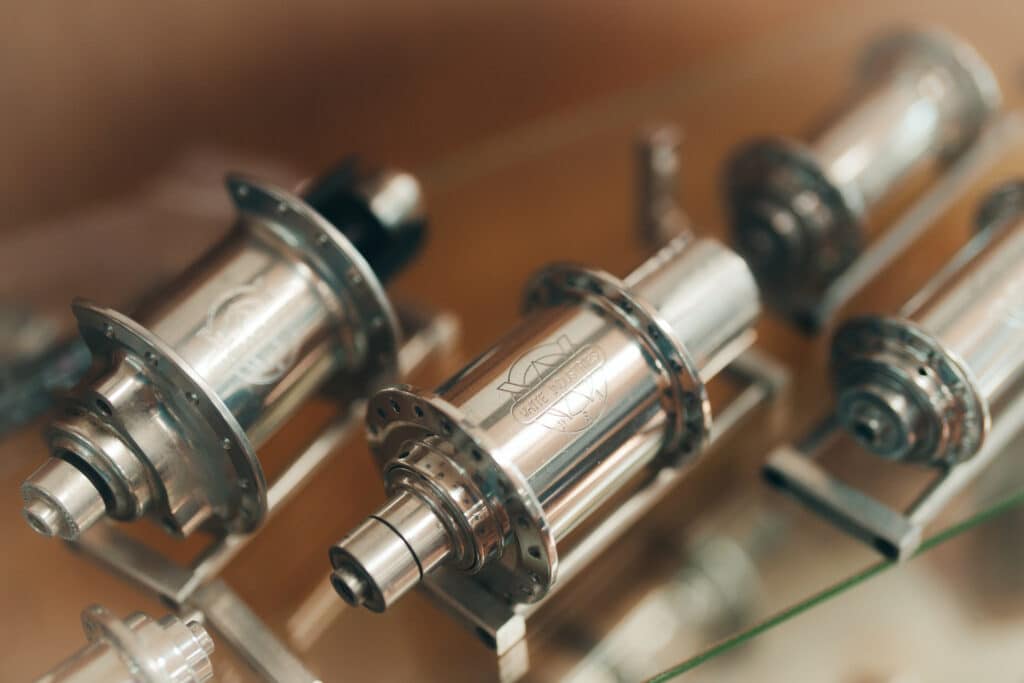
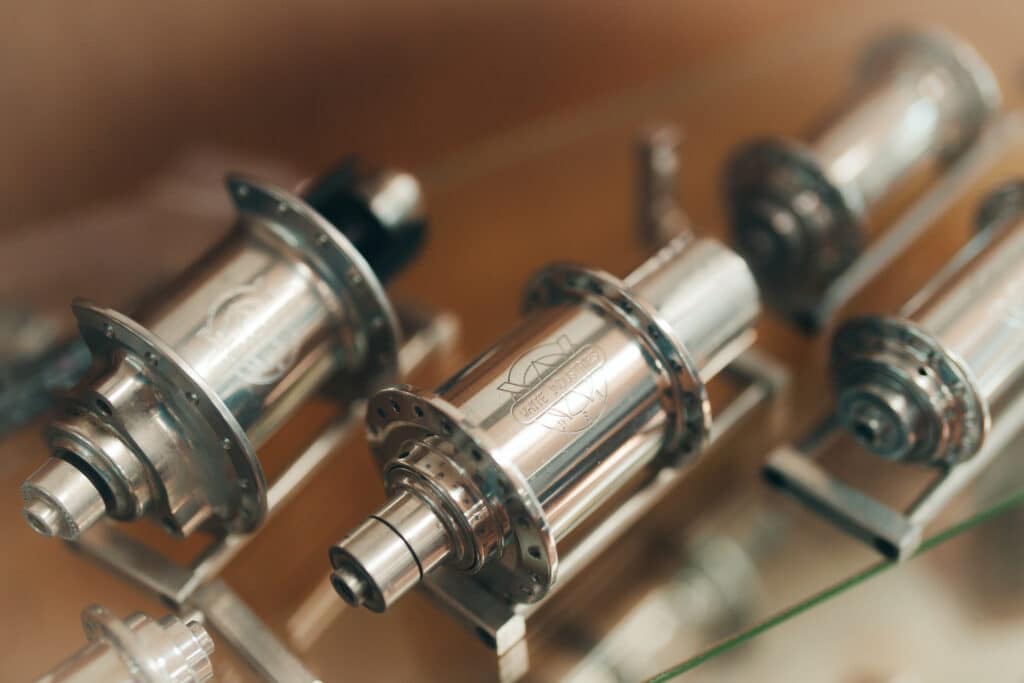
    Two hubs in display case that are over 30 years old. Built to Last.

    Trends come and go quickly in cycling. New standards appear, aesthetics shift, and marketing language evolves. Longevity cuts through all of that. A hub or crank should do its job quietly and reliably, year after year, without demanding attention or replacement.

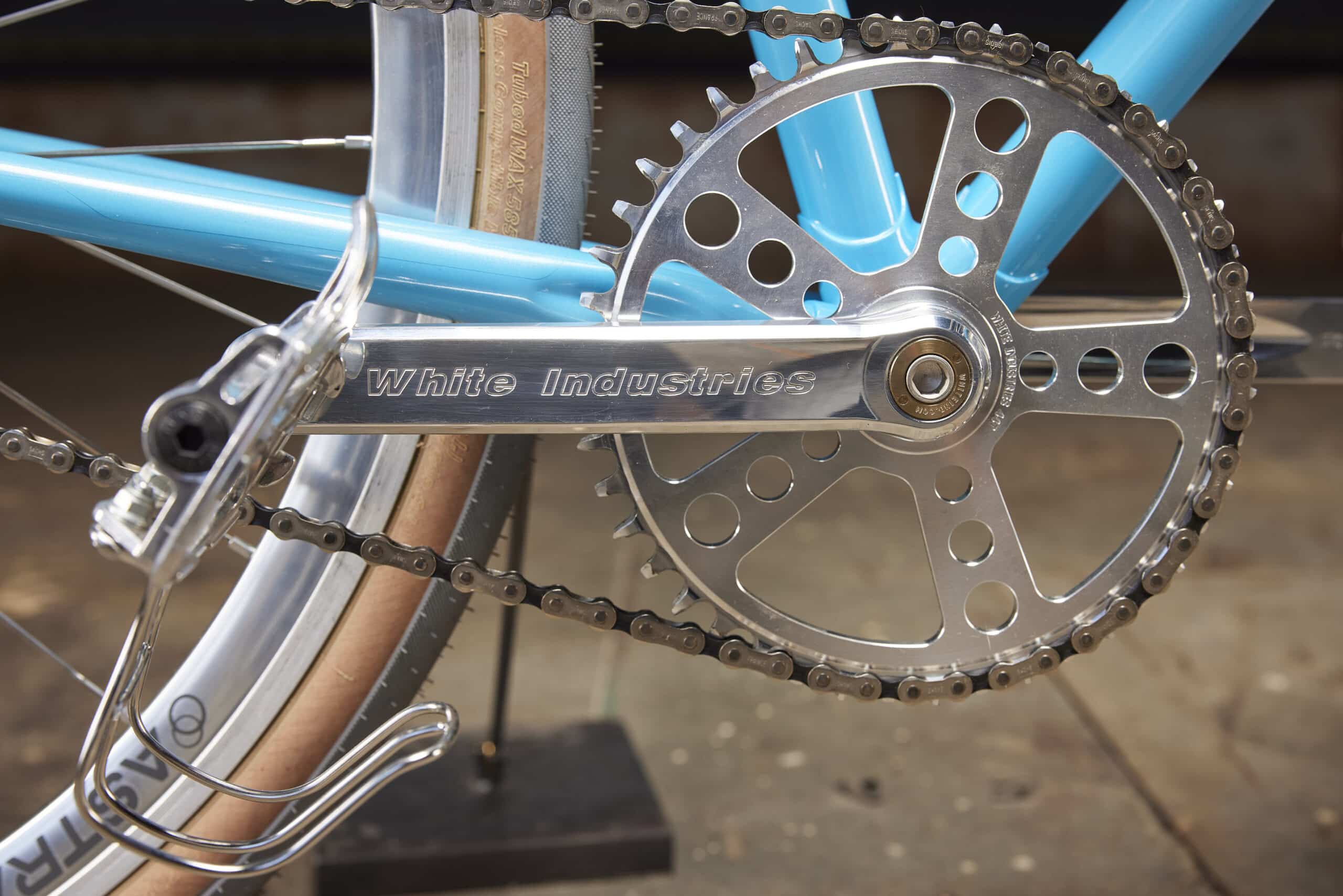
    Durable components aren’t just about strength—they’re about predictability. Consistent bearing alignment, stable engagement, and materials that wear evenly all contribute to parts that age well instead of failing unexpectedly. These details often go unnoticed when everything is working correctly, which is exactly the point. Built to Last.

    Meet the Family that makes it all happen.