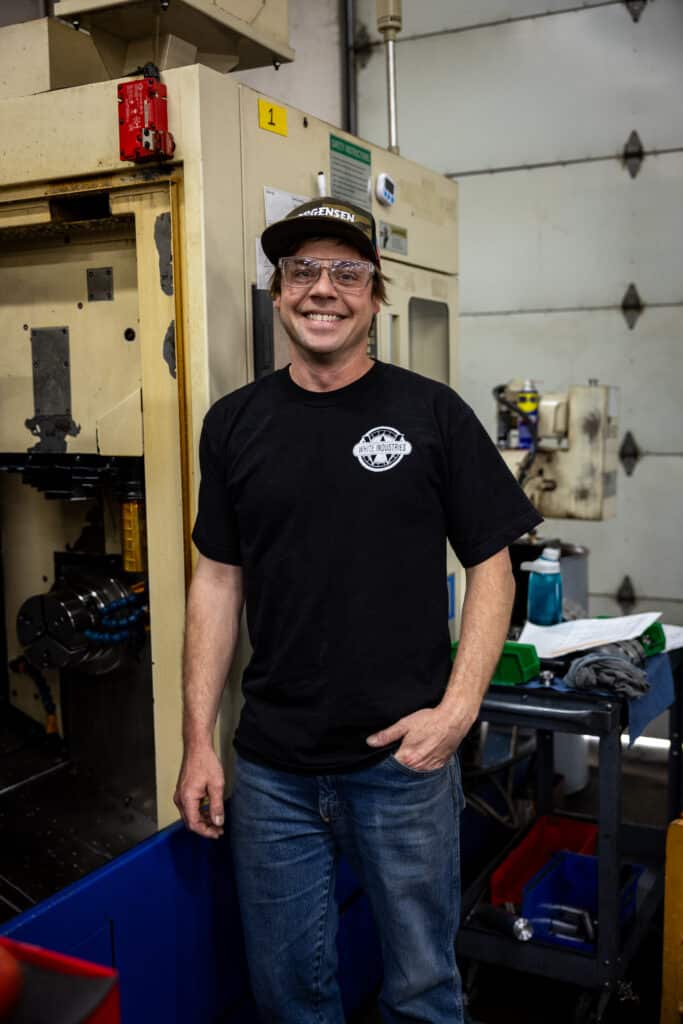
At White Industries, there’s no single path to becoming a machinist, designer, problem solver, or craftsman.
Sometimes it’s years of formal training. Sometimes it’s learning by doing. And sometimes it’s a little bit of everything.
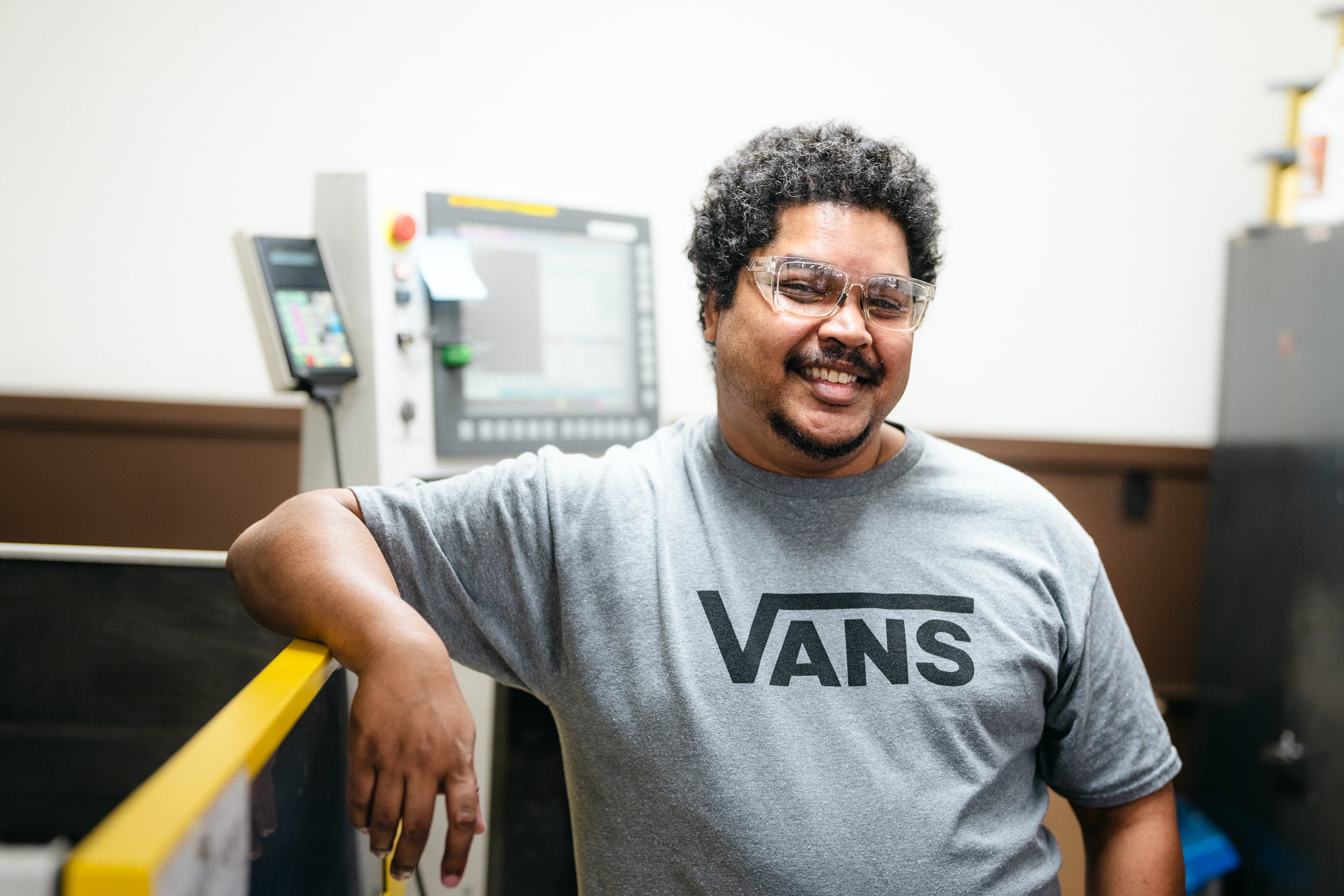
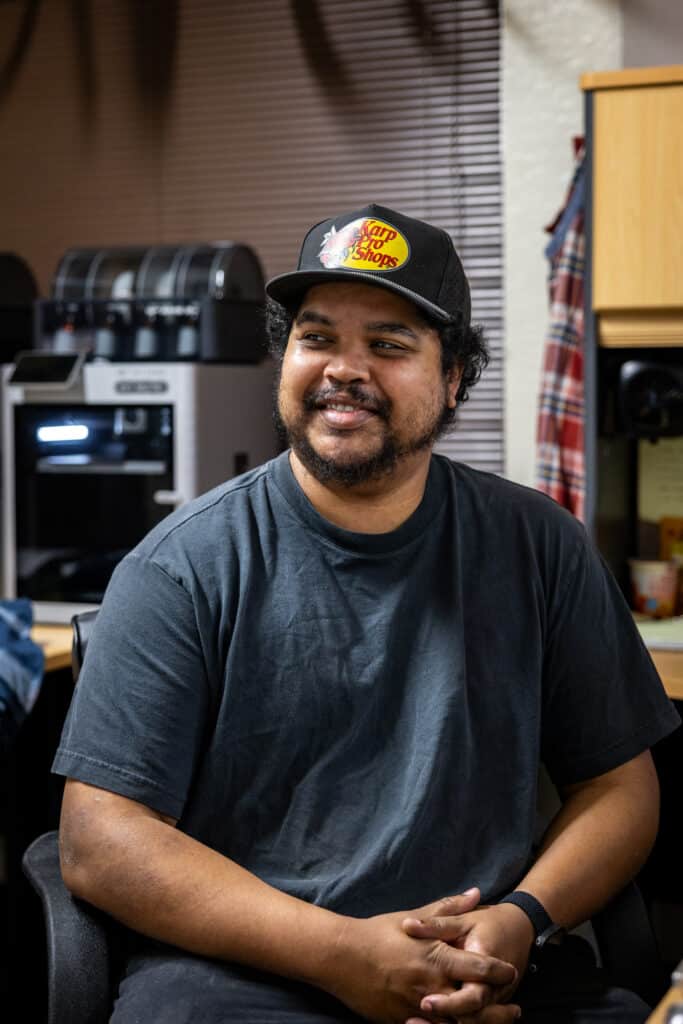
For RJ, it’s been five years of wearing a lot of hats, learning new skills, taking on new challenges, and figuring out just how much can be created when someone is given the opportunity to learn.
“Five years feels like 10 years with all the knowledge absorbed.”
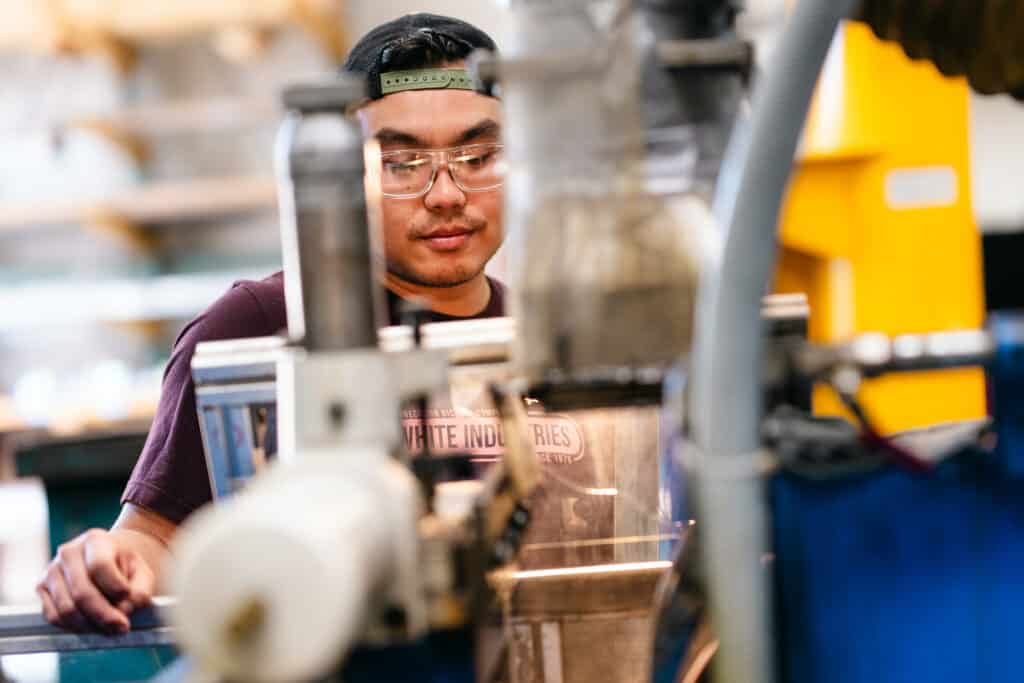
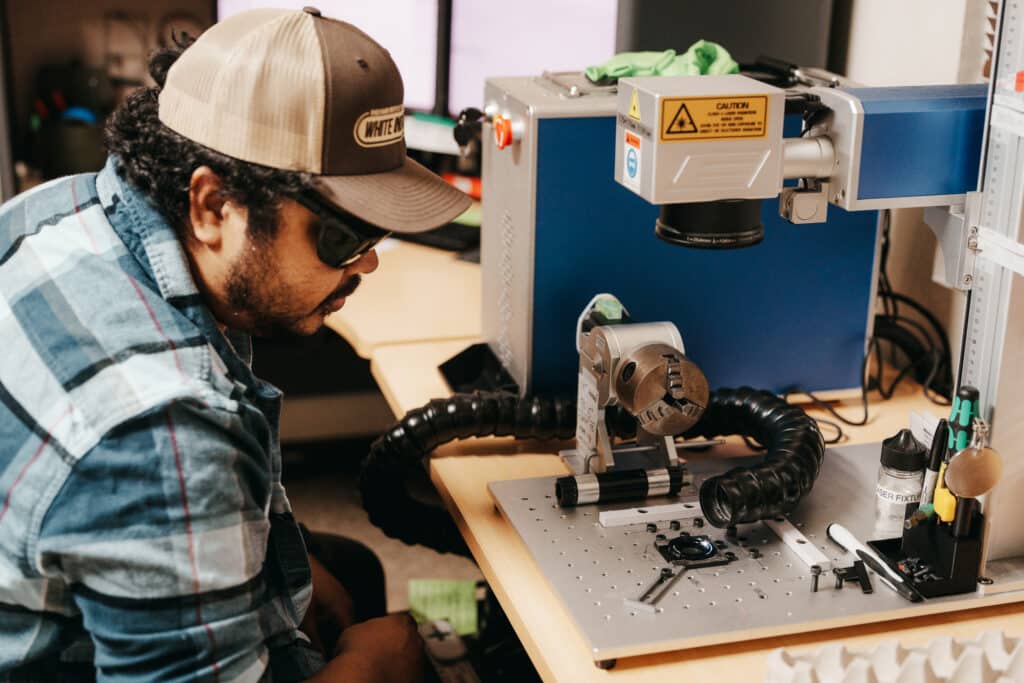
It’s a joking answer, but it says a lot about the pace and variety of RJ’s role at White Industries. On any given day, he might be working on CAD designs, building prototypes, fabricating parts, solving production issues, performing quality control, or assembling components.
He’s become something of a one-man band—and that’s exactly the way he likes it.
From a Blank Screen to a Finished Part
One of the most rewarding parts of RJ’s job is the process of turning an idea into something tangible.
It can start with nothing more than a blank screen.
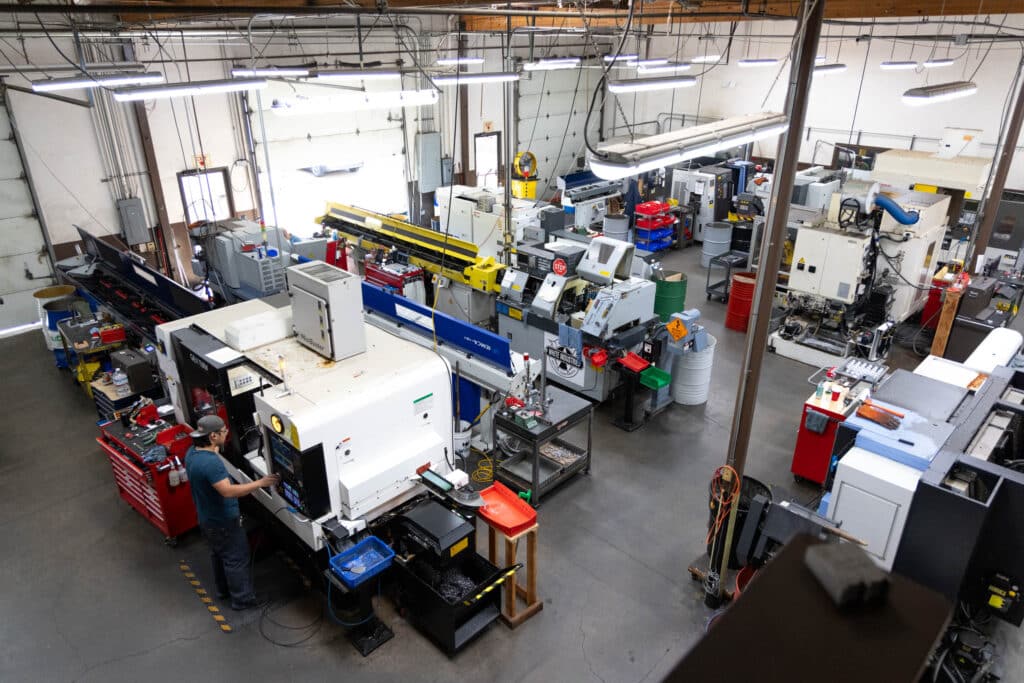
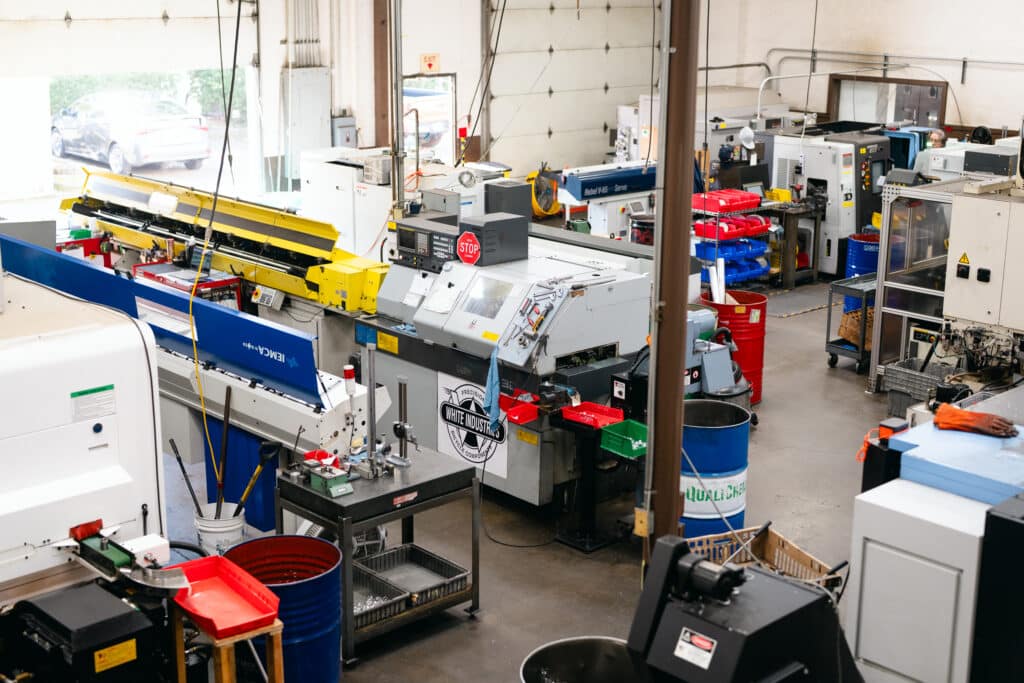
Using CAD and a 3D printer, RJ can take an idea and begin shaping it digitally. From there, the concept moves from the computer to the shop floor, where it becomes a physical part.
“It’s starting with a blank screen and then you take it to the shop and they make it.”
That transition—from an idea that exists only in your head to something you can actually hold—is one of the most satisfying aspects of manufacturing.
RJ taught himself CAD and has continued to develop those skills through hands-on experience and mentorship at White Industries. It’s a great example of what can happen when curiosity meets opportunity.
Learning by Doing
RJ’s role has evolved significantly since he first joined White Industries.
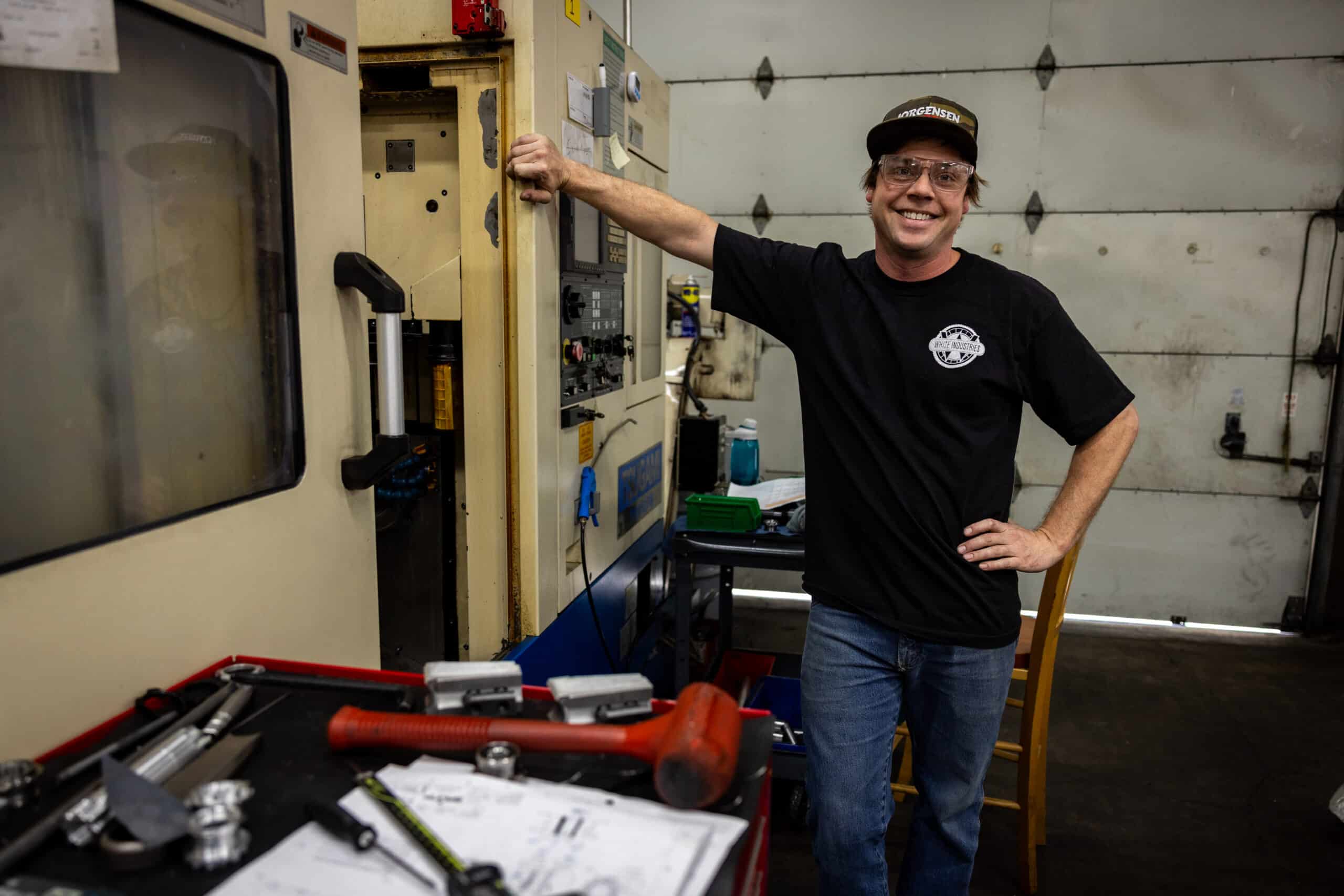
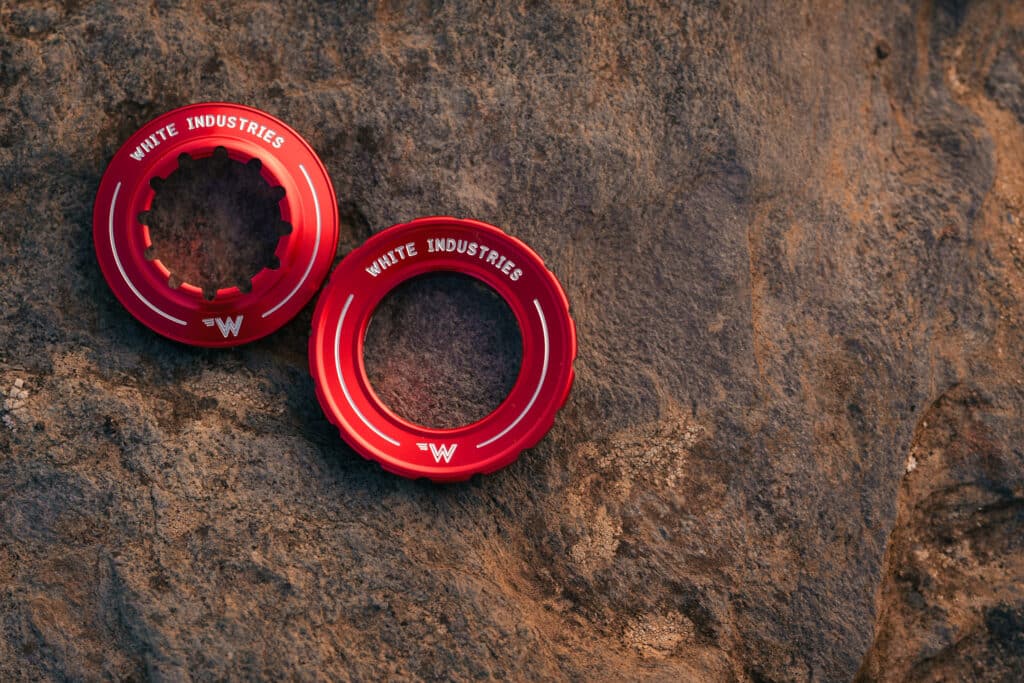
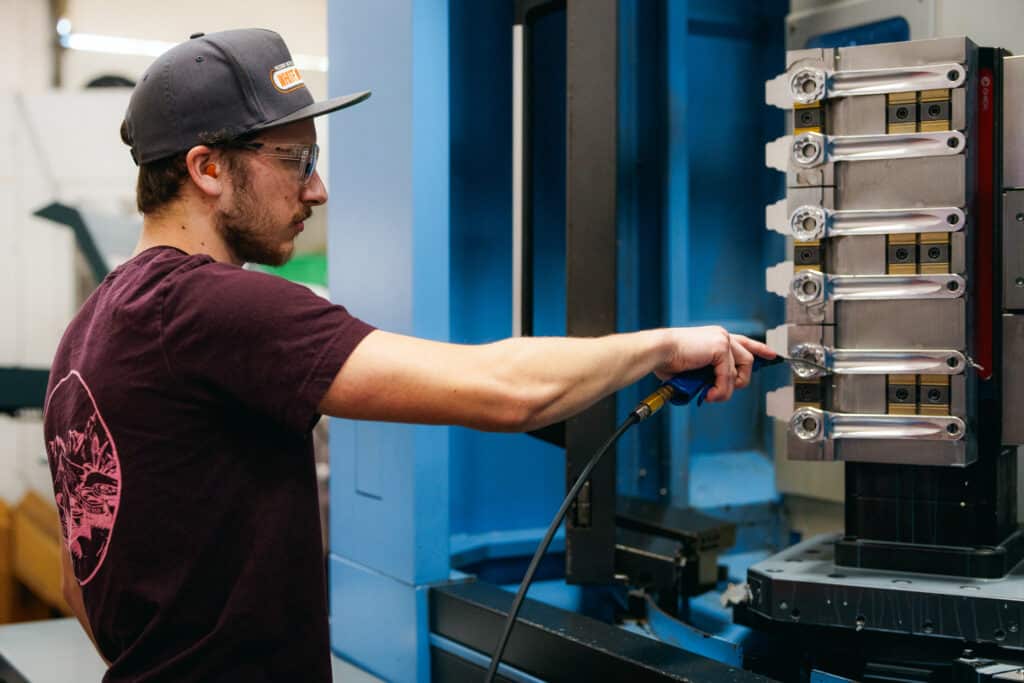
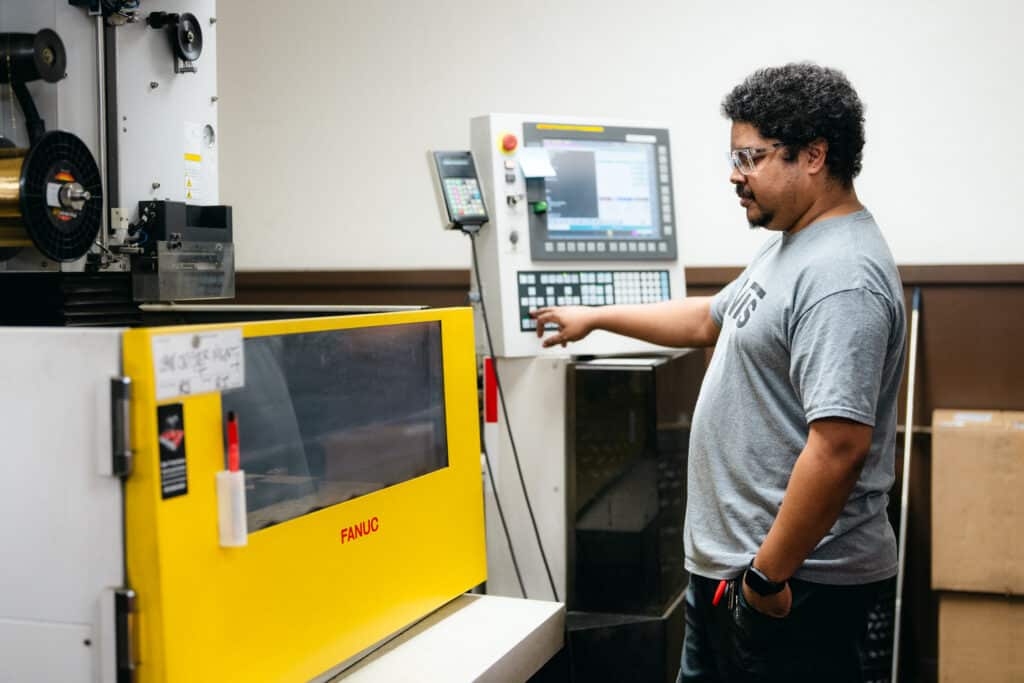
He’s worked on everything from running the grinder for spindles and axles to deburring headset parts and working on pawls for drivers. Today, he spends a significant amount of time on the Wire EDM machine, a piece of equipment that has become one of his favorite machines in the shop.
And for good reason.
The precision of the Wire EDM is remarkable. The machine can make incredibly accurate cuts, turning a digital design into an exact physical component.
RJ has become capable of running the machine independently, with some programming help from Doug White. It was also his first CNC machine, making the accomplishment that much more meaningful.
For someone who enjoys figuring out how things work, it’s the perfect tool.
“The Wire Machine—because I run it. It’s so crazy how accurate it is.”
The Magic of Subtractive Manufacturing
One of the things RJ wishes more riders understood is just how much happens between a piece of raw material and the component that eventually ends up on their bike.
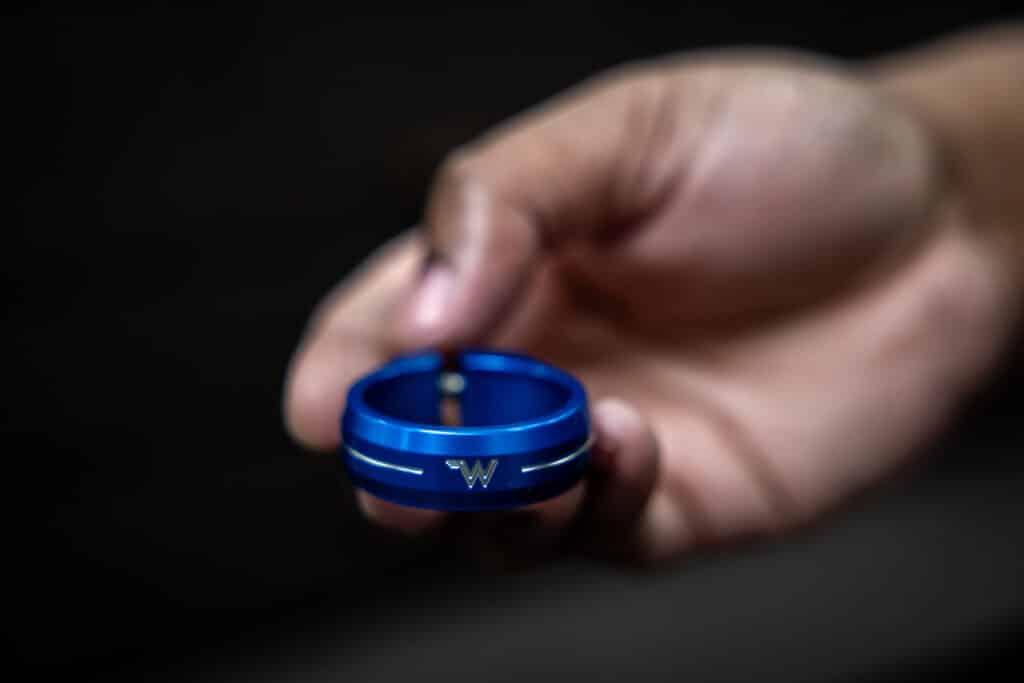
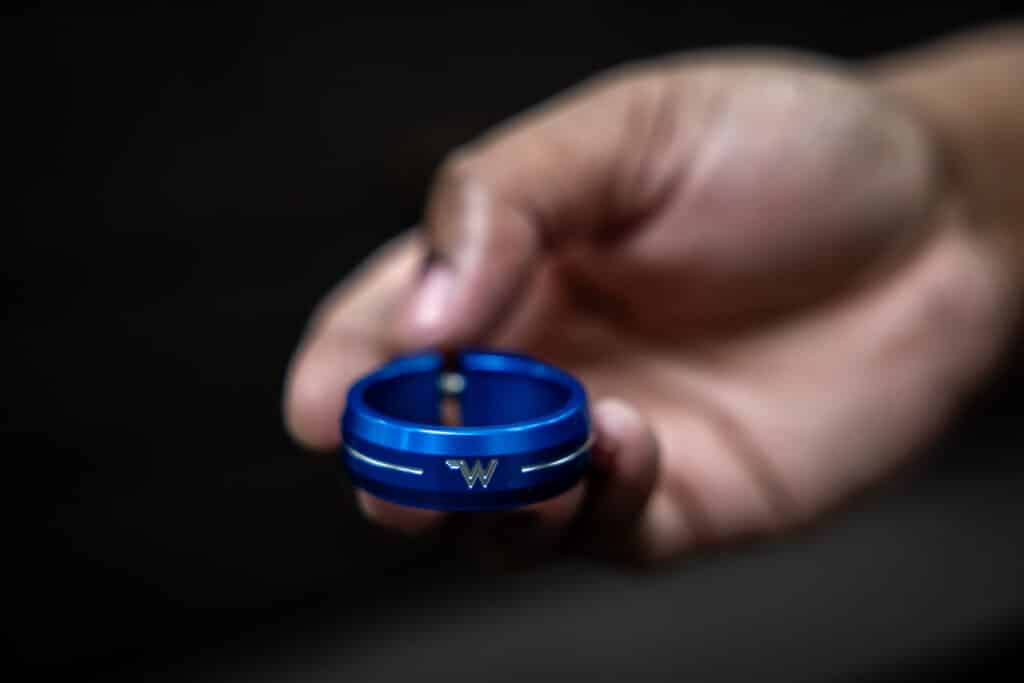
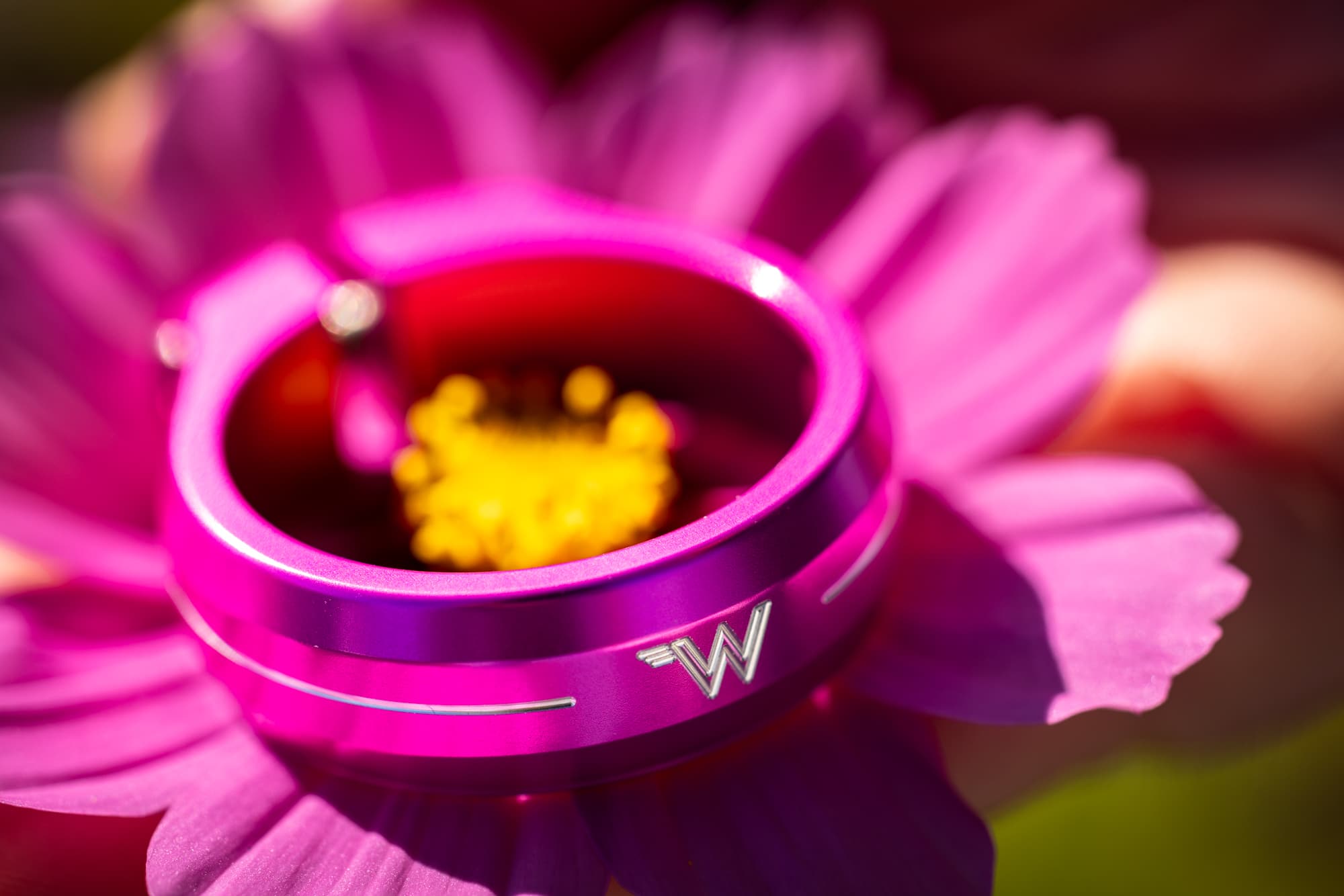
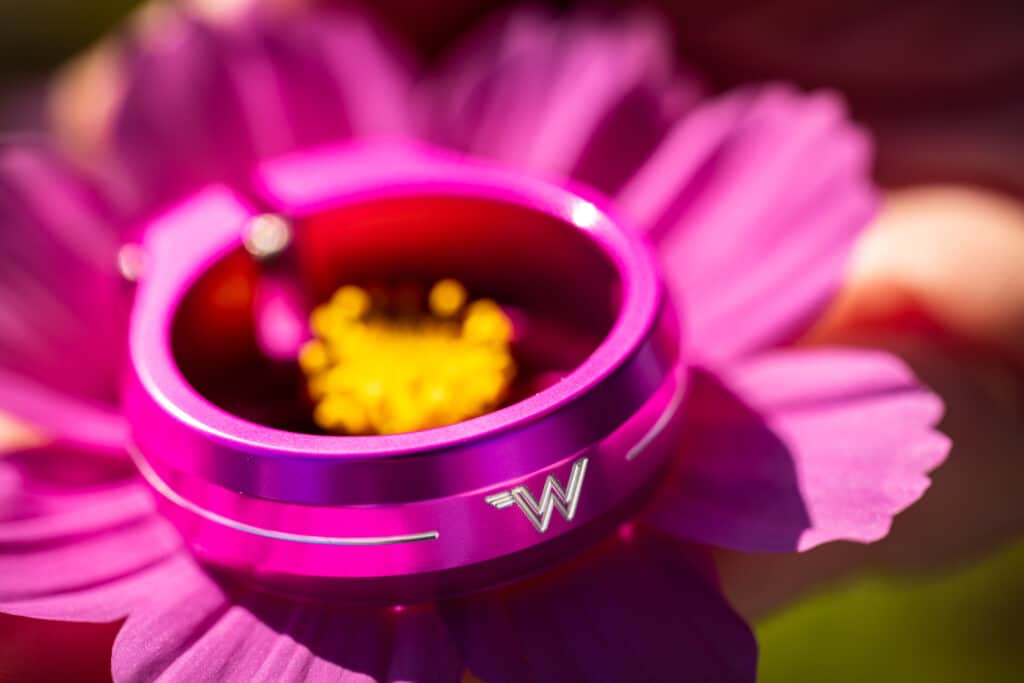
Take a seat collar.
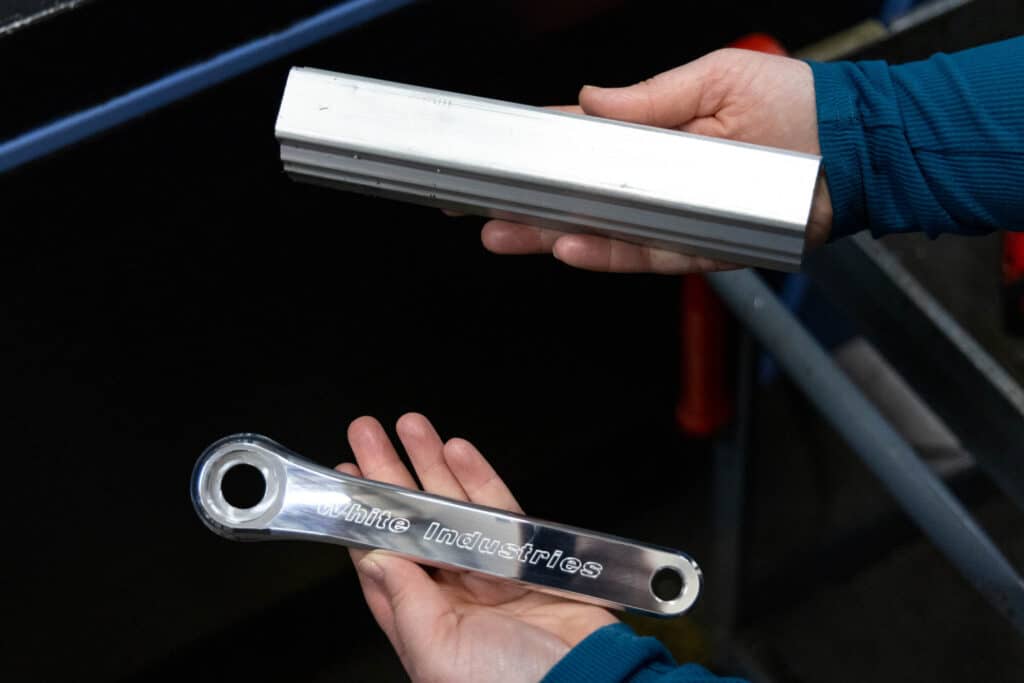
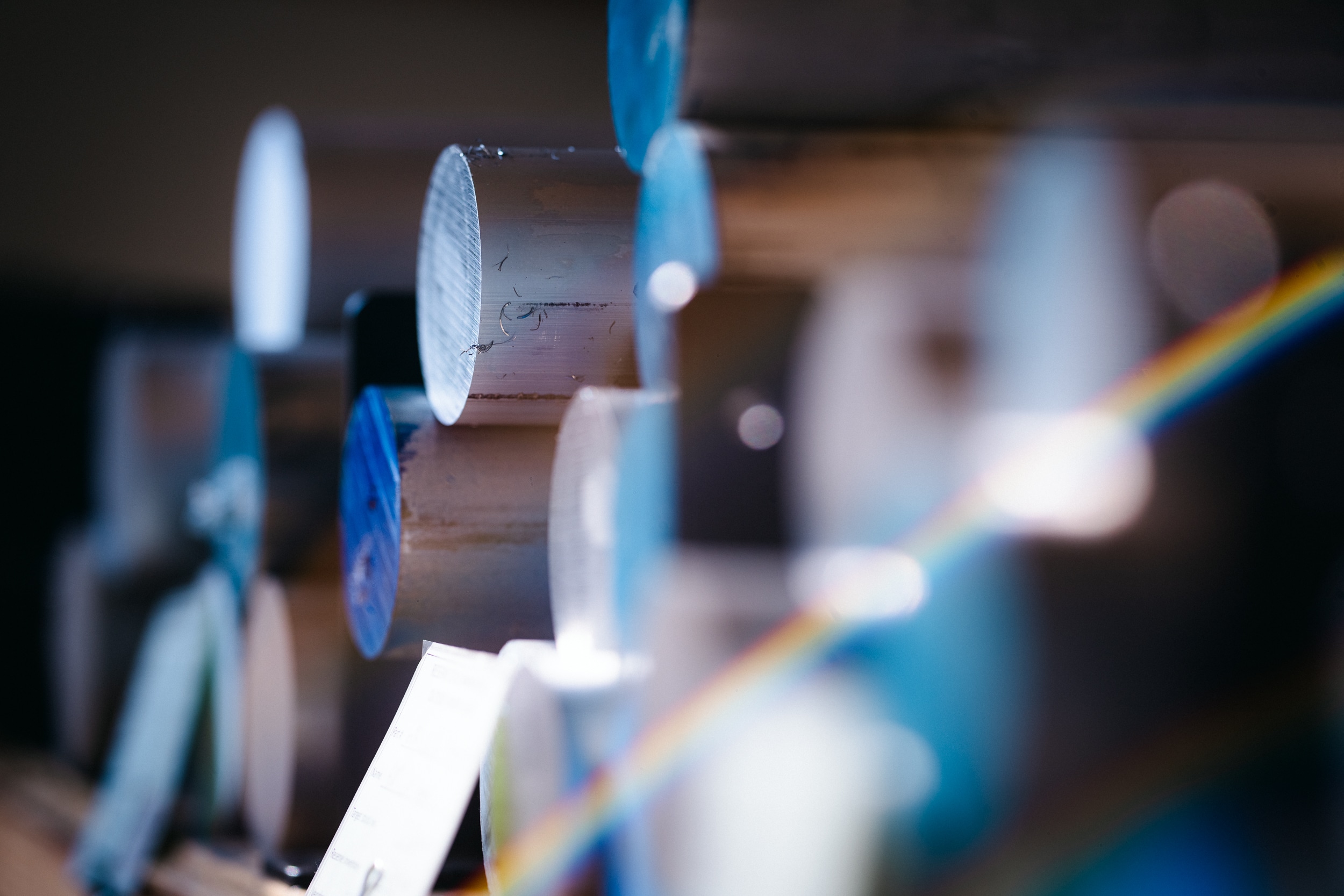
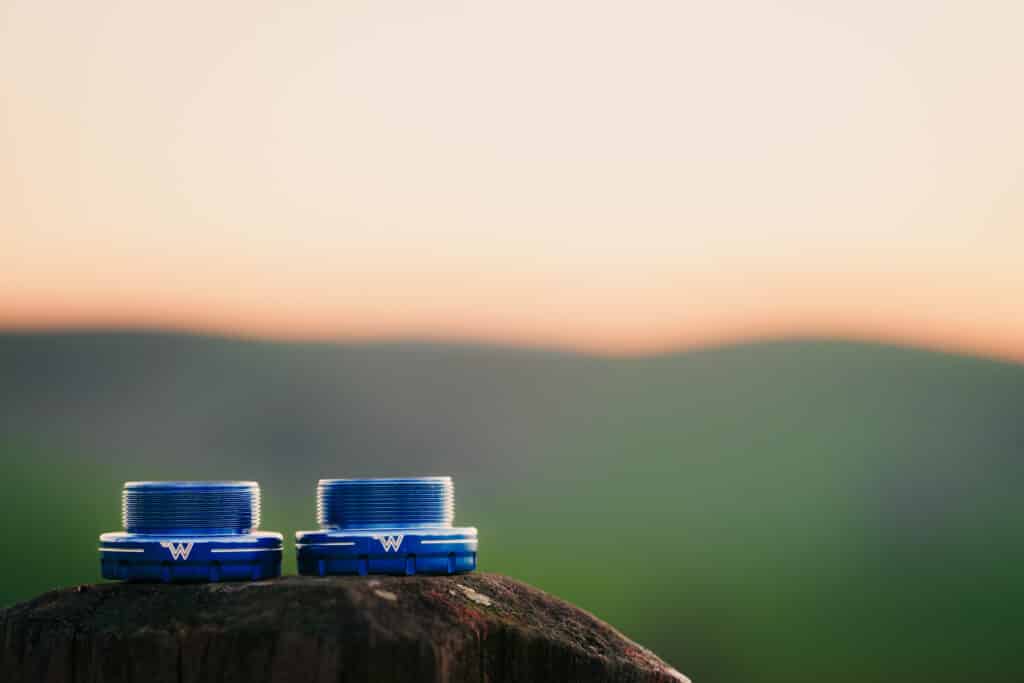
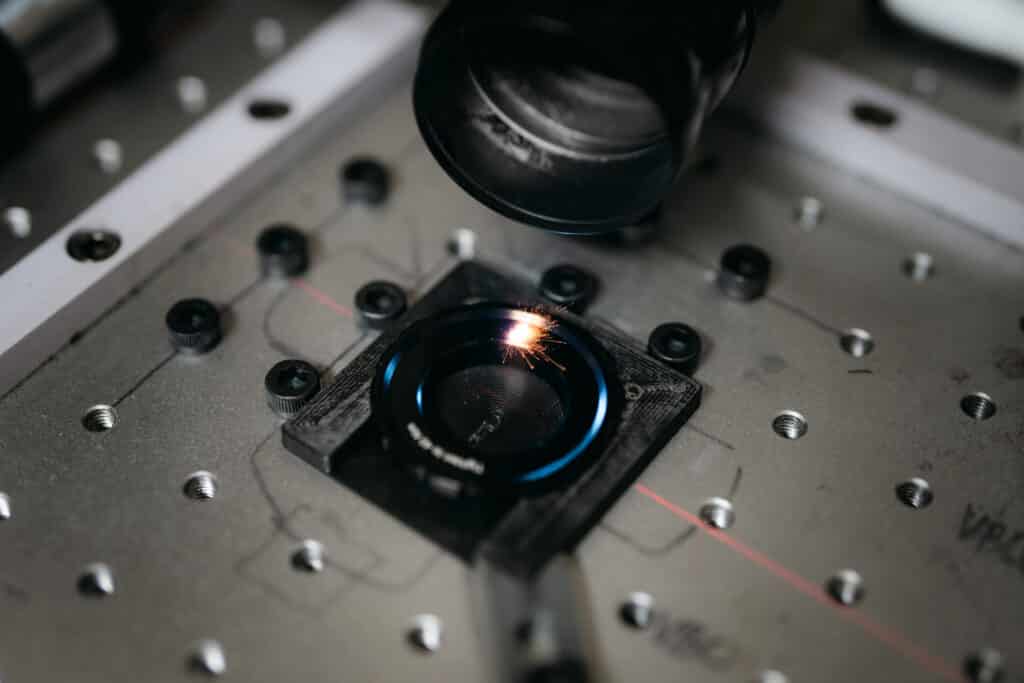
It might look simple, but the process starts with a piece of rectangular aluminum stock. Material is progressively removed through a series of machining operations until that block becomes the finished component.
It’s a process known as subtractive manufacturing.
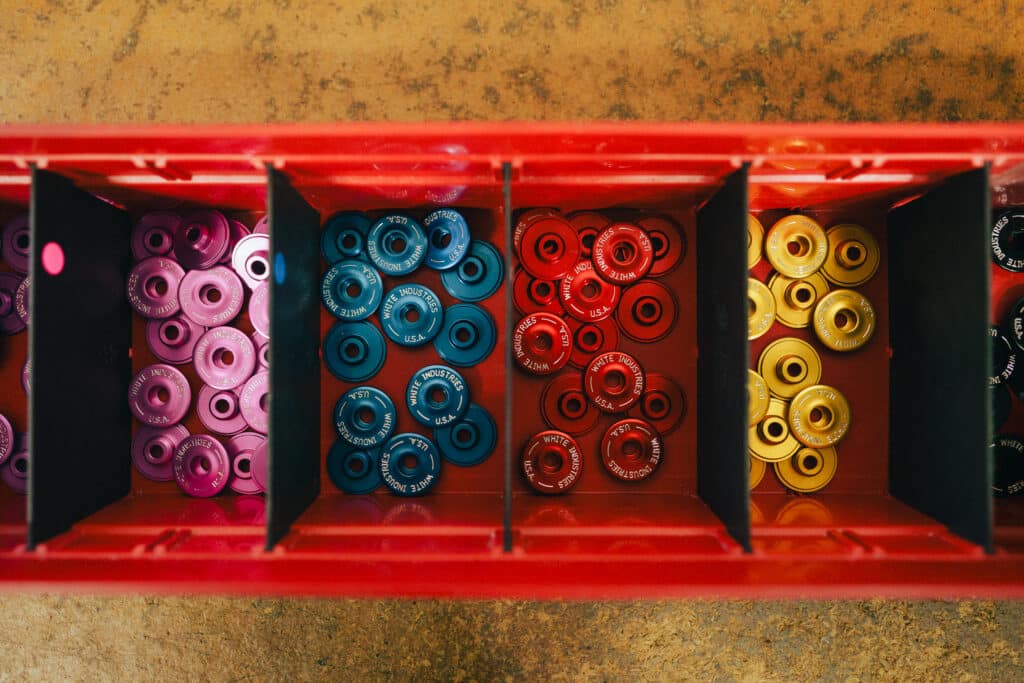
What starts as a simple piece of raw material is transformed through precision machining, finishing, deburring, inspection, and assembly.
For RJ, that’s part of what makes manufacturing so interesting. You’re not simply putting pieces together—you’re starting with something basic and revealing the final product through a carefully controlled process.
A Favorite Part of the Job
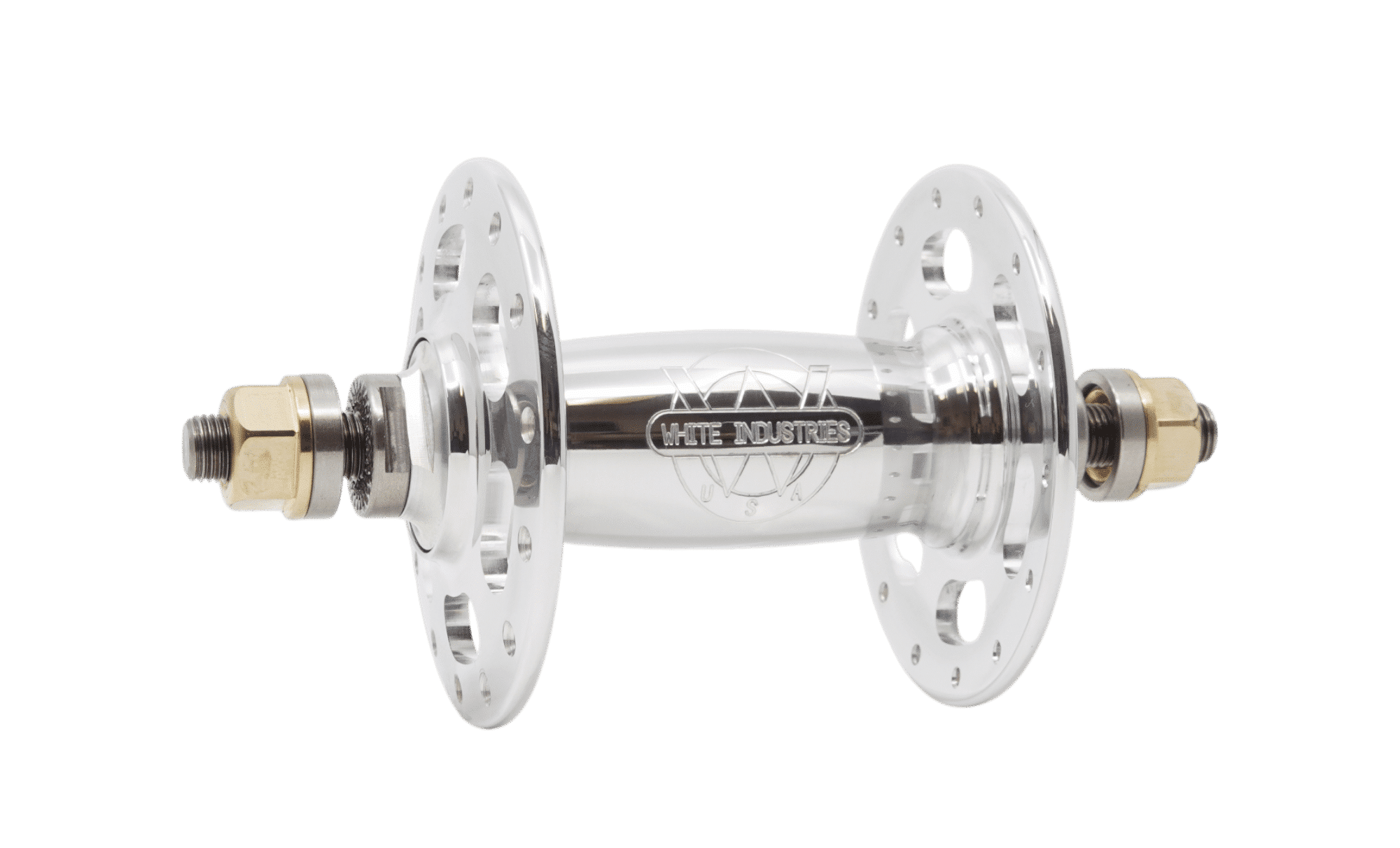
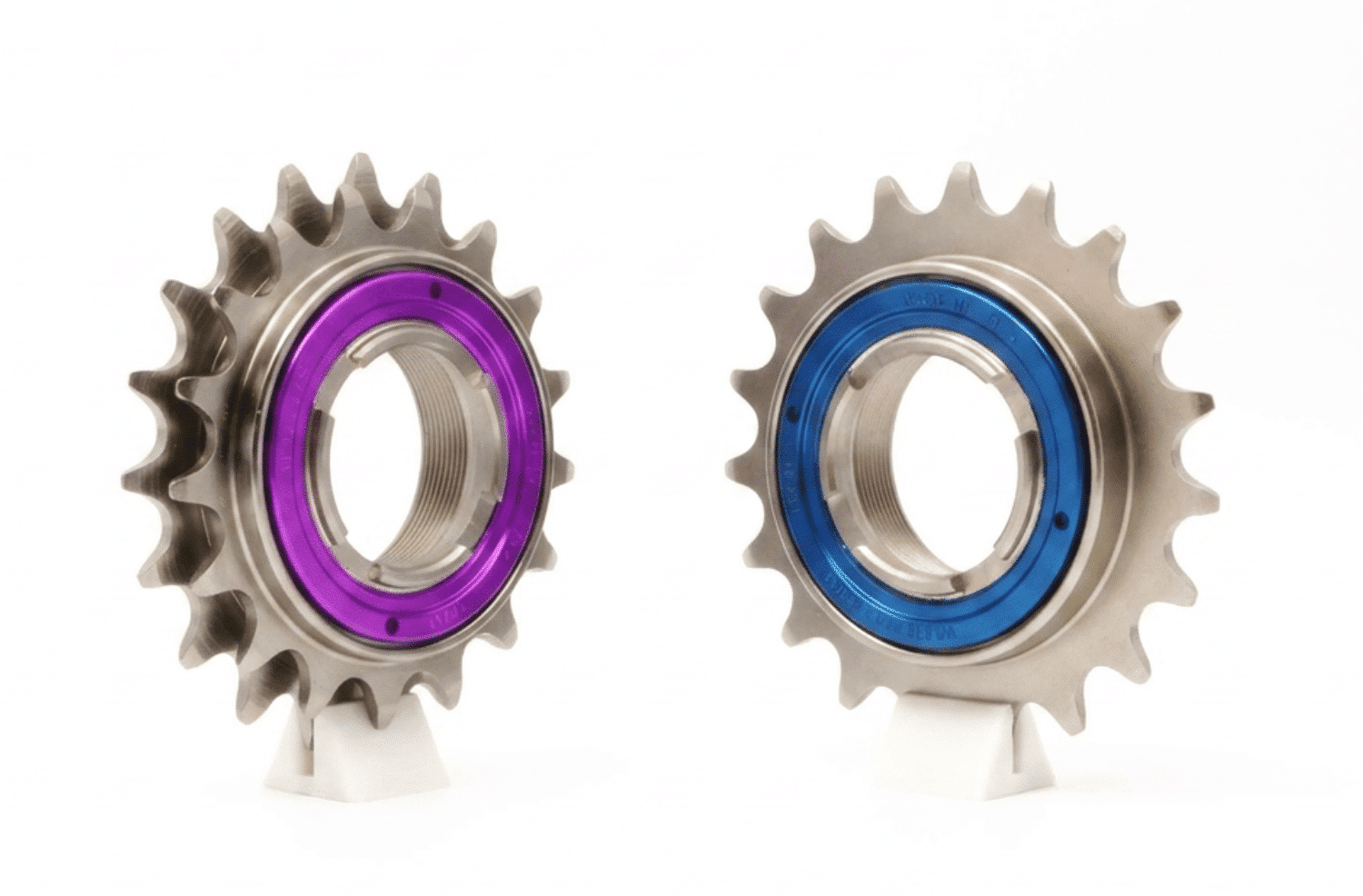
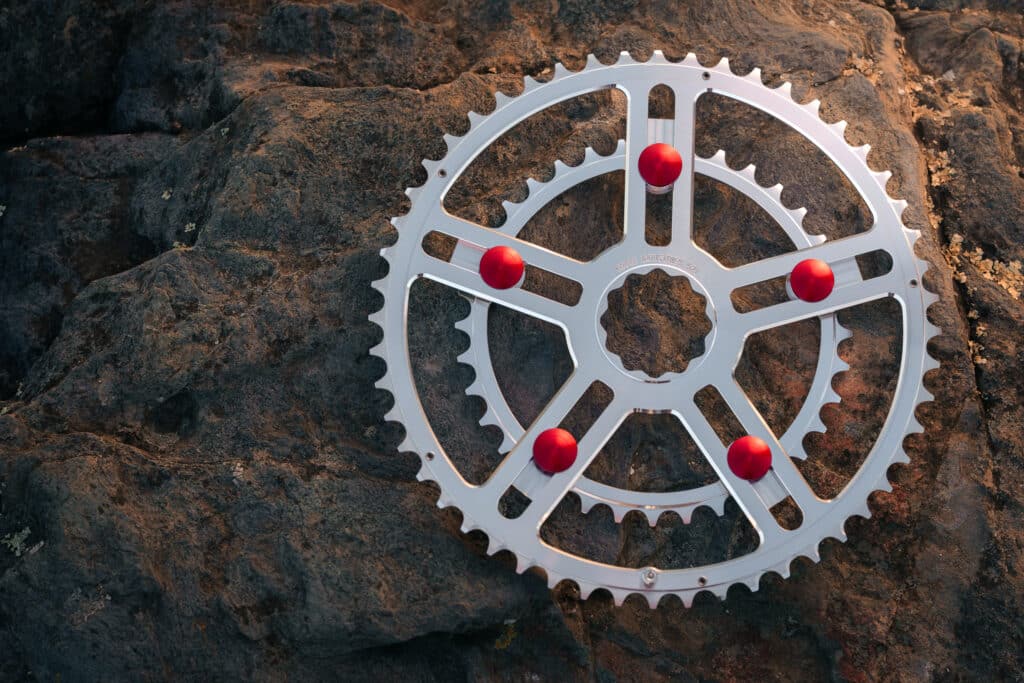
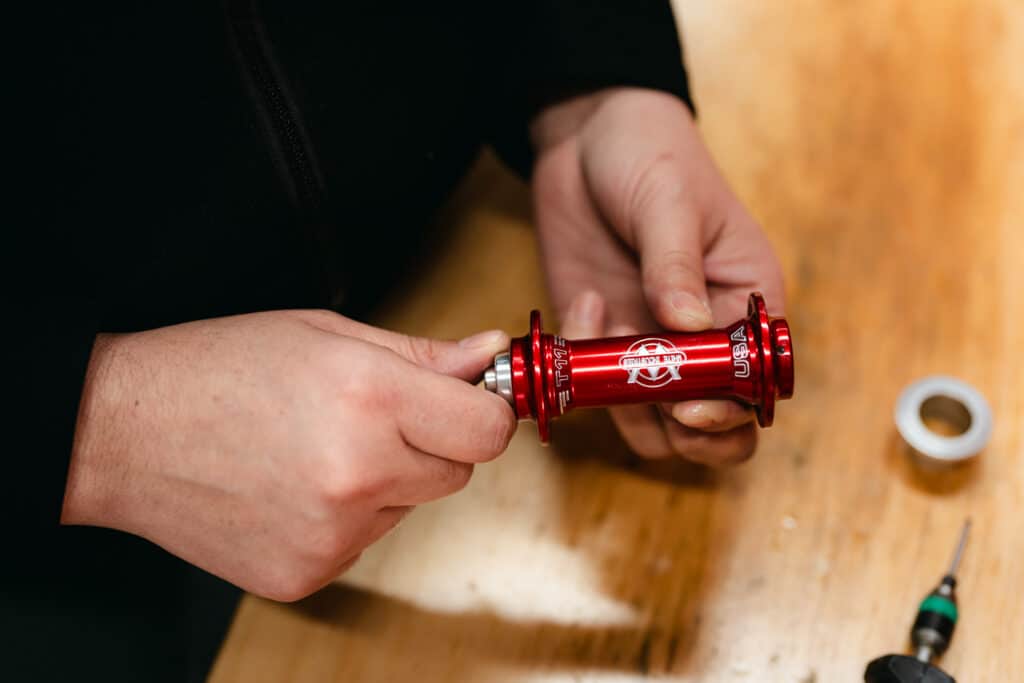
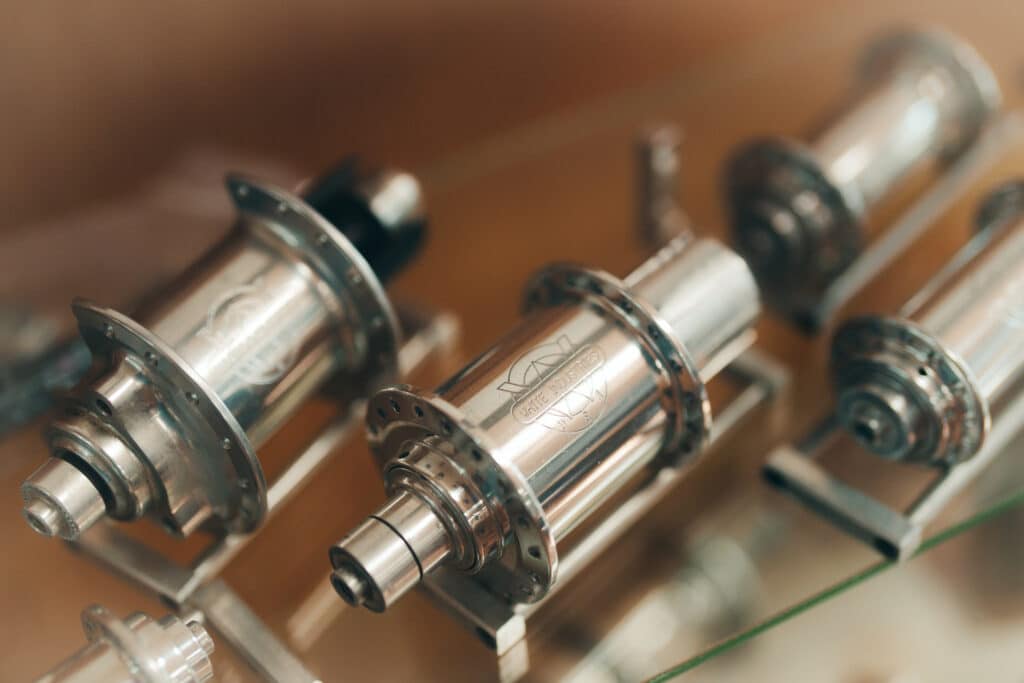
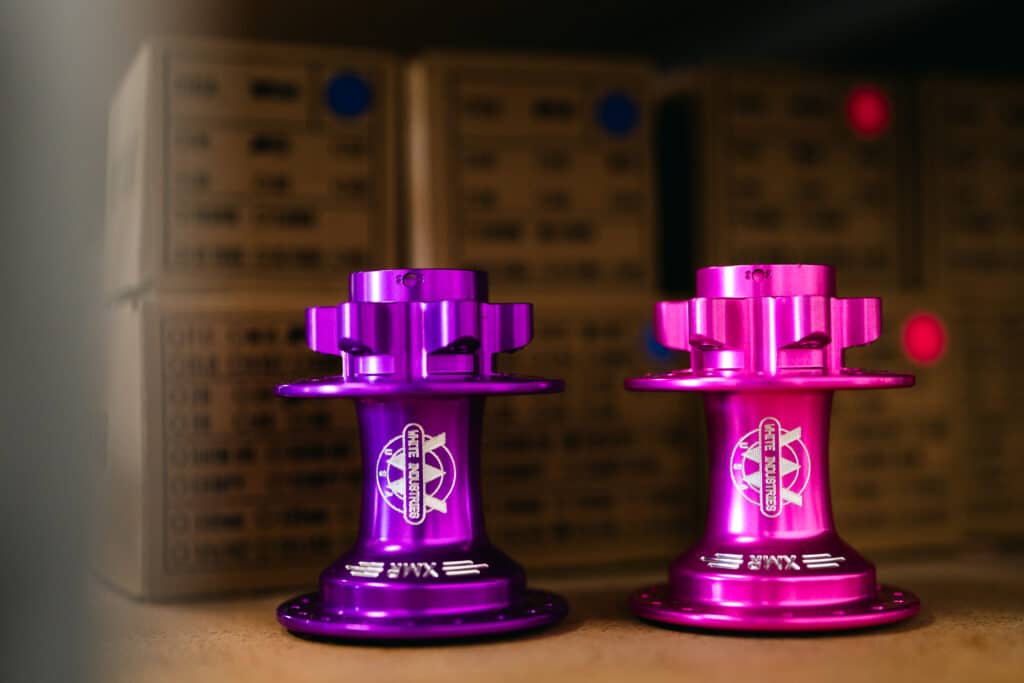
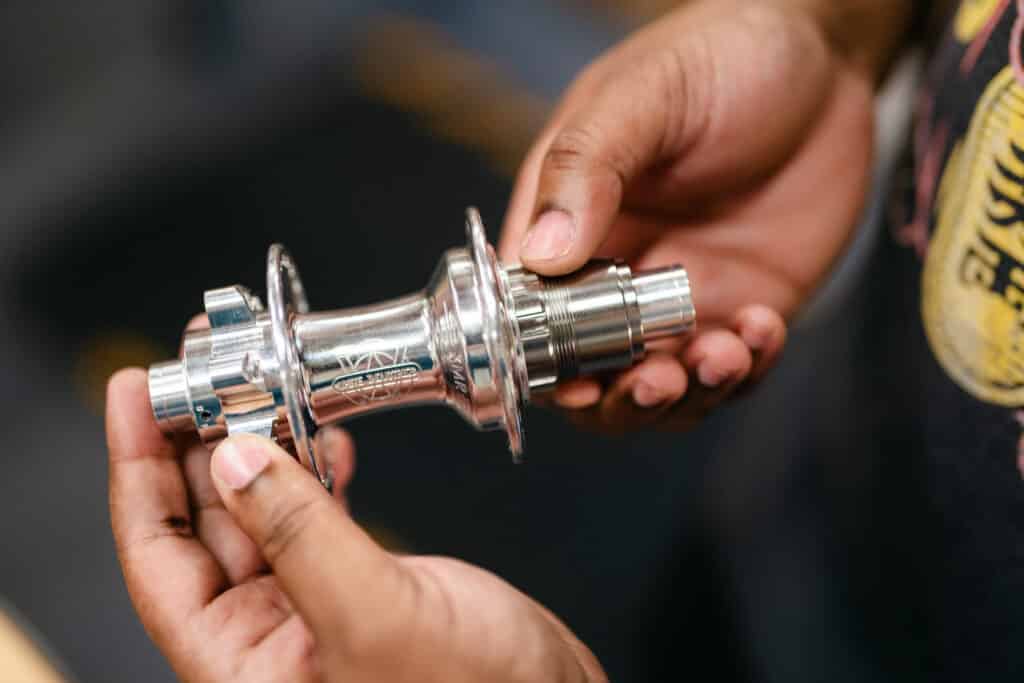
Ask RJ which White Industries products he thinks are particularly cool, and two immediately come to mind: chainrings and hubs.
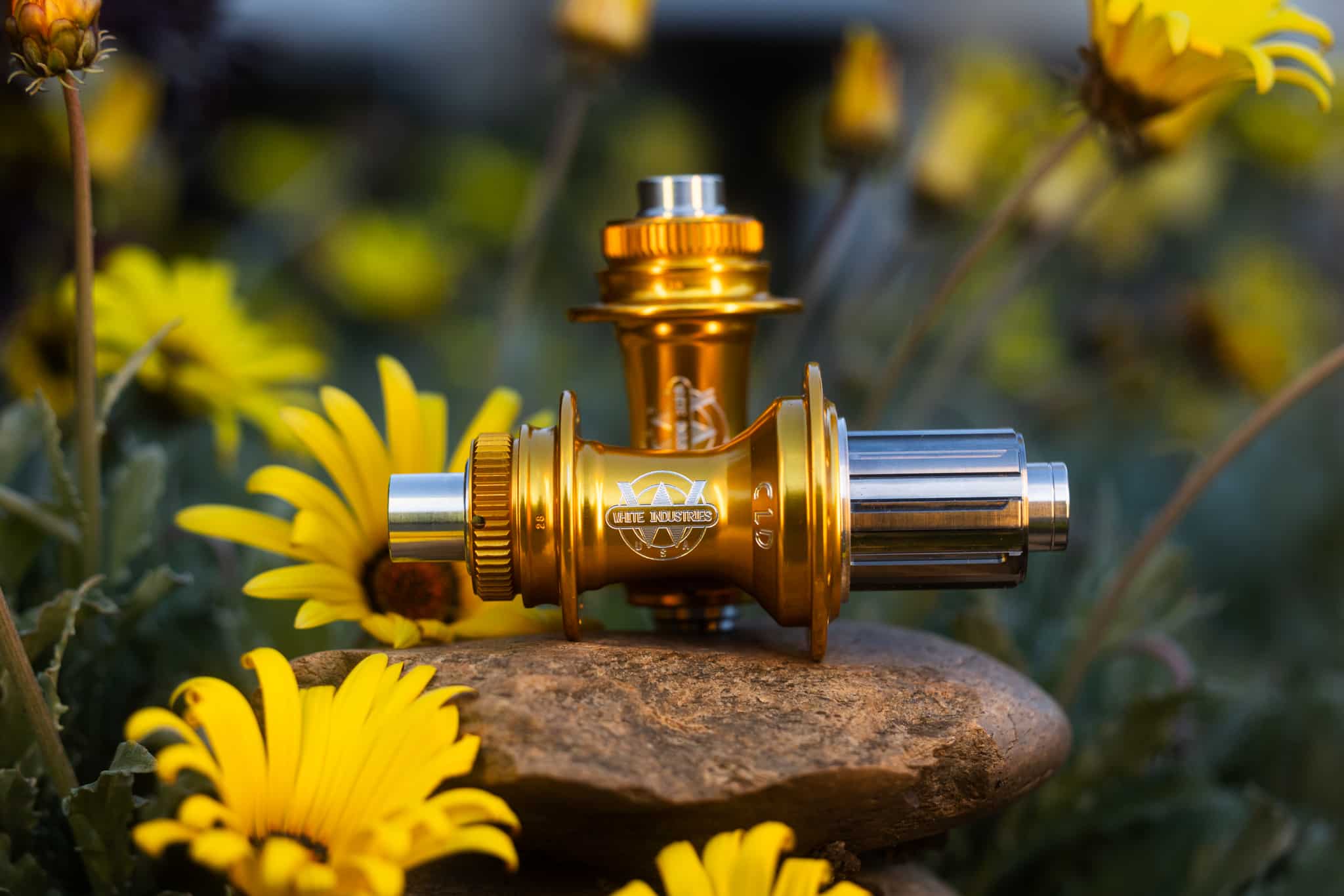
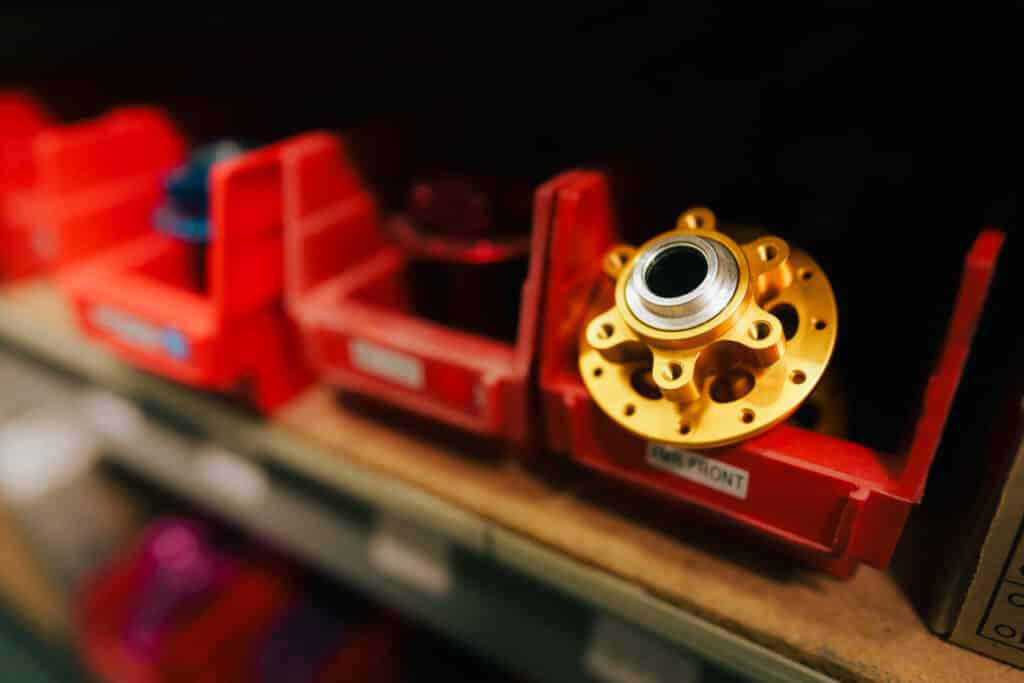
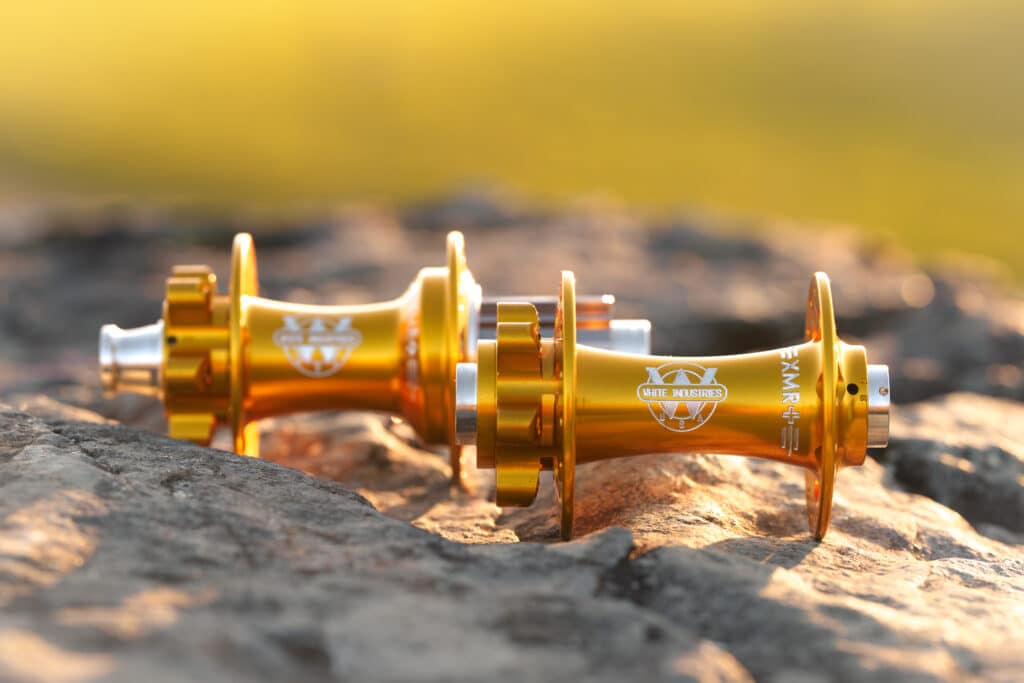
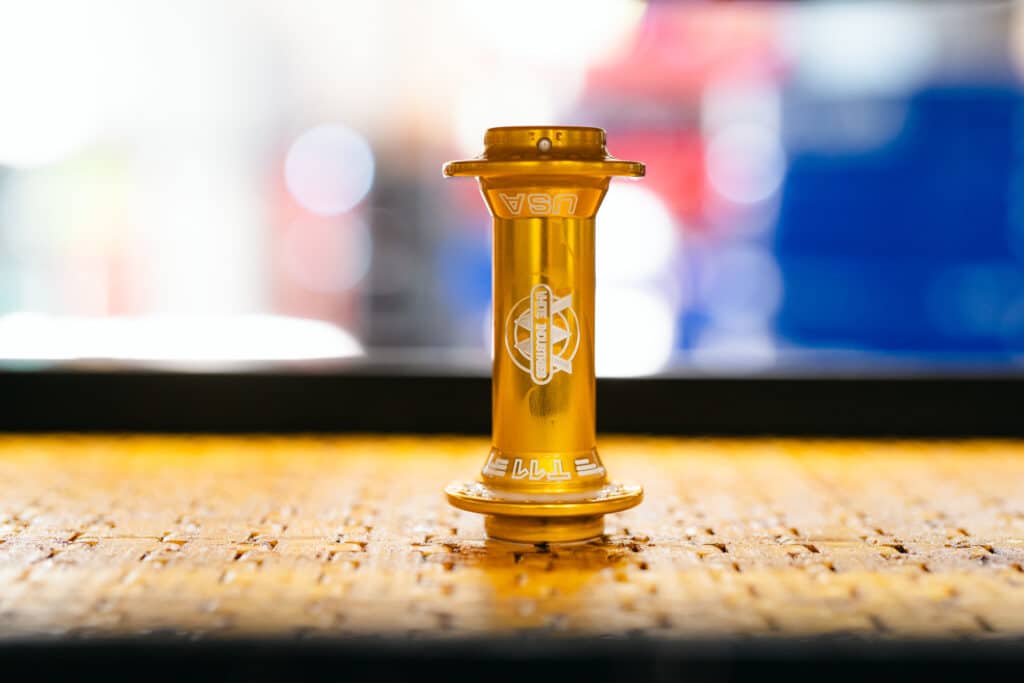
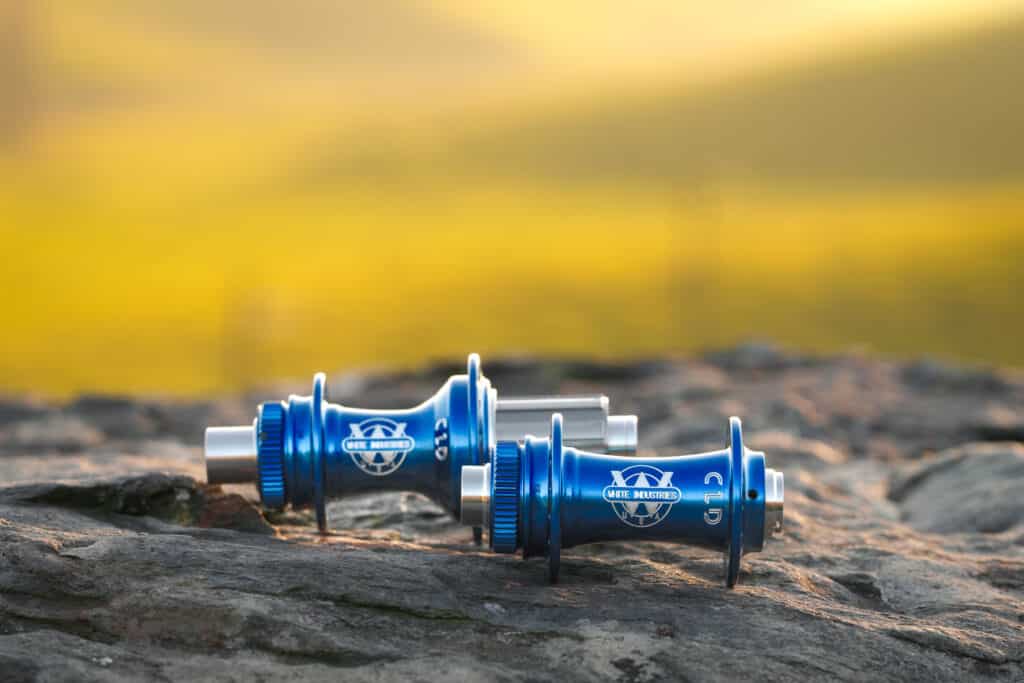
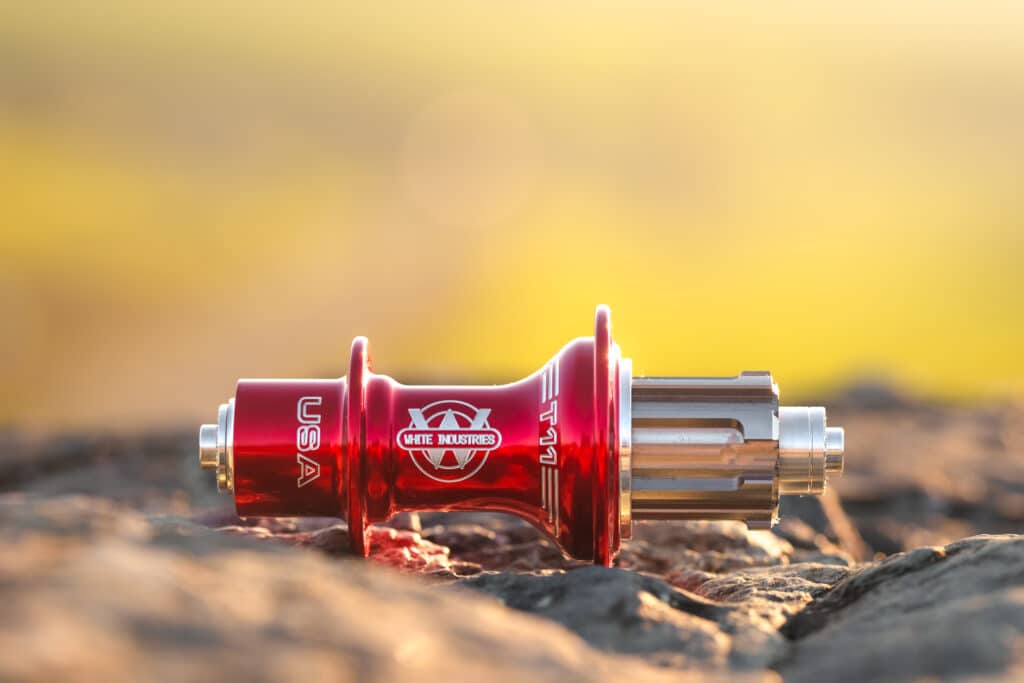
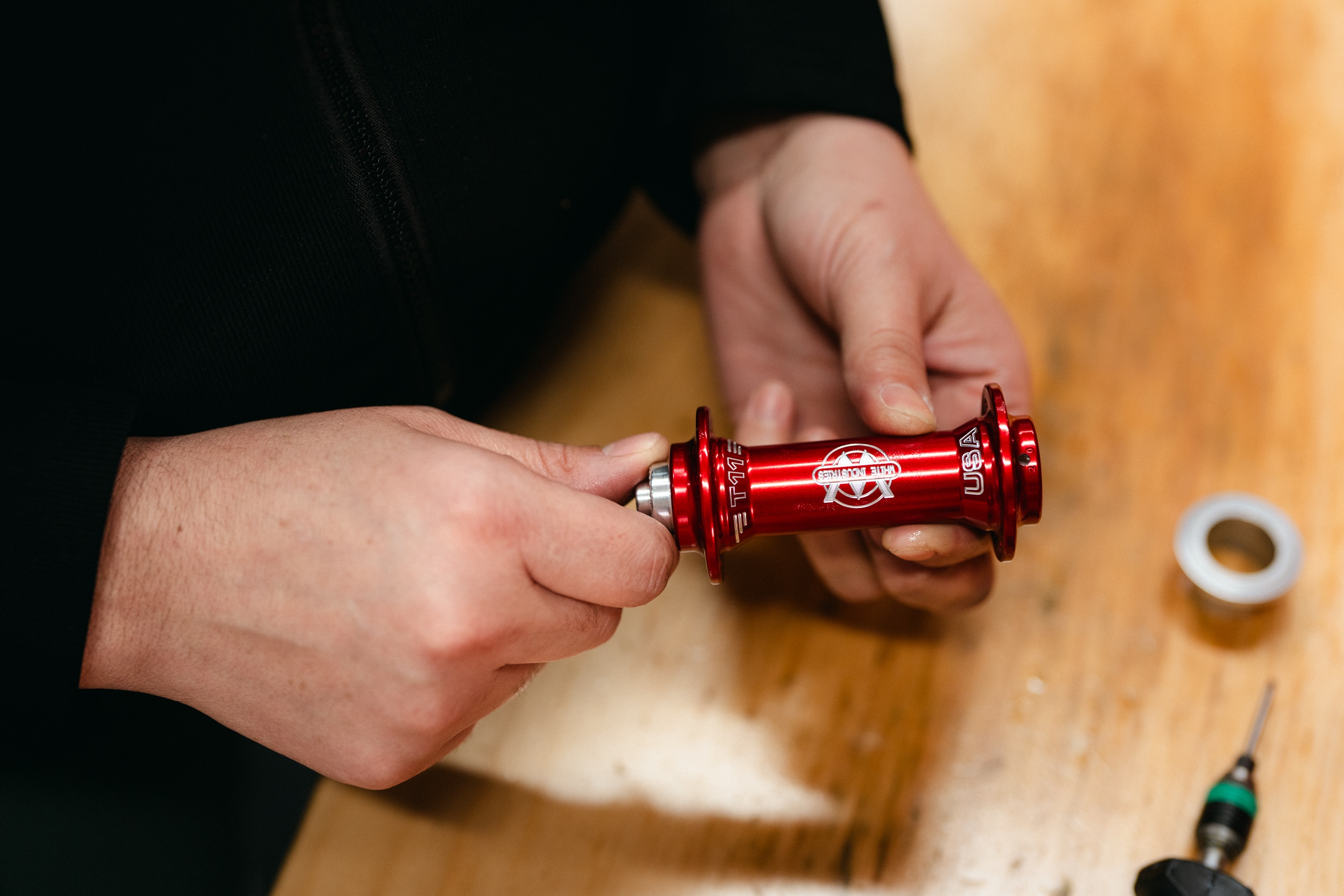
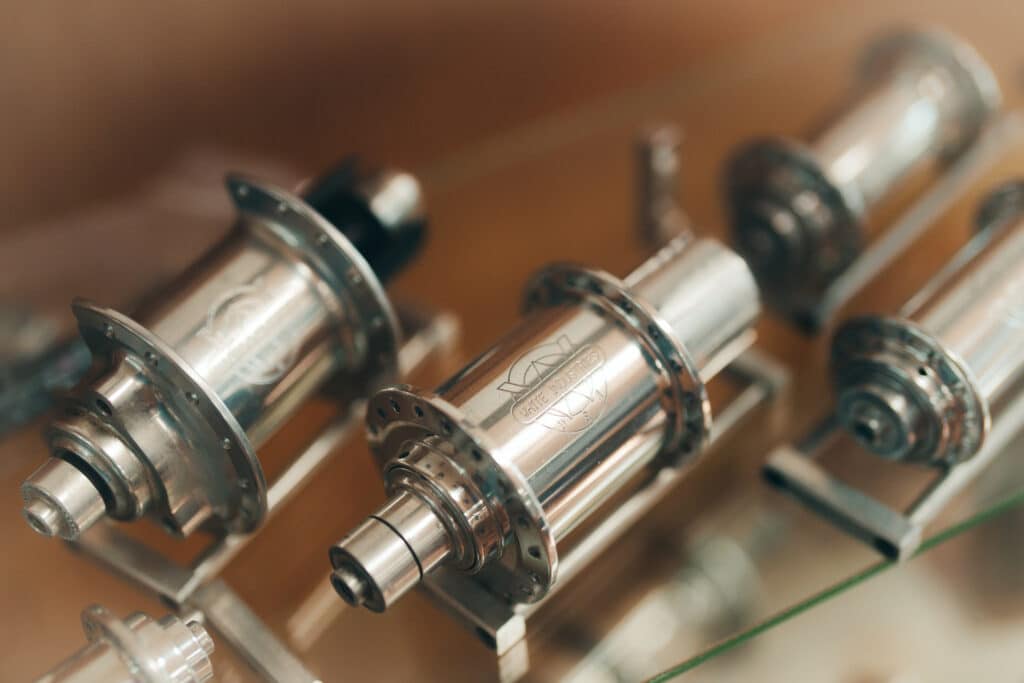
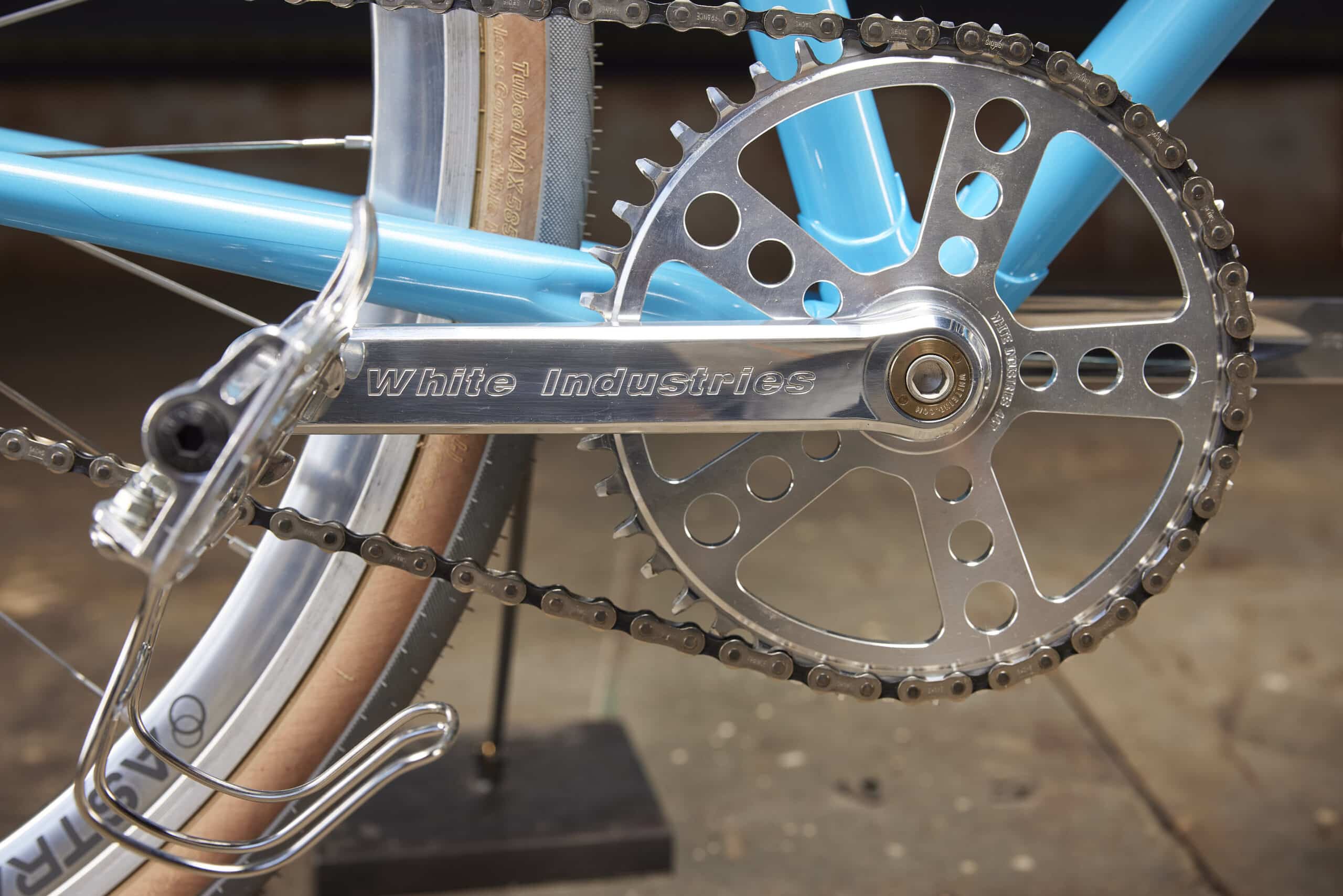
Chainrings appeal to him because of their straightforward assembly and elegant functionality. Hubs, on the other hand, are fascinating because of the complexity hidden inside their relatively compact form.
There’s something satisfying about seeing all those individual pieces come together and knowing exactly how they work as a system.
It’s a perspective that comes naturally to someone who spends his days working behind the scenes.
Mentorship Makes a Difference
Perhaps the most meaningful part of RJ’s White Industries story isn’t about a particular machine or product.
It’s about the people who have helped him grow.
Since joining the company, RJ has been given opportunities to learn new skills, experiment with new technology, and develop his creativity. He specifically credits Alec with taking him under his wing, teaching him how to approach new challenges, and giving him the space to figure things out while making sure he learned how to do things correctly.
That balance matters.
There’s room to experiment, but there’s also a deep respect for doing things properly.
It’s a reflection of the broader White Industries philosophy: pass knowledge down, give people room to grow, and take pride in developing the next generation of manufacturing talent.
For RJ, that has meant learning CAD, exploring 3D printing, developing his machining skills, and taking ownership of increasingly complex projects.
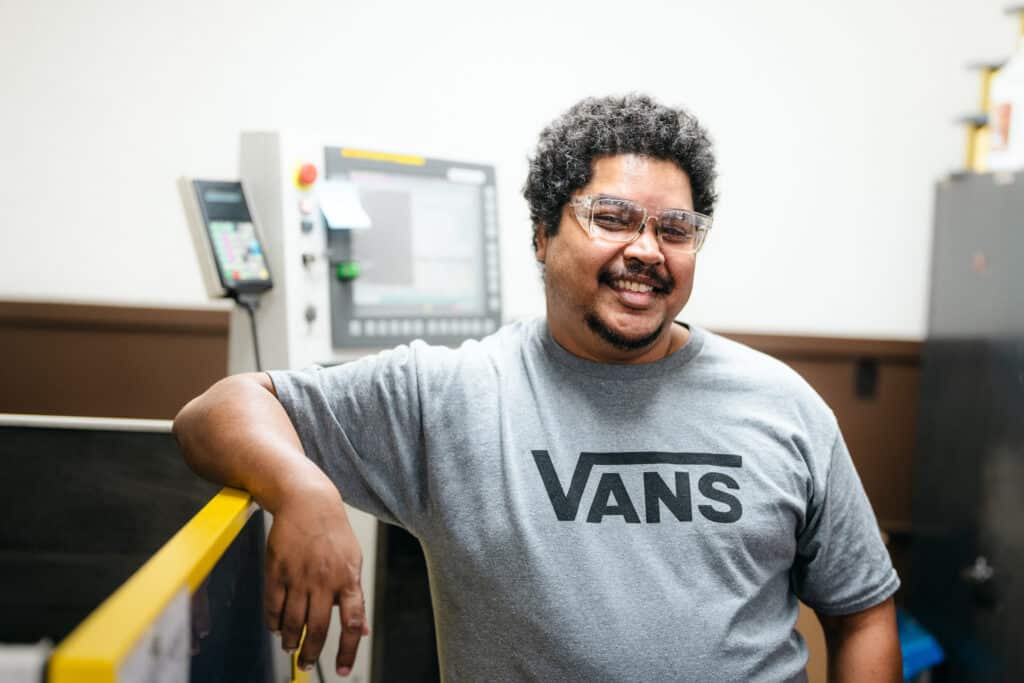
The Person Behind the Machine
When RJ isn’t at White Industries, his interests are just as varied.
He spends time playing video games, working with wood, making music, and, in the past, DJing.
These creative outlets seem fitting for someone who spends his workdays moving between digital design, machinery, fabrication, and problem solving.
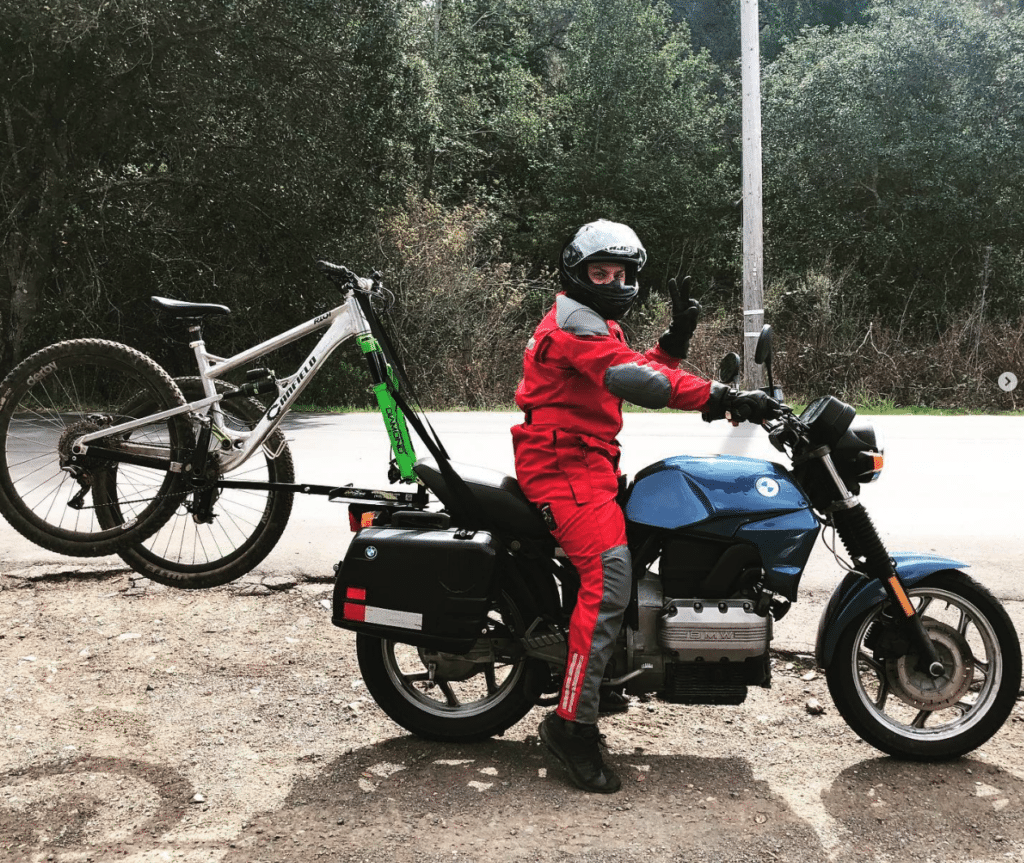
And while he used to spend more time riding bikes, these days you’ll apparently have a better chance of finding him playing Pokémon Go.
Different kind of adventure. Same spirit of exploration.
More Taco Lunches
When asked if there’s anything else he’d like to add, RJ kept it simple:
“More taco lunches.”
We’ll see what we can do.
Because ultimately, that’s what makes White Industries special. It’s not just the machines, the parts, or the finished products. It’s the people who come together every day to learn, solve problems, make things, and occasionally share a taco lunch.
RJ’s five years at White Industries are a great example of what happens when someone is given the tools, mentorship, and freedom to grow.
From raw material to finished component. From a blank CAD screen to a physical prototype. From learning his first CNC machine to running the Wire EDM.
He’s still learning, still building, and still finding new ways to make things better.
And that’s exactly what being part of the White Industries family is all about.