
How White Industries Builds Components in Petaluma, California
Manufacturing isn’t just where something is made—it’s how decisions are made, problems are solved, and standards are upheld. At White Industries, nearly every step of the process happens under one roof in Petaluma, California, from raw material to finished component.
This approach isn’t the fastest or the simplest. It is, however, the most consistent—and consistency matters when you’re building parts meant to be ridden for years.
It Starts With Raw Material
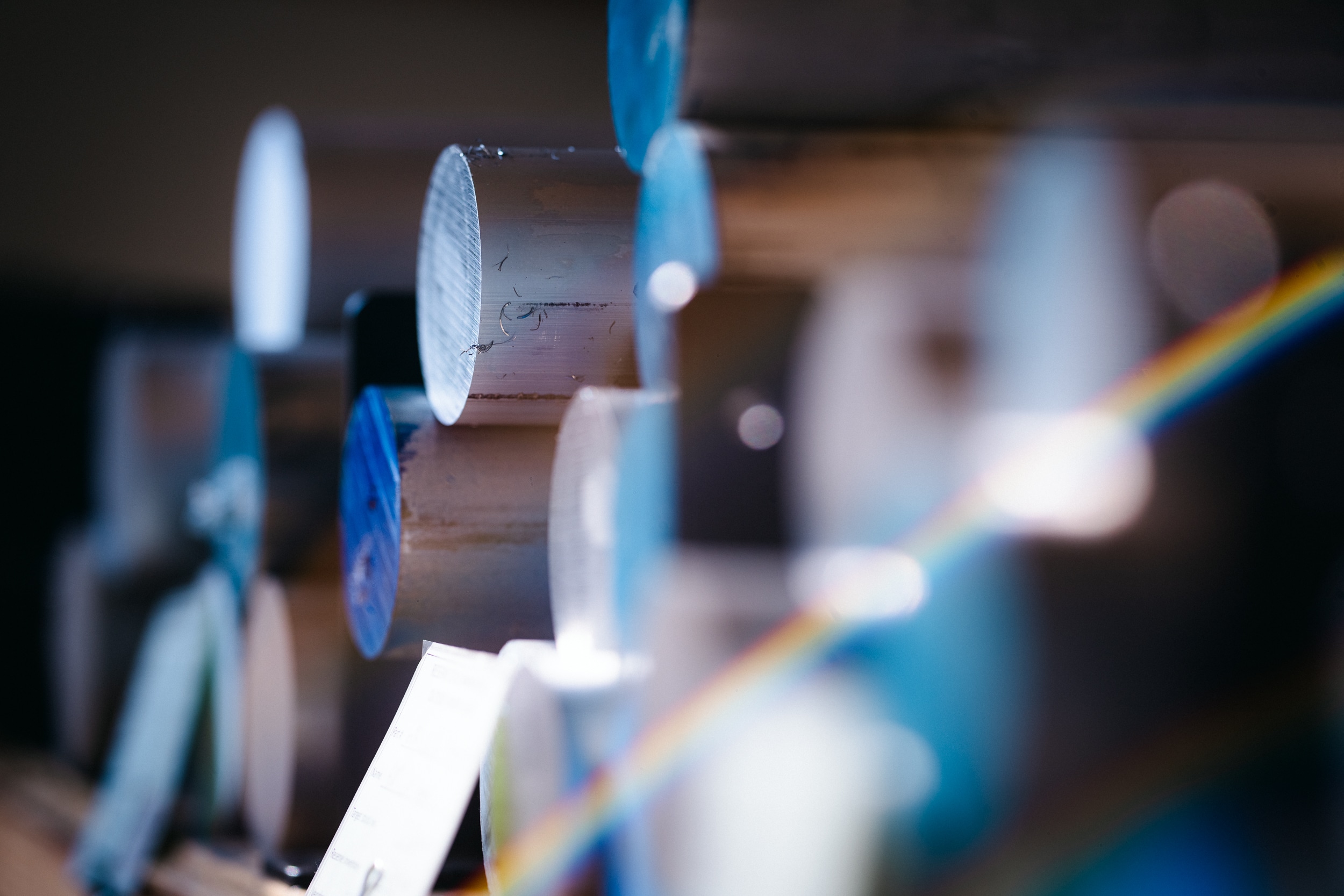
Every component begins as raw material: aluminum, steel, titanium. Material selection is deliberate and conservative, prioritizing stability, machinability, and long-term durability over novelty or cost savings.
Because manufacturing happens in-house, material quality can be verified and controlled before a part ever touches a machine. That early oversight sets the foundation for everything that follows. Tolerances, finishes, and service life are all influenced by decisions made at this stage.
Machining In-House, Start to Finish
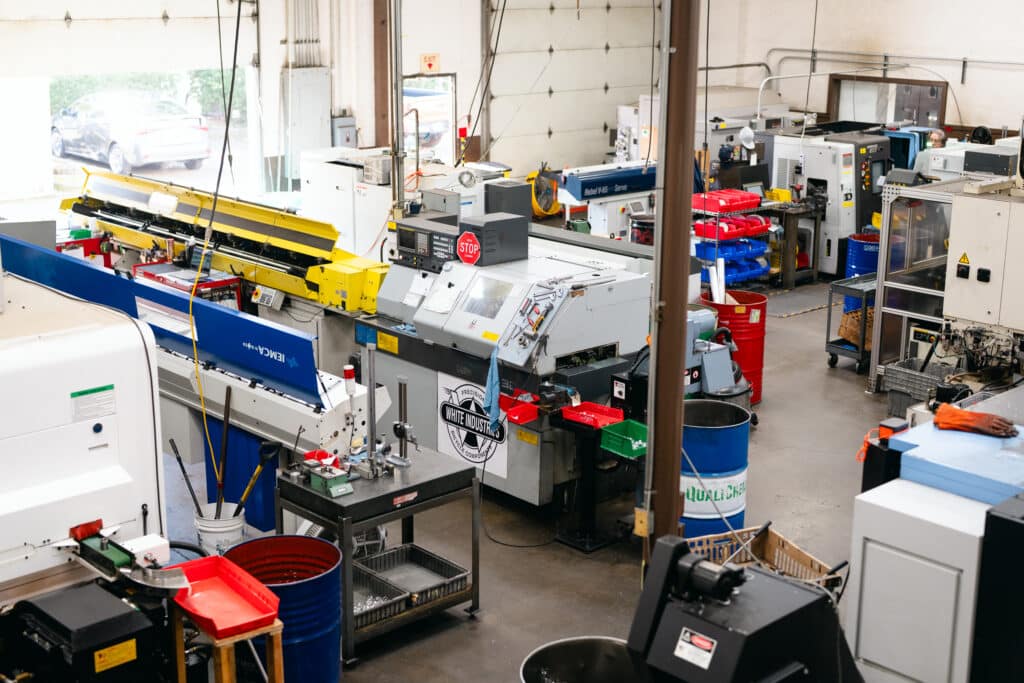
Once material is selected, it moves directly into machining—performed entirely in Petaluma. Hubs, cranks, chainrings, freewheels, bottom brackets, and small hardware are all precision-machined on-site.
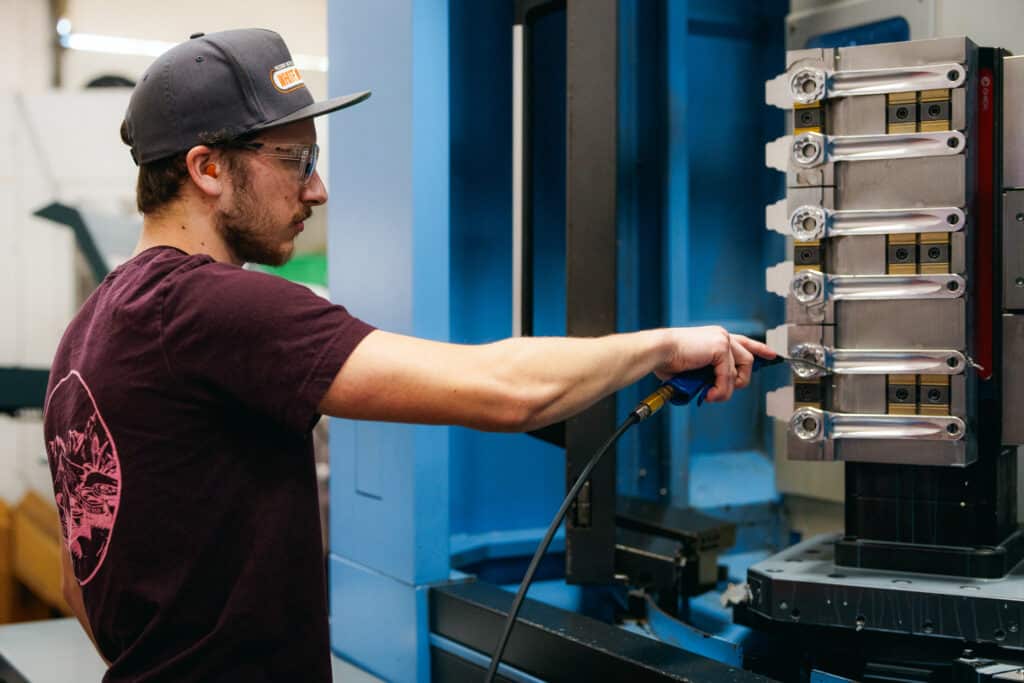
In-house machining allows for:
- Tight control over tolerances
- Immediate adjustments when improvements are identified
- Consistency across production runs
- Long-term stability of designs and specifications
If something can be improved, it happens here—without waiting on overseas communication loops or third-party schedules.
Process Control and Iteration
Because design, machining, and assembly are physically close, feedback loops are short. A machinist can speak directly with engineering. Assembly feedback can inform machining adjustments. Problems are solved quickly and directly.
This proximity matters. It’s how subtle refinements happen—changes that might never justify a new product launch but meaningfully improve durability, serviceability, or consistency.
Inspection at Every Stage
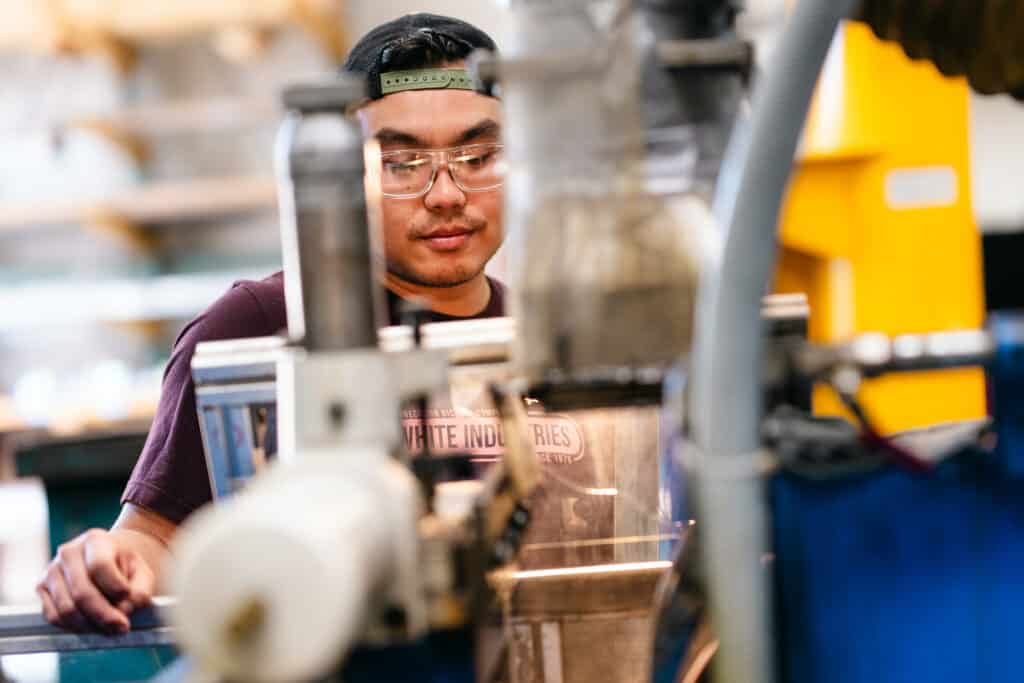
Quality control is not a single checkpoint at the end of production. Parts are inspected throughout the process:
- During machining
- After critical operations
- Before assembly
- After final assembly
This layered approach catches issues early, reduces waste, and ensures that finished components meet the same standards batch after batch.
Assembly Where It’s Made
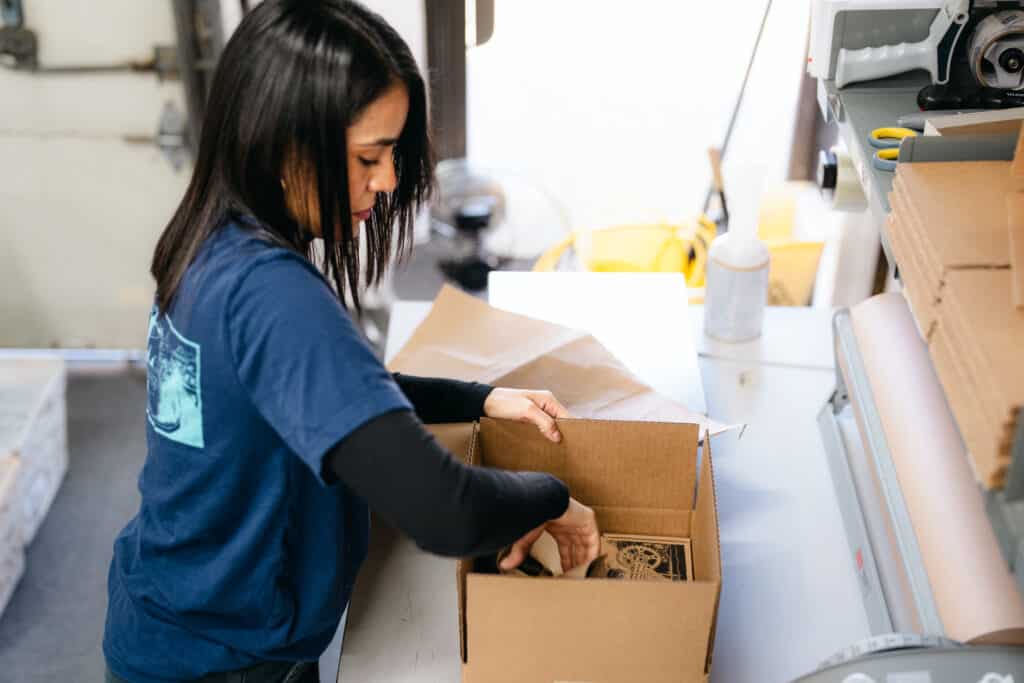
Final assembly also happens in Petaluma. Bearings are installed, mechanisms are assembled, tolerances are checked, and components are prepared for service life.
Because assembly is in-house, components are built with serviceability in mind from the start. Replacement parts, documentation, and long-term support aren’t afterthoughts—they’re built into the system.
The One Exception: Anodizing
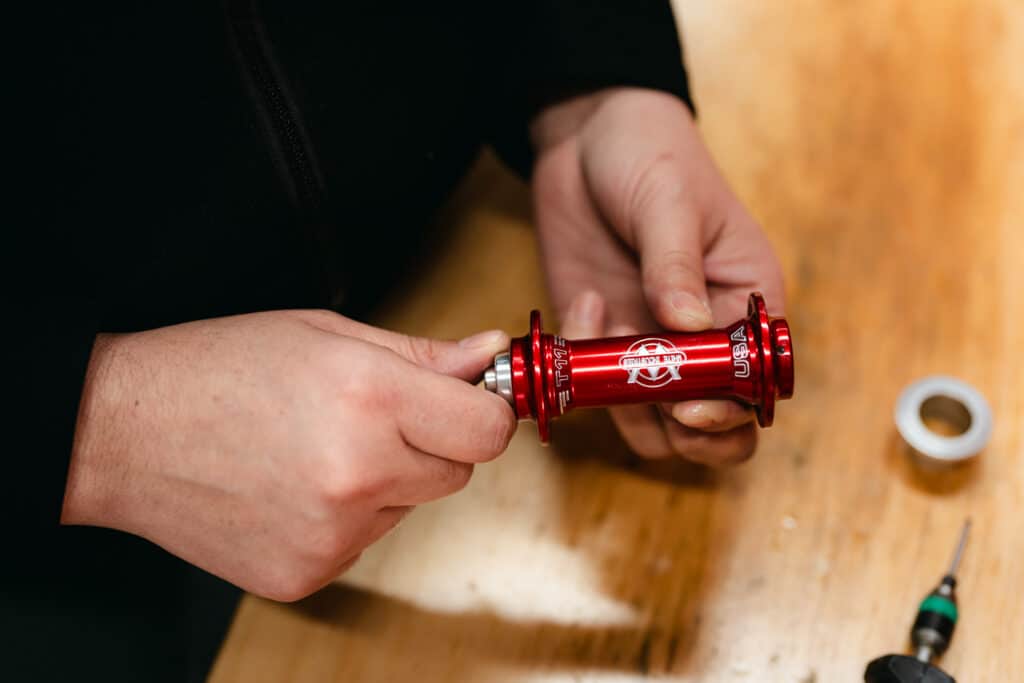
The only step that happens outside our facility is anodizing.
Anodizing requires specialized chemical processing that is best handled by trusted partners who meet environmental and quality standards. Finished machined parts are sent out for anodizing and then returned to Petaluma for final inspection and assembly when applicable.
Even here, control remains important. Finishes are specified carefully, batches are tracked, and returned parts are inspected to ensure they meet our standards before moving forward.
Why One Roof Matters
Keeping nearly the entire manufacturing process under one roof provides real benefits to riders and partners alike:
- Consistency: Fewer variables mean more predictable performance.
- Longevity: Stable designs and tight tolerances support long service life.
- Serviceability: Replacement parts and support remain available long-term.
- Accountability: Problems are owned and solved internally.
- Continuity: Products aren’t constantly changing due to supply-chain pressure.
This approach also insulates production from many of the disruptions that affect globally fragmented manufacturing—tariffs, shipping delays, and sudden supplier changes.
A Deliberate Way of Working
Manufacturing everything possible in Petaluma isn’t about nostalgia or marketing claims. It’s a practical choice rooted in how we believe components should be made: thoughtfully, carefully, and with long-term use in mind.
From raw material to finished product, nearly every step happens here. It’s slower. It’s more hands-on. And it’s exactly why our components are built the way they are. Made under one roof.