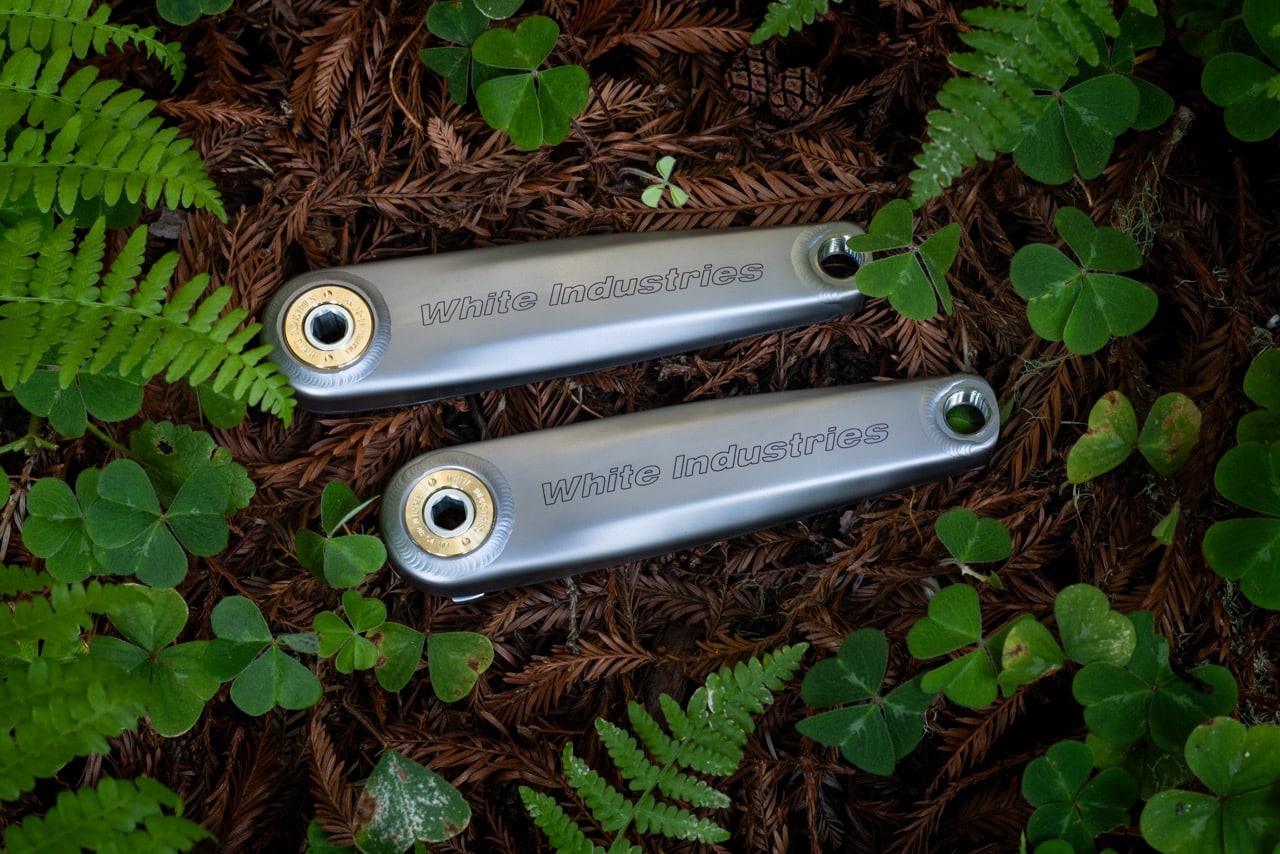
Introducing T30 Titanium Cranks from White Industries
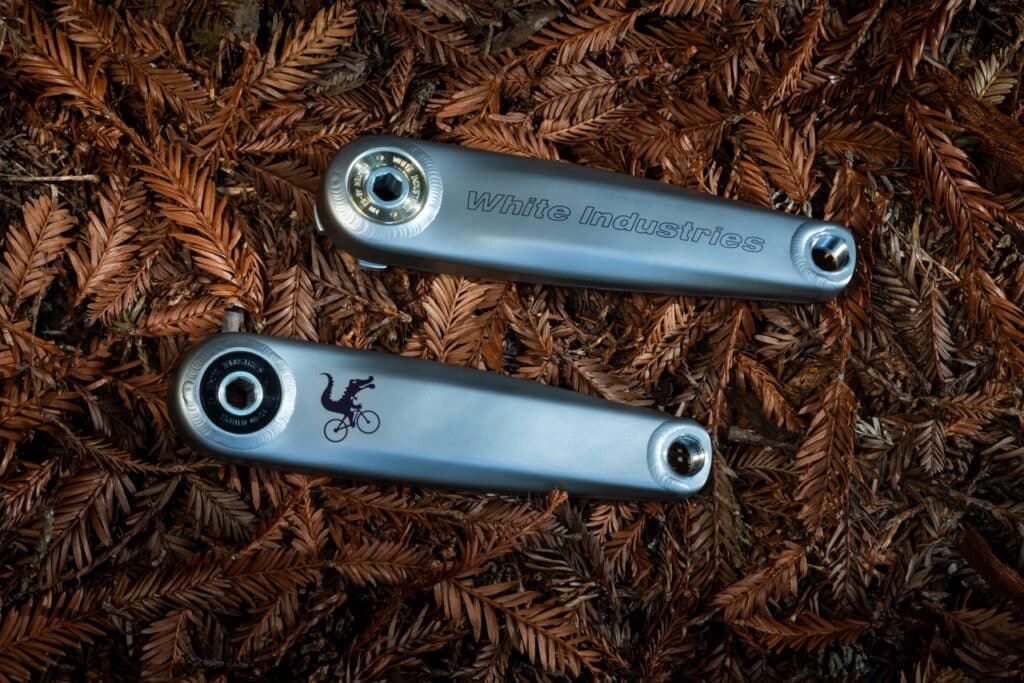
Titanium has long held a special place in cycling. Known for its strength, durability, and unmistakable ride quality, it’s a material that rewards careful design and precise manufacturing. With the introduction of new titanium cranksets from White Industries, riders now have another way to experience the benefits of this remarkable material.
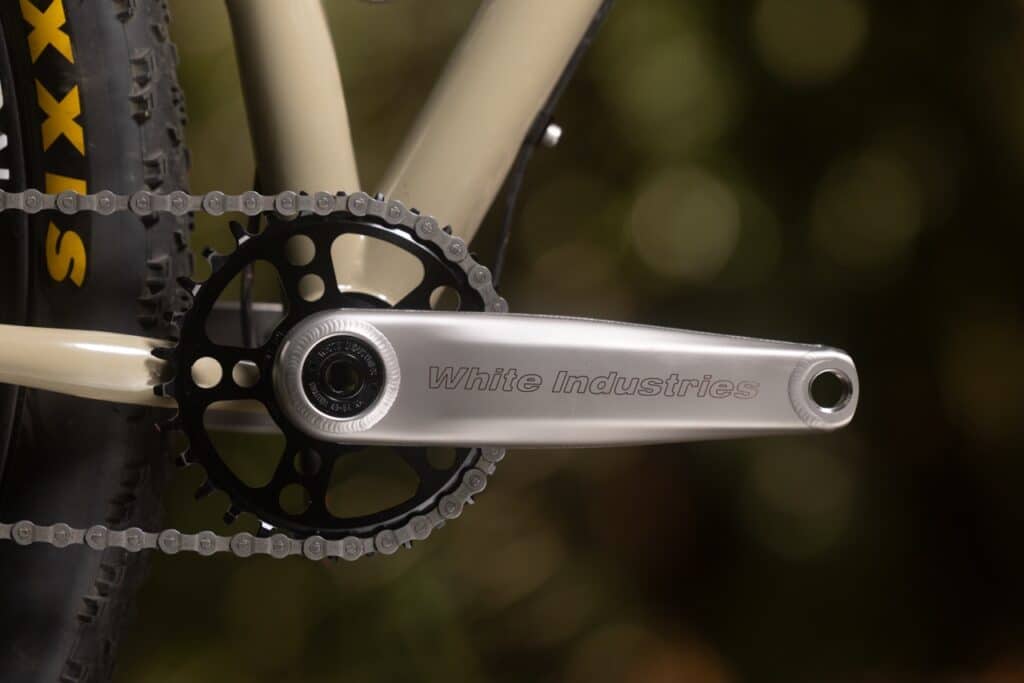
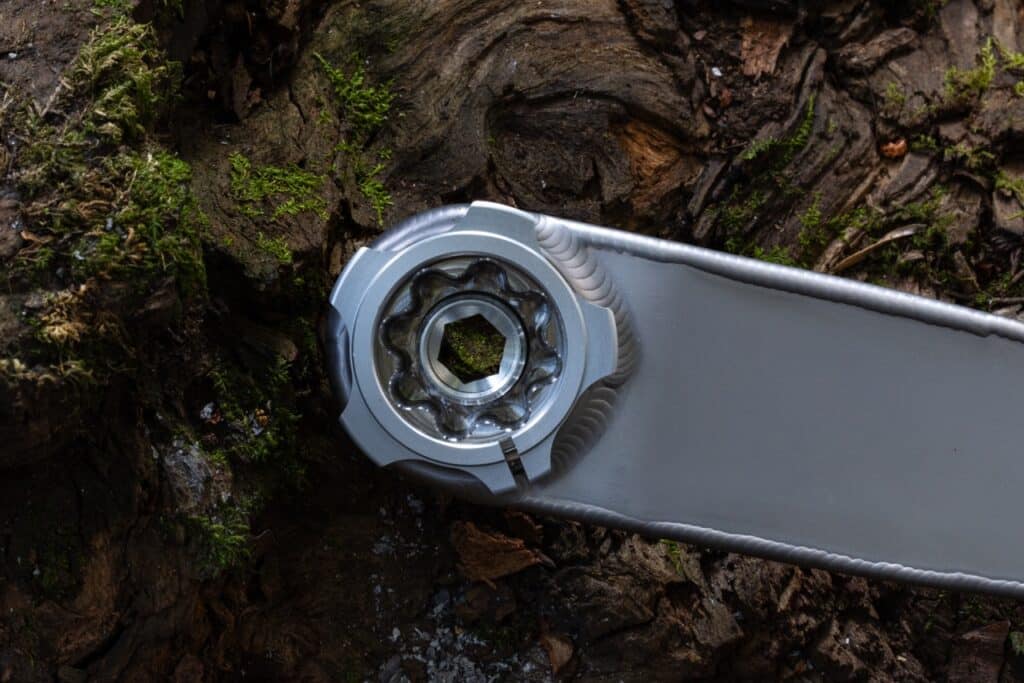
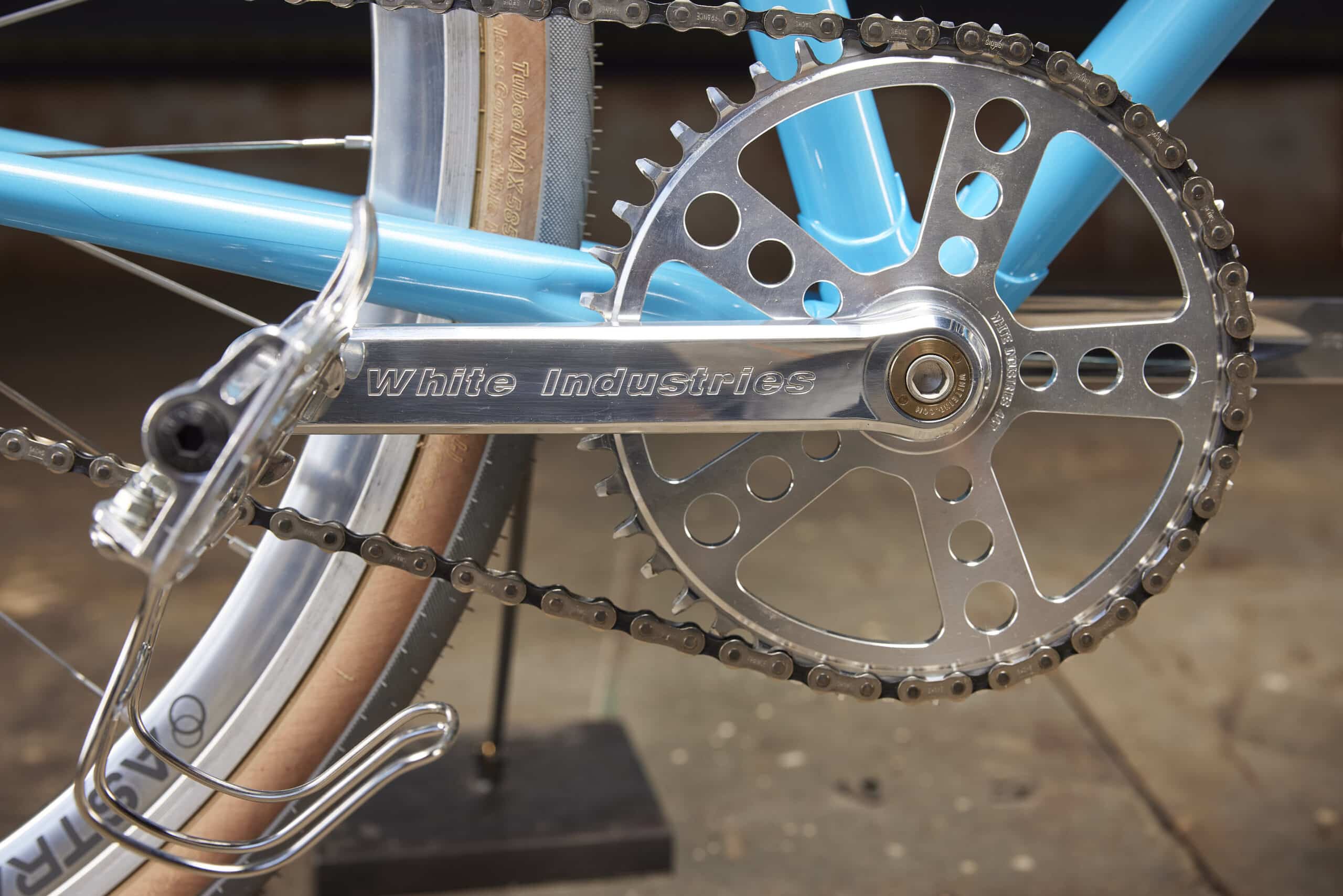
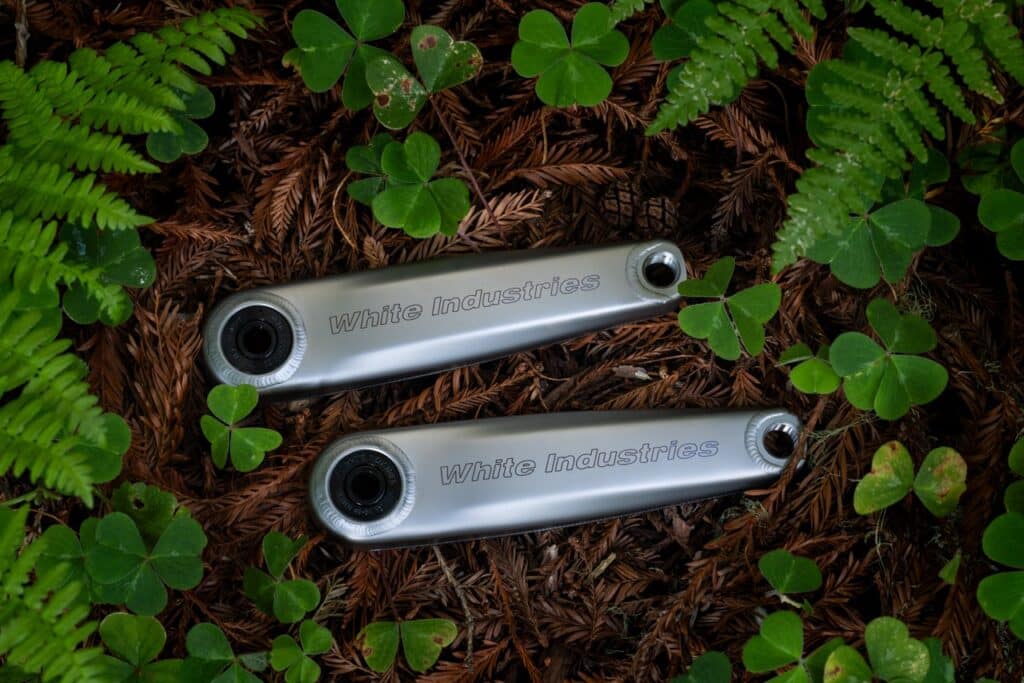
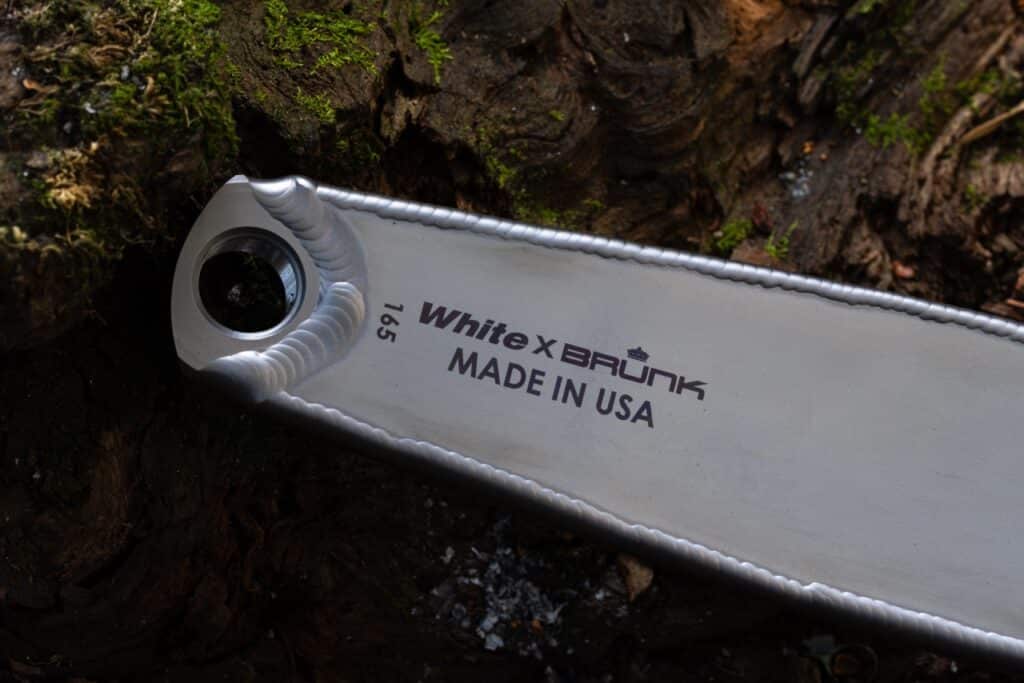
These cranksets were developed through a collaboration between three American companies—Brunk Industries, Moots, and White Industries—each contributing decades of expertise in working with titanium. By combining stamping and forming, precision machining, and world-class welding, the team created a crankset that showcases the strengths of titanium in a drivetrain component.
What Makes Titanium Special?
Titanium is often described as the “forever material” in cycling, and for good reason. It offers an exceptional combination of properties that are difficult to replicate with other metals.
First, titanium provides excellent strength-to-weight performance. While it’s not always about chasing the absolute lowest weight, titanium allows engineers to design components that remain strong and reliable without unnecessary bulk.
Second, titanium is known for its outstanding fatigue resistance. Bicycle components are constantly subjected to repeated loads, and titanium’s ability to withstand those cycles over time makes it ideal for riders who demand longevity from their equipment.
Third, titanium naturally resists corrosion and environmental wear. Whether riding through rain, mud, or long gravel miles, titanium maintains its integrity and appearance over years of use.
Finally, there’s the ride feel. Titanium is well known for its ability to dampen vibration while maintaining stiffness where it matters, creating a smooth and refined riding experience.
Bringing Three Specialties Together
Creating a titanium crankset isn’t simply about choosing the material—it requires deep knowledge of how titanium behaves throughout the manufacturing process.
The project began with Brunk Industries, whose precision stamping and forming capabilities are trusted in industries such as aerospace and medical. Their expertise made it possible to shape titanium with the accuracy and consistency required for high-performance bicycle components.
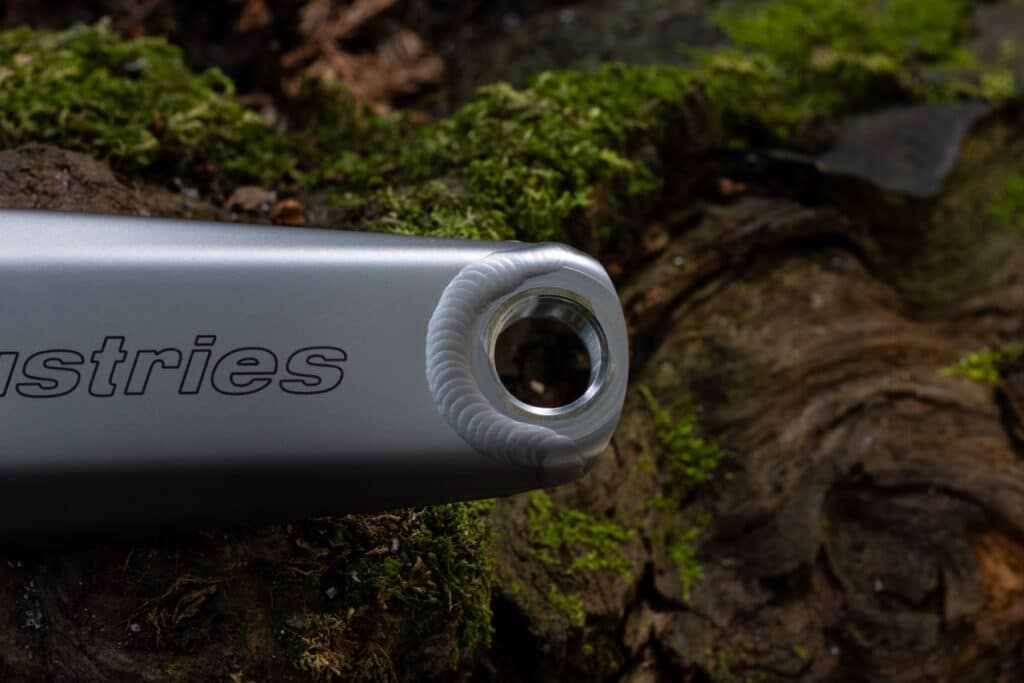
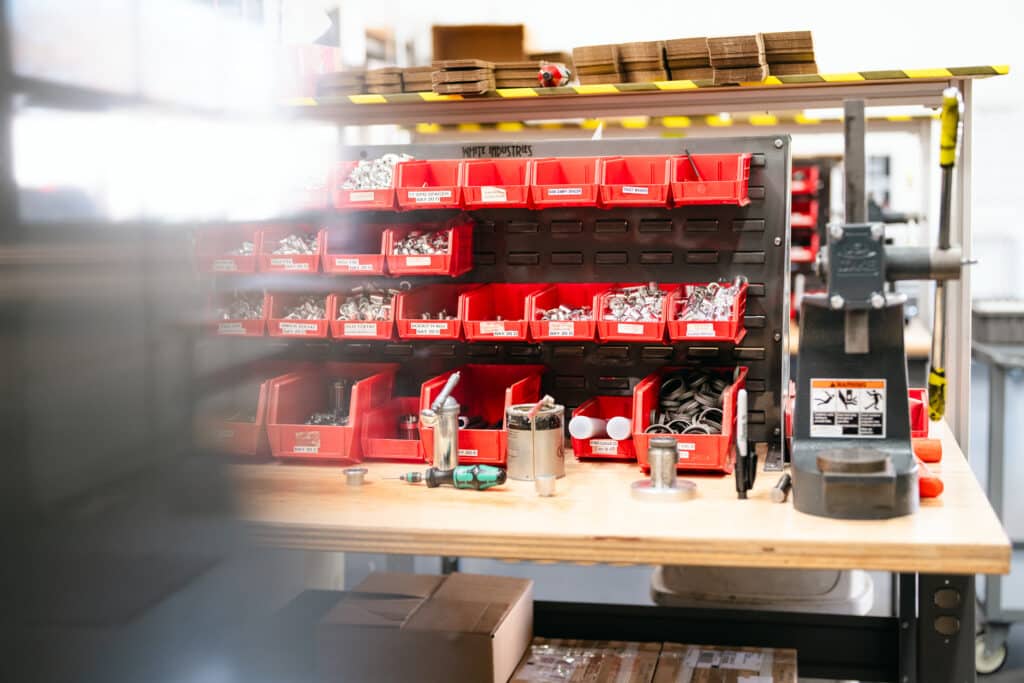
From there, White Industries applied decades of experience in precision machining and drivetrain design to engineer the crank architecture and ensure compatibility with modern drivetrain systems. Known for tight tolerances and long-term serviceability, White Industries’ role ensured the crankset would perform reliably in real-world riding conditions.
Completing the collaboration is Moots, whose reputation for titanium craftsmanship spans more than forty years. Their welding and fabrication expertise helped refine the structural integrity and finishing of the crankset, ensuring it meets the durability expectations riders associate with premium titanium products.
Built to Last
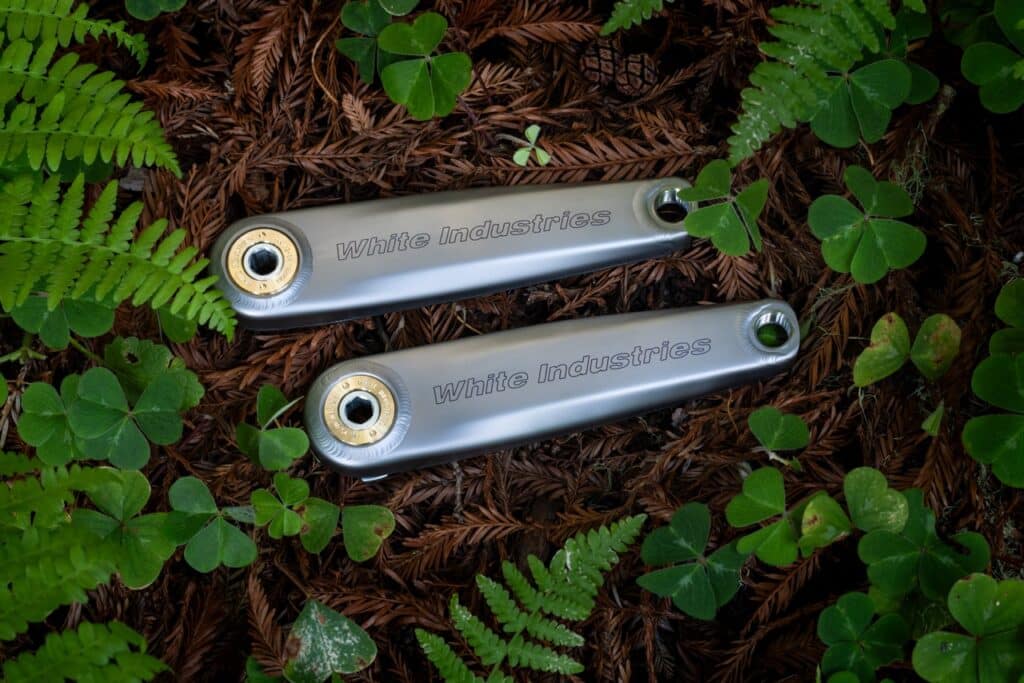
The result of this collaboration is a crankset that reflects a shared philosophy among all three companies: build products that endure. Rather than chasing trends or short product cycles, these titanium cranks are designed for riders who appreciate quality manufacturing and long-term reliability.
Each crankset is produced through a combination of forming, machining, and welding processes carried out by American manufacturers dedicated to their craft. The finished product reflects the strengths of each partner and the possibilities that arise when specialized expertise is brought together.
Titanium for the Long Ride
For riders who value durability, precision, and timeless materials, titanium continues to stand apart. With these new cranksets, White Industries extends its tradition of carefully engineered components into a new category—one where titanium’s strengths can shine.
Whether your bike sees long gravel miles, mountain adventures, or everyday rides, titanium cranks are built with the same goal that has guided White Industries since the beginning: components designed to last for the long ride.